
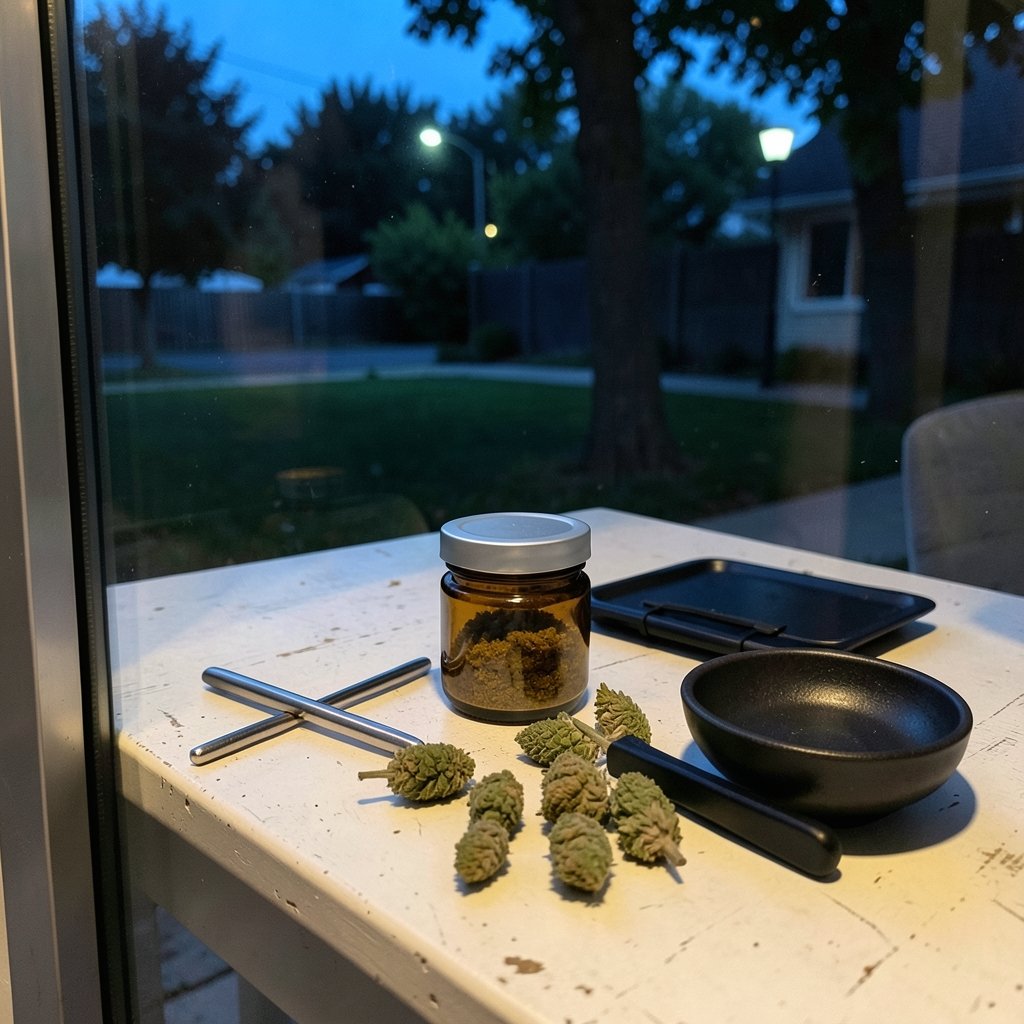
What does “whole melt extracts” actually mean, and why does the phrase keep showing up in cannabis conversations without a clear definition? That confusion is the honest starting point. The term is not a standardized industry category, not a regulated product class, and not something you will find spelled out in official testing rules. It lives mostly in community slang, where it gets used loosely to describe a full-spectrum, solventless-style concentrate that is made from whole plant material rather than isolated fractions. Because the label is informal, the burden of figuring out what is inside the jar falls on the buyer. This article breaks down what the phrase most likely refers to, how it connects to better-documented extract types, what to look for on a label, and the mistakes people make when they treat marketing language as a quality guarantee. (Best mesh wi fi systems 2026 actually delivers whole home)
Where the Term Comes From and What It Probably Describes
Whole melt extracts is best understood as informal, social-media-driven slang rather than a technical designation. The likely intent behind it is a concentrate where the entire plant material is processed together instead of being separated into isolated compounds. The “melt” part of the phrase points to how the product behaves when heated: a clean, full-melt consistency that liquefies rather than chars or crumbles.
That is the reasonable reading, but it comes with a caveat worth stating plainly. The term may carry a narrower meaning inside specific communities, and usage shifts over time. Anyone presenting a rigid definition as settled fact is overstating what is known. Treat the phrase as a description of a style and a process philosophy, not a certification.
Full-Spectrum and Whole-Plant Thinking
The ideas underneath the slang are well documented. Full-spectrum and whole-plant extracts refer to products that retain a broad range of the plant’s natural compounds rather than isolating a single one. The logic is that the whole is more interesting than any single part. Whether that translates into a meaningfully different experience is a separate question, and one that deserves skepticism rather than hype.
Solventless Extraction
The most common process associated with whole melt–style products is solventless extraction, which uses heat and pressure rather than chemical solvents. The best-known example is rosin, produced by pressing plant material between heated plates. Live resin and live rosin take this further by starting with fresh-frozen material rather than dried and cured flower, which preserves a different aromatic profile.
Here is the practical takeaway: when someone says “whole melt,” they are almost certainly describing something in the solventless, full-spectrum family. If a product claims the term but the label shows a solvent-based process, that is a mismatch worth questioning.
The Label Is the Only Thing That Matters

Marketing copy is written to sell. Lab results are written to inform. The gap between the two is where most buying mistakes happen.
A credible cannabis concentrate label in a regulated market should tell you several things. Potency matters, but it is the least interesting number on the package. More important are the test results for pesticides, residual solvents, microbials, and heavy metals. A product can post an impressive potency figure and still fail on contaminants.
| What to Check | Why It Matters | Red Flag |
|---|---|---|
| Full panel contaminant test | Confirms pesticides, solvents, and microbials were screened | Potency-only results |
| Extraction method | Solventless vs. solvent-based changes the product entirely | “Whole melt” label with no method disclosed |
| Batch or lot number | Lets you match the jar to a specific test report | No batch ID anywhere on packaging |
| Harvest or production date | Fresher material generally holds up better | Only a sell-by date, no production date |
| Cultivar and input material | Whole-plant claims should name what went in | Vague “premium blend” language |
The single most useful habit is to ask for the batch-specific test report and read the contaminant section, not only the potency line. In licensed markets, that information is generally available. If a seller cannot or will not produce it, that silence is the answer.
How Whole Melt Compares to Other Extract Styles
The cannabis extract aisle is crowded, and the labels overlap in confusing ways. Here is a plain comparison of the categories that get conflated with whole melt products.
| Extract Type | Typical Process | What It Retains | Common Use |
|---|---|---|---|
| Whole melt (slang) | Full-spectrum, often solventless | Broad plant compounds | Dabbing, experienced users |
| Rosin | Heat and pressure, no solvents | Full-spectrum profile | Dabbing, solvent-averse buyers |
| Live resin | Solvent-based, fresh-frozen input | High aromatic intensity | Dabbing, flavor-focused buyers |
| Distillate | Refined and isolated | Mostly a single cannabinoid | Vaping, edibles |
| Hash and bubble hash | Mechanical separation | Plant resin glands | Smoking, blending |
The pattern is clear. Whole melt–style products sit at the full-spectrum, minimally refined end of the spectrum. Distillate sits at the opposite end. Neither is inherently better. They serve different purposes, and a buyer who wants a clean, repeatable, flavor-neutral experience may genuinely prefer distillate. The mistake is assuming that “whole” automatically means “higher quality.”
Practical Tips That Actually Hold Up
Experience in this space tends to produce the same lessons repeatedly. These are the ones that survive contact with reality.
Start with the process, not the name. Ask how the product was made before you ask what it is called. Solventless pressing, fresh-frozen input, and full-plant processing are concrete facts. “Whole melt” is a vibe.
Buy in small amounts first. Consistency varies enormously between producers and even between batches from the same producer. A single gram tells you more than a review ever will.
Store it properly. Concentrates degrade with heat, light, and air exposure. A cool, dark place and a sealed container preserve the profile far better than a sunny windowsill. This is the same principle behind keeping other perishable goods in good condition, and it applies here without exception.
Do not chase the highest potency number. A 90% product that was harshly extracted is not better than an 80% product with a clean full panel. Potency is a single data point, and it is the one most easily gamed by marketing.
Watch for the batch problem. A producer’s first batch and their tenth batch can be different products. Batch-specific testing is the only way to know what you actually have.
Common Mistakes People Make
The most frequent error is treating slang as a standard. A second common mistake is buying based on packaging design rather than test data. A third is assuming solventless means contaminant-free, which is not guaranteed; even solventless products can carry microbial or pest issues if the input material was poor. Finally, people often overpay for terminology. The word on the jar does not change what is inside it.
The Regulatory Reality Behind the Hype
Cannabis regulation is jurisdiction-specific and changes frequently. In the United States, federal status has remained restrictive, with state-level programs varying widely in their testing requirements, labeling rules, and product categories. That patchwork matters for anyone buying whole melt–style products, because the term itself is not defined in any regulatory framework. No agency certifies a product as “whole melt.”
What this means practically is that quality control is largely consumer-driven. In tightly regulated markets, mandatory contaminant testing provides a real safety floor. In less regulated settings, that floor may not exist. The responsible approach is to buy from licensed sources where possible, request test data, and treat unverified claims with appropriate caution.
This is not unique to cannabis. Consumers face similar information gaps in plenty of product categories, from electronics to everyday purchases. The same discipline applies: verify the specific claim before paying a premium for it. Anyone who has learned to save money on gas without changing their whole life already understands the principle of cutting costs where the savings are real rather than where the marketing says they are.
Who Should Consider Whole Melt Products
These products tend to appeal to experienced users who want a full-spectrum profile and are willing to pay for solventless processing. They are generally not a starting point for beginners, largely because the intensity and the cost both run higher than more refined alternatives.
Buyers who prioritize consistency and predictability may find distillate or standardized products a better fit. Buyers who prioritize a broad compound profile and minimal processing will likely gravitate toward rosin and whole-plant styles. Neither choice is wrong. The key is matching the product to the actual goal rather than to the label.
Cost is a real factor too. Full-spectrum, solventless products typically command a premium, and that premium is not always justified by measurable differences. It is worth asking whether you are paying for process, for rarity, or simply for a word on the package. The same question applies to any purchase where a premium is attached to a label, which is why a realistic plan that beats get-rich schemes starts with questioning what you are actually paying for.
Conclusion
Whole melt extracts is a slang term, not a standard. It most likely describes a full-spectrum, solventless-style concentrate made from whole plant material, but the phrase carries no regulatory weight and no guaranteed meaning. The useful move is to look past the label entirely and examine the process, the batch-specific test data, and the input material. Those are the facts that determine what is actually in the jar.
Quality in this category comes down to transparency. A producer who publishes full contaminant panels and names their process is telling you something real. A producer who leans on evocative language and hides the data is telling you something too. Buyers who learn to read the difference will make better decisions, spend less on hype, and get more of what they actually wanted.
Frequently Asked Questions
What are whole melt extracts exactly?
The term is informal slang rather than a defined industry or regulatory category. It most likely refers to a full-spectrum, solventless-style concentrate made from whole plant material, but usage varies between communities and the meaning is not standardized. Treat it as a description of a style, not a certification.
Is whole melt the same as rosin?
Not necessarily, though they overlap. Rosin is a specific solventless process using heat and pressure. Whole melt is a looser term that often describes products made in a similar spirit. A product labeled whole melt may or may not be rosin, which is why the extraction method on the label matters more than the name.
Are whole melt extracts safer than other concentrates?
Not automatically. Solventless processing avoids solvent residue concerns, but safety still depends on input material quality and contaminant testing. A solventless product made from poor material can still carry microbial or pest issues. Batch-specific full-panel testing is the real safety indicator, regardless of the extraction style.
Why do whole melt products cost more?
Full-spectrum, solventless production is typically more labor-intensive and yields less per unit of input material, which pushes prices up. Some of the premium reflects real process costs. Some reflects marketing. Comparing test data across products is the best way to judge whether a specific premium is justified.
How should whole melt extracts be stored?
Keep them in a sealed container in a cool, dark place, away from heat and direct light. Concentrates degrade with heat, air, and light exposure, and proper storage preserves the aromatic and chemical profile significantly. Avoid leaving them in warm vehicles or on sunny surfaces.
Can beginners use whole melt extracts?
They can, but it is usually not the recommended starting point. These products tend to be more intense and more expensive than refined alternatives. Beginners generally do better starting with lower-intensity, clearly tested products and working up as they learn how their body responds.



