
A Yukon XL deal is worth comparing only when the payment, mileage allowance, and amount due at signing are considered together. Your ZIP code, trim, and drivetrain also shape whether an online lease payment fits your situation. A quote from another area may price a different vehicle or contract.
Capitalized cost is the negotiated starting amount used to calculate a lease, adjusted for items such as eligible rebates or a trade-in. Use written offers to compare the same configuration and see which costs sit outside the monthly payment. That can help you assess local pricing before you make a dealership visit.
This page offers practical checks for current inventory and written quotes, whether you are weighing lease deals or a purchase price. Start with your ZIP code and the exact trim you want so each quote is based on the same vehicle.
Key Takeaways
- Compare the same trim, drivetrain, lease term, and mileage allowance.
- Review the full due-at-signing amount alongside monthly payments.
- Match a listing to its VIN and a written quote before visiting.
- Check used vehicles for model year, condition, and open recalls.
- Test the exact Yukon XL configuration you may lease or buy.
What Changes From One Local Quote to Another?
Two local quotes can show different monthly payments because they may price different trims, mileage allowances, or amounts due at signing. Even nearby offers can use different ZIP codes or eligibility rules. Those details affect the practical price of a GMC Yukon lease.
An advertised incentive is not the same as a dealer’s selling price. An incentive may lower a lease calculation if you qualify, while the selling price reflects the amount negotiated for the vehicle. Ask which discounts apply to you and whether the quote includes them.
The Federal Trade Commission requires material lease terms to appear with an advertised payment. Regulation M covers consumer lease disclosures, including the payment and other contract terms. The Regulation M lease disclosure rules set out those requirements.
Ask for an itemized quote for the same trim and ZIP code before treating two offers as comparable.
Eligibility can also change an offer’s value. A rebate may apply only to certain buyers, while a different mileage allowance or due-at-signing amount can shift what you pay over the lease.
Check local results with your own ZIP code, since nearby pricing can reflect different taxes, fees, and available incentives. Ask the dealership to identify each offer and the conditions tied to it.
Compare the same term, vehicle, and contract assumptions before judging which price is better. Ask for an itemized quote for the same trim and ZIP code before treating two offers as comparable.
How to Compare Yukon XL Deals Near Me
The October 2026 benchmark is $959 per month for 36 months, but it requires $10,489 due at signing for well-qualified lessees in the ZIP 33601 offer. That is a benchmark, not a local quote or a promise of approval. GMC Yukon XL deals near me should match the same trim, term, mileage allowance, and due-at-signing basis.
The displayed offer applies to a 2026 Yukon XL 4WD Elevation and ZIP code 33601. Check the conditions and added charges before comparing its monthly payment with another quote.
| Offer | Term | Monthly payment | Due at signing | Mileage and extra charges |
|---|---|---|---|---|
| October 2026, 2026 Yukon XL 4WD Elevation, well-qualified lessees, ZIP 33601 | 36 months | $959 | $10,489 after all offers | 30,000 miles total; $0.25 per extra mile; $0 security deposit; tax, title, license, and dealer fees extra |
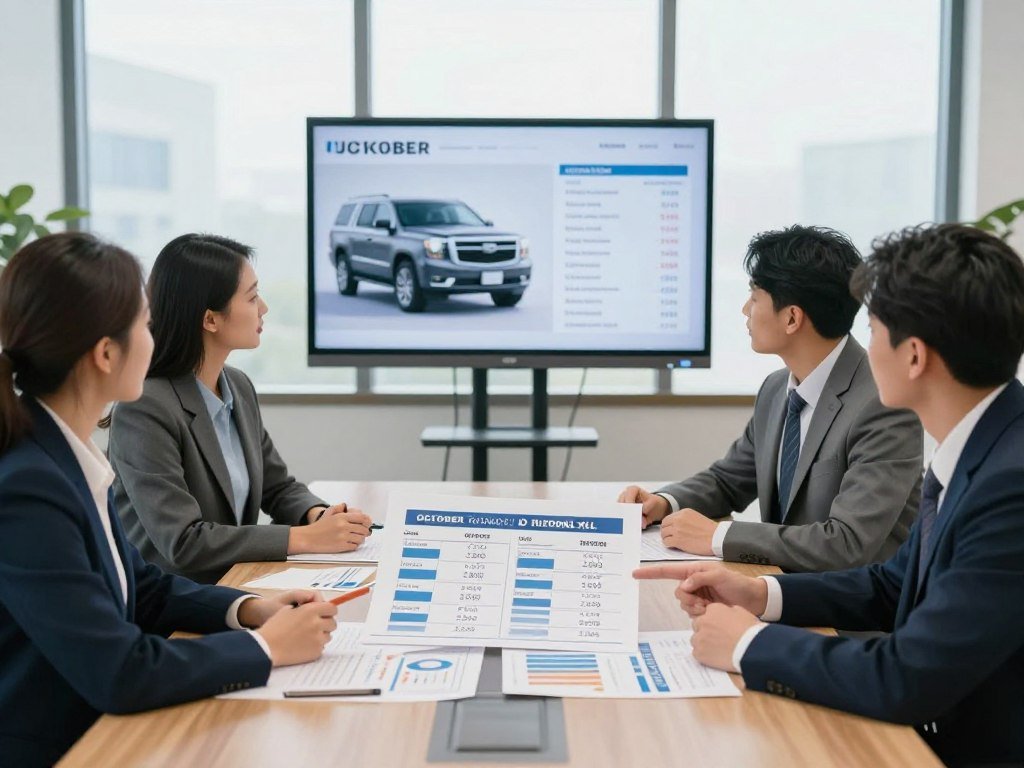
The listed October 2026 Yukon XL lease terms include a $0 security deposit and 30,000 total miles. The offer charges $0.25 per mile above that limit, with tax, title, license, and dealer fees extra.
A low monthly figure can hide a large upfront payment or a mileage limit that does not fit your driving. Add the scheduled monthly payments and due-at-signing charges to see more of the contract’s cost.
Use the same configuration when comparing GMC Yukon lease offers, then check what each quoted payment includes. A different trim, term, or mileage allowance makes the monthly figures poor matches.
Compare the total scheduled payments plus due-at-signing charges, not the monthly figure by itself.
How to Check Nearby Inventory Before You Visit
A listing is not ready for comparison until you can identify the exact vehicle by its 17-character VIN. That number ties the listing to one specific vehicle, rather than a broad model description. It helps you check the details that matter before spending time at a dealership.
Use the VIN, model year, trim, drivetrain, mileage, condition, and written price with fees to screen a used listing. A used Yukon XL deals near me result should be checked against the exact vehicle, not just its photos or headline price.
Used Listings Need a VIN and History Check
Ask for the VIN and review the vehicle’s title history and service records. The FTC Used Car Rule applies to dealers that sell, offer for sale, or offer for lease more than five used vehicles in a 12-month period.
Check for open recalls with NHTSA’s VIN-based lookup. A listing’s model year and the year it was first registered are not interchangeable, so compare the vehicle record with the listing.
Use this five-point checklist before arranging a visit:
- VIN with all 17 characters
- Model year
- Trim and drivetrain
- Mileage and condition
- Written price with fees
New Listings Need a Matching Written Quote
A new listing should match a written quote for the exact vehicle before you visit. Ask the dealership to confirm the trim, drivetrain, price, and any fees shown in its inventory details.
New GMC listings can change, so check view inventory near your ZIP code before setting an appointment. A web listing does not confirm that a vehicle remains available.
Run the VIN through NHTSA’s recall lookup and ask the dealership to explain any open recall before arranging a visit.
Which Yukon XL Model Years Should You Compare?
The right model year is the one whose verified condition and equipment justify its price, not simply the newest listing you can find. Condition and equipment can matter more than the year printed in an ad. 2021, 2022, and 2023 Yukon XL deals near me depend on each vehicle, not its model-year label alone.
Confirm the model year from the VIN, then compare it with the vehicle’s registration record. The 10th character identifies model year in vehicles using the standard VIN system. Some model-year codes repeat in 30-year cycles, so use the full VIN context.
2021 Yukon XL Listings
For a 2021 Yukon XL, give condition, service records, and mileage close attention. A well-kept vehicle with clear maintenance details may justify a different asking price than one with similar age but uncertain care.
Check how the mileage fits the vehicle’s condition and documented service. Do not treat a lower listed price as proof of better value if the vehicle’s history or wear raises questions.
2022 Yukon XL Listings
For a 2022 model, compare its equipment and condition against the asking price. Two listings can share a model year but include different options or show different levels of wear.
Read the listing details closely and ask which equipment is included. Judge the price against comparable vehicles with similar features, rather than using the year alone.
2023 Yukon XL Listings
For a 2023 Yukon XL, match the trim, drivetrain, and included options against similar listings. Those details help explain why two vehicles from the same year may carry different asking prices.
Check that the listing describes the same configuration you are comparing. Photos may not show every option, so use the VIN and written vehicle details to confirm the equipment.
Compare vehicles with similar trim, mileage, condition, and included equipment before choosing a model year.
Which 2026 Yukon XL Trim and Drivetrain Fit You?
The 2026 lineup has five trims, and drivetrain availability is one of the clearest ways to narrow the list. Your first choice can be whether you want rear-wheel drive or four-wheel drive. The Yukon AT4 and Yukon Denali are trim choices, not different vehicle sizes.
Elevation and Denali offer rear-wheel drive as standard, with four-wheel drive available. AT4, AT4 Ultimate, and Denali Ultimate come only with four-wheel drive.
Rear-Wheel-Drive and Four-Wheel-Drive Choices
The 2026 Yukon XL comes in Elevation, AT4, AT4 Ultimate, Denali, and Denali Ultimate trims. A shopper who wants a rear-wheel-drive starting configuration can consider Elevation or Denali.
If off-pavement capability matters to you, the four-wheel-drive-only AT4 trims may fit your priorities. Compare the exact vehicle’s equipment rather than assuming every trim shares the same setup.
What Each Trim Gives You
| Trim | Standard drivetrain | Drivetrain choice |
|---|---|---|
| Elevation | Rear-wheel drive | Rear-wheel drive or four-wheel drive |
| AT4 | Four-wheel drive | Four-wheel drive only |
| AT4 Ultimate | Four-wheel drive | Four-wheel drive only |
| Denali | Rear-wheel drive | Rear-wheel drive or four-wheel drive |
| Denali Ultimate | Four-wheel drive | Four-wheel drive only |
The trim level affects which configuration you can choose, while an individual vehicle’s sticker shows what it actually has. Compare the Yukon AT4 and Yukon Denali based on your priorities, not on a mistaken assumption about size.
Confirm the drivetrain on the vehicle’s window sticker because Elevation and Denali can be configured either way.
Which Yukon XL Engine Should You Choose?
Choose an engine by matching the available powertrain to the way you use the SUV, then confirm its trim availability. How you drive helps narrow the options, including regular highway use or towing. Each 2026 Yukon XL engine pairs with a 10-speed automatic transmission.
The available Duramax 3.0L turbo-diesel inline-six makes 305 horsepower and 495 lb-ft of torque. The 5.3L V8 makes 355 horsepower and 383 lb-ft, while the 6.2L V8 makes 420 horsepower and 460 lb-ft.
V8 and Duramax Engine Options
| Engine | Availability | Horsepower | Torque |
|---|---|---|---|
| 5.3L V8 | Standard on Elevation and AT4 | 355 | 383 lb-ft |
| 6.2L V8 | Optional on AT4; standard on AT4 Ultimate, Denali, and Denali Ultimate | 420 | 460 lb-ft |
| Duramax 3.0L turbo-diesel inline-six | Available across the lineup | 305 | 495 lb-ft |
All three engine choices use a 10-speed automatic. The Elevation and AT4 have a 5.3L V8 as standard, and the AT4 can also have a 6.2L V8.
Match Output to the Way You Drive
The Denali, Denali Ultimate, and AT4 Ultimate have a 6.2L V8 as standard. The Duramax diesel is available across the lineup, giving you a different balance of horsepower and torque.
Horsepower and torque describe different parts of engine output, so do not treat their numbers as direct substitutes. If you expect to tow or carry passengers often, test the vehicle with a load similar to your regular use when possible.
Drive the specific engine and drivetrain combination you intend to lease or buy, since a different configuration can change the feel.
How Much Room Does the Yukon XL Add?
The Yukon XL’s clearest space advantage is additional cargo room behind the third row compared with the standard Yukon. That added room can help when you need to carry bags while using the rear seats. The best layout depends on how many passengers and how much cargo you bring.
The 2026 Yukon XL seats up to eight people, or seven in Denali and Denali Ultimate trims. Other configurations can seat up to eight, so check the specific vehicle’s layout before deciding.
More passengers can leave less room for bags, while folding seats changes the balance. Think through the mix you use most: a full group, bulky luggage, or a combination of both.
The extra cargo space behind the third row is the main difference from the standard Yukon. Try opening the rear area and checking how easily you can reach the third row.
Bring the largest item you expect to carry, or its measurements, when you check the cargo area.
What Technology Comes With the 2026 Yukon XL?
The 2026 Yukon XL pairs a 16.8-inch diagonal infotainment touchscreen with an 11-inch digital driver display. The two screens place media and vehicle information in different areas of the cabin. Google built-in is part of the infotainment system.
The Key Card system can lock, unlock, and start the vehicle, and it supports multiple cards. That can give regular drivers a way to use the vehicle without relying on one shared card.
Google built-in provides connected features through the touchscreen, while the digital driver display places driving information in front of you. Check whether both screens are easy to read from your seat.
Try pairing your phone and using the controls you expect to reach often. Have each regular driver test card access, including how the vehicle responds when they lock, unlock, and start it.
The Key Card may be useful when several people share the vehicle, but each driver should be comfortable using it. Ask to test the cards and screen controls in the specific vehicle you are considering.
Have each regular driver try the Key Card and the controls they expect to use before settling on a trim.
How Do You Compare Lease Payments Fairly?
A fair comparison uses the same vehicle, lease term, mileage allowance, and amount due at signing. Matching the inputs makes it easier to see whether one quote truly costs less. Yukon lease deals can look different when a payment omits fees or assumes a larger upfront amount.
Compare the monthly payment and due at signing as separate amounts. A quote should show cash due, trade-in credit, and fees on distinct lines so you can see how each affects the transaction.
Separate the Payment From the Amount Due
Monthly payments show the repeating amount over the lease term. Due at signing covers upfront items, which can include cash, a trade-in credit, or fees that do not appear in the monthly figure.
For a clearer pricing check, compare the same configuration and read each quote line. A smaller monthly payment may reflect more money paid at the start.
Check the Inputs Behind the Quote
Capitalized cost is the negotiated starting amount used to calculate a lease, adjusted for eligible rebates or trade-in credit. Residual value is the vehicle’s estimated value at the end of the lease. Rent charge is the financing cost in the lease calculation.
The lease term is the number of months covered by the contract. The payment also reflects applicable taxes or fees, so compare the assumptions behind every offer.
| Lease input | What it represents | What to compare |
|---|---|---|
| Capitalized cost | Negotiated starting amount, adjusted by eligible items | Vehicle price and applied credits |
| Residual value | Estimated value at lease end | Same vehicle and lease term |
| Rent charge | Lease financing cost | Quote’s stated charge |
| Term | Contract length in months | Same number of months |
| Taxes or fees | Charges added under the quote | Which items are included or separate |
A lower capitalized cost or higher residual value can reduce the depreciation portion of a payment, all else equal. The full price and payment structure is a useful comparison idea, but vehicle lease terms come from your own contract.
Request the complete written calculation and check that the advertised payment applies to the configuration you selected.
What Is Included in Due at Signing?
“Due at signing” is a total made up of listed upfront items, not another name for the monthly payment. Each charge should appear clearly in the quote. This lets you see how much you owe before the regular lease payments begin.
The upfront amount may combine the first payment, a capitalized-cost reduction, acquisition or documentation charges, and applicable taxes. Taxes, title, license, and dealer fees may be listed separately from an advertised payment.
Upfront Payment and Fees
Federal Reserve Board Regulation M requires consumer lease disclosures that identify amounts due at signing and the payment schedule. The quote should separate charges instead of presenting one unexplained total.
Check these five items in the written breakdown:
- First payment
- Cash down or cap-cost reduction
- Taxes
- Title or registration charges
- Dealer or acquisition fees
Some items are payments or fees, while a cap-cost reduction changes the lease calculation. Ask which charges are included in the advertised amount and which remain separate.
Security Deposit and Other Conditions
A security deposit is a separate contract item, so do not infer whether one is required from the monthly payment. Check the contract for the amount and how it will be handled.
Ask what portion of the money paid upfront is refundable and what portion is not. A deposit required at signing may have different terms from taxes or service fees.
Get every upfront charge and any refundable deposit identified in writing before you sign.
How Should You Choose a Lease Mileage Allowance?
Choose the mileage allowance from your likely annual driving, not from the smallest payment shown. Your own routine is a better guide than an offer’s low monthly amount. Regulation M lease disclosures include the mileage limit and charges for going over it.
The contract’s stated allowance and excess-mileage charge control what you owe. Estimate miles from commuting, errands, and planned trips, then compare that total with each lease’s stated limit.
Use a simple estimate built from your usual driving:
- Weekly commute miles
- Regular errands and appointments
- Planned road trips
- Other recurring drives
- Likely changes to your routine
Add the miles you expect to drive over the contract term and compare them with the allowance. A low limit is not a saving if your normal use makes excess mileage likely.
Excess mileage charges multiply the stated rate by the miles above the contract limit. Read how the lease defines mileage and when the end-of-term total is assessed.
Ask how the contract treats mileage records and the final vehicle return. Keep a copy of the signed mileage limit and excess-mileage rate with the lease paperwork.
Is Leasing or Financing a Yukon XL Better for You?
Leasing can suit a driver who values a set term, while financing can suit one who plans to keep the vehicle and build ownership. Your plans for the Yukon XL matter more than a payment viewed alone. A lease gives you use of the vehicle during its term, subject to contract conditions.
Financing is a credit sale, and paying off the loan can lead to ownership through the lender’s title process. The Consumer Financial Protection Bureau distinguishes auto loans from leases.
When a Lease Fits
A lease may fit if you want a newer vehicle for a set term and can stay within the contract’s limits. You return the vehicle or use any purchase option described in the contract when the term ends.
Check early termination terms, excess wear rules, and any lease purchase option before you agree. These details shape your obligations beyond the scheduled payments.
When Financing Fits
Financing may fit if you expect to keep the Yukon XL, want to drive without a lease mileage cap, or hope to build ownership. Loan payments follow the credit sale terms, and the vehicle may become yours after payoff.
Compare the contract obligations, not just the first payment. A loan and a lease can have different end points even when their monthly amounts seem close.
| Consideration | Lease | Finance |
|---|---|---|
| Ownership at the end | Return or use contract purchase option | Ownership may follow loan payoff |
| Mileage limits | Contract limit applies | No lease mileage cap |
| End-of-term obligations | Return terms and charges may apply | Loan payoff and title terms apply |
| Keeping the vehicle long term | Check purchase option and buyout terms | Keep after loan payoff |
Choose the structure that fits your expected driving and ownership timeline, then compare written terms rather than payment alone.
How Can a Trade-In Change Your Deal?
Ask for the Yukon XL quote and trade-in figure as separate line items so each can be checked on its own. Separate figures make it easier to understand the dealer’s offer. A trade-in’s value and any remaining loan balance are different amounts.
A trade-in credit can reduce the amount financed or capitalized cost, while negative equity can add debt to a new contract. Compare the vehicle’s trade value with its loan payoff before accepting the final deal.
Get an appraisal and a new-vehicle quote separately. The trade value is what the dealership offers for your current vehicle; the payoff is what you still owe on its loan.
If the trade value is higher than the payoff, the difference is equity. If your loan balance is greater than the trade value, the unpaid difference is negative equity and may be carried into the next contract.
For example, a vehicle can have a loan balance above its trade value, leaving an amount that needs to be handled in the new deal. Ask the dealership to show that amount clearly rather than blending it into the Yukon XL price.
Tax treatment for a trade-in varies by state. Confirm the rules with the relevant state authority before relying on a tax estimate in the quote.
Compare the trade-in offer with the loan payoff before agreeing to roll any balance into the next contract.
What Should You Know About Lease Approval?
An advertised payment is not a promise of approval, because each application is reviewed on its own terms. A credit score alone does not guarantee a lease. The creditor reviews the application and sets terms based on its decision.
Lease approval and payment terms depend on the application and creditor review. The Equal Credit Opportunity Act bars discrimination in credit transactions on specified protected grounds.
Prepare the information the dealership or lender may need:
- Identification
- Income information
- Residence history
- Trade-in or payoff details, if relevant
- A co-applicant’s agreement to share responsibility
A co-applicant may be considered, but each person should understand the responsibility stated in the contract. Read the signer terms before submitting an application with another person.
Ask which lender is reviewing the application and whether the quote depends on any specific approval terms. Do not assume a displayed offer will be available to every applicant.
Ask which lender is reviewing the application and read every signer’s obligation before accepting the contract.
What to Do Before You Commit to a Yukon XL
Before committing, test the exact Yukon XL configuration you intend to take home and review its written terms. A real drive helps you judge seating, visibility, controls, and cargo access. Choose a route that reflects your regular driving.
Check the exact vehicle and its contract before you sign. Look at current view inventory before setting an appointment, since an online listing does not guarantee that the vehicle remains available.
Use these five checks during the visit:
- Confirm the exact VIN and trim.
- Test the planned engine and drivetrain.
- Try your expected passenger and cargo setup.
- Review the written quote and fees.
- Ask how to schedule service after delivery.
Test the seating, visibility, controls, and rear access you expect to use often. If you plan a regular commute or highway drive, include that kind of road on your test drive.
Check the VIN through NHTSA’s recall lookup before the test drive or purchase. Ask how the dealership handles service scheduling after delivery, including where to bring the vehicle.
Leave with the VIN, the itemized quote, and a copy of the proposed contract to review before signing.
A vehicle seating and cargo test can also remind you to check how people and gear fit in a real cabin.
Conclusion
A strong Yukon XL deal is the one whose vehicle, payment, and contract terms fit your needs together. Compare the same configuration and contract assumptions, then check the full due-at-signing amount and mileage terms.
Ask for an itemized quote for your chosen trim using your ZIP code. Schedule a test drive only after the dealership confirms the vehicle’s VIN and configuration.
Request the written ZIP-specific quote and book a test drive for the exact vehicle you would consider leasing or buying.
FAQ
Does a Yukon XL lease payment include taxes and dealer fees?
Not always; advertised lease payments may list taxes, title, license, and dealer fees separately. The amount depends on the quote and the tax rules that apply in your state. Ask for an itemized breakdown showing which charges are included in the monthly payment and which are due upfront. Compare quotes only after you know how each handles those costs.
Can I buy a Yukon XL at the end of a lease?
Yes, if your lease contract includes a purchase option and you meet its terms. Check the stated buyout amount, timing, and any added charges before deciding. Lease contracts do not all use identical purchase terms, so do not assume the buyout will match another shopper’s contract. Ask the lease company for a written payoff figure near the end.
What happens if I end a Yukon XL lease early?
Ending a lease early can trigger contract charges, and the amount depends on your agreement and account. Before returning the vehicle, request a payoff or termination calculation from the lease company. Ask how it handles remaining payments, fees, and the vehicle’s value. Compare that written figure with your other options before you make a return appointment.
Can I lease a used Yukon XL?
Possibly, but availability depends on the specific vehicle, lender, and dealership. A used-car purchase loan is different from a lease: a loan finances a credit sale, while a lease grants use under contract terms. Ask whether the dealership offers a lease on that exact used vehicle. Review its term, mileage rules, and return conditions before comparing it with financing.
Do I need gap coverage on a Yukon XL lease?
Not in every case; the lease contract and your insurance policy determine what protection you already have. Check both for gap coverage before buying another policy. If neither covers a possible difference between the vehicle’s value and the amount owed, ask your insurer or lease company to explain your options. Compare the coverage terms and cost before adding it.
Can I use a trade-in as money due at signing?
A trade-in may affect the transaction, but its value, loan payoff, and resulting equity should appear separately on the written quote. Positive equity may contribute value to the deal, while negative equity can add an unpaid balance. Ask the dealership to show how it applies any trade credit. Check the payoff directly with your current lender before agreeing to the final terms.



