What if the next Ridgeline isn’t a tougher truck at all, but a smarter one? That question sits at the heart of every conversation about the 2027 Honda Ridgeline. Shoppers who want a pickup they can park in a garage, haul kids in, and still load with plywood keep circling back to Honda’s unibody oddball. Yet as of now, there is no official Honda announcement for a 2027 model year Ridgeline. Everything circulating online falls into two buckets: facts about the current truck and speculation about what comes next. This guide separates them cleanly, so you know exactly what you’re shopping for and what you’re waiting for.
The Honest Starting Point: No Official 2027 Announcement
Let’s get the awkward part out of the way first. There is no verified Honda press release announcing a 2027 Ridgeline. That means any “2027 Ridgeline specs” page you find with confident horsepower numbers, a reveal date, or a leaked design sketch should be treated as guesswork until it traces back to Honda’s own newsroom.
This matters more than it sounds. Truck buyers plan purchases years out. If you’re cross-shopping a Ridgeline against a Toyota Tacoma or Ford Ranger and you build your budget around a rumored hybrid powertrain, you may end up disappointed or delayed.
The current-generation Ridgeline launched for model year 2021, revealed in late 2020. Honda has historically refreshed the truck roughly every three to four years. A 2027 update is plausible on that cadence, but plausible is not confirmed. The practical advice: if you need a truck this year, shop the current model on its real merits. If you can wait, wait with clear eyes about what you’re waiting for.
What the Current Ridgeline Actually Is
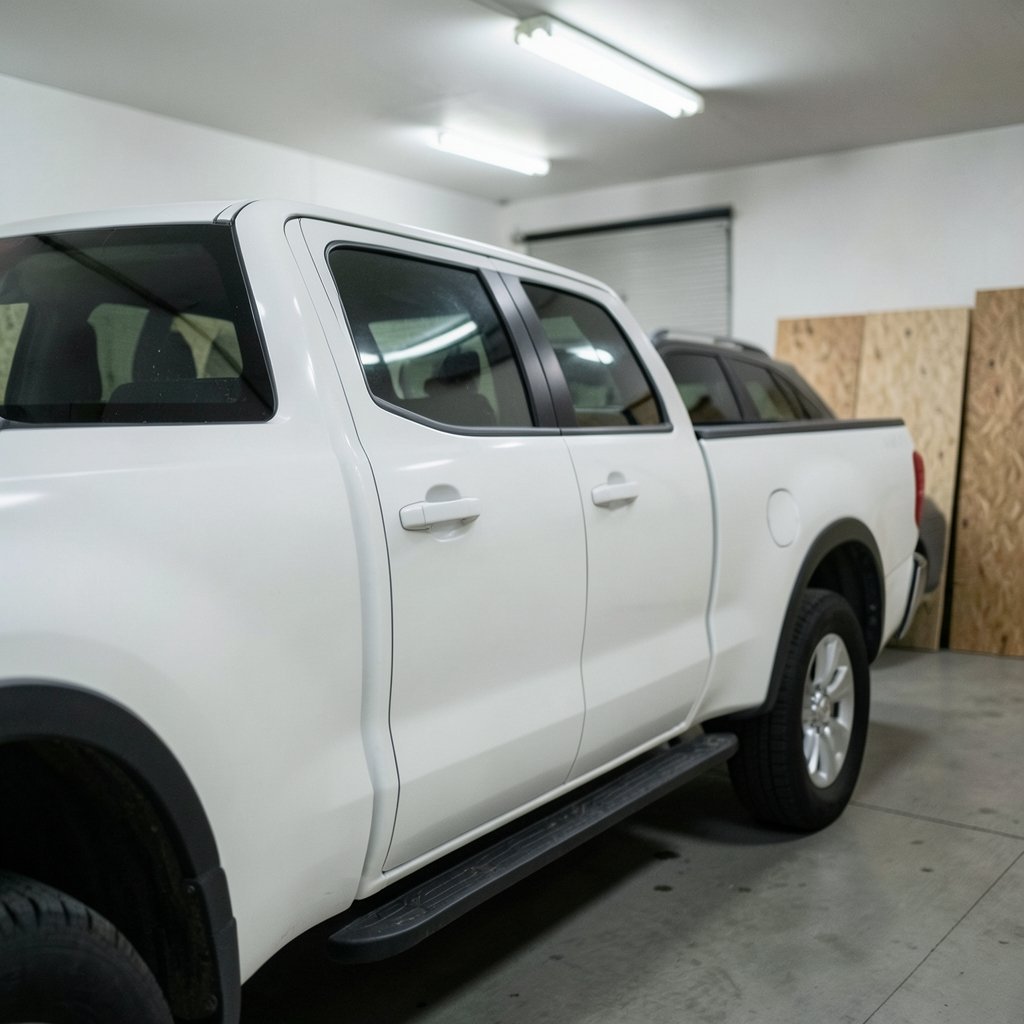
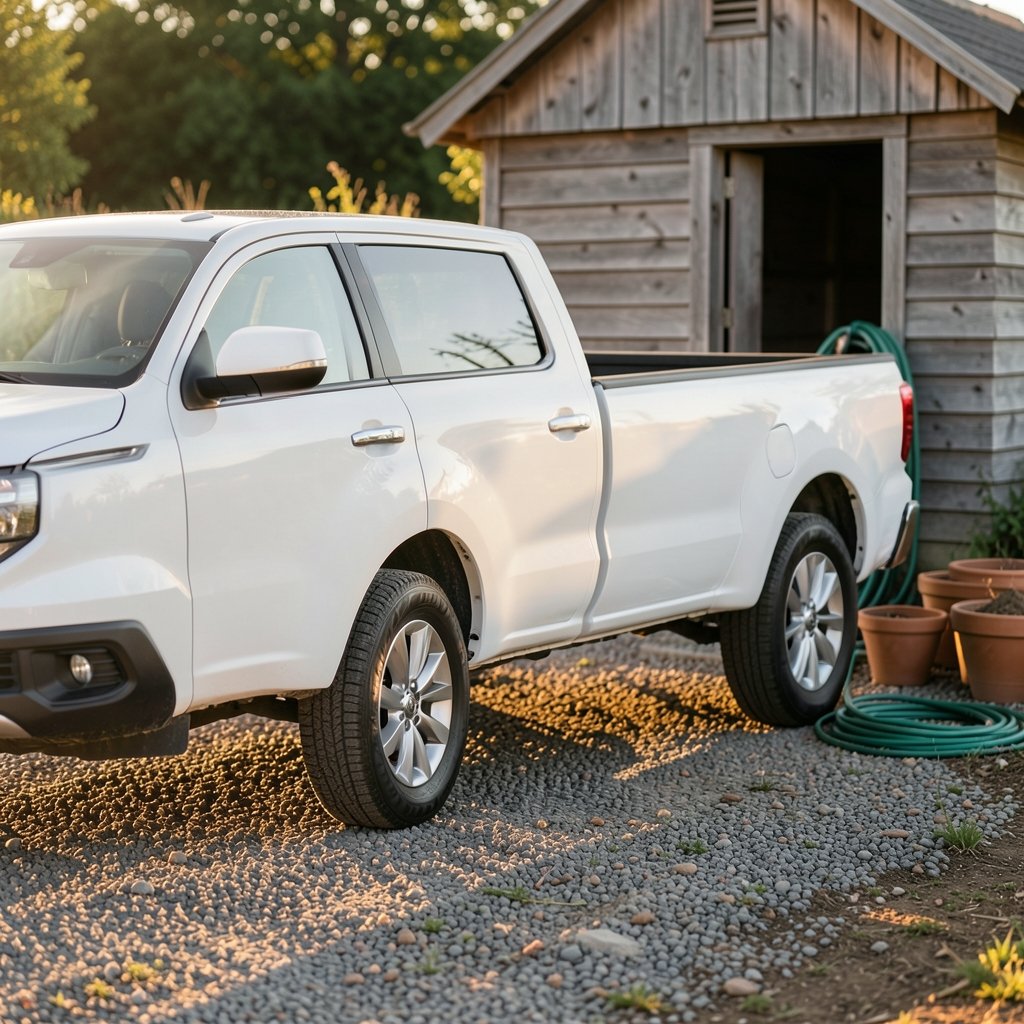
Strip away the speculation and the Ridgeline’s identity is refreshingly clear. It’s a unibody mid-size pickup, sharing platform lineage with the Honda Pilot and Passport SUVs. That single design decision shapes everything else about the truck.
Body-on-frame rivals like the Tacoma and Ranger are built like traditional workhorses: a separate frame under a separate body. The Ridgeline welds them together. The trade-off is real in both directions. You give up some heavy-duty towing headroom and hardcore off-road articulation. You gain a smoother ride, better on-road manners, and a cabin that feels like a family SUV rather than a commercial vehicle.
For a lot of buyers, that’s not a compromise. It’s the whole point.
Powertrain and Drivetrain
As of the 2024 and 2025 model years, the Ridgeline uses a 3.5-liter V6 paired with a 9-speed automatic transmission, with all-wheel drive standard on most trims. That combination has been the truck’s backbone for years, and it’s a known quantity: adequate power for daily duty, smooth shifting, and no drama.
Whether that carries into 2027 is unconfirmed. Honda has been steadily expanding hybrid powertrains across its lineup, which fuels the most common rumor about the Ridgeline’s future. But a company-wide hybrid push is not a product announcement. Treat it as a trend, not a promise.
Fuel Economy Reality
EPA ratings for recent V6 all-wheel-drive Ridgelines have landed in roughly the high-teens to low-20s mpg combined range. That’s mid-pack for a mid-size pickup and noticeably better than some body-on-frame V6 rivals in real-world commuting.
One practical tip from years of watching truck buyers: the EPA combined number matters less than your actual drive cycle. If your week is 80 percent suburban errands and school runs, the Ridgeline’s unibody smoothness and reasonable consumption make far more sense than a lifted off-roader that never leaves pavement. If your week is gravel roads and trailer loads, the math flips.
Safety and Manufacturing
The Ridgeline has earned IIHS Top Safety Pick recognition in some recent model years, though exact 2027 status won’t exist until the institute publishes ratings for that model year. Crash-test results are published per model year, so any 2027 rating is by definition unavailable today.
The truck is assembled at Honda’s Lincoln, Alabama plant alongside the Pilot and Passport. That shared production line is one reason the Ridgeline’s build quality and parts commonality track closely with Honda’s SUVs.
The 2027 Speculation, Ranked by Plausibility
Here’s where most articles lose the plot. Instead of listing rumors as facts, it helps to sort them by how much evidence actually supports them.
| Rumor | Plausibility | What’s Actually Known |
|---|---|---|
| Mid-cycle refresh for 2027 | Moderate | Fits Honda’s historical 3–4 year cadence, but unconfirmed |
| Hybrid powertrain option | Speculative | Honda is expanding hybrids lineup-wide; no Ridgeline confirmation |
| Interior and tech updates | Moderate | Typical of a refresh; no specifics announced |
| Fully redesigned next-gen truck | Low for 2027 | Current gen launched for 2021; redesign timing unknown |
| Significant towing increase | Low | Would likely require a platform change; no signal |
The pattern is telling. The rumors that survive scrutiny are the boring ones: a refresh, some tech updates, maybe electrification. The exciting rumors, like a dramatic towing bump or a hardcore off-road trim, have the least support.
Common Mistakes Truck Shoppers Make With the Ridgeline
A few traps show up again and again when people research this truck.
Mistake one: judging it by body-on-frame standards. Buyers compare payload and towing figures in isolation, conclude the Ridgeline is “weak,” and move on. But if your actual use is hauling mulch, bikes, and furniture, the Ridgeline’s in-bed trunk and flat-folding tailgate are features no rival matches. The trunk alone converts more skeptics than any spec sheet.
Mistake two: trusting a rumored reveal date. Speculative timelines spread fast and get repeated until they feel official. Always trace a claim back to Honda’s newsroom before you plan around it.
Mistake three: ignoring the trim ladder. The Ridgeline’s value story changes dramatically by trim. Base models are fleet-friendly; upper trims add the comfort and tech that make the unibody layout shine. Shopping only the top trim and calling it overpriced misses the point.
Mistake four: forgetting the ownership side. Insurance, tires, and accessories for a unibody truck can differ from body-on-frame expectations. Get quotes before you fall in love with a listing.
If you’re comparing this purchase against other big-ticket tech decisions, the same discipline applies: verify before you commit. That’s the logic behind guides like handheld console prices 2027 confirmed vs reported, which separate confirmed figures from reported ones. Truck shopping deserves the same skepticism.
How the Ridgeline Compares to Its Rivals
The comparison table buyers actually need looks like this:
| Factor | Honda Ridgeline | Body-on-Frame Rivals |
|---|---|---|
| Construction | Unibody | Body-on-frame |
| Ride quality | SUV-like, smooth | Truck-like, stiffer |
| Heavy towing | Moderate | Higher ceiling |
| Off-road capability | Light-duty | Purpose-built trims available |
| Cabin comfort | High | Varies widely |
| Unique storage | In-bed trunk | Typically none |
The takeaway is simple. The Ridgeline wins on daily livability and loses on extreme capability. Buyers who are honest about their use case usually know within five minutes which column they belong in.
What to Do While You Wait for Official Word
If you’re set on a 2027 model, here’s a practical sequence.
- Check Honda’s official newsroom periodically rather than trusting aggregator sites.
- Confirm any fuel economy claim against the EPA’s official ratings for the specific model year.
- Verify safety ratings through the institute that publishes them, per model year.
- Test drive the current model now. The unibody feel, seating position, and bed usability won’t change dramatically even if a refresh arrives.
- Set a decision deadline. If no official 2027 announcement lands by the time you need a truck, buy the current model rather than waiting indefinitely.
That last point is the one most shoppers skip. Waiting has a cost: another year of the vehicle you already own, another year of deferred plans. A refresh is rarely transformative enough to justify an open-ended wait.
The Bigger Picture: Why the Ridgeline Matters
The Ridgeline occupies a strange, useful niche. It’s the truck for people who don’t really want a truck but need truck utility. Honda bet on that thesis with the unibody design, and the bet has aged well as pickups have become family vehicles in everything but marketing.
That’s also why 2027 speculation runs so hot. If Honda adds a hybrid option, the Ridgeline could become the most efficient lifestyle pickup on the market. If it doesn’t, the truck still does what it has always done: carry five people comfortably, swallow weekend gear, and park without drama.
Either way, the smart move is the same. Know the confirmed facts, hold the rumors loosely, and buy based on how you actually drive. For readers who enjoy this kind of verified-versus-rumored breakdown, the same approach shows up in DeepSeek vs ChatGPT vs Gemini judge output quality 2027, where separating measured results from hype is the entire exercise. And if your truck research overlaps with tech purchases, the 10 best AI chatbots GPT-5 Claude under the hood 2027 comparison follows the same evidence-first logic.
Conclusion
The 2027 Honda Ridgeline is, right now, a question rather than an answer. No official announcement exists. The current truck is a well-understood, unibody mid-size pickup with a 3.5-liter V6, a 9-speed automatic, standard all-wheel drive on most trims, strong safety credentials in recent years, and a genuinely useful in-bed trunk. A refresh or hybrid option for 2027 is plausible on Honda’s historical cadence, but it remains speculation until Honda says otherwise.
Buyers who need a truck soon should shop the current model on its real strengths and skip the waiting game. Buyers who can wait should wait with a deadline and a verification habit: check the official newsroom, the EPA ratings, and the safety institute before believing anything else. The Ridgeline rewards honest self-assessment more than almost any vehicle on the market. Know how you drive, and the decision makes itself.
FAQ
Is there an official 2027 Honda Ridgeline yet?
No. There is no verified Honda announcement for a 2027 model year Ridgeline. Any specs, reveal dates, or design details circulating online should be treated as speculative unless they trace back to Honda’s official newsroom.
Will the 2027 Ridgeline be a hybrid?
That’s the most common rumor, and it has some logic behind it. Honda has been expanding hybrid powertrains across its lineup, and a mid-cycle refresh is plausible on the brand’s historical three-to-four-year cadence. But no hybrid Ridgeline has been confirmed. Treat it as a possibility, not a plan.
What engine does the current Ridgeline use?
Recent model years use a 3.5-liter V6 paired with a 9-speed automatic transmission, with all-wheel drive standard on most trims. That combination has been the truck’s core powertrain for years. Whether it carries into 2027 is unconfirmed.
Is the Ridgeline good for towing?
It handles moderate towing fine for a mid-size pickup, but it trails body-on-frame rivals at the top end. The unibody construction that gives the Ridgeline its smooth ride and SUV-like cabin also limits its heavy-duty ceiling. Match the truck to your actual trailer weight, not the maximum figure.
What is the Ridgeline’s biggest advantage over other mid-size trucks?
The in-bed trunk and flat-folding tailgate. No mainstream rival offers comparable lockable, weatherproof storage built into the bed floor. For daily errands, sports gear, and grocery runs, that feature converts more buyers than any horsepower number.
Should I wait for the 2027 model or buy now?
If you need a truck within the next several months, buy the current model on its real merits. A refresh is rarely transformative enough to justify an open-ended wait, and waiting has a real cost in deferred plans. If you can wait, set a firm decision deadline and verify every claim against official sources before committing.