
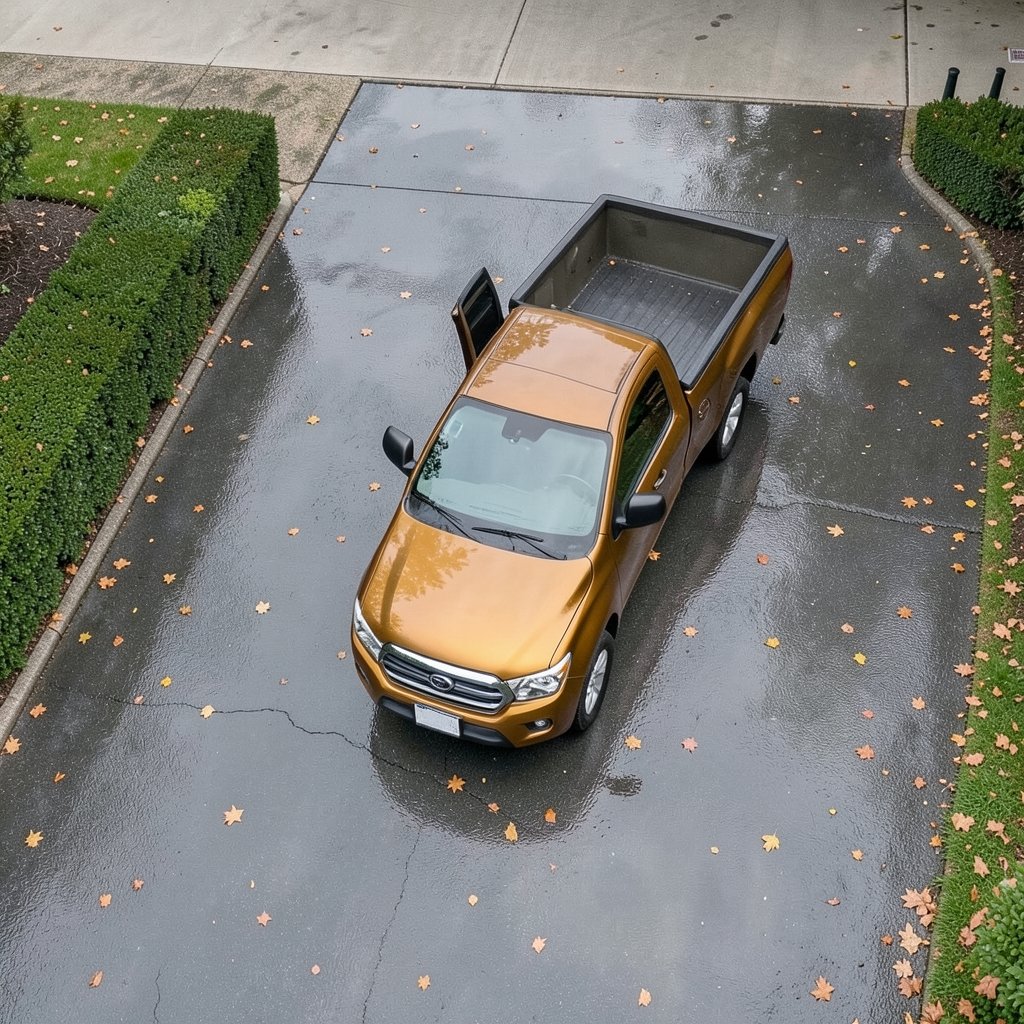
Does a 2027 Honda Ridgeline exist? That question sounds simple, but the honest answer takes a little unpacking. Search for it and you will find dramatic renderings, bold horsepower claims, and headlines that read like Honda already signed off on a redesign. Most of that is speculation dressed up as news.
Here is the reality as it stands. Honda has not publicly announced a 2027 Ridgeline. There is no confirmed redesign, no confirmed powertrain, and no confirmed release date. What does exist is a well-documented current-generation truck, a long history of Ridgeline generations, and a lot of internet noise. This article separates the two, explains what a 2027 model would likely inherit, and tells you what to watch for before you believe any headline. (Best ai translation tools 2027 deepl vs chatgpt vs google)
What the Ridgeline Actually Is
The Ridgeline is Honda’s mid-size pickup, sold in North America since the 2006 model year. The first generation ran from 2006 through 2014. The second generation arrived for the 2017 model year and received a mid-cycle refresh for 2021, which brought revised exterior styling, interior updates, and made Honda Sensing standard across the lineup.
The truck’s defining trait is its unibody construction. It shares architecture with the Honda Pilot and Passport SUVs. That puts it in a different category from body-on-frame rivals like the Ford Ranger, Toyota Tacoma, and Chevrolet Colorado. Unibody construction is why the Ridgeline rides more like a crossover than a traditional truck, and why it has a devoted following among people who haul mulch and kids rather than rock crawlers and trailers.
Recent second-generation trucks use a 3.5-liter V6 from Honda’s J35 engine family, paired with a 9-speed automatic transmission in later model years. The Ridgeline is built at Honda’s Lincoln, Alabama plant alongside the Pilot and Passport.
The Problem With “2027 Ridgeline” Searches

The gap between what exists and what people search for is where misinformation breeds. A “2027 Ridgeline” article could mean three very different things:
| What it refers to | Status | What it means for buyers |
|---|---|---|
| The current-generation truck | Real, in production | You can buy one today |
| A model-year 2027 carryover | Plausible, unconfirmed | Same truck, possibly minor updates |
| A redesigned or electrified 2027 | Pure speculation | No official details exist |
Most articles you will find online fall into that third row. They are speculative renderings or clickbait built on the assumption that a redesign must be coming. That assumption is not unreasonable. The second generation has been around since 2017, and a model-year 2027 vehicle would typically go on sale in calendar 2026. But a reasonable guess is not an announcement.
The practical takeaway: treat any specific 2027 Ridgeline horsepower figure, price, or release date you see online as unverified unless it traces back to an official Honda press release.
Why the Rumors Feel So Convincing
Rumors about the 2027 Ridgeline spread easily for a few structural reasons.
First, model-year naming conventions create false confidence. The industry pattern is that a “2027” vehicle goes on sale in 2026. Writers take that pattern and build a full article around it, complete with a launch timeline that nobody at Honda ever confirmed.
Second, renderings look real. A skilled digital artist can produce an image that reads as an official photo to anyone scrolling quickly. These images get recycled across dozens of sites, each one adding a little more invented detail.
Third, electrification expectations do the rest. Honda has signaled plans to electrify its light-truck lineup, but no specific Ridgeline hybrid or EV timeline has been confirmed. That gap invites speculation, and speculation fills search results fast.
If you have spent time sorting real product news from hype in other categories, you have seen this pattern before. It shows up in the chatbot space too, where 10 best ai chatbots gpt 5 claude under hood 2027 style roundups mix confirmed releases with wishful thinking. The same discipline applies here: find the primary source or discount the claim.
What a 2027 Model Would Likely Inherit
If Honda does release a 2027 Ridgeline, the safest assumption is that it builds on the current truck rather than starting from scratch. Here is what that probably means in practice.
The Powertrain Question
The 3.5-liter V6 is the known quantity. A hybrid variant is the most commonly speculated addition, and it would make sense given Honda’s broader direction. But “would make sense” is not “is happening.” Do not plan a purchase around an unconfirmed hybrid.
The Packaging Advantage
The Ridgeline’s in-bed trunk is the feature owners talk about most. It is a lockable, drainable compartment under the bed floor, and no competitor offers anything quite like it. The dual-action tailgate, which swings down or out to the side, is another Ridgeline signature. Any redesign would be under pressure to keep both.
The Ride and Handling Trade-off
Unibody construction gives the Ridgeline a comfort edge on pavement. It also caps traditional truck capability. If you need serious towing or off-road hardware, a body-on-frame truck remains the better fit. That trade-off is unlikely to change, because it is baked into the platform philosophy.
How to Judge a 2027 Ridgeline Claim in 60 Seconds
Before you trust any article, run a quick check. These steps take about a minute and will filter out most junk.
- Look for a named source. Does the article cite an official Honda press release, or does it say “reportedly” and “rumored”?
- Check the date. A two-year-old speculation piece republished with a new headline is still speculation.
- Search for the announcement directly. If Honda had confirmed a 2027 Ridgeline, the news would be everywhere, not buried on one site.
- Treat renderings as art, not evidence. A polished image proves someone has Photoshop, nothing more.
- Ask what is missing. No price, no specs, no on-sale date, no official quote? That is a warning sign.
This same verification habit pays off across product categories. People comparing handheld console prices 2027 confirmed vs reported you face the identical problem: confirmed figures and reported figures get blended together until nobody can tell which is which.
Common Mistakes Buyers Make
A few traps catch people researching the 2027 Ridgeline.
Waiting for a truck that may not come. If you need a mid-size truck this year, waiting on an unconfirmed redesign can cost you months. The current Ridgeline is a real, available vehicle.
Assuming a redesign means a better truck. First-year redesigns often bring teething issues. A late-cycle current-generation model is usually the more sorted product.
Confusing the Ridgeline with a work truck. The unibody platform, the V6, and the comfort-first tuning all point to a lifestyle truck. Buyers who need maximum payload or heavy towing should look at body-on-frame options instead of hoping a 2027 model changes the formula.
Overweighting forum speculation. Owner forums are genuinely useful for real-world experience, but they are also where rumors gain momentum. Read them for ownership insight, not for product announcements.
Where the Ridgeline Fits Against Rivals
The competitive picture matters because it shapes what Honda might do with a 2027 model. Here is how the categories break down.
| Factor | Honda Ridgeline | Body-on-frame mid-size rivals |
|---|---|---|
| Construction | Unibody | Body-on-frame |
| Ride comfort | Strong on pavement | Firmer, truck-like |
| Towing ceiling | Lower | Higher |
| Bed features | In-bed trunk, dual-action tailgate | Conventional beds |
| Off-road hardware | Limited | Widely available |
| Best fit | Daily driving, light hauling | Heavy work, trails |
The Ridgeline wins on comfort and clever packaging. It loses on raw capability. A 2027 redesign could narrow that gap, but nothing confirmed suggests it will.
What to Watch For
If you want to track the 2027 Ridgeline story properly, focus on primary sources. Official Honda press releases are the only place a real announcement will appear first. Model-year updates, powertrain changes, and production news all flow through that channel before anywhere else.
Secondary signals are worth monitoring too. Fuel-economy data published by model year can confirm a powertrain change before a formal announcement. Safety ratings and recall data by model year tell you when a new generation has actually arrived. Plant information confirms where a truck is built. None of these replace an official statement, but together they form an early-warning system.
The pattern to expect: if a 2027 Ridgeline is real, you will see an official release, then spec sheets, then pricing, then dealer inventory. If you only ever see renderings and “reportedly,” you are looking at speculation.
Should You Wait for a 2027 Ridgeline?
Probably not, unless your timeline is flexible and your interest is curiosity rather than need.
If you want a comfortable mid-size truck for daily driving and light hauling, the current Ridgeline delivers that today. If you need heavy towing or serious off-road capability, no confirmed 2027 model changes the math, and a body-on-frame rival is the smarter buy now. If you simply enjoy following product news, keep an eye on official channels and enjoy the speculation for what it is.
The one scenario where waiting makes sense is if you are specifically holding out for an electrified Ridgeline. Just go in knowing that timeline is unconfirmed, and it could stretch longer than you expect.
Conclusion
The 2027 Ridgeline is, as of now, a question rather than a product. Honda has not announced it. No redesign, powertrain, price, or release date has been confirmed. What exists is a solid current-generation truck with a clear identity, a well-documented history, and an internet full of speculative renderings pretending to be news.
That is not a disappointing answer. It is a useful one. Knowing what has not been confirmed protects you from bad purchasing decisions and from headlines designed to harvest clicks. The Ridgeline story will get real details eventually, and when it does, they will come from Honda first. Until then, the smart move is to enjoy the rumors, verify everything, and buy the truck that actually exists if you need one now.
FAQ
Is there a confirmed 2027 Honda Ridgeline?
No. Honda has not publicly announced a 2027 Ridgeline, and no redesign, powertrain, or release date has been confirmed. Claims you see online should be treated as speculation unless they trace back to an official Honda press release.
When would a 2027 model year vehicle typically go on sale?
Following normal industry patterns, a model-year 2027 vehicle would usually go on sale in calendar 2026. That is a general convention, not a confirmed timeline for the Ridgeline specifically.
Will the 2027 Ridgeline be a hybrid or electric?
That is unconfirmed. Honda has signaled plans to electrify its light-truck lineup, but no specific Ridgeline hybrid or EV timeline has been announced. Do not plan a purchase around an unconfirmed powertrain.
What engine does the current Ridgeline use?
Recent second-generation Ridgelines use a 3.5-liter V6 paired with a 9-speed automatic transmission in later model years. That is the known, documented spec for the current truck.
Where is the Honda Ridgeline built?
The Ridgeline is built at Honda’s Lincoln, Alabama plant, alongside the Pilot and Passport. Production location is a useful signal when tracking whether a new generation has actually launched.
How is the Ridgeline different from a Ford Ranger or Toyota Tacoma?
The Ridgeline uses unibody construction shared with Honda’s SUVs, while the Ranger, Tacoma, and Colorado are body-on-frame trucks. That gives the Ridgeline a comfort edge on pavement but a lower ceiling for heavy towing and hard off-road use.



