
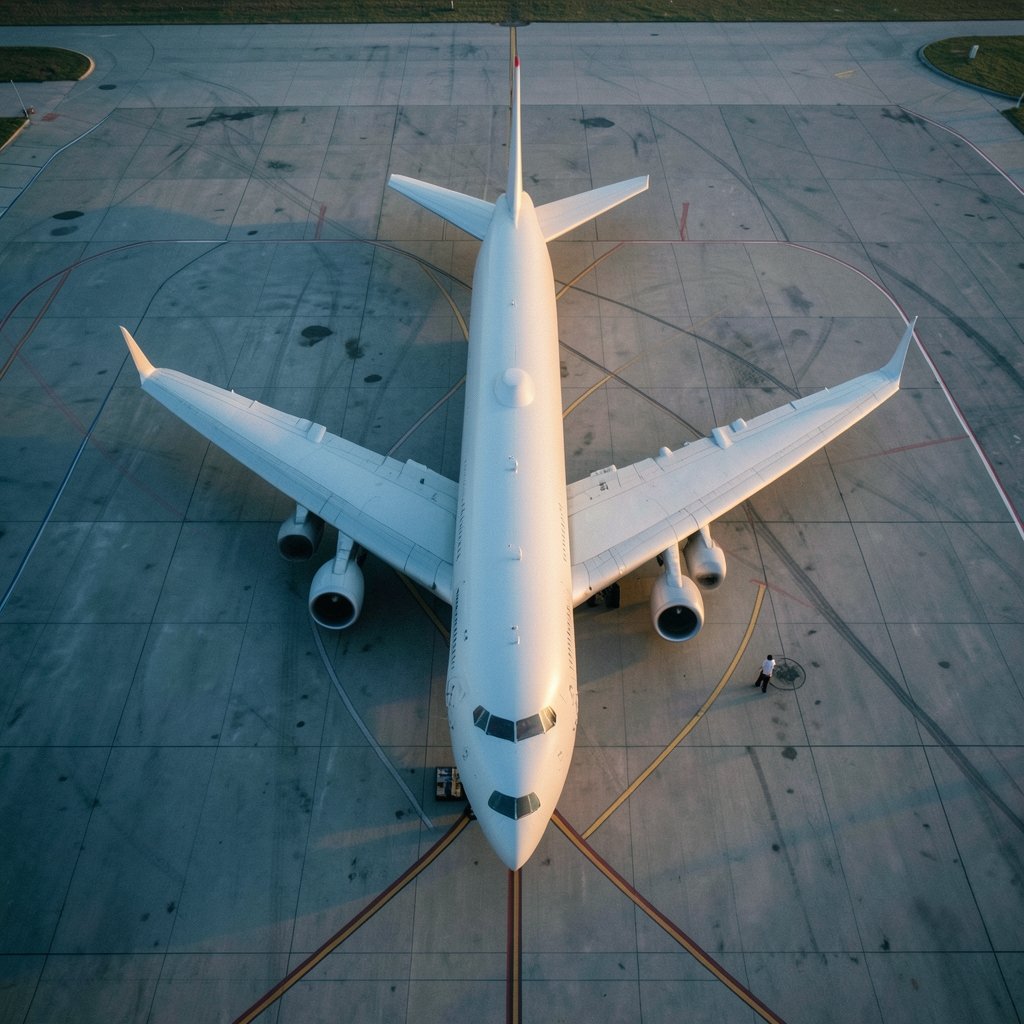
What keeps a 54-year-old airplane design worth discussing in an era of twin-engine efficiency? Ask anyone who has climbed the stairs to the upper deck of a Boeing 747, and you will get a story instead of a spec sheet. The 747 plane is a machine that changed air travel: it turned long-haul flying from a luxury into something a schoolteacher could afford. This article walks through how the jumbo jet came to be, what makes its shape so unusual, how the variants differ, and why the last one ever built rolled out of a factory in early 2023 with a crowd watching.
How the 747 plane came to exist
In the mid-1960s, Boeing was bidding on a huge U.S. Air Force contract for a very large strategic transport. Boeing lost that competition, but the engineering work did not go to waste. The company bet that airlines would soon need something far bigger than the narrow-body jets of the day, and it poured that research into a commercial design.
The prototype, known as RA001 and nicknamed “City of Everett,” made its first flight on 9 February 1969 from Everett, Washington. Less than a year later, on 22 January 1970, Pan American World Airways put the 747 into service on the New York to London route. That gap between first flight and passenger service was remarkably short for an aircraft of this complexity, and it came with real teething problems that early crews had to work through in operation.
The timing mattered. Air travel was expanding fast, airports were congested, and slot restrictions at major hubs meant airlines could not simply add more flights. A plane that carried roughly three times the passengers of a 707-era jet solved a capacity problem that no amount of scheduling could fix.
Why the 747 has that famous hump
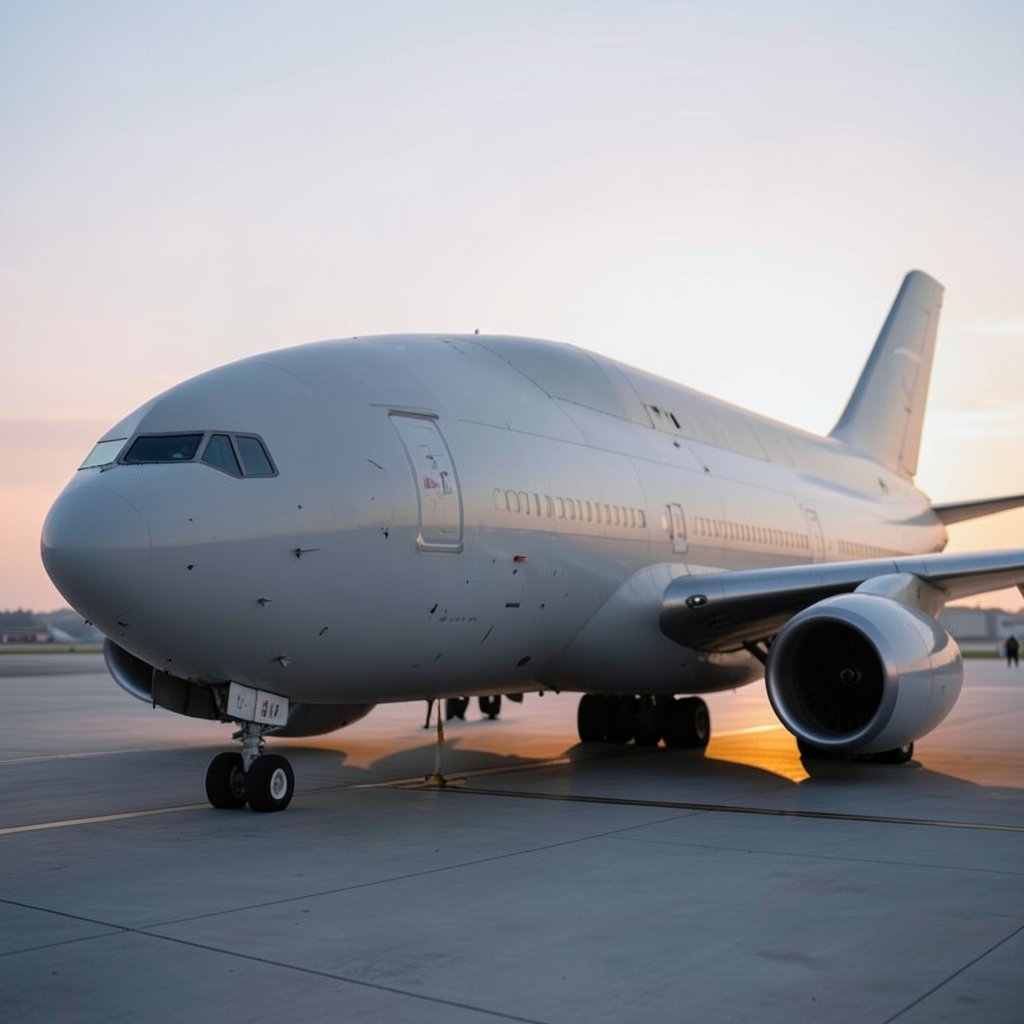
Look at a 747 from the side and the first thing you notice is the upper deck bulge behind the cockpit. That shape was not a styling choice. The design was conceived from the start as a convertible passenger and freighter aircraft, and the cockpit was placed above the main deck so that the nose could swing open for front-loading cargo.
That single decision shaped everything else. The raised cockpit created the hump, which gave airlines a premium cabin and a lounge space that became a marketing asset in its own right. It also created one of the most recognizable silhouettes in aviation history. The Smithsonian National Air and Space Museum’s collection entries on the 747 explain this freighter-first design logic in detail, and it is worth reading if you want to understand how cargo requirements quietly dictated the look of the most famous airliner ever built.
In practice, the hump turned out to be a commercial gift. Passengers paid extra to sit up there. Airlines got a differentiated product. And freight operators got a loading door that let them slide engines and outsized machinery straight into the fuselage.
The variants that mattered
The 747 family grew across six decades. Not every version sold well, and a couple were outright commercial disappointments, but the lineup tells the story of how the aircraft adapted.
| Variant | Roughly when it arrived | What it changed |
|---|---|---|
| 747-100 | Late 1960s into 1970 | The original; proved the concept |
| 747-200 | 1970s | More range and higher payload |
| 747-300 | 1980s | Stretched upper deck |
| 747-400 | Late 1980s | The best-selling variant; two-crew cockpit |
| 747-400ER | 2000s | Extended range |
| 747-8 | 2010s | New engines, longer fuselage, passenger and freighter versions |
The 747-400 is the one most travelers actually flew on. It became the workhorse of long-haul fleets for two decades and introduced a glass cockpit that cut the flight crew from three to two. The 747-8 came last. Its Intercontinental passenger version is the longest airliner ever built at about 250 feet, and its Freighter sibling became the final configuration to leave the production line.
Range figures vary by model and engine choice, so treat any single number with caution. The 747-400 family generally lands in the range of roughly 7,260 to 7,670 nautical miles depending on configuration. That is enough for most long-haul city pairs, which is precisely why the aircraft stayed relevant for so long.
Who flew the 747 plane
Historically, Japan Airlines was among the largest operators of the type, and British Airways and Lufthansa were long-term major operators with large fleets. Rankings shift over time as airlines retire aircraft, so any claim about the “biggest ever operator” needs a date attached to it.
What is not in dispute is the aircraft’s cultural reach. The 747 carried presidents, popes, and rock bands. It starred in films. It became shorthand for international travel itself. For a generation of passengers, the walk through the forward door and past the staircase to the upper deck was the moment a trip felt real.
Freight is where the 747 quietly did some of its most important work. The freighter variants, particularly the -400F and -8F, carry a large share of global air cargo capacity, helped by that nose-loading door. Exact market-share percentages swing year to year with fuel prices and fleet decisions, so avoid quoting a precise figure unless you have a dated industry source in hand.
Production ends after 54 years
The final 747, a 747-8F freighter, was delivered on 31 January 2023 to Atlas Air. That delivery closed a production run of 1,574 aircraft spanning 54 years. It was an unusual ending for an iconic design: the passenger version had already stopped selling, and the last orders were all cargo.
Two things are worth flagging for anyone reading older material about this aircraft. First, claims that the 747 is the most-produced widebody are outdated; the 777 and A330 families have surpassed its production totals. Second, superlatives about safety records need dated, sourced backing rather than repetition. The 747 has a strong record, but “safest airliner” is a statement that requires careful definition and current data.
For readers who want the regulatory side, the FAA Type Certificate Data Sheet for the 747 family is the authoritative airworthiness record, and the NTSB aviation accident database provides public-sector accident context. Both are primary sources rather than summaries, which makes them more useful than most secondary write-ups.
What actually works when you fly on one
Practical experience with the 747 comes down to a few things that frequent flyers learn and occasional travelers usually do not.
Seat choice matters more than on other aircraft. The upper deck is quiet and feels like a small private cabin, but it is reached by a narrow staircase and has limited overhead space in some configurations. Main-deck bulkheads near the nose offer extra legroom but put you next to the galley. Exit-row seats over the wing are roomy but loud.
Boarding is slower than you expect. Two aisles and up to ten abreast in economy means the process takes time. Being early to the gate genuinely helps if you care about overhead bin space.
The ride is smooth in turbulence. The 747’s size and wing design give it a reputation for a comfortable ride in rough air, which is one reason crews and passengers alike developed affection for it.
Check the aircraft type before you book. This is the most common mistake. Airlines swap equipment constantly, and a route that flew a 747 last year may now be served by a twin-engine jet. If flying on a 747 is the point of the trip, verify the equipment type close to departure rather than months out.
There is a broader lesson here that applies well beyond aviation. When you are planning anything complex, the details that look cosmetic often turn out to be structural. The same principle shows up in technology planning, where a well-mapped distributed cloud roadmap plan for 2026 depends on getting the underlying architecture right before the visible features. Aviation and infrastructure both punish shortcuts taken early.
Why the 747 still shapes how we think about scale
The 747’s real legacy is not a single record. It is the proof that a very large system can be made to work economically if the design is honest about its constraints. Placing the cockpit above the main deck to allow nose loading was a compromise that produced an icon. Building a plane that airports initially feared would not fit turned out to be manageable once ground operations adapted.
That pattern repeats across engineering. In cloud infrastructure, the split between a Kubernetes architecture control plane and worker nodes is a similar exercise in deciding what belongs where, and getting that division wrong creates problems that no amount of tuning fixes later. The 747 designers made that call early and lived with it for five decades.
The aircraft also changed how organizations thought about control. Airlines had to coordinate larger crews, bigger ground operations, and more complex scheduling. Modern operations teams face the same coordination problem, which is why the idea that GitOps turned Git into the control plane for Kubernetes resonates with people who manage complex systems. One source of truth, checked carefully, beats many people making local decisions.
None of this is a stretch. The 747 was a systems project as much as an aircraft, and the lessons transfer cleanly. If you want a deeper treatment of how control planes and data planes separate responsibilities, the service mesh architecture explained through its control plane and data plane is a useful parallel. The vocabulary is different, but the design instinct is the same one that put the cockpit above the cargo door.
Conclusion
The 747 plane left production in January 2023, but it has not left the story of aviation. It made mass long-haul travel affordable, gave the world one of its most recognizable shapes, and proved that a design built around freight could become the most beloved passenger aircraft of its era. Plenty of 747s still fly as freighters, and a few passenger examples remain in service with airlines that value the capacity. If you get the chance to fly on one, take it. Check the equipment type twice, pick your seat with care, and enjoy a piece of engineering history that will not be built again.
Frequently asked questions
When did the 747 first fly?
The prototype, RA001, first flew on 9 February 1969 from Everett, Washington. It entered passenger service with Pan American World Airways on 22 January 1970 on the New York to London route.
Why does the 747 have a hump?
The cockpit sits above the main deck so the nose can open for front-loading cargo. The aircraft was designed from the start as a convertible passenger and freighter, and the raised cockpit created the upper-deck bulge as a side effect that turned into a marketing feature.
How many 747s were built?
A total of 1,574 aircraft were produced over a 54-year run. The final example, a 747-8F freighter, was delivered to Atlas Air on 31 January 2023.
Which 747 variant sold the best?
The 747-400 was the best-selling variant. It introduced a two-crew glass cockpit and became the long-haul workhorse for many airlines through the 1990s and 2000s.
Is the 747 still flying?
Yes. Freighter versions remain in active service with cargo carriers, and a small number of passenger aircraft still fly with selected airlines. Most major passenger fleets retired the type in favor of more fuel-efficient twin-engine jets.
Is the 747 the most-produced widebody airliner?
No. That claim is outdated. The 777 and A330 families have both surpassed the 747’s total production, so any statement calling the 747 the most-produced widebody needs to be checked against current figures before it is repeated.



