
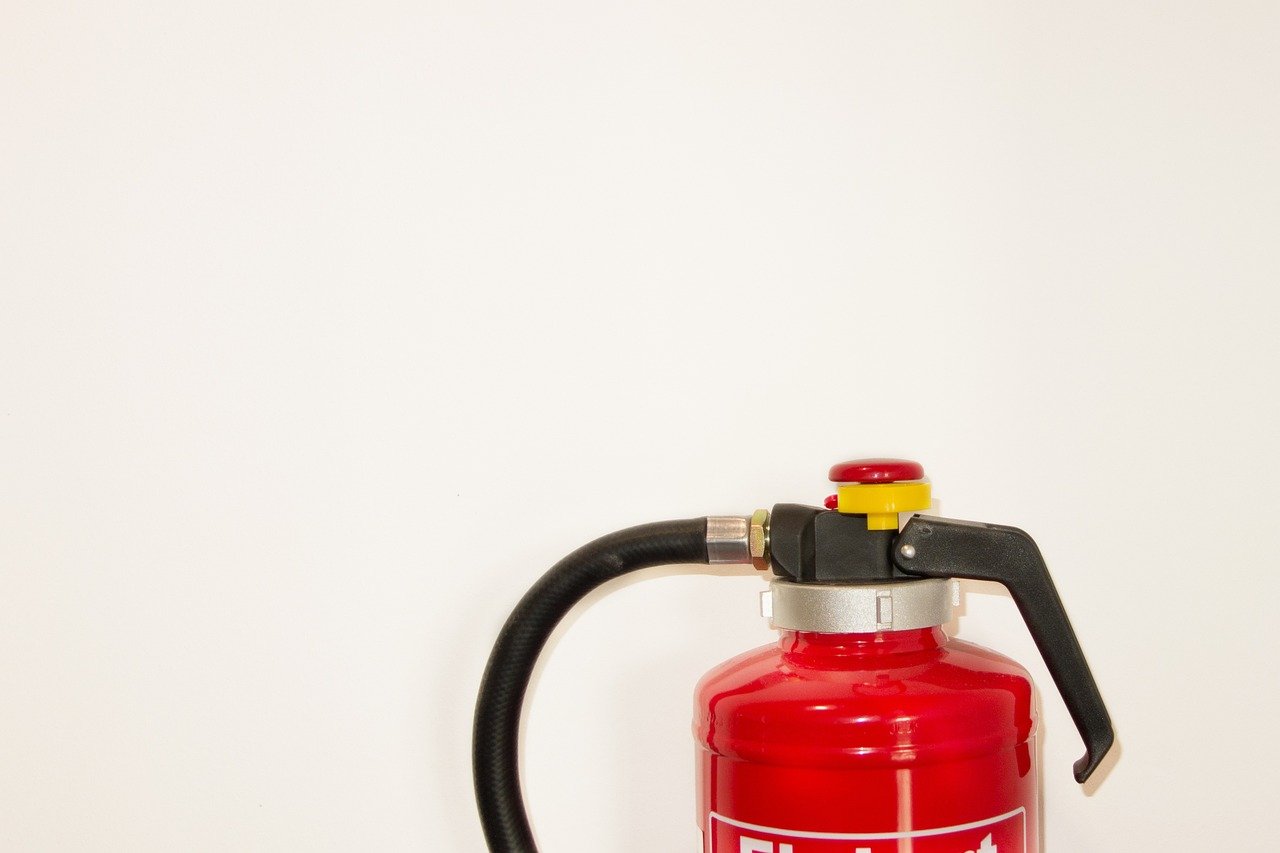
What do a stack of old newspapers, a wooden deck, and a cotton sofa have in common? They all burn in ways that a Class A fire extinguisher is built to handle. And if you grab the wrong extinguisher for that kind of fire, you can make things worse instead of better.
This guide walks through what a Class A extinguisher actually is, how ratings work, where it belongs in a home or workplace, and the mistakes people make when they buy one. It is written for anyone who has ever stood in an aisle staring at a wall of red cylinders and felt completely lost.
What Counts as a Class A Fire?
A Class A fire involves ordinary combustible solids. Think wood, paper, cloth, rubber, and many common plastics. These materials share two traits: they burn hot and leave behind ash and embers. That leftover ash is one of the clearest signs you are dealing with a Class A fire rather than a grease fire or an electrical fire.
The classification is not a marketing invention. It is a long-standing standard used both in the United States under NFPA 10 and in Europe under the EN 2 system. Both frameworks separate fires by the fuel involved, because the fuel determines which extinguishing agent will actually work.
A few everyday examples help make the category concrete:
- A wastebasket full of paper that catches from a discarded cigarette
- A wooden fence or deck that ignites near a grill
- Cardboard boxes stacked in a garage or storage room
- Cotton curtains, upholstered furniture, or clothing
- Rubber tires and some plastic components
Notice what is not on that list: cooking oil, gasoline, and live electrical equipment. Those belong to other classes, and the distinction matters enormously when seconds count.
How the Labeling Works
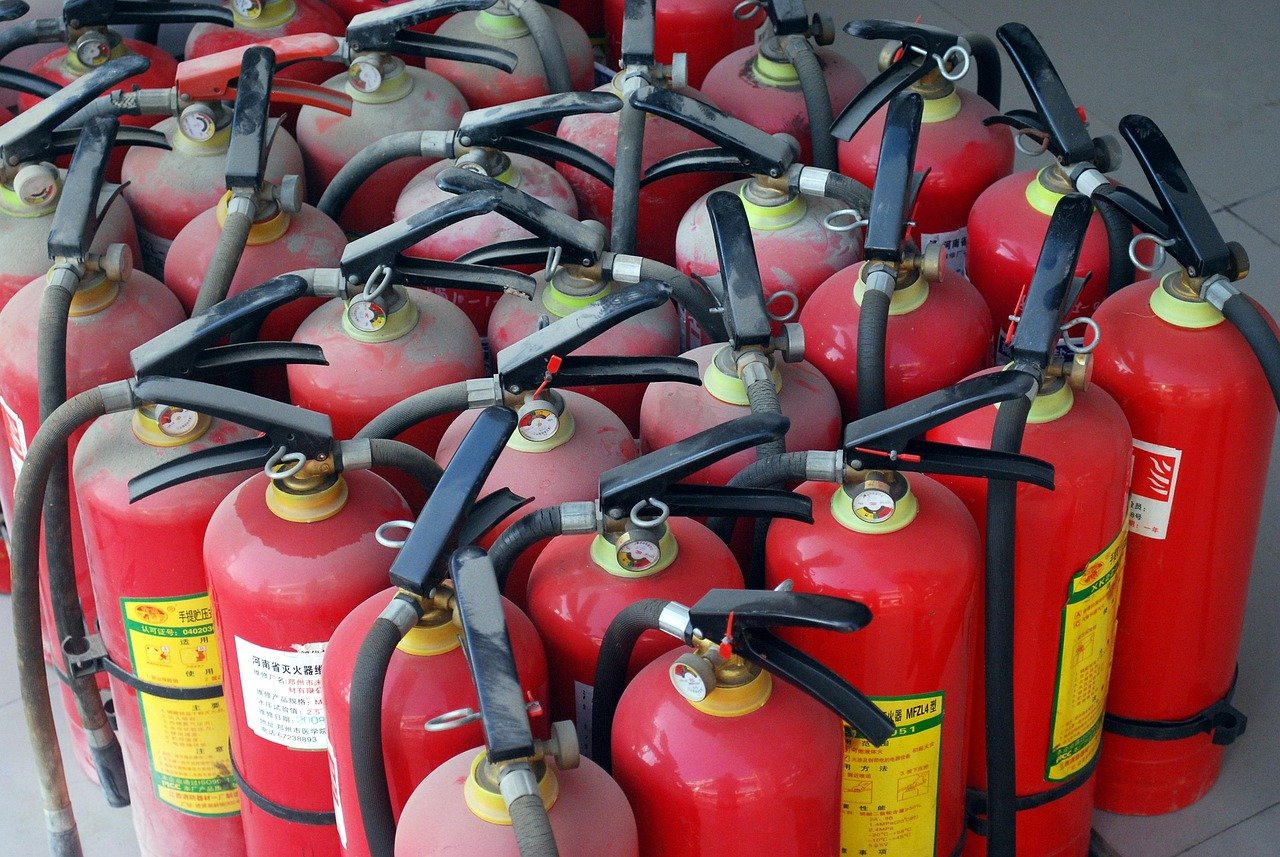
Fire extinguisher labels follow different conventions depending on where you live, and mixing them up is a common source of confusion.
In the United States, NFPA 10 uses letter-shaped pictograms. Class A is marked with a green triangle. Class B uses a red square, and Class C uses a blue circle. Once you know the color-and-shape code, scanning a row of extinguishers becomes fast.
In Europe, EN 3-7 uses pictograms instead of letters. The Class A pictogram shows a burning wastebasket. There is no green triangle in that system, which trips up people who have learned the American scheme and then travel or work internationally.
| System | Class A Marker | Notes |
|---|---|---|
| U.S. (NFPA 10) | Green triangle with the letter A | Letters plus color-shape pictograms |
| Europe (EN 3-7) | Pictogram of a burning wastebasket | No letter codes on the label |
If you are responsible for equipment in a building that mixes international staff or imported products, check both the label and the user manual. A well-meaning purchase based on the wrong scheme can leave a hazard unprotected.
Reading the Numbers: What 1-A, 2-A, and 4-A Mean
Here is where a lot of people stop reading, and it costs them. Class A extinguishers carry a numerical rating in front of the letter, such as 1-A, 2-A, or 4-A. That number is not a measure of how long the extinguisher lasts or how big the canister is. It reflects how much water-equivalent extinguishing capacity the unit has, based on testing against a wood-crib fire.
The higher the number, the more fire the unit can put out. A 1-A rating represents roughly the equivalent of a small water-based unit, while a 4-A unit carries substantially more capacity. For a home, a 2-A or higher rating is a reasonable target for general protection. For a commercial space with heavy fuel loads, the required rating climbs quickly.
The practical takeaway: two extinguishers with identical physical size can carry very different ratings. Always read the label rather than judging by weight or appearance.
Which Extinguishing Agents Work on Class A Fires
Several agents handle Class A fires, and each has trade-offs. Choosing well means matching the agent to both the setting and the fire class.
Water
Water is the classic Class A agent. It cools the fuel below its ignition point and soaks into porous materials, which is why it is so effective on deep-seated embers in wood or cloth. The catch is that water is dangerous on live electrical equipment and spreads flaming liquids rather than smothering them. A plain water extinguisher is a specialist tool, not a universal one.
Multi-Purpose Dry Chemical (ABC)
ABC dry chemical extinguishers are the most common general-purpose type sold today. They are rated for Class A, B, and C fires, which makes them the default choice for homes, offices, and vehicles. They work by interrupting the chemical chain reaction of the fire.
The downside is cleanup. The fine powder settles everywhere, can damage electronics, and is abrasive. It also offers less deep-seated cooling than water, so a smoldering pile of paper may re-ignite after the visible flames are out.
Foam
Foam is sometimes used on Class A fires but is primarily a Class B agent. It blankets the fuel and blocks oxygen. Foam formulations have been under scrutiny because some contain PFAS compounds, and regulations in several jurisdictions have been changing. Anyone specifying foam should confirm the current status in their area rather than assuming last year’s guidance still applies.
Wet Chemical and Other Specialized Agents
Wet chemical agents are designed mainly for cooking-oil fires, but some formulations carry Class A ratings as well. These are niche products. For most readers, the realistic choice comes down to water versus ABC dry chemical, with foam appearing in industrial settings.
Matching the Extinguisher to the Space
Selection and placement are governed by NFPA 10 in the U.S. and by EN 3 plus local building codes in Europe. Travel distance and hazard level determine the required rating, which is why a single small extinguisher near the door is not automatically adequate for a large room.
In practice, a sensible approach looks like this:
- Identify the fuels present in each area. Paper storage, woodworking, textiles, and general office clutter all point to Class A risk.
- Check what other classes are present. If electronics or flammable liquids share the space, an ABC unit covers more ground.
- Match the rating to the hazard. Light hazard areas need less capacity than areas with heavy combustible loading.
- Confirm mounting and signage meet the local code. An extinguisher hidden behind a coat rack might as well not exist.
- Schedule inspections. Portable units need periodic checks, and workplace rules in many countries require documented maintenance.
For anyone setting up a workspace or a home office, the same logic that applies to other safety equipment applies here: pick the tool for the actual risk, then make sure everyone knows where it is. That principle shows up in all kinds of practical guides, from a breakdown of web application firewall basics for beginners to a walkthrough of how to build a fire pit that is safe and legal. The pattern is the same: understand the hazard first, then choose the control.
Common Mistakes People Make
A few errors come up again and again, and each one is easy to avoid once you know about it.
Buying by size instead of rating. A compact extinguisher can carry a respectable rating, and a bulky one can carry a weak one. Read the number.
Assuming one extinguisher covers everything. An ABC unit is versatile, but it is not ideal for every situation. A kitchen with a deep fryer needs a different approach entirely.
Skipping the pressure check. A gauge sitting in the red zone means the unit will not work. This is a two-second check that people routinely forget for years.
Storing it out of sight. Behind furniture, under a sink, or in a locked cabinet defeats the purpose. It should be visible, reachable, and mounted at a sensible height.
Never practicing the PASS technique. Pull the pin, Aim at the base of the fire, Squeeze the handle, Sweep side to side. Reading those words is not the same as having done it once with a training unit.
Ignoring re-ignition risk. Class A fires leave embers. After the flames are out, watch the area. A pile of paper or a wooden beam can smolder and flare back up minutes later.
There is a broader lesson buried in that list, and it applies well beyond fire safety. Knowing how a tool actually behaves, rather than how it is advertised, is what separates a useful purchase from a decorative one. The same idea runs through a comparison of SD card speed classes and which one your camera needs and through a look at what classroom screen tools actually do and when they help. Specifications only matter when you understand what they are measuring.
When to Fight and When to Flee
An extinguisher is for small, contained fires. That is not a disclaimer; it is the operating rule.
A wastebasket fire, a small patch of burning flooring, or a single smoldering curtain is within reach of a portable unit. A fire that has spread across a wall, filled a room with smoke, or blocked your exit is not. Get out, close the door behind you, and call for help.
Before using any extinguisher, confirm three things: everyone is out or leaving, the fire is small and not spreading rapidly, and you have a clear path to an exit behind you. If any of those fail, the extinguisher stays on the wall. No possession is worth a life, and no portable unit is designed to fight a room-and-contents fire.
It also helps to know your limits physically. Extinguishers are heavier than they look when fully charged, and a 10-pound unit gets tiring fast. Discharge time is measured in seconds, not minutes, so accuracy matters more than strength.
Maintenance and Inspection Basics
An extinguisher that has never been checked is a gamble. Workplace rules in many countries require documented inspections, and the general principles are worth applying at home too.
Check the pressure gauge monthly. Look for dents, corrosion, or a damaged hose. Confirm the pin and tamper seal are intact. Shake dry chemical units occasionally to keep the powder from caking, since a settled block of powder will not discharge properly. Follow the manufacturer’s schedule for professional servicing, and replace any unit that has been used, even partially, because a partially discharged dry chemical extinguisher may not hold pressure.
For a deeper look at how ordinary objects and equipment earn their place in daily life, a piece on why Firefox costs nothing to download but Mozilla is worth paying for makes an interesting parallel about value that is not obvious from the price tag. Fire safety equipment works the same way: the cost is visible, the value shows up on the day you need it.
Conclusion
A Class A fire extinguisher is a specific tool for a specific job: ordinary combustibles like wood, paper, cloth, and rubber. The green triangle or the burning-wastebasket pictogram tells you it is rated for that job, and the number in front of the letter tells you how much capacity it carries. Water cools deeply but has limits. ABC dry chemical is versatile but messy. Foam is specialized and evolving.
The real skill is not memorizing labels. It is looking at a space, asking what actually burns there, and choosing equipment that matches the answer. Then checking the gauge once a month, keeping the unit visible, and knowing when to walk away. That combination does more for safety than any single purchase.
Frequently Asked Questions
What is a Class A fire extinguisher used for?
It is used on fires involving ordinary combustible solids such as wood, paper, cloth, rubber, and many plastics. These fires leave ash and embers, which distinguishes them from grease fires and electrical fires. A Class A rated unit is the right choice for a garage full of cardboard, a woodworking shop, or a living room with upholstered furniture.
Can an ABC extinguisher be used on a Class A fire?
Yes. Multi-purpose dry chemical extinguishers rated ABC cover Class A, B, and C fires, which is why they are the most common general-purpose type sold. The trade-off is cleanup: the powder is fine, abrasive, and settles into every surface. It also provides less deep cooling than water, so smoldering material should be watched for re-ignition.
What do the numbers like 1-A and 4-A mean?
The number reflects how much water-equivalent extinguishing capacity the unit has, based on testing against a wood-crib fire. A 1-A unit has less capacity than a 2-A unit, and a 4-A unit has substantially more. The number is not a measure of physical size or discharge duration, so two similarly sized extinguishers can carry very different ratings.
Is water safe to use on a Class A fire?
Water is the classic Class A agent and is very effective because it cools the fuel and soaks into porous materials. It is not safe on live electrical equipment and it spreads flaming liquids rather than smothering them. That is why plain water extinguishers are specialist tools rather than universal ones.
Where should a Class A extinguisher be placed?
Placement is governed by NFPA 10 in the U.S. and by EN 3 plus local building codes in Europe, with travel distance and hazard level determining the required rating. In practical terms, keep the unit visible, reachable, and mounted at a sensible height, and make sure everyone in the building knows where it is. An extinguisher hidden behind furniture or stored in a locked cabinet is effectively useless.
How often should a fire extinguisher be checked?
Check the pressure gauge monthly and look for dents, corrosion, damaged hoses, and broken tamper seals. Shake dry chemical units occasionally so the powder does not cake. Follow the manufacturer’s schedule for professional servicing, and replace any unit that has been discharged even partially, since it may no longer hold pressure.



