
A low advertised payment matters only if a Ford truck deal fits your needs, terms, and total cost. You can compare offers more fairly by starting with the work, travel, and daily use you expect from the vehicle. Then set a budget that includes the amount due at signing and future payments.
APR means annual percentage rate, the yearly cost of borrowing expressed as a percentage. Current offers depend on your location, selected configuration, eligibility, and Ford dealer inventory. The same advertised offer may not apply to every buyer or truck.
Decide what you need the truck to do and how much you can spend before looking at promotions. A useful comparison holds the configuration steady and weighs the full offer, not just the monthly payment. Start with the job you need the vehicle to do, then compare offers on the same configuration.
Key Takeaways
- Choose a truck based on your daily use and work needs.
- Compare the same model, trim, cab, bed, and drivetrain.
- Check local terms, eligibility, and dealer inventory.
- Review the full cost, not only the monthly payment.
- Get the final offer in writing before you decide.
How Should You Compare Ford Truck Deals?
Two offers are comparable only when they cover the same truck configuration and the same buyer circumstances. Start with your ZIP code, since regional offers and participating Ford dealers can differ. Your location helps show which Ford truck deals are near you.
Match the model, trim, cab, bed, and drivetrain before judging either amount. A different setup can change the listed price, even when two listings share a model name. Ford truck deals near you may also include separate manufacturer incentives and dealer discounts.
Compare the same truck configuration and buyer circumstances before treating one offer as better.
The Ford Incentives Portal lets you check current offers by location and model. Ford Credit financing terms and manufacturer cash offers are separate parts of an offer, and each may have different eligibility rules. Read the terms for the specific offer rather than assuming both apply to you.
Keep a record of the offer details you review. Note the model and configuration, the participating Ford dealer, any stated conditions, and the date the offer ends. That record helps you compare two written offers without relying on a headline alone. Save the offer’s expiration date and eligibility conditions alongside its advertised amount.
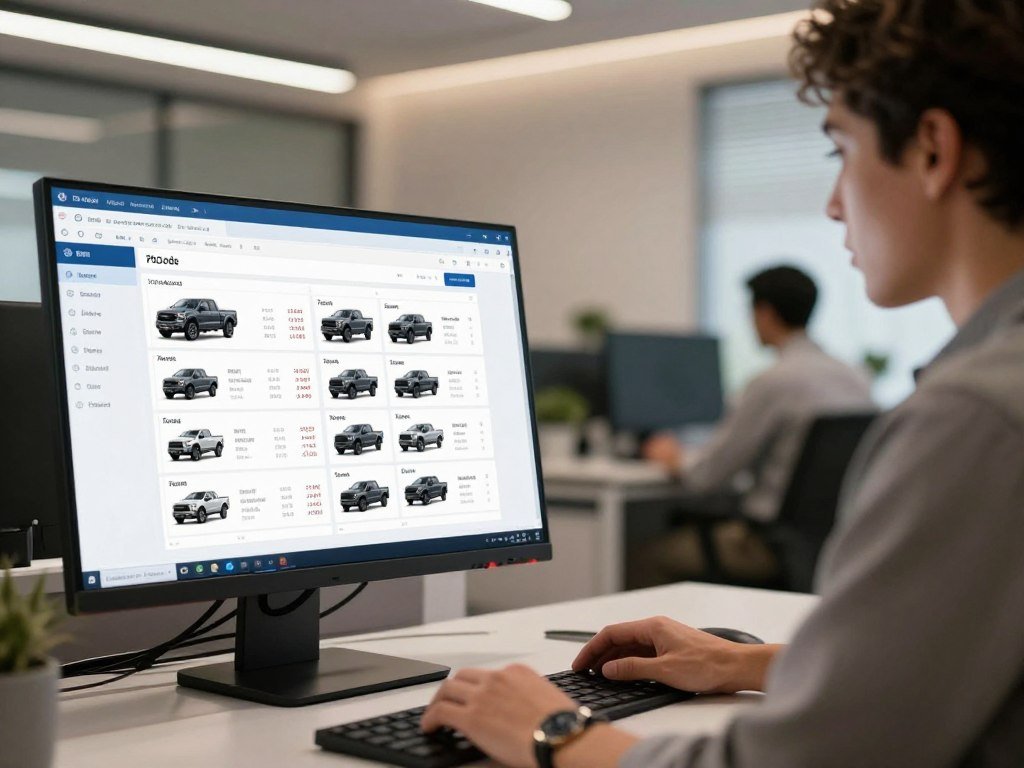
Which Ford Truck Model Fits Your Needs?
A compact pickup, a midsize pickup, a full-size pickup, and a heavy-duty pickup serve different kinds of work and daily use. Your day-to-day needs can help narrow the list, though no one model suits every buyer. Cab, bed, drivetrain, and trim also affect how a truck fits your routine.
The Ford F-150 is the full-size choice for shoppers balancing everyday use with a broad range of work needs. Compare its exact setup with the smaller Ford Maverick and Ford Ranger, or the heavy-duty Ford F-350. The right fit depends on the space, comfort, and capability you need.
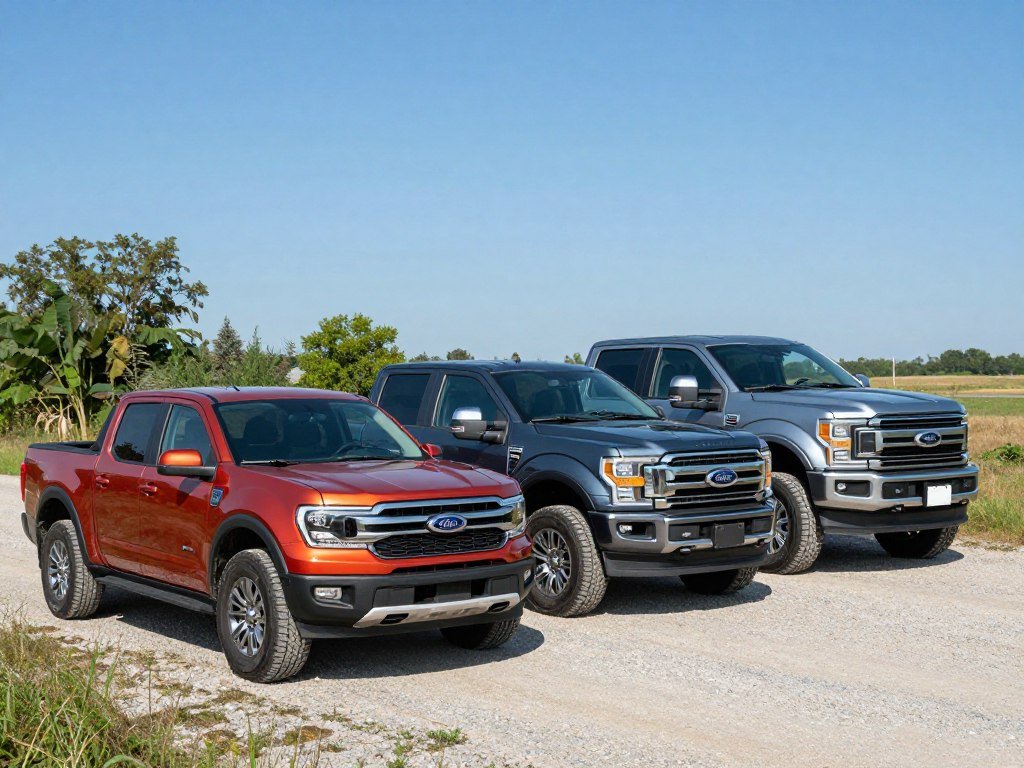
| Model | Size class | Typical fit | Configuration consideration |
|---|---|---|---|
| Maverick | Compact | Commuting and lighter-duty utility | Compare available bed and powertrain choices |
| Ranger | Midsize | Mixed daily driving and work | Compare cab and drivetrain |
| F-150 | Full-size | Everyday use and varied work needs | Compare cab, bed, and trim |
| F-350 | Heavy-duty | Heavier work and towing needs | Check the exact configuration and ratings |
Maverick and Ranger for Everyday Use
The Ford Maverick is a compact pickup, while the Ford Ranger is a midsize pickup. Either may fit daily driving and lighter utility, depending on the equipment and space you need. Compare available bed choices and powertrains on the Maverick, and cab and drivetrain options on the Ranger.
Your truck choice can also depend on passenger space, terrain, and hauling plans. A vehicle comparison by riding style and cargo use can help you think through how intended use shapes a shortlist, though UTV details do not apply to Ford trucks.
F-150 and Super Duty for More Capability
The F-150 gives you a full-size pickup for varied daily and work demands. Ford Super Duty includes the F-350, a heavy-duty pickup for shoppers with greater work needs. Compare the exact configuration, since the model name alone does not tell you how a particular truck will fit.
Shortlist by the job and the space you need before comparing trim-level prices.
What Sets a Ford Truck’s Advertised Price?
A price gap between two listings may reflect different equipment rather than a better deal. Compare the details on each vehicle, because trim, cab, bed, drivetrain, and factory-installed options can change its listed price.
An advertised vehicle price is not the same as a dealer discount or a manufacturer incentive. A dealer discount reduces a listed price, while a manufacturer incentive follows its own offer terms. Dealer add-ons can also change the amount presented, so ask which items are optional.
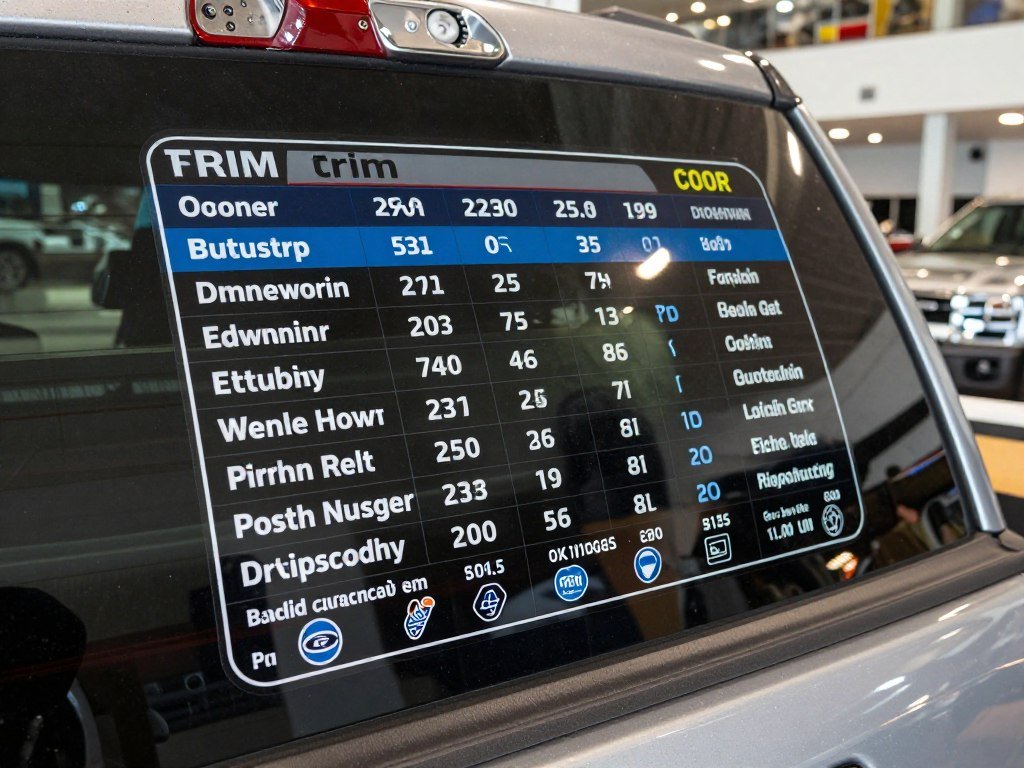
Use this checklist when two listings seem close:
- Trim: Check that both trucks have the same trim level.
- Cab and bed: Match passenger space and bed length.
- Drivetrain: Compare the same drivetrain choice.
- Factory options: Note packages and installed equipment.
- Discount terms: Check for conditions tied to a listed discount.
The Federal Trade Commission advises shoppers to review the full terms of advertised vehicle offers and add-ons. A listing may present an attractive amount while tying a discount to a specific condition. Read the terms in plain view and ask about any item you do not recognize.
Online price guides can also help you separate a listed price from checkout costs. For example, a price guide that explains checkout costs shows why taxes, fees, and offer terms matter, though phone costs do not apply to truck purchases. Match the window sticker or build details before treating one advertised price as lower.
When Can You Use Ford Truck Incentives?
There is no single nationwide date that guarantees every shopper the same Ford Truck Month offer in 2026. Local terms matter, because Ford incentives can vary by region and model. Check the current offer for your location and the truck you want.
Retail customer cash, an APR offer, and a dealer markdown are different parts of a deal. A buyer may not qualify for every offer, and a promotion may not combine with another one. Eligibility can depend on location, model, trim, buyer qualifications, and inventory.
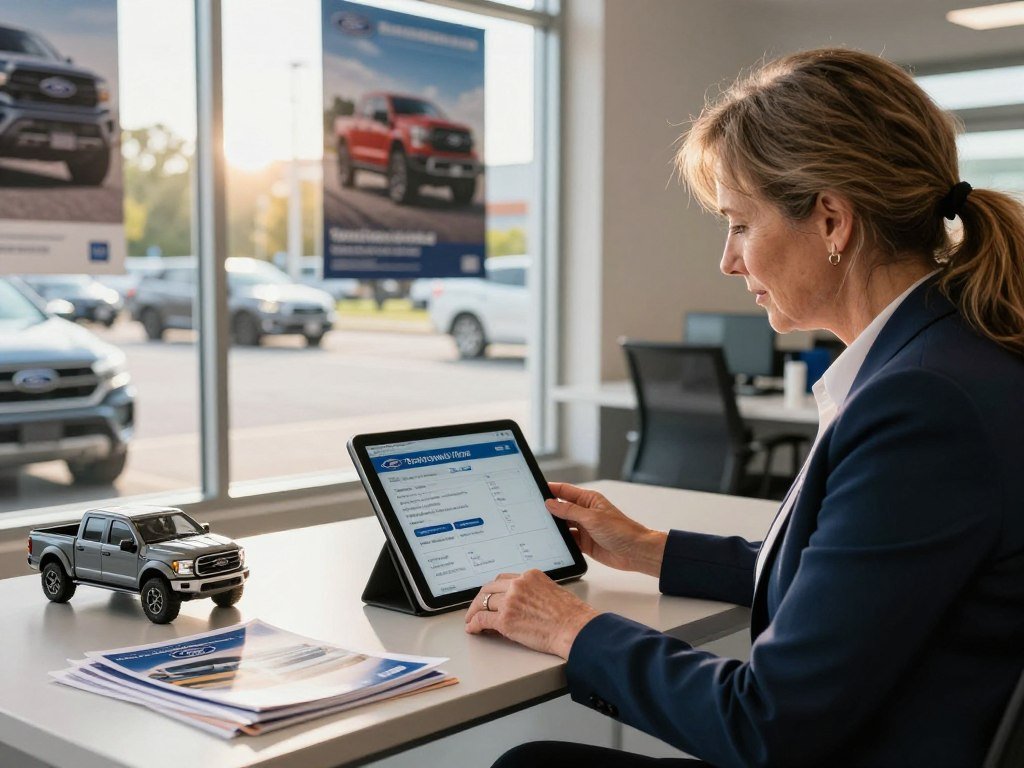
The Ford Incentives Portal lets you check offers using your location and vehicle details. Use its terms to see which truck and buyer conditions apply. Check these five items before counting an incentive in your budget:
- ZIP code: Enter the location where you plan to buy.
- Eligible model and trim: Confirm the exact truck setup.
- Customer qualifications: Check who can claim the offer.
- Expiration date: Note when the stated offer ends.
- Combination rules: See whether offers can be combined.
Do not rely on a remembered promotion or a date shared for another market. The amount and conditions shown for one Ford F-150 may not match another trim or location. A retail customer cash offer may also have rules that differ from a financing promotion.
Review the stated conditions before treating an offer as money off your purchase. Confirm the complete offer terms for your ZIP code before using a promotion in a budget.
Is Financing a Ford Truck the Right Choice?
A smaller monthly payment can cost more over time if it comes from stretching the loan term. Look beyond the payment to compare APR, the term, your down payment, and the amount financed.
Auto loan terms commonly run about 36-84 months, with the lender and offer setting the exact term. A longer term may lower each payment, but it keeps you paying longer and may increase total interest. The Consumer Financial Protection Bureau advises comparing loan costs and terms, not monthly payments alone.
| Loan element | What it changes | What to compare |
|---|---|---|
| APR | Borrowing cost | Rate and eligibility |
| Term | Number of months to repay | Payment and total interest |
| Down payment | Amount borrowed | Cash needed at signing |
| Amount financed | Principal borrowed | Vehicle price, incentives, and trade credit |
APR, Loan Term, and Down Payment
APR measures the yearly cost of borrowing as a percentage. The term sets how many months you have to repay, and your down payment reduces the amount borrowed. Together, these details shape both the monthly payment and the full cost of financing a Ford truck.
For example, a Ford F-150 or Ford F-350 may have a different offer based on the selected vehicle and your eligibility. Do not judge a loan from the payment alone. The length of the loan and the total interest matter too.
Compare the Full Financing Offer
Ask for written terms that show the rate, loan term, down payment, and amount financed. Compare a written offer from Ford Credit with other lender offers only when the term and amount financed match. Otherwise, a payment difference may come from different loan setups, not a better rate.
Compare the total repayment amount as well as the monthly payment before choosing a loan.
How Do Ford Truck Lease Offers Work?
A lease payment is only meaningful when you know the mileage allowance and the amount due at signing. Read the full contract for the exact model, term, mileage limit, and end-of-lease duties.
Lease payments depend on capitalized cost, residual value, lease term, and applicable fees. Capitalized cost is the lease’s agreed starting value. A higher mileage allowance or a different capitalized cost can change the offer, so compare those terms before comparing payments.
What Determines a Lease Payment
Ford lease offers should identify the vehicle, term, amount due at signing, and allowed miles. Typical annual mileage allowances on vehicle leases are about 10,000-15,000 miles, but the contract sets the actual limit. Choose an allowance that matches the miles you expect to drive.
A truck lease deal may fit when your expected use works within its contract. High annual mileage, heavy work use, or planned modifications can make ownership more suitable. For example, frequent job-site use may bring wear that matters at turn-in.
Mileage, Term, and Return Conditions
Review the contract’s excess-mileage charge and wear rules before signing. Check what counts as excess wear, and note any charge per mile above the limit. The agreement also sets the term and responsibilities when you return the truck.
Early termination can bring added costs under the contract. Do not assume you can end the lease early without a charge or change the mileage limit later. These terms can matter if your commute, work route, or plans change during the lease.
Estimate annual miles from your actual driving before deciding that a lease payment fits.
Should You Buy a New or Used Ford Truck?
The choice turns on whether you value a known new-vehicle configuration or a wider set of used options. A new truck has no prior use, while a used Ford truck can give you access to earlier model years and different price points.
Condition and equipment depend on the individual used vehicle, not just its model name. A used truck does not guarantee savings, and a new one does not suit every budget. Compare the truck’s records, features, and condition with what you need.
| Comparison point | New truck | Used truck |
|---|---|---|
| Vehicle information | Factory build details | Odometer, history, and inspection |
| Condition | Unused vehicle | Varies by prior use and maintenance |
| Dealer disclosure | New-vehicle paperwork | FTC Buyers Guide for dealer-offered used vehicles |
| Selection | Current new inventory | Compare model year, condition, and equipment |
When a New Truck Makes Sense
A new Ford truck gives you a known factory configuration and no prior use. You can compare available new inventory by model and equipment, then choose a setup that matches your needs. The right choice still depends on the truck’s total cost and your budget.
What to Check on a Used Truck
Check the title, maintenance records, accident history, and a professional inspection before buying a used vehicle. The Federal Trade Commission’s Buyers Guide is used on used vehicles offered by dealers. Read it along with the truck’s records, since its past use and upkeep affect its condition.
A listing can leave out wear or repair needs that an inspection finds. Ask the inspector to check the truck’s key systems and note any concerns in writing. Inspect the specific used truck rather than relying on its model name or listing description.
Which Ford Truck Fits Your Work or Towing Needs?
A truck that can pull a trailer still needs enough payload capacity for passengers, cargo, and hitch load. Match the whole load to the exact truck, not just the trailer’s weight.
Check ratings for the exact cab, bed, drivetrain, and equipment before choosing a work setup. Occasional utility may call for a different setup than regular heavy work. A Ford F-150 and Ford F-350 are different vehicle classes, and the truck’s exact configuration matters.
When towing, include the trailer, passengers, and cargo in your plan. A gooseneck hitch must be compatible with the truck, and the configuration must be rated for the load. Check the truck’s ratings before relying on a general model name.
Use this checklist to assess a work or towing setup:
- Payload: Check the truck’s rated payload.
- Trailer weight: Know the trailer’s loaded weight.
- Hitch type: Confirm compatibility, including a gooseneck hitch.
- Passenger and cargo weight: Count people and carried items.
- Frequency of use: Consider how often the truck will do the work.
Regular heavy work can place different demands on a truck than occasional hauling. A gooseneck setup needs the right hitch and a truck rated for the load, including the load on the hitch. Use the exact truck and trailer ratings rather than a general model name when confirming fit.
How Can You Find Ford Truck Inventory Near You?
Start with your ZIP code, then narrow the results to the model and configuration you can actually use. Local listings vary by dealer and location, so Ford truck deals near you may show different models and trims.
A listing does not guarantee that the vehicle remains available. Ford’s dealer search tools help you find nearby dealers, and each dealer’s inventory is specific to its location. Ford trucks for sale in your area can differ by model, trim, and configuration.
Use this four-step process to check local inventory:
- Set a search radius around your ZIP code.
- Filter by the model and configuration you want.
- Contact the Ford dealer to confirm the vehicle and price.
- Ask for a written quote with the truck details.
Shoppers in Greenville, South Carolina can enter their ZIP code to find local listings. The results can help narrow your search, but they do not confirm that any specific truck is still in stock. Ask the dealer to confirm the details before you plan a visit.
If you saw a truck in a photo, visual search tools can help identify similar listings. A guide to searching for products with a photo explains how Google Lens can find possible matches, though results may show similar vehicles instead of the exact one. Confirm the vehicle identification number and availability with the dealer before making a trip.
What Should You Include in the Total Deal Cost?
A low vehicle price does not show the complete amount you may need to pay or finance. Ask for the full figure, called the out-the-door price, which includes taxes and fees.
Compare an itemized quote, not just the advertised price. Request separate amounts for sales tax, title, registration, dealer fees, add-ons, and trade credit. This shows what adds to the cost and how much you may owe at signing.
Compare your trade-in value separately from the truck’s price. If you still owe money on your current vehicle, ask how the remaining balance affects the deal. The Consumer Financial Protection Bureau defines negative equity as owing more on a vehicle loan than the vehicle is worth.
Negative equity can be added to a new loan, which raises the amount financed. A trade credit may lower the amount you need to pay, but it does not erase a remaining loan balance. Review each line so the quote shows the truck price, trade value, and any unpaid amount as separate figures.
Ask for an itemized out-the-door quote before agreeing to the transaction.
How Do You Complete a Ford Truck Purchase Online?
Before submitting paperwork online, make sure the selected truck and written terms match the deal you intend to accept. Check each detail against the purchase agreement, since the final contract controls the transaction.
An online listing or checkout step does not lock in the vehicle or price. You may be able to select a vehicle, request a quote, or start finance paperwork online. The final written agreement sets the terms you accept.
Compare the final contract with the truck and terms you intend to accept before signing.
Check the vehicle identification number, selected equipment, final price, fees, and amount due at signing. Confirm that any financing or lease terms in the agreement match the offer you reviewed. The Federal Trade Commission recommends reviewing the purchase agreement and final terms before signing.
Ask the Ford dealer to confirm whether delivery or pickup is available and how the handoff will work. Review the full agreement before you sign, even if you completed earlier steps online. A saved listing or online application does not replace that final review.
Keep a copy of the signed agreement and every document showing the final terms.
Conclusion
The right deal is the one that fits both the work you need done and the amount you can commit to. Choose the configuration first, then weigh the complete written offer rather than the headline payment.
That approach gives you a clear basis for judging a truck’s cost and terms. Ask a Ford dealer for a current written quote on the exact configuration you want, with the full amount due and offer conditions shown.
Select a preferred model, check its current local offer, and ask a Ford dealer for a written quote before deciding.
FAQ
Do Ford truck incentives change by ZIP code?
Yes, Ford truck incentives can change by ZIP code because regional eligibility and participating dealers may differ. Enter your location when checking an offer, then review the terms for the specific model and trim. A promotion shown in another area may not apply where you plan to buy, even if the truck configuration looks the same.
Can you combine a Ford cash incentive with a low APR offer?
Do not assume you can combine a Ford cash incentive with a low APR offer. The exact offer terms say whether incentives can be combined or whether you must choose one. Compare the full value and conditions of each option, including the total amount paid over the loan, before deciding which offer works better for you.
What credit score do you need to finance a Ford truck?
No single credit score guarantees approval for a Ford truck loan. Lenders review your credit history and other application details, while a specific promotion may set its own eligibility rules. A score alone does not show the full decision. Ask about the written loan terms you qualify for, including the APR and repayment term.
Does buying a Ford truck at the end of the month guarantee a better deal?
No, buying a Ford truck at the end of the month does not guarantee a discount. The calendar alone does not set the price or offer terms. Compare written quotes for the same configuration, and check each offer’s stated expiration date and conditions. A clear written offer gives you firmer terms than an assumed month-end deal.
Can you negotiate the price of a used Ford truck?
Yes, you can make a specific offer on a used Ford truck. Ask for an itemized price, then use the vehicle’s condition, maintenance records, and inspection findings to support your offer. Keep any needed repairs in mind when judging the amount. The final price and terms should appear in writing before you agree to buy.
What happens if you exceed the mileage limit on a Ford truck lease?
Exceeding the mileage limit on a Ford truck lease can trigger charges under the contract. The agreement sets the mileage allowance and any charge for each mile over that limit. Check the rate before signing and estimate your annual driving, including work trips and longer travel. The contract also explains what happens when you return the truck.