

What happens when a folding phone’s screen cracks and the owner has also modified the software? That question sits at the center of a messy 2026 debate swirling around reports of iPhone Duo screen damage, early-buyer frustration, and the legal gray zone of jailbreaking in California. The topic mixes hardware durability, warranty policy, and copyright law, and the details matter far more than the headlines suggest.
This article breaks down what is actually known, separates confirmed facts from rumor, and gives practical guidance for anyone weighing a repair, a return, or a software modification. Where the record is thin, it says so plainly rather than filling gaps with guesses.
What the “iPhone Duo” conversation is really about
The phrase “iPhone Duo” is not an Apple product name that can be confirmed from primary sources. That matters, because a lot of online chatter treats it as if it were a settled, shipping device. In practice, the term gets used loosely to describe a dual-screen or folding iPhone concept, and it also gets confused with older dual-screen hardware from other brands. (iPhone)
What is verifiable is narrower and more useful:
- Screen cracking on folding and dual-screen devices is a real, documented category of hardware failure across the industry, not a single-brand problem.
- Early buyers of any first-generation folding design carry more risk than later buyers, because hinge and display-cover designs typically improve in the second and third generations.
- Repair costs on folding displays are unusually high compared with slab phones, which turns a crack into a major financial event rather than a minor annoyance.
For readers tracking the early-adopter risk angle specifically, the durability questions raised in coverage of iPhone Duo screen damage under 20 folds and early buyer risk are a useful starting point. The core warning is simple: a folding display that fails after very few open-and-close cycles is a design concern, not normal wear.
The screen crack problem: what actually fails
Folding displays fail differently from glass slabs. Understanding the failure modes helps owners argue their case at a repair counter.
The three common failure points
- The crease. The fold line takes constant stress. Micro-cracks often begin there and spread outward.
- The hinge-adjacent edge. Debris ingress near the hinge can pinch the display layer.
- The protective top layer. Many folding screens ship with a factory-applied polymer layer that is not a user-removable screen protector. Peeling it off is one of the most common and most expensive mistakes owners make.
That third point deserves emphasis. Users accustomed to slab phones routinely try to remove what looks like a worn screen protector. On folding displays, that layer is often part of the display assembly. Removing it can void coverage and accelerate cracking.
Why “under 20 folds” claims get attention
A display that cracks after a handful of cycles points to a manufacturing or design defect rather than abuse. That distinction drives everything: defect claims fall under warranty and consumer protection, while accidental damage falls under paid repair. Documenting fold counts, dates, and the exact moment of failure is the single most practical step an owner can take. Photograph the device before and after any handling, keep the original packaging, and request written diagnosis from the service center rather than a verbal summary.
For a deeper look at how evidence gets assembled and audited in these disputes, the iPhone Duo crackgate evidence audit covering six hours of review walks through the timeline approach that tends to hold up.
Jailbreaking in California: what the law actually says
Here the record needs careful handling, because a lot of confident claims online are not supported.
Copyright and the DMCA exemption
In the United States, modifying software on a phone you own has historically been treated as exempt from anti-circumvention liability under Section 1201 of the Digital Millennium Copyright Act. The Librarian of Congress grants these exemptions through a triennial rulemaking process, and jailbreaking a personally owned handset was recognized in the 2010 rulemaking and revisited in later cycles. The U.S. Copyright Office publishes each rulemaking, and that is the authoritative place to check current status rather than relying on forum posts.
The practical takeaway: the legality question is a federal copyright question first, not a state criminal question.
California-specific law
No California statute that can be confirmed specifically criminalizes jailbreaking a phone you own. California’s more relevant recent legislation is its right-to-repair law (SB 244), signed in 2023 and effective July 1, 2024, which concerns access to parts, tools, and documentation for repairs. The official text and status live at the California Legislative Information site. Anyone citing “California jailbreak law” should be pressed for a statute number, because in most discussions no such statute exists.
Where jailbreaking actually causes trouble
The realistic risks are contractual and practical, not criminal:
| Risk area | What happens in practice |
|---|---|
| Warranty | Software modification can be grounds for denying coverage on related failures |
| Repair diagnosis | Modified software complicates proving a hardware defect |
| Security | Sideloaded code and disabled protections widen the attack surface |
| Resale value | Modified devices sell for less and are harder to verify |
Notice the pattern: jailbreaking rarely creates legal jeopardy for the owner, but it frequently weakens the owner’s position in a repair dispute. That is the real intersection with the screen-crack story.
The collision: a cracked screen on a modified phone
This is where the 2026 conversation gets genuinely useful. An owner with a cracked folding display and a jailbroken device faces a compounded problem. The hardware claim is strong, but the software modification gives the manufacturer a procedural opening.
What typically happens, step by step
- The owner reports a crack and requests warranty service.
- The service center runs diagnostics and notes the software modification.
- Coverage gets contested, often on the grounds that the modification affected system behavior.
- The owner must then prove the crack is a hardware defect independent of software.
The winning move is separation of issues. A display delaminating at the crease is a physical phenomenon. Software does not cause a hinge to pinch a display layer. Owners who frame the claim purely as a hardware defect, with dated photographs and a written diagnosis, keep the argument on solid ground.
Common mistakes that sink a claim
- Removing the factory display layer because it looked like a peeling protector.
- Restoring or wiping the device before documenting the failure, which destroys the timeline.
- Accepting a verbal denial instead of requesting the diagnosis in writing.
- Waiting past the return window while researching, which forfeits the strongest remedy.
- Bundling complaints about software and hardware into one claim, which invites a software-based rejection.
Practical guidance for buyers and owners
The most useful advice here is unglamorous: treat a first-generation folding device as a high-risk purchase and plan accordingly.
Before buying
- Check the return window and whether it covers display defects without a restocking fee.
- Ask, in writing, whether the factory display layer is covered under warranty if it begins to lift.
- Confirm the repair price for a full display replacement before purchase, not after.
- Consider an extended protection plan, but read whether modified software voids it.
After a failure
- Stop folding the device once a crease crack appears. Cycling accelerates propagation.
- Photograph everything with timestamps, including the fold count if the device reports one.
- Keep the device as-is. Do not restore software before documentation.
- Request written diagnosis and the specific policy clause being applied.
- Escalate in writing if the first denial cites software without addressing the physical failure.
For readers comparing current models and weighing whether to buy into a folding design at all, a broader best iPhone 2026 roundup helps frame the trade-offs against conventional slab phones.
Why this story keeps growing
Three forces keep the topic alive.
First, folding hardware is genuinely fragile compared with slab phones, and buyers underestimate the cost of that fragility. Second, repair access is improving under right-to-repair frameworks, which gives owners more leverage and more documentation to demand. Third, software modification culture remains strong among enthusiasts who want control over devices they own, and that culture collides with warranty terms written for unmodified hardware. (Cybersecurity)
The result is a recurring pattern: a dramatic failure report, a contested warranty claim, and a legal question that turns out to be less about criminal law and more about contract terms and federal copyright exemptions. Readers who understand that structure navigate these disputes far better than those reacting to headlines.
There is also a quieter lesson about early adoption. First-generation hardware carries design risk that later generations usually resolve. Buyers who accept that risk knowingly, with a return plan and documentation habits in place, are rarely surprised. Buyers who assume a premium price guarantees premium durability often are.
Conclusion
The “iPhone Duo screen cracks jailbreak calif 2026” conversation is really three conversations stacked on top of each other: a hardware durability question, a warranty and repair-access question, and a software-modification law question. Sorting them apart is the whole game.
On hardware, folding displays fail at the crease and near the hinge, and the factory top layer is not a removable protector. On law, jailbreaking a phone you own has been treated as a federal copyright exemption matter, not a California crime, and claims about a specific state jailbreak statute should be met with a request for the statute number. On practice, the owner who documents the failure, keeps the device untouched, and separates the physical defect from the software question holds the strongest position.
Buy carefully, document relentlessly, and do not let a software modification become the excuse that buries a legitimate hardware claim.
Frequently Asked Questions
Is jailbreaking an iPhone illegal in California?
No confirmed California statute specifically criminalizes jailbreaking a phone you own. The relevant legal framework is federal: exemptions to Section 1201 of the Digital Millennium Copyright Act, granted through the Librarian of Congress triennial rulemaking and published by the U.S. Copyright Office. Owners should verify the current exemption status there rather than relying on secondhand summaries.
Does jailbreaking void the warranty?
It can give a manufacturer grounds to deny coverage on failures it can link to the modification. That is a contractual matter, not a legal one. A physical defect like a display delaminating at the crease is independent of software, so owners should frame the claim as a hardware issue and request the denial in writing with the specific policy clause cited.
What causes folding screens to crack?
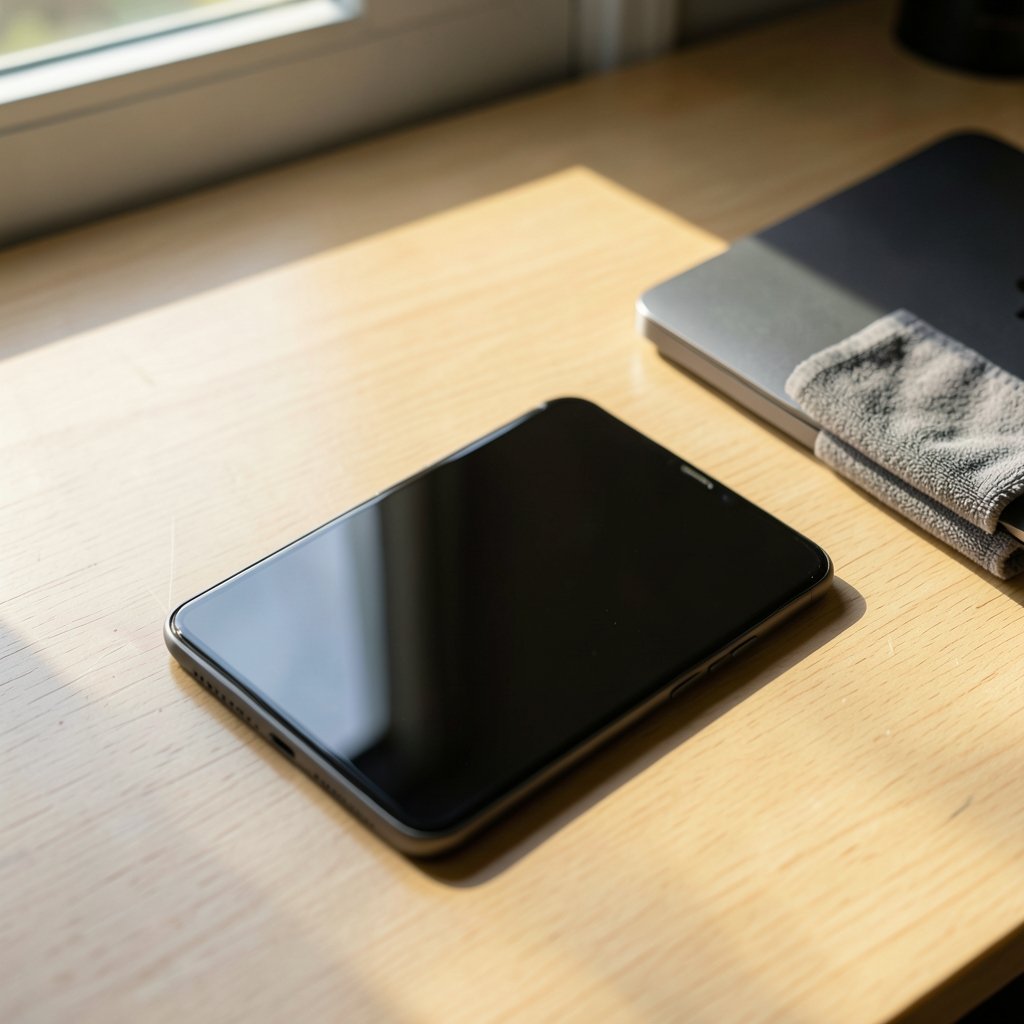
The most common failure points are the crease, the hinge-adjacent edge, and the factory-applied top layer. Crease cracking comes from repeated folding stress, hinge-area failures often involve debris ingress, and top-layer failures usually follow an owner peeling off what looks like a screen protector but is actually part of the display assembly.
Should I remove the screen protector on a folding phone?
Generally no. Many folding displays ship with a factory-applied polymer layer that is not designed for user removal. Peeling it can damage the display and void coverage. If the layer is lifting, document it and take the device to authorized service rather than pulling it off.
What should I do first if my screen cracks?
Stop folding the device, photograph the damage with timestamps, keep the device in its current software state, and request a written diagnosis from the service center. Do not restore or wipe the phone before documenting, because that destroys the timeline you may need to prove a defect claim.
Are first-generation folding phones riskier to buy?
Yes. Hinge and display-cover designs typically improve in later generations, and first-generation buyers absorb more design risk. Before purchase, confirm the return window covers display defects, ask in writing whether the factory display layer is covered, and check the full display replacement price so the downside is known in advance.



