
What happens to a country when an entire generation grows up with a screen in its hand before it learns to read a book? Brazil is finding out right now. A decade of cheap Android phones, subsidized data plans, and WhatsApp-first communication has produced something new in Latin America’s largest economy: a first smartphone generation that has never known a world without mobile internet. In 2026, that generation is entering the workforce, the voting booth, and the classroom, and the government of President Luiz Inácio Lula da Silva is trying to shape what comes next.
The topic is often reduced to a single number, but the reality is messier and more interesting. This article looks at what the “first smartphone generation” actually means in Brazil, why the Lula administration treats digital access as infrastructure rather than a luxury, and what the practical lessons are for parents, teachers, and anyone trying to understand how mobile-first societies evolve.
What “First Smartphone Generation” Really Means in Brazil
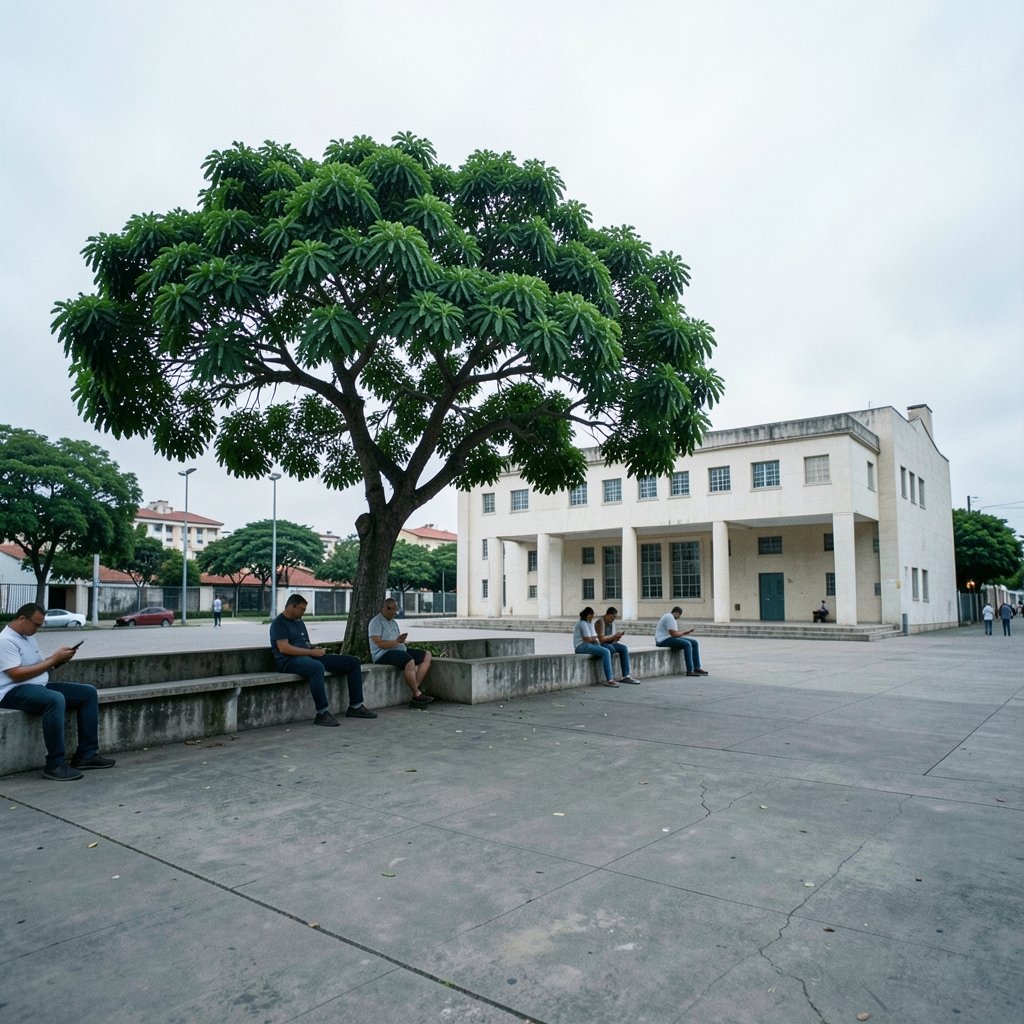
The phrase describes people who got their first internet-connected device as a phone rather than a computer. In Brazil, that is not a niche experience. For millions of households, the smartphone is the only computer. There is no desktop in the corner, no family laptop, no broadband router. The phone is the bank, the school, the doctor’s waiting room, and the newsstand.
This matters because the skills people build on a phone are different from the skills built on a desktop. Mobile users tend to be consumers of content before they become creators. They learn apps before they learn file systems. They are fluent in video and voice notes but often shaky on spreadsheets and long-form research. That gap is not a character flaw. It is a predictable result of the device people could afford.
When analysts talk about Brazil’s online population, they are usually describing a country where mobile connections vastly outnumber fixed broadband subscriptions. The practical takeaway for anyone doing business or policy work there is simple: if your service does not work well on a mid-range Android phone over a prepaid data plan, it does not work in Brazil. (Presidency of the Republic of Brazil)
Why the Lula Government Treats Connectivity as Infrastructure
Lula’s second-stint administration has framed digital inclusion as part of a broader push to reduce inequality, alongside cash transfers, minimum wage policy, and public housing. The logic is straightforward. If a job application, a school assignment, and a government benefit all require an internet connection, then a lack of connectivity is not a lifestyle inconvenience. It is a barrier to citizenship.
That framing has consequences. It means connectivity programs get evaluated the way road-building programs get evaluated: by coverage, cost, and who gets left out. It also means the government has a political incentive to be seen delivering devices and data to low-income families, schools, and rural areas.
For readers following Brazil’s tech and policy landscape, the useful context is that the country has a long history of state-led digital programs, from banking inclusion through digital accounts to large-scale public Wi-Fi in schools. The current debate is less about whether the state should be involved and more about execution: procurement, maintenance, teacher training, and whether a donated device comes with a data plan that actually covers a month of use.
The Practical Reality: What Works and What Doesn’t
Talk to anyone who has run a digital inclusion program in Brazil, and you hear the same themes. Handing out hardware is the easy part. The failure modes are predictable, and they are worth knowing whether you are a policymaker, a school administrator, or a parent.
Common mistakes
- Counting devices instead of usage. A tablet locked in a school cabinet has zero educational value. Programs that track logins, not deliveries, tend to succeed.
- Ignoring the data bill. A free phone with no data plan becomes a paperweight within weeks. Sustainable programs bundle connectivity or zero-rate educational apps.
- Skipping teacher training. Teachers who are themselves first-generation internet users need support before they can guide students.
- Designing for desktop. Government portals and school platforms that assume a keyboard and a large screen exclude the very people they aim to serve.
- Forgetting maintenance and repair. Screens crack. Chargers vanish. A program without a repair pathway has a shrinking fleet.
What actually works
- Phone-first design. Services built for small screens, low bandwidth, and intermittent connectivity get used.
- Local intermediaries. Community centers, libraries, and trusted local organizations bridge the gap between a device and a skill.
- Digital literacy paired with device access. Teaching someone to spot a scam or manage a password is as valuable as the phone itself.
- Transparent procurement. Public device purchases attract scrutiny; clear specifications and open reporting reduce waste and political risk.
The Screen-Time Question Nobody Can Avoid
If Brazil has a first smartphone generation, it also has a first generation of parents navigating screen time without a family precedent. The honest answer from researchers is that the evidence is still catching up to the behavior. What is clear is that context matters more than minutes. A teenager editing video for a school project and a teenager scrolling short-form video for five hours are both “on their phone,” but they are not doing the same thing.
The practical advice that holds up across most studies is unglamorous:
- Keep phones out of the bedroom overnight, especially for younger children.
- Agree on device-free times that apply to adults too, because children copy what they see.
- Prioritize sleep, physical activity, and in-person friendships as non-negotiables.
- Talk about what kids see online, including scams, gambling promotions, and unrealistic body images, rather than only policing time.
Brazil’s regulatory conversation has echoed debates elsewhere about age verification and platform responsibility. Whatever the outcome, the enforcement challenge is real in a country where a prepaid SIM is cheap and a shared family phone is common.
What This Means for Workers and Businesses
For employers, the first smartphone generation arrives with a distinctive skill profile. They are fast with messaging, video, and social platforms. They often learn new software quickly when it is intuitive. They may be less comfortable with long-form writing, structured data entry, or desktop productivity suites, not because they cannot learn but because nobody taught them.
Smart employers invest in short, mobile-friendly training rather than assuming desktop fluency. They also rethink job applications: a hiring portal that requires uploading a PDF from a computer filters out candidates who would do the job well.
For businesses selling into Brazil, the same logic applies. Checkout flows, onboarding, and customer support should be tested on a low-end Android device on a mobile network, not just on a laptop with fiber. The companies that get this right tend to win loyalty in exactly the segments that are growing fastest. The broader lesson echoes what reviewers find when they rank the best android phone 2026 options for budget-conscious buyers: the mid-range devices most people actually own define the real user experience, not the flagship models in ads.
How Brazil Compares With Other Mobile-First Economies
Brazil is not alone. India, Indonesia, Nigeria, and much of Latin America have followed similar trajectories, where mobile leapfrogged desktop and became the default on-ramp to the internet. The pattern is well documented in global analyses of internet adoption, such as the Wikipedia overview of internet users by country, which shows how quickly mobile connections reshaped national totals.
| Dimension | Desktop-first countries | Mobile-first countries like Brazil |
|---|---|---|
| Primary device | Laptop or desktop | Smartphone |
| Dominant services | Web, email, search | Messaging apps, short video, super-apps |
| Payment habits | Cards, bank transfers | Instant payment rails, digital wallets |
| Skill gaps | Mobile UX, app design | Long-form writing, spreadsheets, file management |
| Policy focus | Broadband coverage | Affordability, device access, data plans |
The comparison is not about which model is better. It is about designing services that fit the device people hold. A country that skipped the desktop era does not need to recreate it. It needs tools built for the phone in hand.
The 2026 Angle: Why This Year Matters
Several trends converge in 2026. The cohort that received its first phones as children is now old enough to vote, work, and form households. Public programs launched in recent years are being evaluated on results rather than announcements. And the platform economy has matured enough that regulators, schools, and parents have real data to argue about.
For anyone tracking the intersection of technology and politics in Brazil, the best phone 2026 landscape is a useful proxy for what ordinary families can afford and what features they prioritize. Battery life and durability usually beat camera specs in that conversation, which tells you a lot about how these devices are actually used.
It is also worth remembering that device access is only one layer. The experience of being online in Brazil includes fraud attempts, misinformation, and pressure from influencer culture. Digital literacy programs that ignore those risks are incomplete. The best camera phone 2026 comparisons are fun, but the more consequential question is whether a first-time user can recognize a scam message before tapping the link.
Lessons From Adjacent Technology Debates
Brazil’s digital inclusion debate mirrors other technology policy questions where public safety, access, and innovation collide. When agencies test new tools in the field, the lesson is usually the same: real-world conditions expose problems that lab testing misses. The same is true of connectivity programs. A pilot in a well-connected school tells you little about a rural classroom with intermittent signal. Readers interested in how field testing shapes policy can look at how the DHS counter-drone test for first responders approached evaluation, and the parallel is instructive: measure outcomes in the environment where the technology will actually be used.
A Balanced View: Progress and Caution
It would be easy to write either a triumphant story or a panic story about Brazil’s first smartphone generation. Neither holds up. The genuine gains are substantial. People who were excluded from banking, formal employment listings, and government services now have access. Small businesses reach customers they could never afford to advertise to before. Students in remote areas can watch lessons that were unavailable a generation ago.
The genuine risks are also substantial. Screen dependence, misinformation, fraud, and unequal quality of access are real. A phone with a metered data plan is not the same as unlimited broadband, and the gap between “connected” and “well connected” shapes opportunity.
The most defensible position is that access is necessary but not sufficient. Devices without skills, skills without connectivity, and connectivity without safety all fall short. The countries that get this right treat digital inclusion as a system, not a shipment.
Conclusion
Brazil’s first smartphone generation is not a curiosity or a marketing slogan. It is a demographic reality that is reshaping education, work, politics, and family life all at once. The Lula government’s instinct to treat connectivity as infrastructure is directionally sensible, but the outcome will depend on unglamorous details: teacher training, repair programs, phone-first public services, and honest measurement of who is still offline.
For parents, the takeaway is to focus on context and sleep rather than minutes. For employers, it is to design hiring and training for the devices people actually own. For policymakers, it is to remember that a device in a drawer changes nothing. The generation is here. What Brazil builds around it is still being decided.
FAQ
What does “first smartphone generation” mean in Brazil?
It refers to people whose first and often only internet-connected device is a smartphone, rather than a computer. For millions of Brazilian households, the phone is the sole gateway to banking, school platforms, government services, and news.
Why is the Lula government involved in smartphone access?
The administration frames connectivity as infrastructure because so many essential services now require an internet connection. If a job application or benefit claim needs a phone and data plan, the government treats access as a condition for full participation in society rather than a luxury.
Is smartphone access in Brazil actually improving opportunity?
It is mixed. Access has clearly widened economic participation for people previously excluded from banking and formal job listings. But quality of access varies widely, and a metered prepaid plan does not deliver the same opportunities as reliable broadband.
What are the biggest mistakes in digital inclusion programs?
Counting devices delivered instead of measuring actual usage, ignoring the monthly data cost, skipping teacher and user training, designing services for desktop screens, and failing to fund repairs and replacements.
How much screen time is too much for children?
Research points to context more than raw minutes. Sleep loss, dropping physical activity, and replacing in-person friendships are clearer warning signs than a specific hourly limit. Consistent device-free times and open conversation about online risks tend to matter more than strict caps.
What should businesses know about mobile-first Brazilian consumers?
Test every customer journey on a mid-range Android phone over a mobile network. If onboarding, checkout, or support requires a desktop, a PDF upload, or fast fiber, you are excluding a large and growing share of the market.