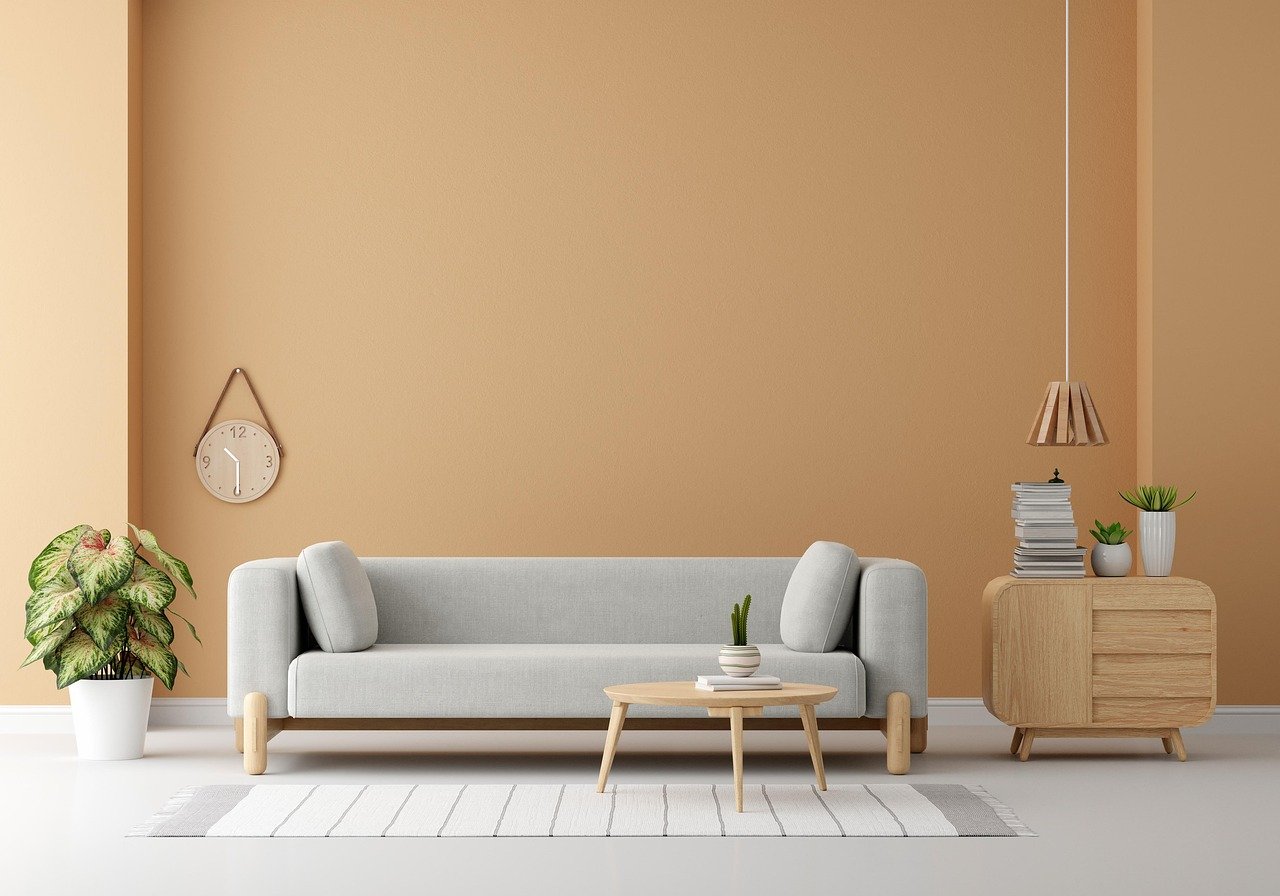
The average new apartment in the United States is shrinking. According to U.S. Census Bureau data on new residential construction, the median floor area of a newly completed multifamily rental unit has dropped well below the size of a typical single-family home, and studios and one-bedrooms now make up a large share of new stock. In practical terms, millions of people are trying to fit a bedroom, office, dining room, and living room into a space smaller than a two-car garage.
That squeeze has turned space saving furniture from a niche category into a mainstream design obsession. But not every clever-looking piece earns its place. Some fold-out designs are flimsy, some “multi-purpose” items are awkward to use daily, and some ideas simply don’t survive contact with real life. This guide focuses on what genuinely works, what to watch out for, and how to combine pieces so a small apartment feels intentional rather than cramped. (Ai interior design generator for room ideas)
Why Space Saving Furniture Matters More Than Ever
Small-space living is no longer a temporary phase for most people. Rising rents, remote work, and a preference for walkable urban neighborhoods have pushed many households into compact units for years at a time. That changes the design brief. Furniture can’t just be small; it has to be adaptable, because the same room must serve different functions at different hours.
The core principle is simple: every piece should do at least two jobs, or free up floor area, or store something. Ideally all three. A sofa that never becomes a bed and hides nothing underneath is, in a 400-square-foot studio, a luxury item.
There’s a psychological angle too. Clutter in tight spaces raises stress, and furniture that blocks circulation makes a room feel smaller than its measurements suggest. Good space saving design isn’t about minimalism for its own sake. It’s about keeping sightlines open and floors clear so the apartment reads as calm and roomy.
Start With the Floor Plan, Not the Shopping Cart

The most common mistake people make is buying clever furniture before measuring anything. A wall bed that’s two inches too wide for an alcove is useless. A modular sofa that fits the wall but blocks the only walkway to the kitchen is worse than useless.
Before spending a cent, sketch the floor plan to scale on graph paper or in a free planning tool. Mark doors, windows, radiators, outlets, and the swing arc of every door. Then mark the circulation paths — the routes people actually walk. Furniture goes in what’s left. This single step prevents most small-apartment furniture regrets. (Furniture)
A second practical check: measure the delivery path. Stairwells, elevator dimensions, and door widths regularly defeat furniture that technically fits the room. Retailers publish boxed dimensions for a reason.
For anyone outfitting a compact home office alongside the living space, the same logic applies to equipment — the best ai automation tools for small businesses, for example, let a solo operator run more of the admin from a corner desk instead of adding staff and desks. (Small Space Living)
Wall Beds and Murphy Beds: The Classic Space Reclaimer
The Murphy bed, which folds up into a wall cabinet, remains the single most effective way to turn a studio into a one-bedroom every morning. Modern versions often pair the bed with a sofa, a desk, or shelving on the front face, so the closed unit looks like a piece of cabinetry rather than a bedroom.
What actually works in practice:
- Spring or piston-lift mechanisms make daily opening and closing realistic. A bed you have to wrestle twice a day will stay down.
- Wall anchoring is non-negotiable. These units are heavy and carry a person’s weight. Proper anchoring into studs or masonry is a safety requirement, and renters should get landlord approval in writing before installation.
- Clearance matters. Leave enough room in front of the bed for getting in and out comfortably, and check that the folded-down footprint doesn’t collide with a desk chair.
The main drawback is cost and installation complexity. A quality wall bed system typically costs several times more than a standard bed frame, and professional installation is strongly advisable. For renters who can’t modify walls, a sofa bed with a proper mattress or a daybed is the pragmatic alternative.
Storage Beds, Ottomans, and Under-Furniture Storage
The volume underneath furniture is the most underused real estate in small apartments. Storage beds with lift-up platforms or deep drawers can absorb an entire seasonal wardrobe. Storage ottomans double as seating, coffee tables, and blanket boxes. Even a simple bed frame with 12 inches of clearance accepts rolling under-bed boxes.
Practical tips that separate success from frustration:
- Choose drawers on smooth runners over lift-up mechanisms if the bed sits under a sloped ceiling or low window.
- Measure drawer pull-out depth against the nearest wall — a drawer that opens six inches is a drawer that doesn’t work.
- Prefer a few large containers over many small ones; small boxes multiply clutter.
- Label everything. Hidden storage becomes forgotten storage fast.
The common mistake here is over-stuffing. A storage bed packed to the lid becomes a daily annoyance, and lift-up beds in particular get heavy. Keep the most-used items in the easiest-to-reach compartments.
Multifunctional Sofas and Convertible Seating
A modular sofa or convertible sleeper is the workhorse of small-apartment living rooms. The market has improved dramatically: chaise sections that detach, backrests that flip to form a guest bed, and corner configurations that reconfigure for movie night versus dinner party.
Three questions decide whether a convertible sofa will actually get used as designed:
- How heavy is the conversion? If switching from sofa to bed takes two people and five minutes, guests will sleep on an air mattress instead.
- What’s the mattress like? Thin foam folds are fine for occasional guests, miserable for regular sleepers.
- Where does the bedding go? A sofa bed without a dedicated linen storage plan quickly loses its appeal.
For studio dwellers who host often, a sleeper sofa paired with a storage coffee table is a strong combination. For those who rarely host, a fixed sofa with deep under-seat storage often delivers more day-to-day value.
Nesting Tables, Stackable Chairs, and Flexible Dining
Dining is where small apartments feel the pinch most. A fixed four-person table eats a quarter of the room for 23 hours a day. The alternatives work well if chosen carefully.
| Solution | Best for | Watch out for |
|---|---|---|
| Nesting tables | Coffee table plus occasional dining | Wobbly joints on cheap sets |
| Drop-leaf table | One or two regular diners | Wall clearance when open |
| Folding wall-mounted table | Truly tiny kitchens | Needs solid anchoring |
| Stackable chairs | Occasional hosting | Comfort on long sits |
| Extending table | Couples who host monthly | Storage for the leaf |
Nesting tables are the easiest win: a set of two or three tucks together into the footprint of one, then spreads out when friends arrive. Stackable or folding chairs handle the overflow, and hanging them on wall hooks keeps the floor clear between uses.
The mistake people make is buying the cheapest folding table they can find. A wobbly table that pinches fingers gets retired to the closet within a month. Buy one well-made flexible piece rather than three flimsy ones.
Vertical Storage: Use the Walls as Well as the Floor
In a small apartment, wall space is the largest untapped resource. Floor-to-ceiling shelving, wall-mounted desks, pegboards, and floating cabinets move storage upward and keep the floor visually open. A tall, narrow bookcase typically stores more than a wide, low one while consuming a fraction of the footprint.
A few practical rules:
- Anchor tall units to the wall. Furniture tip-over is a genuine hazard, and safety guidance from consumer protection agencies consistently recommends anchoring dressers and tall shelving.
- Keep the top third light. Heavy items at eye level and below; display or rarely used items up high.
- Leave breathing room. Shelving crammed edge to edge reads as clutter. Gaps make a room feel curated.
- Go over doors and around corners. Above-door shelves and corner units capture space most people ignore.
Wall-mounted folding desks deserve a special mention for remote workers: a desk that folds flat against the wall frees the entire floor area when the workday ends, which does more for a room’s perceived size than almost any other single change.
Rethinking the Bedroom Zone in a Studio
In a studio, the bed is the elephant in the room — literally. Beyond wall beds, several approaches work:
- Loft beds raise sleeping above storage or a seating area. They’re effective but check ceiling height and local building or lease rules; lofted sleeping can conflict with egress and headroom requirements, and rules vary by jurisdiction.
- Room dividers — open shelving, curtains, sliding panels — create a visual bedroom without walls.
- Daybeds serve as sofa by day and bed by night with far less mechanical fuss than a sleeper sofa.
The best choice depends on ceiling height, whether the apartment is rented, and how often guests stay over. There’s no universal winner, and anyone who claims otherwise is selling something.
Small Details That Make a Big Difference
The finishing layer matters as much as the furniture. Mirrors opposite windows bounce light and double the apparent depth of a room. Light-colored, low-profile pieces keep sightlines open. Rugs define zones without walls. And casters or glides on key pieces — a coffee table, a side table, a desk chair — let furniture move out of the way in seconds.
Also consider digital decluttering. Just as physical clutter shrinks a room, digital clutter shrinks attention. If the apartment doubles as a workspace, tools like small language models vs large language models can help a home-based worker choose lean, affordable software instead of bloated suites that demand more hardware and more desk space.
For anyone planning a weekend escape vehicle as a second “room,” the same compact-design thinking applies to the best small camper vans, where every cubic foot is planned like a studio apartment on wheels. And if the apartment needs a side hustle to pay for itself, the best website builders for small business make it possible to launch one from the kitchen table.
What to Avoid
Some space saving ideas sound better than they perform. Cheap fold-out furniture with thin hinges fails within months. Over-engineered transformer pieces — tables that become beds that become shelves — are usually heavy, expensive, and awkward. Blocking windows or radiators with storage saves space on paper but costs light and heat. And buying before measuring remains the single most expensive mistake in the category.
The test for any piece: can one person convert it, in under a minute, without moving anything else? If not, it will stay in one configuration forever.
Conclusion
Space saving furniture works best as a system, not a shopping spree. Measure first, prioritize pieces that do two or three jobs, push storage upward, and keep the floor clear. Wall beds and convertible sofas reclaim whole rooms; nesting tables and stackable chairs handle the occasional overflow; storage beds and vertical shelving absorb the clutter that makes small apartments feel smaller than they are. Choose fewer, better pieces, anchor anything tall, and test every mechanism before you buy. A well-planned 400-square-foot apartment can live like a much larger one — the furniture just has to earn its floor space.
Frequently Asked Questions
What is the single most effective space saving furniture for a studio apartment?
For most studios, a wall bed or a well-made sleeper sofa delivers the biggest gain because it converts the largest piece of furniture into usable daytime space. If wall installation isn’t possible, a storage bed with lift-up or drawer storage is the next best option.
Are Murphy beds safe, and do they need to be anchored?
Yes, when properly installed. Wall beds are heavy and support a person’s weight, so they must be securely anchored into studs or masonry by someone competent to do the job. Renters should get written landlord approval first, and buyers should follow the manufacturer’s anchoring instructions exactly.
How do I choose furniture without measuring wrong?
Draw a to-scale floor plan first, marking doors, windows, radiators, and walking routes. Measure the delivery path — stairs, elevators, and doorways — as well as the room itself. Retailers publish boxed dimensions, and checking them prevents most returns.
Is modular or convertible furniture worth the higher price?
Often yes, if the conversion is genuinely easy. A piece one person can change in under a minute gets used daily; a complicated transformer gets left in one position. Pay for good mechanisms and solid joints rather than for the number of functions.
How can renters add space saving furniture without damaging walls?
Focus on freestanding solutions: storage ottomans, nesting tables, stackable chairs, under-bed boxes, and tall freestanding shelving that’s anchored with removable straps where permitted. Tension poles and over-door organizers add storage without drilling.
How do I keep hidden storage from becoming clutter?
Store by frequency of use — daily items in easy-reach drawers, seasonal items up high or under the bed — and label containers. Keep storage beds under-filled so mechanisms stay light, and review hidden compartments twice a year to clear what isn’t being used.