Roughly one in three first-time drone buyers ends up wishing they’d picked a different model, usually within a month. The reasons are almost never about camera specs. They’re about registration headaches, wind that tosses a cheap quadcopter like a paper plate, and batteries that die before the fun starts. Getting the “best drone for beginners” right in 2026 means understanding that the category has quietly split in two: tiny sub-250-gram fliers that dodge most paperwork, and slightly heavier models that demand registration but fly far better in real wind.
This guide walks through what actually matters, which classes of drone suit which buyer, and the mistakes that cost beginners the most money. Prices and model lineups move fast, so treat every figure here as a starting point for your own check against the manufacturer’s current page.
Why 2026 Is a Genuinely Good Year to Start
The beginner drone market has matured in a way that favors newcomers. Three trends matter.
First, sub-250-gram designs have become the default entry point in the US, EU, and UK, because that weight threshold sits below most registration and licensing requirements. Second, obstacle sensing — once a premium feature — has trickled down to entry-level models, which means fewer crashed first flights. Third, the used market is deep and honest enough that a careful buyer can get a capable first drone for less than half of new retail.
The catch is that regulation is jurisdiction-specific. A drone that’s beginner-friendly in Texas may carry a class label requirement in Germany. According to the FAA’s UAS resource hub, recreational flyers in the US need to complete a free aeronautical knowledge and safety test, and most drones must broadcast Remote ID. The European Union Aviation Safety Agency runs a parallel open-category system with C0–C4 class labels, and the UK Civil Aviation Authority requires a Flyer ID and Operator ID for most flights. Check your local rules before you click buy, not after. (FAA Unmanned Aircraft Systems (UAS))
The Sub-250g Class: Where Most Beginners Should Start
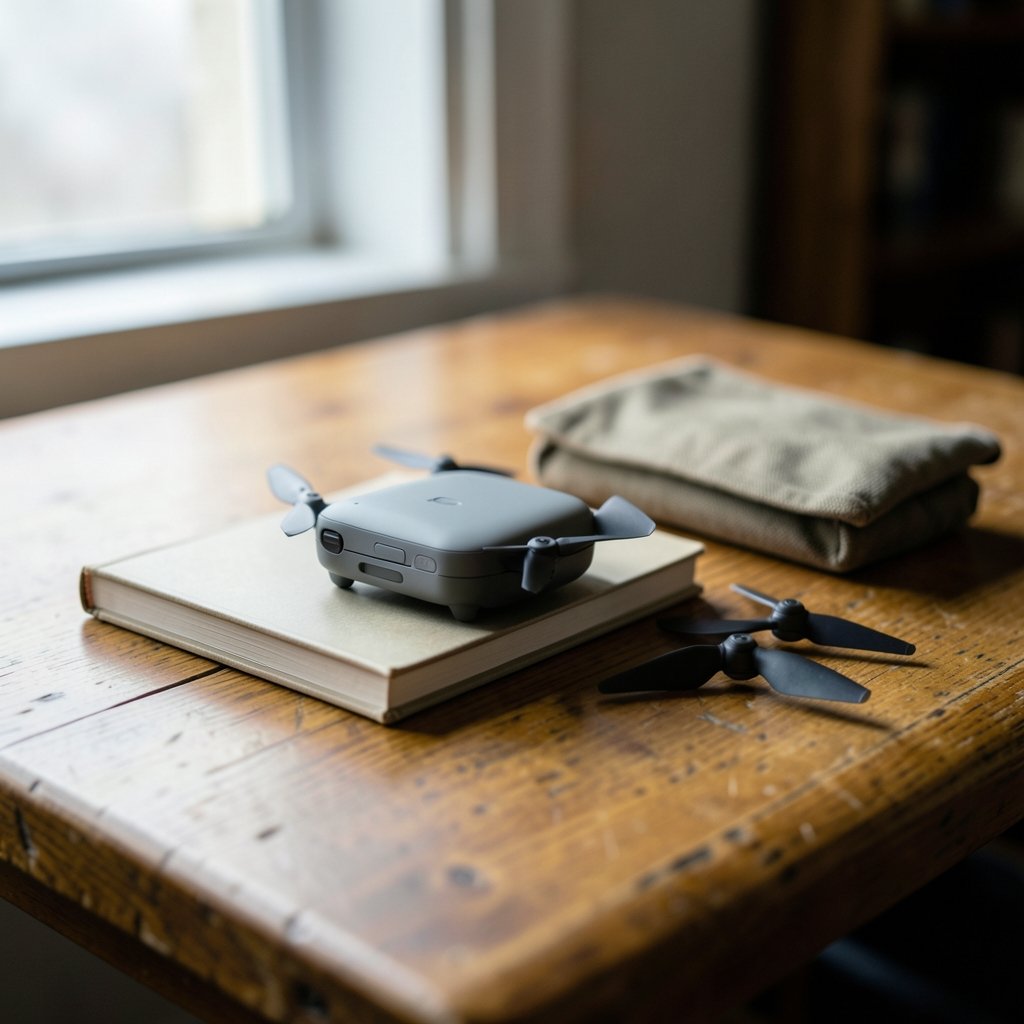
If you want one rule of thumb, it’s this: buy under 250 grams unless you have a specific reason not to.
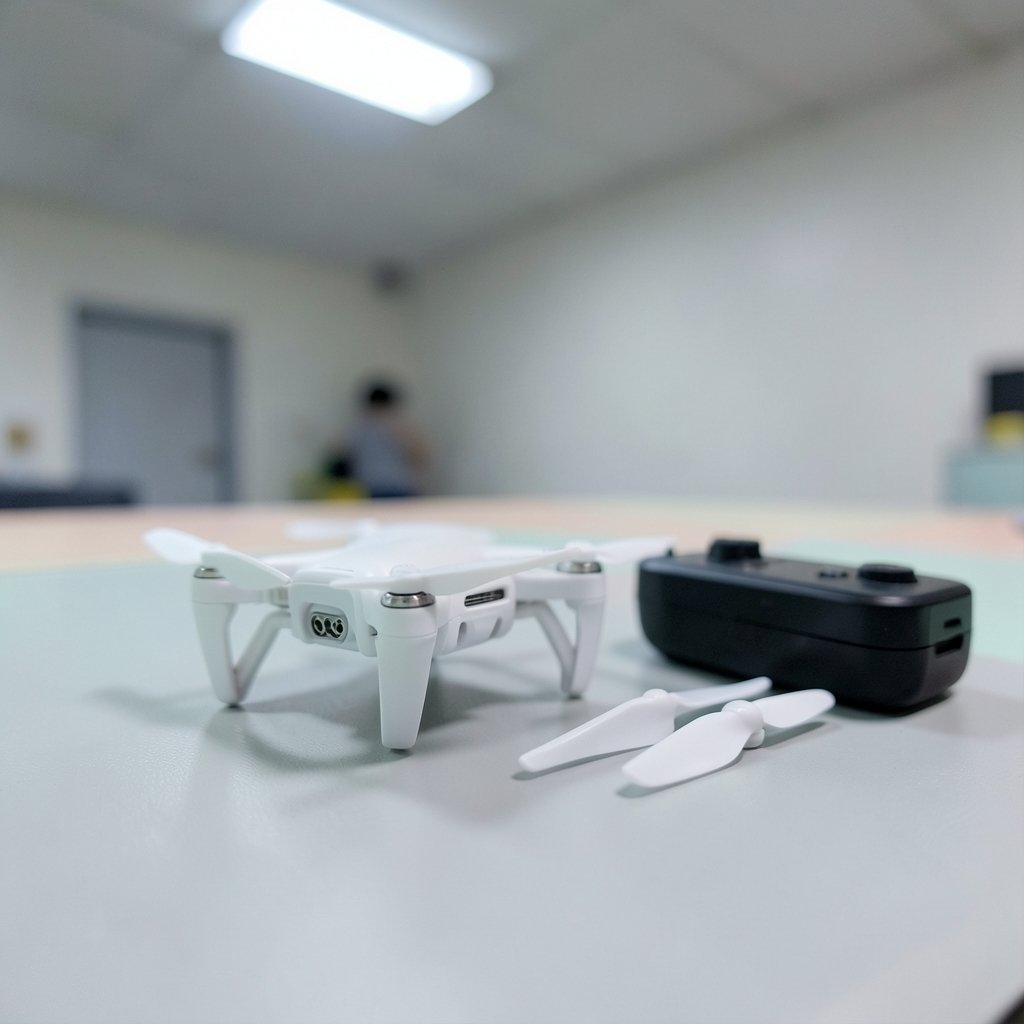
The sub-250g segment wins because it removes friction. No registration in most jurisdictions, fewer restrictions on where you can fly, and a drone that fits in a jacket pocket. The trade-off is real, though — small drones catch wind, and their cameras, while good, aren’t cinematic.
| Model type | Weight class | Best for | Watch out for |
|---|---|---|---|
| Mini folding drones | Under 250g | Travel, first flights, casual photos | Struggles above ~15 mph wind |
| FPV starter kits | Under 250g | Learning manual control | Steep learning curve, no GPS hold |
| Selfie/palm drones | Under 250g | Social content, hands-free shots | Limited range, basic stabilization |
| Compact camera drones | 250–500g | Better wind handling, 4K video | Registration required in most regions |
The DJI Mini family has dominated this segment for years, and the current lineup is still the safest recommendation for most people. But it’s no longer the only serious option. Autel, HoverAir, and Potensic all ship credible sub-250g fliers, and the gap in image quality has narrowed considerably. If you’re comparing hardware ecosystems more broadly, the same “wait for the second generation” logic that applies to gadgets like the Nintendo Switch 2 Lite and its rumored Samsung 8LPU+ chip applies here too: first-gen platforms often need a firmware cycle or two before they’re polished.
What Actually Matters in a First Drone
Beginners tend to over-weight camera megapixels and under-weight everything else. Here’s the honest priority order. (Unmanned aerial vehicle)
1. Stability in wind. A drone that can’t hold position in a breeze is a drone you’ll fly twice and shelve. Look for GPS plus downward vision positioning. This single feature matters more than any spec sheet number.
2. Battery reality, not battery claims. Manufacturers quote flight time under ideal conditions. Expect 60–70% of the advertised figure in real use. Buy at least one spare battery; two is better.
3. Controller quality. Cheap controllers with stiff gimbals make smooth footage nearly impossible. If the bundled controller feels like a toy in reviews, believe them.
4. Repair parts. Can you buy props, arms, and motors separately? A drone you can fix is a drone you’ll keep. A drone you can’t is landfill with a camera.
5. App maturity. The companion app is half the product. Buggy firmware and forced updates have ruined more first flights than bad sensors ever did.
A practical tip that saves real money: buy the base kit, not the “Fly More” bundle, unless you’ve already flown a friend’s drone and know you’ll stick with it. Bundles are excellent value for committed hobbyists and expensive clutter for everyone else.
Common Mistakes That Cost Beginners Money
Experience across forums and retailer return data points to a handful of repeat errors.
- Buying a drone with no GPS as a “learner.” Manual-only drones are harder to fly, not easier. They drift, they don’t hover, and they crash. Start with GPS assist.
- Ignoring registration thresholds. Flying a 300g drone unregistered in a jurisdiction that requires it is a fine waiting to happen.
- Flying in the wrong place. Airports, national parks, and crowded areas are off-limits in most countries. Check a local airspace map before every new location.
- Skipping the pre-flight check. Props cracked, battery swollen, firmware half-installed. Sixty seconds of inspection prevents most incidents.
- Over-trusting “beginner mode.” Geofenced altitude and distance limits help, but they don’t teach you to read wind or plan a shot.
There’s a broader lesson in how hype outruns verification, and it shows up in tech reporting constantly. Claims like Yandex bot traffic being linked to drone strikes circulate widely before anyone confirms them. The same skepticism is worth applying to drone marketing: a “4K” camera that shoots soft, noisy footage isn’t a 4K camera in any useful sense.
Matching the Drone to the Buyer
The “best” beginner drone depends entirely on what you want to do with it. Four buyer types cover most cases.
| Buyer type | Priority | Recommended class | Budget band |
|---|---|---|---|
| Casual photographer | Image quality, portability | Sub-250g with 1/2″ or larger sensor | Mid |
| Traveler | Weight, folding design, case size | Sub-250g folding | Mid |
| Aspiring FPV pilot | Manual control, crash resistance | FPV starter kit with prop guards | Low |
| Content creator | Tracking modes, vertical video | Sub-250g with subject tracking | Mid to high |
Notice that three of four categories land in the same weight class. That’s not laziness; it’s the market responding to regulation. The sub-250g ceiling has become the design target for nearly every beginner product, and buyers benefit from the competition.
For anyone weighing a bigger purchase across categories — a drone, a console, a car — the discipline is the same: separate the need from the want, then wait for a sale window. The logic behind Black Friday car deals applies to drones too. Discounts are real, but the models on deep discount are often the ones being replaced, so check whether the successor fixes something you’d care about.
Practical First-Flight Playbook
Knowing the specs is half the job. The other half is the first hour.
- Charge everything fully the night before, including the controller and phone.
- Update firmware at home, on Wi-Fi, before you leave. Never in the field.
- Find an open field with no people, no wires, and no airport within several miles.
- Calibrate the compass if the app prompts you, and re-calibrate if you’ve traveled far.
- Fly in beginner mode for the first three batteries. Altitude and distance caps are your friend.
- Practice one skill per flight: takeoff and hover, then slow yaw, then a figure-eight, then a landing on a marked spot.
- Land at 30% battery, not 10%. Battery sag near empty causes more crashes than wind.
A mistake almost every beginner makes: flying too far too soon. Range claims are line-of-sight numbers under ideal radio conditions. Keep the drone close enough that you can clearly see its orientation. If you lose sight of which way it’s facing, stop, hover, and use the app’s map to orient yourself before doing anything else.
There’s a related habit worth building early: treating unfamiliar claims with caution. The same instinct that helps you question a suspicious headline — say, an Iranian army claim about a US drone at Bandar Abbas — should make you read the fine print on a drone’s “10km range” or “48-minute flight time” before you pay for it.
Where the Money Goes: New vs. Used vs. Refurbished
Beginners often assume new is safest. It usually is, but not always by much.
New gets you a warranty, current firmware, and a return window. For a first drone, that peace of mind is worth a premium of maybe 15–20%.
Refurbished from the manufacturer is the sweet spot for many buyers. You get a warranty, a tested unit, and a meaningful discount. Avoid third-party refurbishers with vague policies.
Used is cheapest and riskiest. Check battery cycle count, inspect props and arms for stress marks, and ask for flight logs if the seller has them. A drone with a swollen battery is a fire risk, not a bargain.
One more cost people forget: insurance and care plans. If you’re flying a mid-range drone, a refresh or care plan often pays for itself after a single crash. Read the deductible terms carefully; some plans charge a per-replacement fee that adds up fast.
Regulation in Practice, Not Theory
Rules sound abstract until you’re standing in a field wondering if you’re allowed to be there. A few practical habits keep beginners legal without requiring a law degree.
Register the drone if your jurisdiction requires it, and put the registration number on the airframe where it’s visible. Complete the required knowledge test or online course before your first flight, not after. Check airspace with an official app before every session at a new location. And respect people: flying over crowds, beaches, or private property without permission is the fastest way to turn a hobby into a complaint.
The regulatory landscape also keeps shifting, which is why official sources beat blog summaries every time. A DHS counter-drone test involving first responders is a reminder that airspace enforcement is getting more sophisticated, not less. Fly as if someone is watching, because increasingly, someone is.
Conclusion
The best drone for beginners in 2026 is almost certainly a sub-250-gram model with GPS positioning, a decent controller, and a parts source you can actually buy from. Start there. Fly it for a season. Learn what you actually want — longer range, better low-light video, manual control — and then upgrade. The beginners who regret their purchase are rarely the ones who bought modestly and practiced; they’re the ones who bought big, skipped the rules, and crashed an expensive machine on day two.
Buy small, fly often, check your local rules, and let the hobby grow into the hardware instead of the other way around.
Frequently Asked Questions
What is the best drone for a complete beginner in 2026?
A sub-250-gram folding drone with GPS positioning and obstacle sensing is the safest starting point. It avoids most registration requirements, handles casual photography well, and is small enough to practice with in a local park. The specific model matters less than those three features.
Do I need to register a beginner drone?
It depends on weight and jurisdiction. In the US, drones under 250 grams flown recreationally generally don’t require registration, though Remote ID rules still apply to most aircraft. The EU and UK have their own thresholds and class labels. Always confirm with your national aviation authority before flying.
How much should a first drone cost?
A capable beginner drone typically falls in the low-to-mid hundreds of dollars. Spending more buys better cameras and longer range, but the returns diminish fast for someone still learning. Budget for a spare battery and a care plan before upgrading the drone itself.
Can I fly a drone without any training?
Legally, most jurisdictions require some form of free online knowledge test or registration before recreational flight. Practically, training matters just as much: an hour of supervised practice prevents more crashes than any manual. Start in an open field with beginner mode enabled.
How long does a beginner drone battery actually last?
Expect roughly 60–70% of the advertised flight time in real conditions, less in cold weather or strong wind. A drone rated for 30 minutes will typically give you 18–22 minutes of useful flight. Buy a spare battery and land at around 30% charge.
Should I buy new, refurbished, or used?
New offers the safest experience with a full warranty and return window. Manufacturer-refurbished units are the best value for many buyers, since they keep the warranty at a lower price. Used is cheapest but demands careful inspection of batteries, props, and airframe stress marks.