Quick Answer: What is an ai wearable?
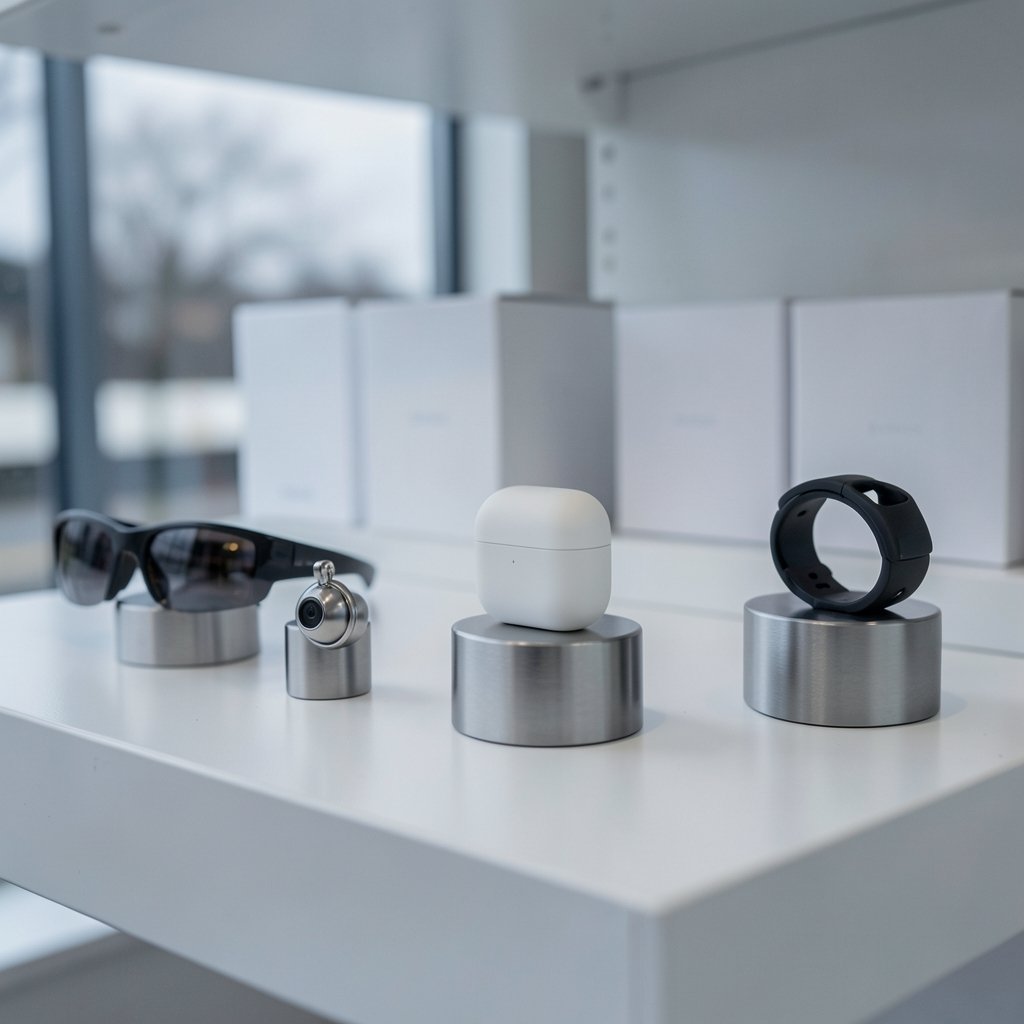
An AI wearable is a body-worn device that uses artificial intelligence to sense your surroundings, interpret what it detects, and act on that context, usually hands-free. You wear it on your face, chest, finger, wrist, or in your ears, and it responds to voice, gesture, or automatic sensing. (Wearable technology)
These devices differ from ordinary fitness trackers and smartwatches because generative or assistant AI is the main function, not an add-on. A step counter logs data; an AI wearable tries to understand a scene, answer a question, or summarize a conversation.
Before buying or recommending one, compare battery life, on-device versus cloud processing, privacy and recording rules, subscription costs, app compatibility, comfort, and return policy. Those factors matter more than the demo video.
The first time most people saw an AI wearable in the wild, it was a pair of glasses with a camera and a voice in the frame. Since Meta’s Ray-Ban smart glasses arrived in October 2023, the category has exploded into pendants, lapel pins, rings, and earbuds, each promising to put an assistant within reach without pulling out a phone. The idea is old, but the execution is new, and the results are uneven. Some devices feel like a genuine glimpse of the future. Others feel like a $700 science project. This guide separates the two, explains how the technology actually works, and covers what to check before spending money. (Wearable technology)
The Core Idea Behind AI Wearables
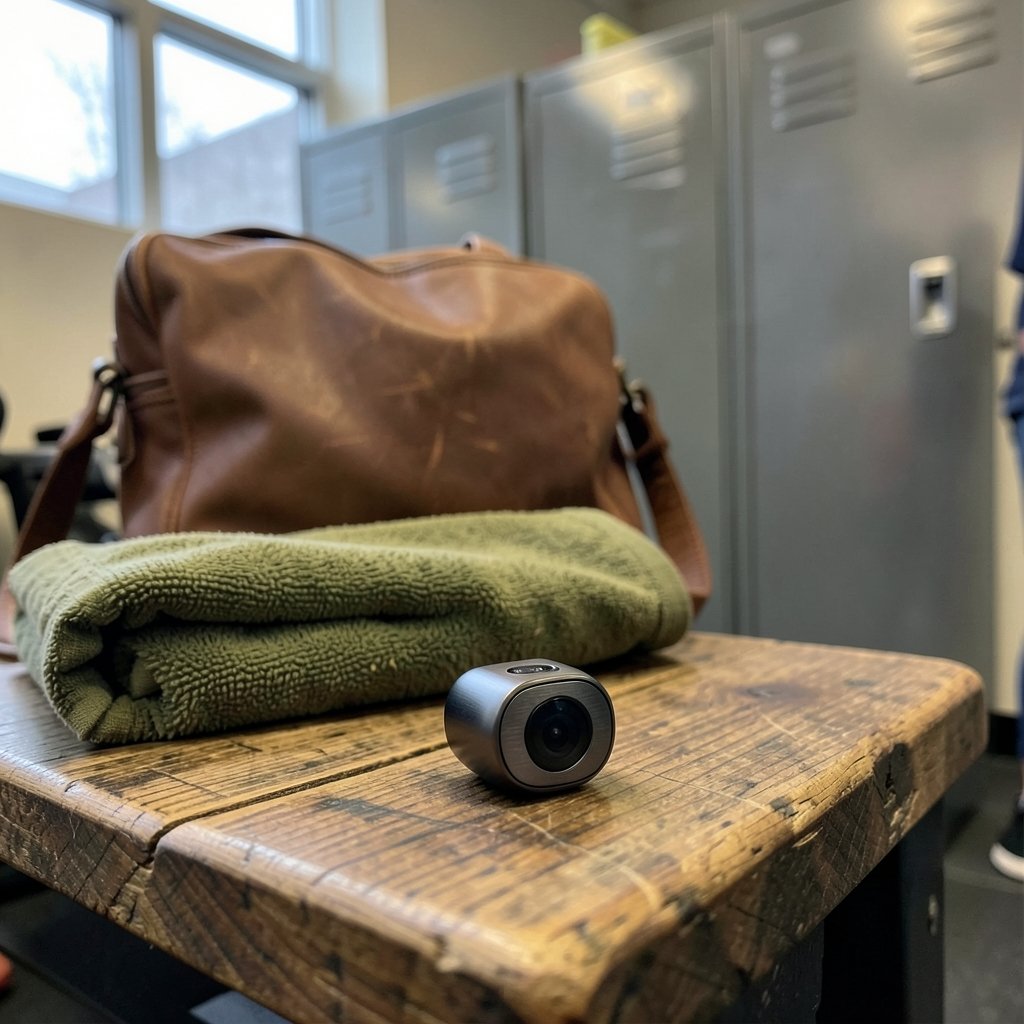
Every AI wearable does three things: it senses, it interprets, and it acts. A camera or microphone captures the world. A model, either on the device or in the cloud, makes sense of that input. Then the device responds, whether by speaking an answer, projecting text, logging a health trend, or quietly saving a note.
What separates this category from earlier wearables is the role of AI. A 2015 fitness band counted steps and pushed notifications. An AI wearable tries to answer “what am I looking at?” or “summarize the meeting I just had.” That shift from measurement to interpretation is the whole ballgame. It also explains why the category is so messy right now: the hardware is small, but the intelligence behind it is enormous.
There is no single standards-body definition of an AI wearable, and analysts disagree about whether smartwatches and fitness bands belong in the same bucket. That definitional fog makes market-size estimates swing wildly, so treat any single figure with caution.
The Main Types of AI Wearables
Smart Glasses
Smart glasses are the most visible form of AI wearable. Meta’s Ray-Ban glasses combine a camera, open-ear speakers, and a voice assistant, and they added multimodal “look and ask” features in the US starting in December 2023. You can point your face at something and ask a question about it. The appeal is obvious: your hands stay free and your phone stays in your pocket.
AI Pins and Pendants
Screenless devices that clip to your shirt or hang from a lanyard. Humane’s AI Pin was unveiled in November 2023 and shipped in April 2024 with a laser projector and a cellular assistant. It became a cautionary tale after poor reviews and high return rates. Rabbit’s r1, announced in January 2024, took a similar standalone-companion approach. The lesson from both: a wearable assistant has to be reliably better than the phone you already own.
Smart Rings and Bands
Rings like the Oura Ring, which launched its third generation in 2021, predate the “AI wearable” label but increasingly market AI-driven health insights. These devices are passive rather than conversational, which makes them easier to live with. They also raise fewer bystander-privacy problems because they don’t record the world around you.
AI Earbuds
Earbuds with live translation, conversation summaries, and voice assistants are quietly becoming one of the most practical corners of the market. People already wear earbuds, so the behavior change is small.
| Type | Typical Function | Strength | Main Weakness |
|---|---|---|---|
| Smart glasses | Camera + voice assistant | Hands-free visual context | Bystander privacy, battery |
| AI pin/pendant | Voice-first assistant | Always accessible | Weak value vs. phone |
| Smart ring | Health and sleep insights | Discreet, long battery | Passive, limited interaction |
| AI earbuds | Translation, summaries | Familiar form factor | Audio-only context |
How the Technology Actually Works
The most important architectural split is on-device versus cloud inference. On-device processing, using phone-class neural chips or edge silicon, improves latency and keeps data local. Cloud processing allows larger models but depends on a network connection and sends data off the device.
Most consumer AI wearables hedge. They run wake-word detection and basic sensing locally, then push heavier requests to a paired phone or the cloud. This is why so many “standalone” devices still lean on your phone for setup, updates, and heavy lifting.
Battery and heat are the hard limits. Continuous sensing plus model inference is power-hungry, and a device that sits against your skin can’t afford to run hot. That single constraint explains a lot of design choices: short recording windows, tiered processing, and the frequent need to recharge. Anyone who has used an always-on camera device knows the ritual of the nightly charge.
What These Devices Are Actually Good At
In practice, AI wearables shine in a narrow set of jobs. Capturing a thought before it evaporates. Asking about something you’re looking at without breaking eye contact. Getting a quiet nudge about a meeting. Translating a menu. Logging a health trend without thinking about it.
They are much weaker at open-ended tasks. Long conversations with an assistant feel awkward in public. Complex visual questions often produce confident but wrong answers. And the “do everything” pitch collapses the moment you compare it to the phone in your pocket, which has a bigger battery, a better screen, and a stronger model.
The pattern that actually works: buy a wearable for one job it does well, not for the fantasy of a universal assistant.
Privacy, Consent, and the Rules Nobody Agrees On
Camera- and microphone-equipped wearables raise the central tension of the category: bystander consent. The person across from you didn’t choose to be recorded, and they may not know they are. Several jurisdictions restrict covert recording, and the rules vary widely by country and even by state.
Academic HCI research on head-mounted cameras and bystander privacy predates the 2023 consumer wave by years, and the findings are consistent: people dislike being recorded without knowing, and social friction follows the device. Consumer protection agencies have taken a growing interest in how always-on devices collect and share data, and buyers should read the privacy policy before the spec sheet.
Practical guidance that holds up: know your local recording laws, tell people when a device is capturing, and turn off always-listening features you don’t use. The social cost of being “the person with the camera” is real, and it’s often higher than the sticker price.
What to Check Before You Buy
- Battery life under real use. Ignore standby figures. Look for continuous-use numbers with the AI features turned on.
- On-device vs. cloud processing. Ask where your audio and images go, and whether you can disable cloud features.
- Subscription costs. Some devices require a monthly plan for core features. Add it to the total cost of ownership.
- Privacy and recording rules. Check local law and the device’s indicator light or recording notification.
- App and service compatibility. Confirm it works with your phone and the services you already use.
- Comfort and fit. A device you don’t want to wear is a device you won’t use.
- Return policy. This category has a high regret rate. A generous return window is worth more than a spec bump.
Common Mistakes Buyers Make
The biggest mistake is buying the demo, not the device. Launch videos are edited to show the best ten seconds. Real use involves failed wake words, dead batteries, and awkward public moments.
The second mistake is assuming a standalone device replaces a phone. It rarely does. The third is ignoring the subscription. The fourth is underestimating social friction: wearing a camera on your face changes how people talk to you. The fifth is skipping the privacy policy, which is where the real terms of the deal live.
What works instead: wait for independent reviews, buy from a retailer with a real return window, and test one job for two weeks before committing to the device and its services.
The Market Picture and Where It’s Heading
The category is young and unsettled. Definitions conflict, launch hype outpaces delivery, and several high-profile devices have struggled commercially. Company sources are promotional by nature, so treat specs and claims as vendor statements until independent testing confirms them.
The direction of travel is clear, though. Smaller chips, better on-device models, and lower power draw will make always-on assistance more feasible. The winners will likely be devices that disappear into existing habits, glasses you already wear, earbuds you already use, rings you forget about, rather than new objects that demand attention.
Conclusion
An AI wearable is a body-worn device that senses your context and uses AI to interpret it, and the category is real but immature. Smart glasses lead on ambition, rings lead on discretion, and pins have mostly served as warnings. The technology’s limits, battery, heat, privacy, and social friction, are not going away soon. The smart move is to pick one clear job, verify the privacy terms, budget for subscriptions, and keep the receipt. Do that, and an AI wearable can be a genuinely useful tool rather than an expensive conversation piece.
Frequently Asked Questions
Are AI wearables the same as smartwatches?
Not exactly. Smartwatches are general-purpose computers for your wrist, and many now include AI features. AI wearables are defined by AI as the core function, usually with sensing and voice interaction. The line is blurry, and analysts disagree about where to draw it, so focus on what a device actually does for you rather than the label.
Do AI wearables work without a phone?
Some do, especially cellular-enabled pins and glasses with built-in connectivity. Most still rely on a paired phone for setup, updates, and heavier processing. Check the fine print on which features work offline before you assume a device is truly standalone.
Are these devices legal to use in public?
Generally yes, but recording laws vary by country and state. Covert audio recording is restricted in many places, and some jurisdictions require consent from everyone being recorded. Know your local rules, watch for recording indicator lights, and tell people when a device is capturing.
How long does the battery last?
It depends heavily on use. Devices that continuously sense and run AI features drain fastest, often needing a daily charge. Passive devices like rings can last several days. Always look for continuous-use figures with AI features enabled, not standby numbers.
Do I need a subscription?
Some devices require a monthly plan for core AI features, while others include basic functions for free. Add any subscription to the purchase price before comparing options, because a cheap device with a mandatory plan can cost more over two years than a pricier one without.
Is it worth buying one right now?
It depends on the job. If you want hands-free visual questions, translation, or passive health tracking, current devices can deliver real value. If you want a universal assistant that replaces your phone, the technology isn’t there yet. Buy for one clear use case, keep the return window open, and expect the category to improve quickly.