
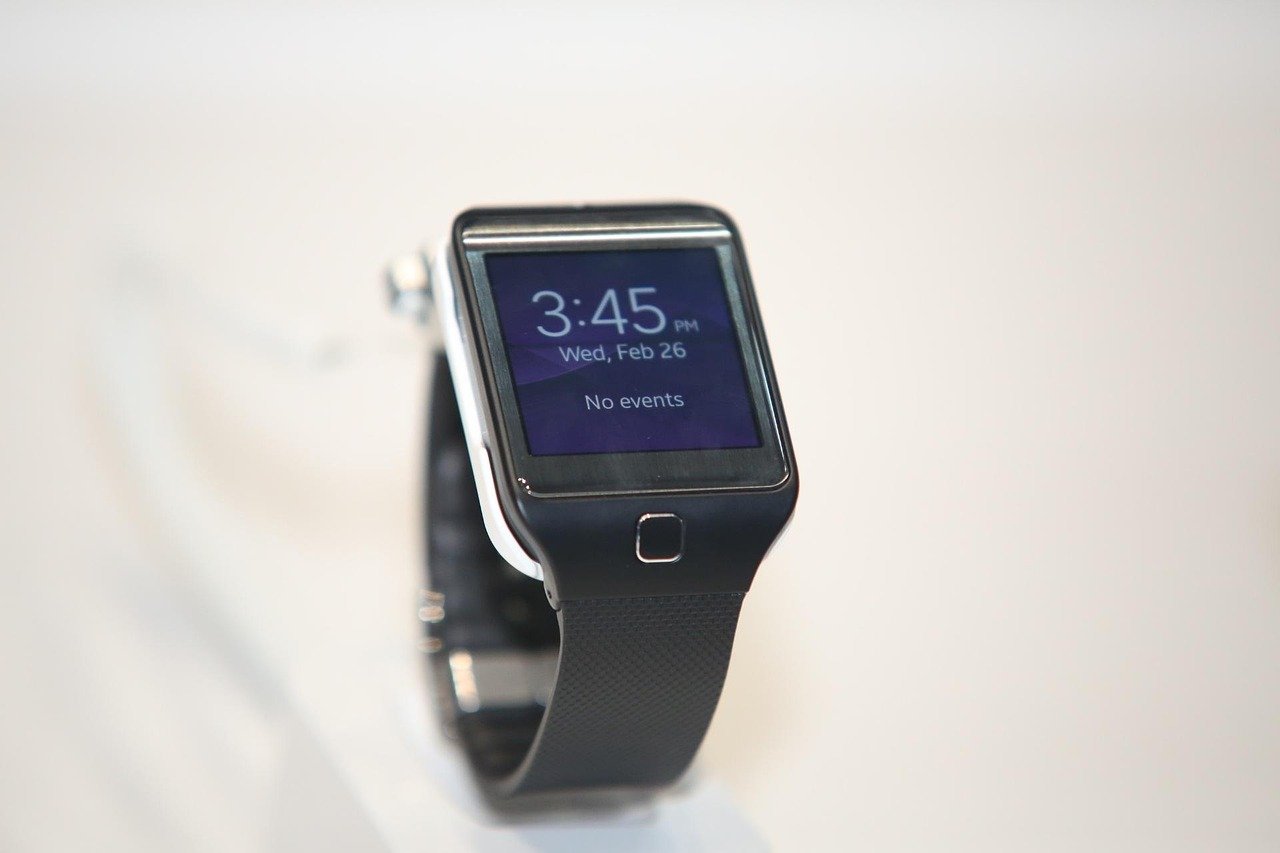
Quick Answer: Is smartwatch worth buying for beginners and everyday use?
It depends. A smartwatch is worth buying if you want notifications, timers, contactless payments, and basic workout or sleep tracking on your wrist without pulling out your phone — and you accept charging it regularly. If you mainly want step counts and a simple alarm, a cheap fitness band does most of that for far less money and far fewer charging headaches. (Smartwatch)
The biggest fork in the road is your phone. iPhone owners get the smoothest experience from an Apple Watch, while Android users are better served by Wear OS or a brand-specific watch. Cross-platform use often strips out features, so match the watch to the phone in your pocket first.
Before buying, compare battery life, phone compatibility, display type, health sensors, water resistance, app support, and total price including straps and subscriptions.
Why So Many Beginners Get This Wrong
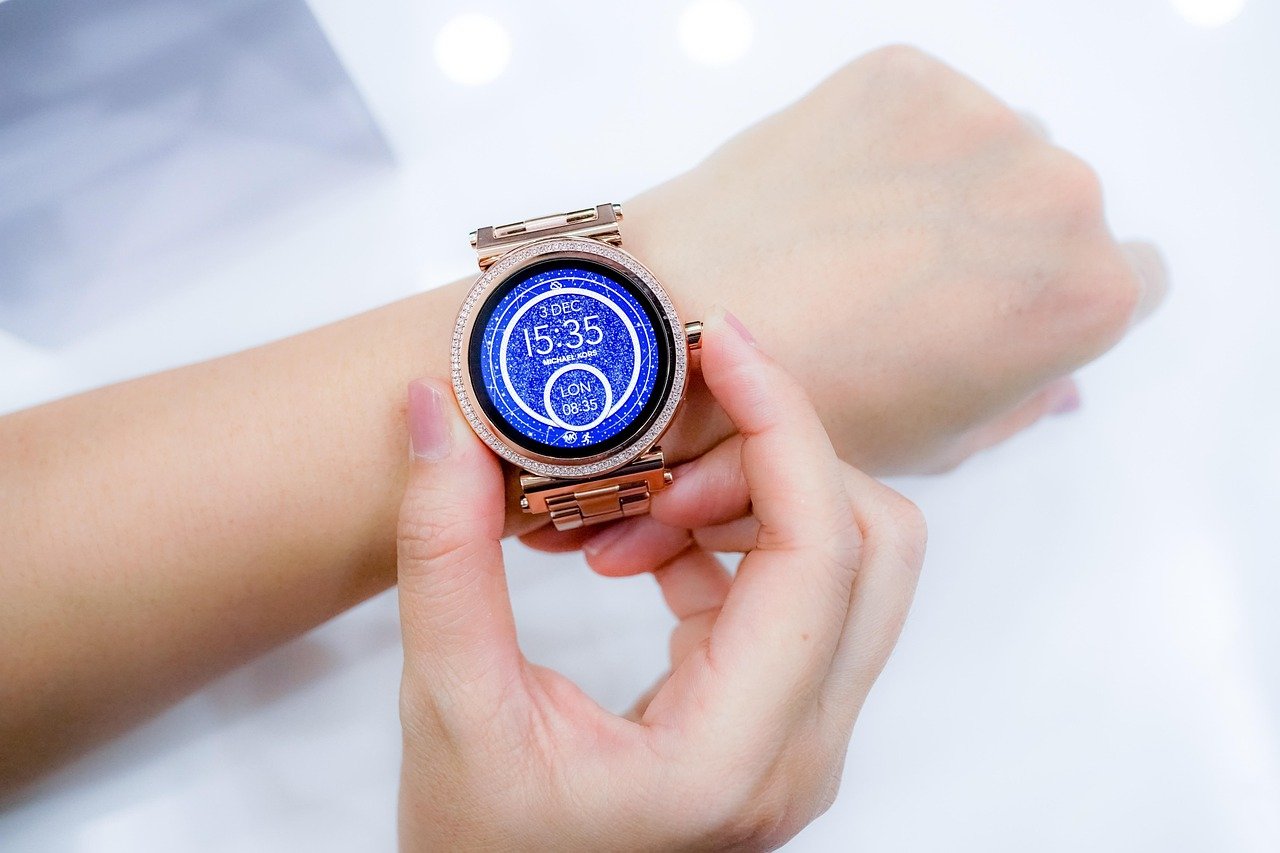
Here’s a number worth sitting with: the global wearables market ships well over 100 million smartwatches a year, according to quarterly tracking by IDC. That is a staggering volume of tiny screens strapped to wrists. Yet walk through any secondhand marketplace and you’ll find thousands of barely used watches, still in the box, sold by people who bought on hype and gave up after two weeks.
The pattern is predictable. Someone sees a friend get a notification mid-run, or watches a review video full of slow-motion footage of mountain trails, and buys the flagship model. Three weeks later the watch is on a nightstand, dead, because charging it every single day felt like a chore nobody signed up for.
So the real question isn’t “are smartwatches good?” It’s “is a smartwatch good for you, right now, as a beginner?” That’s a different calculation, and it comes down to honest self-assessment rather than spec sheets.
What a Smartwatch Actually Does Well
Strip away the marketing and the genuinely useful everyday functions are surprisingly modest — but they’re the ones people miss when the watch is gone.
Notifications without the phone. A quick glance at your wrist for a message, a calendar nudge, or a delivery update sounds trivial until you notice how often you otherwise reach for a phone and get pulled into twenty minutes of scrolling. For many people this is the single most valuable feature, and it’s the one beginners underestimate.
Timers and alarms. Cooking, workouts, laundry, focused work blocks. A wrist timer is faster than reaching for a phone to set a timer, and it doesn’t hijack your attention.
Contactless payments. Tap-to-pay from the wrist is genuinely convenient, though availability depends on your bank and region.
Basic activity and sleep tracking. Steps, heart rate trends, and sleep duration are interesting and mildly motivating. Treat them as wellness nudges, not medical data.
Safety features. Fall detection and emergency calling exist on several models, which matters for older relatives or solo runners. Availability varies by model and country, so check the manufacturer’s documentation rather than assuming.
If those five things sound like your week, a smartwatch will earn its place. If they sound like a list of things you’d rather do on your phone, keep reading.
Where Smartwatches Fall Short
This is the section reviews tend to soften, and beginners deserve it straight.
Battery life is the real constraint. Most full-featured watches — Apple Watch and mainstream Wear OS devices — need charging roughly daily. Fitness-focused models from Garmin, Amazfit, and some Fitbits stretch to days or weeks, but they trade away app ecosystems and slick touchscreens. Manufacturer battery claims and real-world results often diverge sharply, so read independent testing before you commit.
Health sensors are not medical grade. Heart rate and blood oxygen readings on consumer wearables are generally framed by manufacturers as wellness features, not diagnostic tools. Regulatory clearance for things like ECG varies by country. If you have a heart condition, a watch is not a substitute for a doctor — full stop.
Sleep tracking is the least reliable feature. It’s improving, but accuracy varies noticeably between brands and even between nights. Don’t buy a watch primarily for sleep scores.
Cross-platform limits are real. An Apple Watch paired with an Android phone simply doesn’t work as intended, and many Wear OS features degrade on iOS. Buy a watch that matches your phone.
The subscription trap. Some watches bundle advanced coaching or health insights behind a monthly fee. Factor that into the total cost over two or three years, beyond the sticker price.
Match the Watch to Your Phone, Not the Hype
The single most common beginner mistake is buying a beautiful watch that fights with their phone. Here’s the practical landscape:
| Your phone | Sensible first choice | What you give up |
|---|---|---|
| iPhone | Apple Watch (SE or mainstream model) | Multi-day battery life; Android-only features |
| Android | Wear OS watch or Samsung Galaxy Watch | Some iPhone-only integrations |
| Android, fitness-first | Garmin, Amazfit, or Fitbit | Rich app stores, polished smart features |
| Either, budget-focused | Fitness band or entry-level watch | Apps, payments, large displays |
Notice what’s missing: “the best watch overall.” There isn’t one. There’s the best watch for your phone and your habits. A beginner who buys a watch that doesn’t match their phone usually ends up frustrated within a month — notifications arrive late, features are greyed out, and the return window has closed.
The same logic applies to any beginner tech purchase. People who research compatibility first — whether it’s a watch, a 3D printer for beginners that matches their software, or smart home devices for beginners that match their hub — tend to stick with the hobby. The ones who buy the flashiest thing on sale often don’t.
What Beginners Should Check Before Buying
Work through this list in order. It takes fifteen minutes and saves months of regret.
- Confirm phone compatibility. Check the manufacturer’s official support pages, not a retailer listing.
- Decide your charging tolerance. Daily charging is fine for some, a dealbreaker for others. Be honest.
- Pick your must-have features. Payments? Sleep tracking? Running GPS? Emergency calling? Rank them.
- Check case size and comfort. A 45mm watch on a small wrist is uncomfortable at night, and an uncomfortable watch gets worn less.
- Verify water resistance. “Splash resistant” and “swim-proof” are different claims.
- Add up the true cost. Watch, extra strap, and any subscription, over three years.
- Buy from a retailer with a generous return window. Wear it for a week and see if it survives your routine.
That last point is underrated. A watch either fits your life in seven days or it doesn’t, and no review can tell you that.
Budget Tiers: What Your Money Actually Buys
Entry-level watches (roughly the price of a nice dinner for two, times a few) cover notifications, basic fitness tracking, and often payments. Mid-range models add better displays, more accurate GPS, and richer health features. Flagships add premium materials, cellular connectivity, and the best sensors — along with the shortest battery life in the lineup.
Here’s the counterintuitive part: beginners rarely need the flagship. The features that make a watch useful day to day — notifications, timers, steps — are present at every tier. The extras you’re paying for at the top are precisely the ones beginners use least. Start modest, discover what you actually miss, and upgrade later with real information instead of guesswork.
The same pattern shows up across hobby tech. A beginner ukulele for beginners doesn’t need to be a professional instrument to teach you whether you love playing. A starter watch doesn’t need to be a flagship to teach you whether you love wearing one.
Smartwatch vs Fitness Band vs Just Using Your Phone
A fitness band is smaller, cheaper, and often lasts a week or more on a charge. It tracks steps, heart rate, and sleep, and shows notifications. What it lacks is a rich display, app support, and the “small computer on your wrist” feel.
Your phone, meanwhile, already does almost everything a smartwatch does — it’s just less convenient to reach for. The honest test is this: how often each day do you wish your phone were already in your hand? If the answer is “constantly,” a watch will genuinely help. If it’s “rarely,” you may be buying a solution to a problem you don’t have.
There’s a middle path too. Plenty of people find that a cheap band satisfies their curiosity, and a year later they know exactly which features they’d pay more for. That’s a smarter route than guessing at the top of the market.
What Actually Happens After the Honeymoon
The first week with a new watch is delightful. Notifications buzz, rings close, sleep graphs appear. The second month is where the truth lives.
Watches that stick share a few traits. They’re comfortable enough to sleep in. Their battery fits the owner’s routine without anxiety. And crucially, they replace something the owner was already doing — checking a phone, timing a workout, tapping a card. Watches that get abandoned usually demanded a behavior change the owner never wanted.
If you’re curious how quickly enthusiasm fades for gadget purchases generally, the pattern is familiar across tech: the novelty curve on a new AI video generator from images looks a lot like the one on a smartwatch. The tools that survive are the ones that slot into an existing habit rather than demanding a new one.
Conclusion
So, is a smartwatch worth buying for beginners and everyday use? For a specific kind of person, yes — clearly. If you check your phone dozens of times a day, want timers and payments on your wrist, and don’t mind a charging routine, a mid-range watch matched to your phone will quietly earn its keep. It won’t transform your health or your life, but it will smooth out a hundred small frictions a week.
For everyone else — the person who leaves their phone in a bag, hates charging things, or mainly wants a step counter — a fitness band or simply no wearable at all is the smarter buy. There’s no shame in that answer. The best wearable is the one you’ll still be wearing in six months, and for plenty of people that’s nothing at all.
Start modest, match the watch to your phone, buy somewhere with a real return policy, and let your own week decide. That’s a far better guide than any spec sheet.
FAQ
Do I need a smartwatch if I already own a fitness band?
Not necessarily. A band covers steps, heart rate, sleep, and notifications. Upgrade only if you specifically want a larger display, contactless payments, apps, or richer workout data. Many people stay with bands for years and don’t feel they’re missing anything important.
How often do I really have to charge a smartwatch?
Full-featured watches typically need charging about once a day, sometimes every other day. Fitness-focused models can last several days to a couple of weeks. Charging habits matter more than the number on the box, so think about when you’d realistically plug it in — many people charge during a morning shower.
Are smartwatch health features accurate enough to trust?
Treat them as wellness tools, not medical devices. Heart rate during steady exercise is generally reasonable, while sleep staging and blood oxygen readings vary more between brands. If a reading concerns you, confirm it with a proper medical device or a doctor rather than acting on your watch alone. (Exercise)
Can I use an Apple Watch with an Android phone?
No, not as a functioning smartwatch. Apple Watch requires an iPhone for setup and core features. Likewise, many Wear OS features are limited on iOS. Always buy a watch designed for your phone’s operating system — this is the mistake beginners regret most.
Is a cheap smartwatch a bad idea for a first purchase?
Not at all. Entry-level watches cover notifications, timers, basic fitness tracking, and often payments. They’re an excellent way to learn which features you actually use before spending more. The main trade-offs are display quality, GPS accuracy, and app selection.
Will a smartwatch help me exercise more?
It can nudge you — reminders, streaks, and visible progress do motivate some people — but it won’t create the habit for you. The people who benefit most already had a routine the watch could support. If motivation is the missing piece, a watch is a tool, not a fix.



