Quick Answer: Is airpods worth buying for beginners and everyday use?
It depends. AirPods are genuinely excellent everyday earbuds if you own an iPhone, because pairing is nearly instant, switching between devices is smooth, and features like Find My and hands-free Siri work without extra apps. For Android users, though, they behave like ordinary Bluetooth earbuds with several headline features locked away, which weakens the value considerably.
The lineup also matters more than the brand name. Standard AirPods suit casual listeners who dislike silicone tips, while the Pro models add noise cancellation and a better fit for commuters and open offices. Budget alternatives from Sony, Anker, and JBL often deliver comparable sound for less money.
Before buying, compare price, fit and tip style, battery life, water and sweat resistance, noise cancellation, phone compatibility, and replacement cost of a lost single bud.
A Surprising Number Behind the Hype
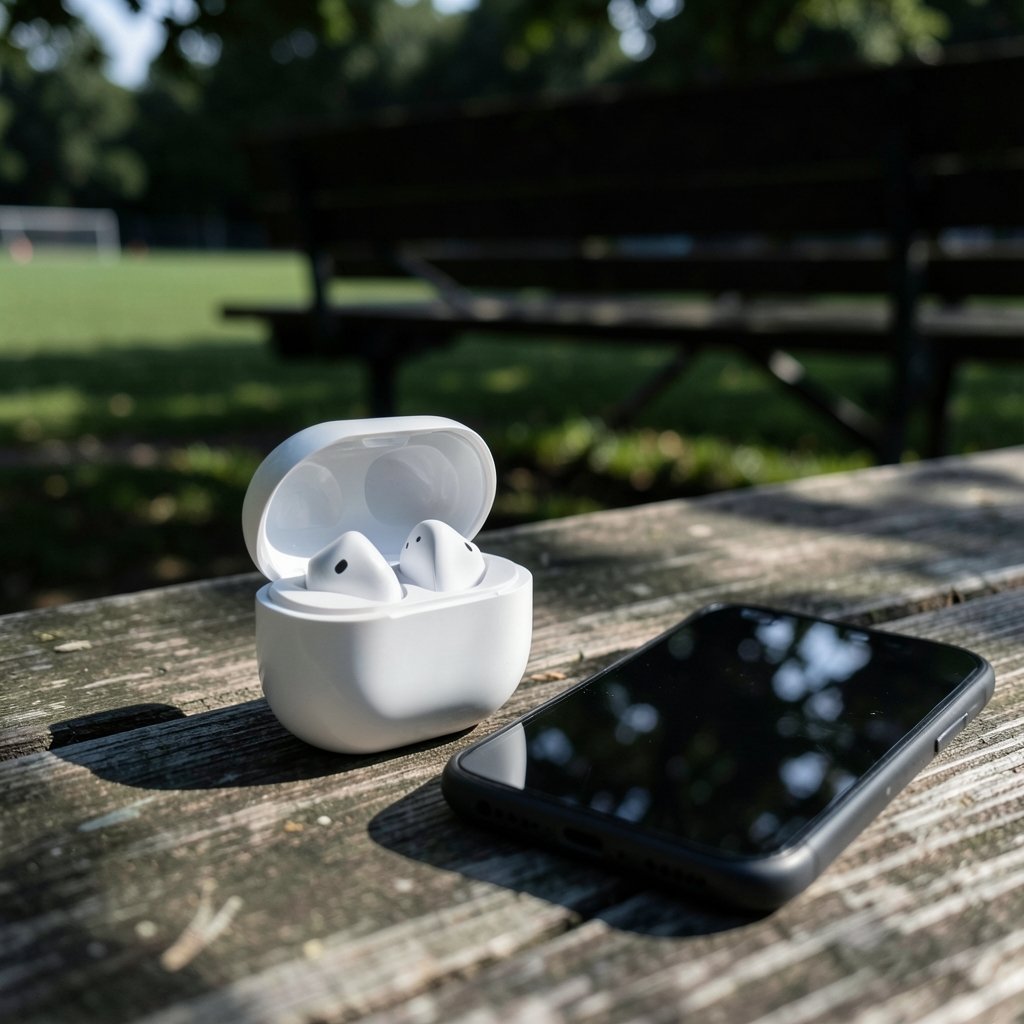
Apple sold an estimated 100 million AirPods within roughly three years of launch, according to widely reported industry estimates from Counterpoint Research and Bloomberg. That is a staggering adoption curve for a product many people mocked as “expensive toothbrushes” when the first generation arrived in September 2016 at $159.
The mockery faded fast. What replaced it was a genuine question that beginners still ask today: are these things actually worth the money, or are you paying a premium for a logo and a clever pairing animation? The honest answer sits somewhere in the middle, and it depends heavily on what phone sits in your pocket. (Best ukulele for beginners)
This guide covers the practical points: how the models differ, what you gain and lose outside Apple’s device lineup, the mistakes first-time buyers make, and how to decide without overthinking it.
What AirPods Actually Do Well
The core appeal is not audiophile sound quality. It is friction removal.
Open the case near an iPhone and a card appears on screen. Tap once and you are connected. Put one bud in and audio pauses; take it out and playback resumes. Switch to a Mac or iPad and the connection follows you. These small conveniences compound over hundreds of daily interactions, and they are the reason so many people describe AirPods as boring in the best possible way.
Spatial audio with head tracking, introduced with the third-generation AirPods in October 2021, adds an immersive layer for movies and supported music. Find My integration means a misplaced bud can be pinged from your phone, which matters more than newcomers expect. Losing earbuds is common, and the ability to locate a case under a couch cushion is quietly one of the most useful features in the entire product.
Call quality is another underrated strength. The beam-forming microphones handle wind and street noise better than most budget rivals, which is why AirPods became the default headset for millions of remote workers.
Where AirPods Fall Short
The weaknesses are just as real, and beginners deserve to hear them up front.
Batteries degrade. Apple states plainly that AirPods batteries are not user-replaceable, and lithium-ion cells lose capacity over time. After two to three years of heavy use, many owners find themselves charging the case more often and getting shorter listening sessions. Replacement batteries are not an official option, so aging AirPods eventually become disposable electronics. That is an environmental and financial consideration worth weighing. (AirPods)
Fit is another sticking point. The standard models use a hard plastic shape that fits some ears perfectly and others poorly. If they slip out during walks, no firmware update will save you. The Pro models solve this with silicone tips in multiple sizes, which is one reason commuters gravitate toward them.
Then there is the wall around Apple devices. On Android, AirPods connect like any Bluetooth earbud, but you lose fast pairing, automatic switching, Find My, firmware updates delivered easily, and hands-free Siri. You are paying Apple prices for a fraction of the experience.
Comparing the Current Lineup
| Model | Approx. Launch Price | Key Strength | Best For |
|---|---|---|---|
| AirPods (2nd gen) | $129 | Cheapest entry point | Casual listeners on a budget |
| AirPods (3rd gen) | $169 | Spatial audio, shorter stem | Everyday iPhone users |
| AirPods 4 | $129–$179 | Modern design, optional ANC | Most beginners in 2026 |
| AirPods Pro (2nd gen) | $249 | Active noise cancellation, USB-C case | Commuters, open offices |
| AirPods Max | $549 | Over-ear comfort, premium sound | Home listeners, long sessions |
The Pro models launched in October 2019 and were refreshed in September 2022, with a USB-C charging case arriving alongside the iPhone 15 in September 2023. That USB-C shift matters for beginners buying today: it means one cable charges your phone, tablet, and earbuds.
For anyone weighing a first purchase, the practical shortlist is usually the standard AirPods 4 for simplicity or the Pro model if noise cancellation is non-negotiable. The Max is a different category entirely and rarely the right first purchase.
Water, Sweat, and Real-World Durability
Water resistance ratings differ sharply by model, and this is one of the most commonly misunderstood specs. Apple publishes per-model guidance on sweat and water resistance, and the ratings are not uniform across the lineup. Pro models are rated for sweat and water exposure during workouts; some standard models historically were not.
The practical takeaway: if you plan to run, cycle, or lift in these earbuds, check the specific model’s rating rather than assuming “AirPods” means “gym-proof.” And regardless of rating, no AirPods are designed for swimming or showering, and resistance degrades with wear and tear. (AirPods)
Beginners often make the mistake of buying the cheapest model for workouts, then discovering the fit loosens when sweaty. Silicone-tipped designs generally hold better during exercise.
The Beginner Mistakes That Cost Money
First-time buyers repeat a handful of errors, and each one is avoidable.
- Buying for the wrong phone. If you use Android, test a friend’s pair first. The feature gap is large enough to change the purchase decision.
- Skipping the fit test. Standard AirPods either fit your ears or they do not. Buy from a retailer with a return window and wear them for a few days.
- Ignoring the resale and replacement market. A single replacement AirPod costs a meaningful fraction of a new pair, so a protective case and Find My setup are cheap insurance.
- Assuming all generations are equal. Older generations lack spatial audio, water resistance, or the newer case options. Generation matters more than the label.
- Overpaying for features you will not use. If you never take calls outdoors and never fly, noise cancellation may not justify the price jump.
If you enjoy digging into buying guides before committing, the same principle shows up in other hobbies: entry-level gear should remove friction, not add complexity. A beginner’s first purchase in any category—whether audio gear, a musical instrument, or a desktop fabrication tool—rarely rewards starting at the top of the market.
AirPods Versus the Alternatives
The competition has caught up aggressively. Sony’s WF-C series, Anker’s Soundcore line, and Nothing’s budget buds all deliver solid sound, decent microphones, and app-based controls for less money. Many of them work equally well on iOS and Android, which is a genuine advantage for households with mixed devices.
Where AirPods still win is integration. No third-party brand matches the ease of pairing, switching, and locating buds across Apple devices. If you own an iPhone, iPad, and Mac, that cohesion is worth real money to many people. (Gameboy Color Games: 15 Classics Still Worth Playing)
Where AirPods lose is value per dollar on raw audio. Enthusiasts frequently note that similarly priced competitors offer richer bass or more detailed mids. For casual listening, podcasts, and calls, the difference is minor. For critical listening, it is noticeable.
There is also the wired option. A $20 pair of wired earbuds still sounds fine, never needs charging, and never loses a pairing. For a true beginner who listens occasionally, that may be the honest recommendation.
Battery, Longevity, and the Cost of Ownership
Apple’s battery guidance is clear that these cells age, and the company does not publish a single “years of life” figure, so be skeptical of anyone who quotes one confidently. Real-world reports cluster around two to three years of daily use before capacity becomes annoying.
That reframes the purchase as a subscription rather than an investment. A $179 pair lasting three years works out to roughly $5 per month. Framed that way, the value question becomes simpler: is seamless wireless audio worth a small monthly cost to you?
A few habits extend lifespan. Avoid leaving buds in a hot car, do not store them at zero percent for weeks, and keep the case contacts clean. None of these are dramatic, but they help.
For readers interested in how technology companies justify premium pricing, the broader question of how brand value and platform lock-in shape consumer expectations offers a direct parallel—premium positioning is rarely about the hardware alone.
Who Should Actually Buy Them
The clearest way to decide is by matching the product to a lifestyle.
Buy standard AirPods if you own an iPhone, listen to podcasts and music casually, take calls regularly, and dislike silicone tips. Buy the Pro model if you commute on public transport, work in an open office, or fly often, because active noise cancellation transforms those environments. Skip them entirely if you use Android, if you are rough on gear, or if you mainly listen in quiet rooms where wired earbuds suffice.
Students and remote workers tend to get the most daily value because they use earbuds for hours across calls, videos, and music. Occasional listeners get far less return on the same spend.
Creative hobbyists often ask whether premium gear is worth it at the start of a new interest. The answer usually follows the same pattern seen in guides to beginner creative software: start modest, upgrade once you know your actual needs. The same restraint applies to audio gear.
Conclusion
AirPods are worth buying for most iPhone owners who want frictionless everyday audio, especially if calls, commuting, and casual listening dominate their day. They are a weaker proposition for Android users, for people who prioritize raw sound quality per dollar, and for anyone uncomfortable with a device that becomes disposable after a few years.
The smartest approach is unglamorous: pick the generation that matches your actual habits, buy from a retailer with a generous return window, test the fit for a week, and set up Find My immediately. Do that, and the odds of regret drop sharply. Skip those steps, and even a great pair of earbuds can feel like money poorly spent.
Frequently Asked Questions
Are AirPods comfortable for people with small ears?
Fit varies by person, not by ear size alone. The standard models use a one-size hard plastic shape that suits many but not all ears. The Pro models include multiple silicone tip sizes and generally accommodate smaller ear canals better. Buying with a return window is the only reliable way to know.
Do AirPods work with Android phones?
Yes, but with reduced functionality. They connect as standard Bluetooth earbuds for listening and calls. Features like instant pairing, automatic device switching, Find My tracking, and hands-free Siri require an Apple device, so Android users pay full price for a partial experience.
How long do AirPods batteries last before degrading?
Most owners report noticeable capacity loss after roughly two to three years of daily use. Apple does not publish a specific lifespan figure, and the batteries are not user-replaceable, so plan for eventual replacement rather than repair.
Are the Pro models worth the extra cost over standard AirPods?
For commuters, frequent flyers, and open-office workers, yes. Active noise cancellation and the silicone-tip fit make a substantial daily difference. For quiet-room listeners who mostly play podcasts, the standard models cover the basics at a lower price.
Can beginners use AirPods for workouts and running?
Only if the specific model carries a sweat and water resistance rating, which differs across the lineup. Even rated models are not designed for swimming or showers, and resistance fades with wear. Silicone-tipped designs tend to stay put better during exercise.
Should first-time buyers get the newest generation or save money on an older one?
Newer generations add spatial audio, improved cases, and better water resistance, but older models still handle calls and music well. If budget is tight and you mainly listen indoors, an older generation is a reasonable entry point. If you want the longest useful lifespan, buy current.