
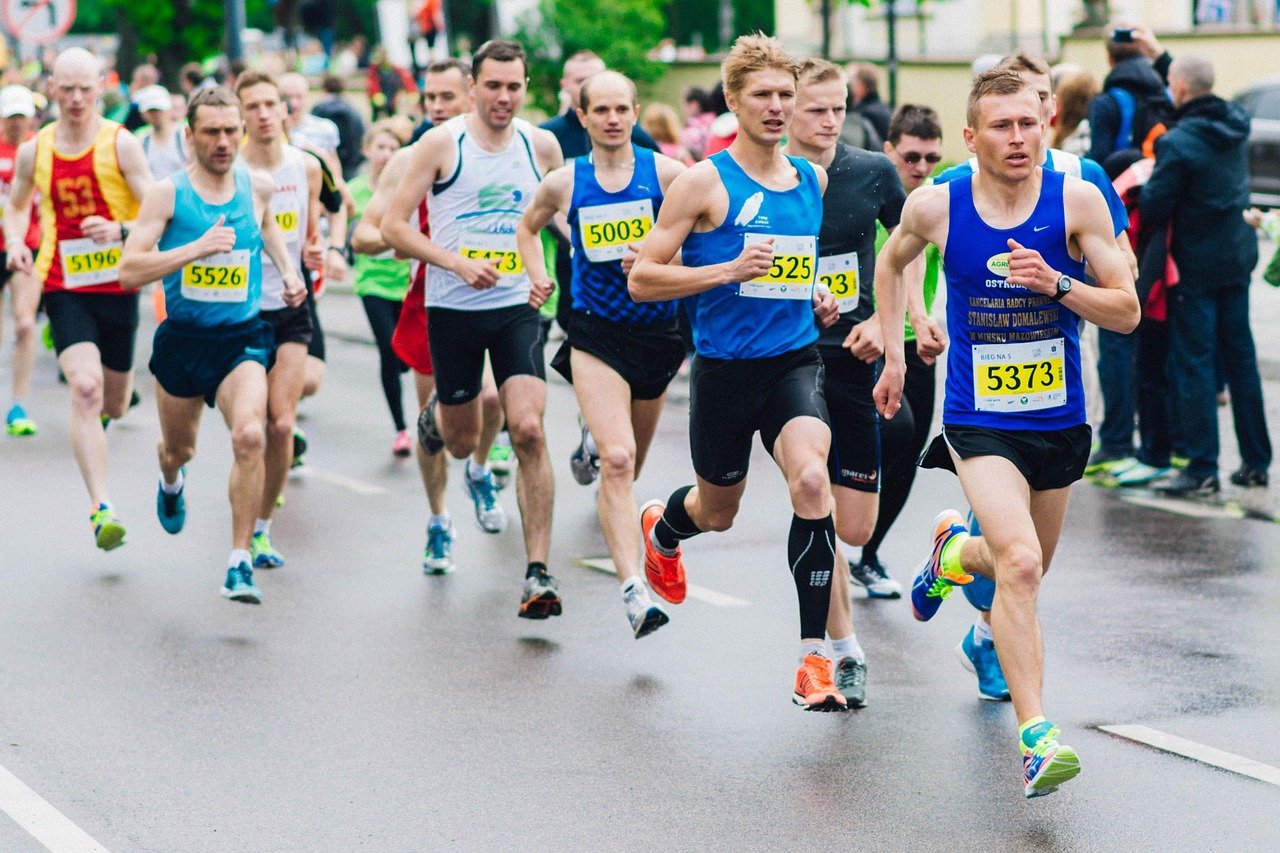
Quick Answer: How many miles is a 5k?
A 5K is 3.1 miles, or more precisely 3.10686 miles. The “5K” stands for 5,000 metres, and dividing that by the 1,609.344 metres in an international mile gives the exact figure. You will see it rounded to 3.1 miles on race entry forms, training plans, and treadmill displays. (5000 metres)
The distance is the same everywhere, but how it gets measured can differ. A track 5,000 metres is 12.5 laps of a standard 400-metre oval, while a road 5K is a certified course through streets or park paths. Both are 5K; only the surface and the measurement method change.
Before you sign up or set a goal, check the course certification, the elevation profile, the start format, the entry fee, and the cutoff time. Those five details shape your experience far more than the mile conversion does.
Why the 5K Is the Distance Almost Everyone Starts With
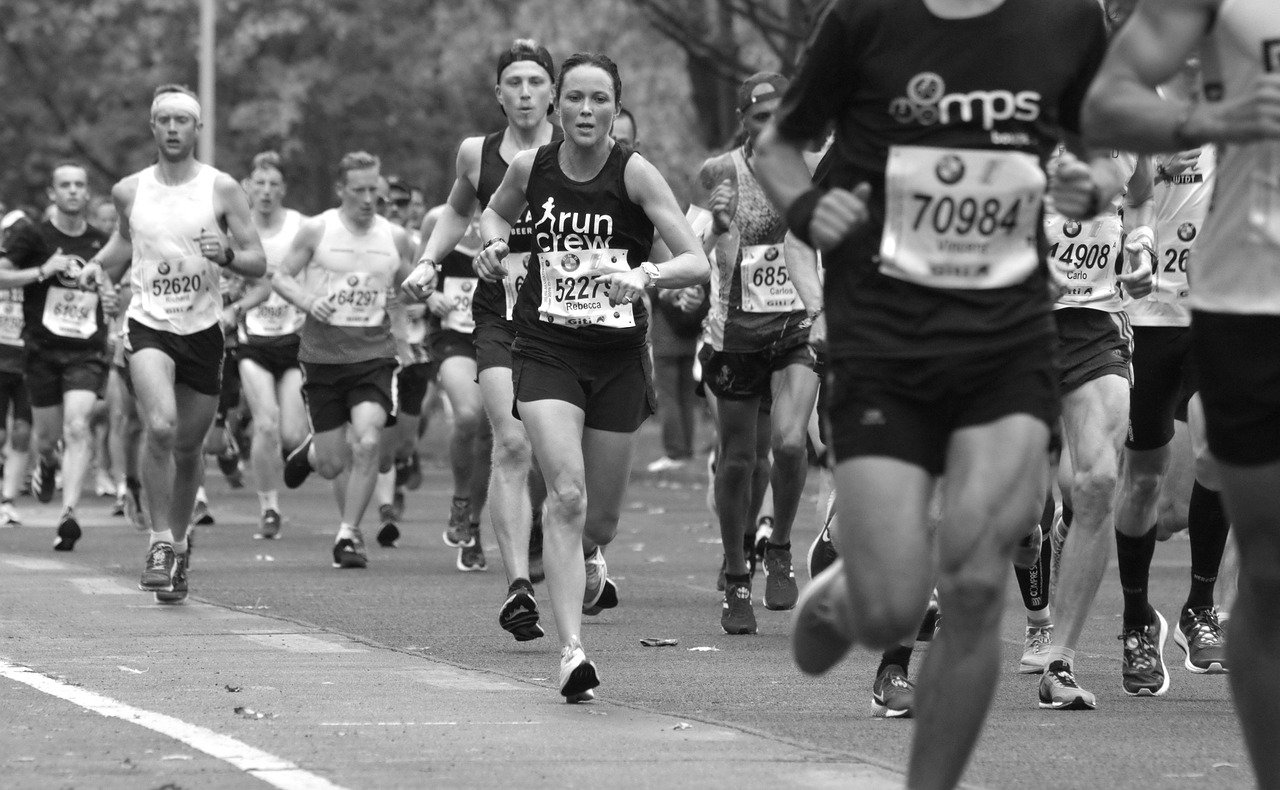
Curious how far a 5K really is, and whether you could finish one? You are in good company. The 5K has become the default first race for new runners, workplace charity events, and weekend park runs, largely because the number sounds manageable and the finish line arrives before boredom does.
The appeal is practical. A 5K is long enough to feel like an achievement but short enough that most people can walk parts of it and still cross the line with a smile. Training for one does not swallow your entire week. You can prepare on three runs a week and still have a life.
There is also a psychological quirk worth naming. Runners who think in miles often hear “5K” and picture something vague and slightly intimidating. Runners who think in kilometres hear “5K” and picture a brisk Tuesday. Same distance, different mental load. Once you know the number is 3.1 miles, the mystery evaporates.
If you enjoy distance debates, the same unit confusion shows up in vehicle range claims, where a manufacturer’s optimistic figure meets real-world conditions. The gap between a tested number and a lived number is a recurring theme in a real-world report on a 2027 Chevy Bolt EV hitting 197 miles at 75 mph, and it mirrors how a race course can feel longer than the map says.
The Maths Behind 3.1 Miles, Explained Simply
The conversion is not guesswork. The international mile has been defined as exactly 1,609.344 metres since a 1959 agreement standardised the yard and pound across English-speaking countries. That fixed number is what makes every kilometre-to-mile conversion repeatable.
So the sum is straightforward: 5,000 ÷ 1,609.344 = 3.10686. Round it to 3.1 and you have the number printed on race bibs and running apps. The small remainder, about 0.007 miles or roughly 11 metres, is why a 5K is very slightly longer than a flat 3.1-mile loop.
Here is how the 5K sits against other common distances:
| Distance | Miles | Laps of a 400 m track | Typical feel |
|---|---|---|---|
| 1 mile | 1.0 | 4.02 | A hard effort, over fast |
| 5K | 3.1 | 12.5 | Short race, sustained push |
| 10K | 6.2 | 25 | Comfortably hard |
| Half marathon | 13.1 | 52.75 | A serious commitment |
| Marathon | 26.2 | 105.5 | A season-long project |
Notice the pattern: each step up roughly doubles the previous distance. That is why the jump from 5K to 10K feels bigger than the numbers suggest, and why coaches often tell runners to hold at 5K for a full season before moving up.
If you want the official definitions behind these units, the standards bodies publish them in detail. The metre as the base unit of length is set out in the SI measurement system maintained by NIST, and the history of the mile itself, including its Roman origins and later standardisation, is covered in the Encyclopaedia Britannica entry on the mile. Both are worth five minutes if you like knowing why the numbers are what they are. (NIST: Metric (SI) Prefixes and Units)
What a 5K Pace Actually Looks Like in Real Life
Numbers on a page are abstract. Pace is where a 5K becomes tangible, because pace is what your legs negotiate with your lungs.
At 10 minutes per mile, a 5K takes about 31 minutes. That is a brisk walk-jog hybrid for many beginners, and a comfortable conversational pace for regular runners. At 8 minutes per mile, you are looking at roughly 24 minutes 50 seconds, which is a solid mid-pack club time. At 6 minutes per mile, the clock reads about 18 minutes 40 seconds, territory where you are breathing hard and thinking about very little except the next kilometre marker.
Here is a quick reference table for race-day planning:
| Pace (per mile) | 5K finish time | Who tends to run it |
|---|---|---|
| 12:00 | ~37:15 | First-timers mixing walk and run |
| 10:00 | ~31:00 | Regular joggers |
| 9:00 | ~27:55 | Recreational racers |
| 8:00 | ~24:50 | Club runners |
| 7:00 | ~21:45 | Competitive amateurs |
| 6:00 | ~18:40 | Strong local racers |
The single most common mistake new runners make is starting too fast. Adrenaline, a crowded start line, and the urge to keep up with the person in front combine to produce a first kilometre that feels amazing and a third kilometre that feels like a mistake. The fix is boring but effective: run the first mile at a pace that feels almost too easy, then build.
A second mistake is trusting the treadmill. Treadmill belts are calibrated differently from race courses, and indoor running removes wind and camber. A treadmill 5K at a given pace often translates to a slower outdoor time, not because you got worse but because the conditions changed. Treat treadmill numbers as a training guide, not a race prediction.
A third mistake is ignoring the course profile. A flat park 5K and a hilly trail 5K are the same distance and completely different races. Read the course description before you set a target time.
The same principle of “the spec says one thing, reality says another” appears across technology and engineering, which is why teams studying why so many application modernization projects stall focus on the gap between the plan and the conditions on the ground. A race plan deserves the same scepticism.
Track 5,000 Metres vs Road 5K: Same Distance, Different Race
Both are 5,000 metres. That is where the similarity ends.
A track 5,000 metres is run on a 400-metre oval, which means 12.5 laps. The surface is predictable, the distance is exact, and the racing is tactical, with packs forming, surges coming late, and the final lap often decided in the last 200 metres. Track races are typically organised by athletics clubs and governed by national federations.
A road 5K is run on a measured course through streets, parks, or waterfront paths. Courses are certified by official measurers using a calibrated bicycle method, which is why a certified road 5K is accurate to within a very small tolerance. Road races bring crowds, music, T-shirts, and the particular joy of running past strangers who clap for you.
The practical differences matter for your planning:
| Feature | Track 5,000 m | Road 5K |
|---|---|---|
| Laps | 12.5 | None, point to point or loop |
| Surface | Synthetic rubber | Asphalt, concrete, path, sometimes grass |
| Field size | Small, seeded heats | Can be thousands |
| Timing | Chip or hand | Usually chip |
| Atmosphere | Quiet, focused | Loud, social |
If you are chasing a personal best, a flat certified road course with good weather is usually faster than a track race, simply because track racing involves traffic and tactical surges. If you want to learn pacing discipline, the track teaches it faster than anything else.
How to Train for Your First 5K Without Overthinking It
Training for 3.1 miles does not require a complicated plan. It requires consistency and a willingness to run slower than your ego wants.
A workable beginner structure looks like this:
- Run or walk three times a week, with at least one rest day between sessions.
- Start with run-walk intervals, such as two minutes running and one minute walking, repeated for 20 to 25 minutes.
- Add five minutes to one session per week until you can cover the full distance continuously or with minimal walking.
- Keep one session easy and make one session slightly harder, either by pace or by adding a hill.
- Taper in race week by cutting volume roughly in half and keeping intensity light.
The most underrated session for a 5K is the easy run. Beginners tend to run every session at the same medium-hard effort, which builds fatigue without building much fitness. Slowing down on easy days is what allows the harder days to actually be hard.
Shoes deserve a mention. A 5K does not require racing flats, but it does require shoes that fit and are not worn through. Replace running shoes roughly every 300 to 500 miles, which for a 5K trainee is often six to nine months of regular use.
Finally, practise the race-day routine before race day. Wear the kit you plan to race in, eat the breakfast you plan to eat, and start at the time you plan to start. Novelty on race morning is the enemy of a calm stomach.
For anyone who enjoys seeing how endurance claims hold up under scrutiny, there is a similar fascination in a long-term ownership report on a Tesla Model 3 reaching 250,000 miles with one replaced part. The lesson transfers: consistent maintenance beats heroic effort.
Common Questions About the 5K Distance
Is a 5K exactly 3.1 miles?
Not quite. A 5K is 3.10686 miles, so 3.1 is a rounded figure. The difference is about 11 metres, which is roughly the length of a bowling lane. On a certified road course, that tiny margin is already accounted for in the measurement, so you do not need to run an extra 11 metres.
How many laps is a 5K on a track?
Twelve and a half laps of a standard 400-metre track. Most track 5,000-metre races start on a curved stagger and finish on the home straight, so the half-lap is built into the start position rather than run at the end.
How long does it take an average person to finish a 5K?
For a mix of walking and jogging, 35 to 45 minutes is typical. Regular runners often finish between 25 and 35 minutes. Competitive club runners go under 25 minutes, and elite athletes finish in the low teens. There is no single “average” because the field at any given race varies enormously.
Can a complete beginner walk a 5K?
Yes, comfortably. Walking a 5K at a steady pace takes roughly 50 to 65 minutes depending on stride length and terrain. Many races welcome walkers and set a generous cutoff time, often 60 to 90 minutes, so check the event rules before entering.
Is 5K the same as 5 kilometres?
Yes. The “K” is shorthand for kilometre, so 5K and 5 kilometres are identical. The abbreviation is common in race naming and running apps, while official athletics documentation tends to write 5,000 metres for the track event.
How accurate are GPS watches for measuring a 5K?
Reasonably accurate on open ground but unreliable under tree cover, between tall buildings, or on tight loops. Watches can read short or long by a few percent, which is why certified race courses are measured by hand with a calibrated bicycle rather than by satellite. Trust the course, not your wrist, on race day.
Conclusion
A 5K is 3.1 miles, or 5,000 metres if you prefer the original unit. That single conversion is useful: you can compare race times across countries, translate a treadmill session into an outdoor plan, and understand why a track race and a park run feel so different despite being the same distance.
The number itself is the easy part. What matters more is what you do with it. Pick a course, check the profile, run the first mile slower than feels natural, and let the last kilometre be where you spend your energy. Whether you are chasing a personal best or simply want to cross a finish line without stopping, the 5K is short enough to attempt this month and honest enough to tell you exactly where your fitness stands.



