

What is the fastest way to turn a finished job into money in your account? For most freelancers and small business owners, the answer is a clean, correct invoice sent the same day the work wraps up. Sounds simple, yet late payments and rejected invoices cause real stress. A missing invoice number or a vague line item can add weeks to your cash flow.
This guide walks through how to create invoices that hold up to scrutiny, covering the legal basics, the practical build, and the mistakes that trip people up. It leans on EU rules where they apply, but the principles travel well. Whether you are billing your first client or tidying up a messy system, the goal is the same: an invoice that gets approved, paid, and filed without a follow-up email.
What an Invoice Actually Is (and What It Is Not)
An invoice is a request for payment. It lists what you supplied, what it costs, and when the money is due. It is not a receipt, which confirms payment already received, and it is not a credit note, which reverses or reduces an earlier invoice. Mixing these up is one of the most common beginner errors, and it confuses bookkeeping fast.
In accounting terms, an issued invoice is a source document. Under standard practice for revenue recognition, it typically records a debit to accounts receivable and a credit to revenue, plus a VAT liability where relevant. The IFRS Foundation’s explanation of IFRS 15, the revenue standard, shows how invoiced revenue is recognised in financial statements, which helps explain why invoice dates and amounts must match your books exactly.
The Legal Minimum: What Every Invoice Needs
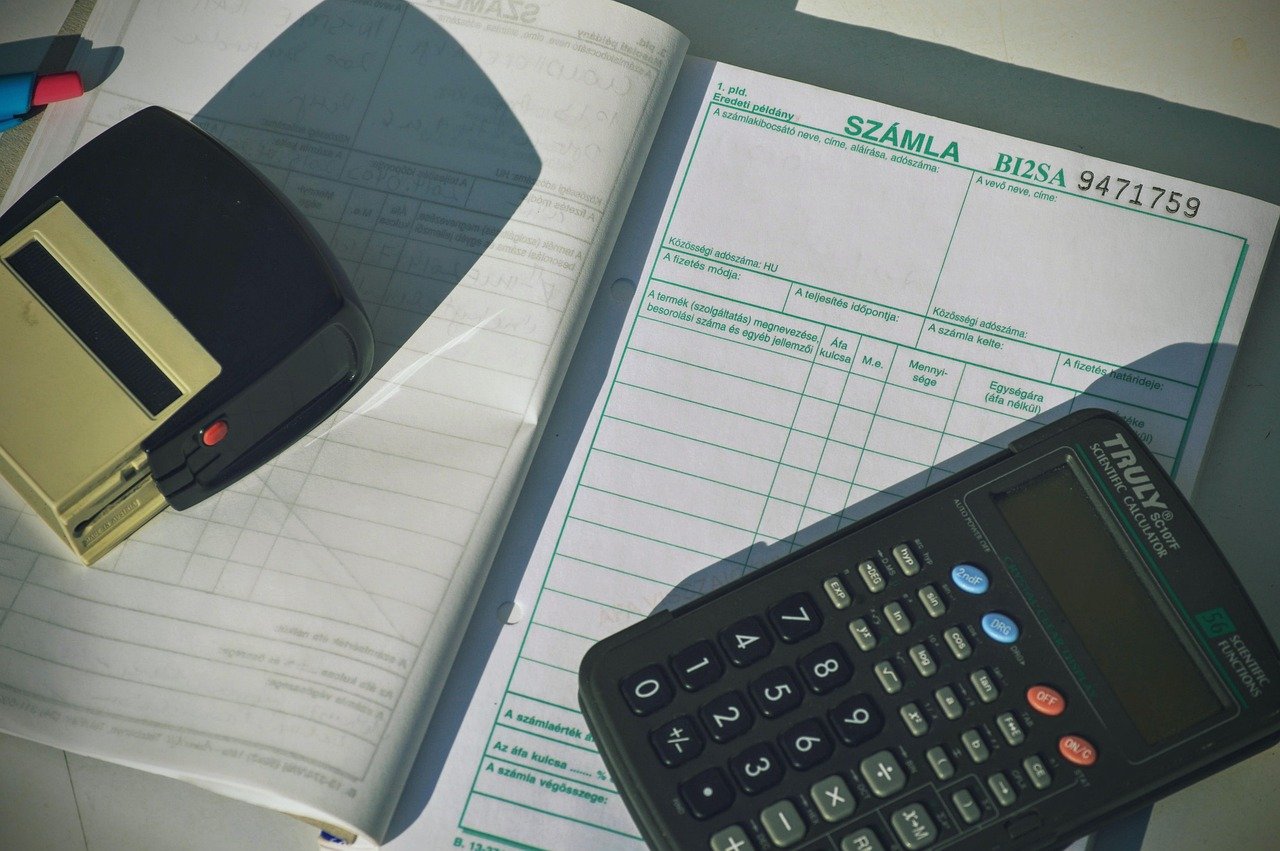
If you sell to businesses in the EU, invoice content is not a style choice. Under Article 226 of the EU VAT Directive 2006/112/EC, a VAT invoice must show specific items. The full legal text of the EU VAT Directive sets out the list, and it is worth reading once even if your accountant handles compliance. In plain terms, a compliant invoice usually includes: (Invoice)
| Required element | Why it matters |
|---|---|
| Unique sequential invoice number | Creates an audit trail with no gaps |
| Date of issue | Starts the payment clock |
| Supplier and customer details | Identifies both parties, including VAT IDs |
| Description of goods or services | Justifies the charge |
| Quantity and unit price | Lets the buyer check the math |
| Taxable amount, VAT rate, VAT amount | Shows the tax breakdown clearly |
| Date of supply (if different) | Ties the invoice to the actual delivery |
The sequential numbering rule deserves emphasis. Many tax authorities require invoice numbers to be unique and gap-free, and the directive specifically calls for a sequential number based on one or more series. In practice, a simple format like 2026-001, 2026-002 works fine. What fails is numbering invoices in a spreadsheet, then switching tools and starting again at 001. Duplicate numbers look like double billing to an auditor.
The US works differently. There is no single federal invoice-content law for general business. Requirements come from contracts, industry practice, and state commercial law such as the Uniform Commercial Code, which governs sales transactions but does not prescribe invoice format. If you sell across borders, check which regime applies before copying a template from the internet.
Step by Step: Building Your First Invoice
Here is the practical sequence that works for most solo operators and small teams. It assumes you already have a client and a finished piece of work.
- Confirm the deal terms in writing. Before you invoice, make sure the rate, scope, and payment window are agreed. A short confirmation email counts.
- Assign the next invoice number. Pull it from your register, not from memory. Never reuse a number, even for a cancelled invoice.
- Fill in both parties’ details. Legal names, addresses, and tax IDs. Misspelled client names cause payment delays when their accounts team cannot match the invoice to a purchase order.
- Describe the work precisely. “Website design, homepage and three subpages, delivered 12 March” beats “design services.”
- Show the math. Subtotal, tax rate, tax amount, total. Round consistently.
- State payment terms and accepted methods. Bank details, card options, and the due date in plain language.
- Send it to the right person. Not always your contact. Ask who processes invoices.
- Log it. Record the issue date, amount, and due date in your tracker so you can follow up without scrambling.
A good invoice template saves hours here. If you are building your own visual assets for a branded invoice or client-facing documents, a tool like an AI banner generator for website banners can produce a header image quickly, though most invoices need nothing more than a clean logo.
Payment Terms: Where Most Cash Flow Problems Start
Payment terms are usually contractual, not statutory. “Net 30” is a convention, not a law. Where terms are not agreed, the EU Late Payment Directive 2011/7/EU sets default limits for business-to-business payments, generally 30 or 60 days. That is a backstop, not a target. Shorter terms, like Net 14 or due on receipt, are common for freelancers and small projects.
A few practical rules that actually work:
- Put the due date as a date, not a formula. “Due 30 April 2026” is clearer than “Net 30” for many clients.
- Add a late fee clause if your contract allows it. Even an unenforced clause nudges prompt payment.
- Invoice immediately. The single biggest driver of late payment is late invoicing. Work delivered Friday should be invoiced Friday.
- Offer one easy payment route. Multiple bank options invite errors.
Common mistake: sending an invoice with “payment due upon receipt” and no date. Accounts teams batch-process invoices, and vague terms get pushed to the bottom of the pile.
Invoice Versus Receipt Versus Credit Note
People use these words loosely, and that causes real bookkeeping confusion. Here is the distinction in practice:
| Document | Purpose | When issued |
|---|---|---|
| Invoice | Requests payment for goods or services | Before or at the time of supply |
| Receipt | Confirms payment has been received | After payment clears |
| Credit note | Reverses or reduces a previous invoice | When a refund, return, or correction happens |
If you need to fix an invoice, do not delete it. Issue a credit note for the wrong amount and a fresh invoice for the right one. That keeps your numbering sequence intact and your audit trail honest.
Digital Invoicing and the Direction of Travel
Paper invoices are fading. In the EU, the “VAT in the Digital Age” (ViDA) package agreed in 2025 introduces mandatory structured e-invoicing for intra-EU business-to-business transactions, on a phased timeline broadly from 2030 onward. Exact dates and scope are still being finalised in implementing rules, so treat the details as evolving. The European Commission’s overview of VAT in the Digital Age explains the timelines and scope in more depth than any blog summary can.
What does this mean for a small business today? Not panic, but preparation. Structured e-invoicing means machine-readable formats, not PDFs emailed as attachments. If you are choosing software now, pick something that can export structured data later. That single decision saves a painful migration.
How Long to Keep Invoices
Retention periods vary by jurisdiction. Many tax authorities require invoices to be kept for a set period, commonly six to ten years. The EU VAT Directive leaves the exact period to member states, generally around six years. The practical takeaway: store invoices digitally, back them up, and never rely on a single email inbox as your archive. A folder structure by year and client takes minutes to set up and saves hours during an audit or a tax query. (Self-Employed Individuals Tax Center)
Common Mistakes That Delay Payment
After enough invoices, patterns emerge. These are the errors that show up again and again, and each one is fixable.
- Wrong or missing purchase order number. Large clients reject invoices without a PO reference. Ask for it before you start work.
- Vague line items. “Consulting” tells the accounts team nothing. Break the work into named deliverables.
- Inconsistent numbering. Gaps and duplicates trigger questions. Keep one register, one sequence.
- Sending to the wrong address. Confirm the billing contact at kickoff, not at invoice time.
- Forgetting the tax treatment. If you are not VAT registered, do not charge VAT. If you are, show the rate and amount separately.
- No follow-up system. A polite reminder three days before the due date prevents most late payments.
If your workflow involves generating branded documents or visuals alongside invoices, tools for creating AI images can help you produce consistent client-facing material without a designer. The same discipline applies: consistent templates, consistent naming, fewer errors.
Choosing Between Templates, Spreadsheets, and Software
There is no single right answer here, only trade-offs. A word processor template is free and fine for a handful of invoices a month. A spreadsheet gives you a numbering register and a simple tracker. Dedicated invoicing software adds automatic reminders, tax calculations, and structured export, which matters more as volume grows.
| Approach | Best for | Watch out for |
|---|---|---|
| Template (document) | Very low volume, one or two clients | Manual numbering errors |
| Spreadsheet | Solo operators tracking 5–20 invoices monthly | Formula mistakes, no reminders |
| Invoicing software | Growing businesses, recurring clients | Subscription cost, migration friction |
The honest test: if you spend more than fifteen minutes per invoice on formatting and numbering, software pays for itself. If you send three invoices a quarter, a template is fine.
Building a Repeatable System
Consistency beats cleverness. A system that works has four parts: a numbered register, a template with all required fields, a sending routine, and a follow-up schedule. Write the routine down. “Invoice on delivery day, log it the same afternoon, check the bank on the due date, send a reminder if unpaid” is a complete policy in one sentence.
For teams producing client-facing content alongside billing, keeping brand assets consistent helps too. Guides on how to create consistent characters with Leonardo AI cover the same principle applied to visuals: define the rules once, then reuse them. Invoicing rewards exactly that mindset.
Conclusion
Creating invoices is not complicated, but it is easy to do sloppily. The formula is straightforward: confirm terms, number sequentially, describe the work precisely, show the tax clearly, state a real due date, send it immediately, and log it. Add a retention plan and a follow-up habit, and late payments stop being a recurring headache. The legal details vary by country, so check your local rules once and build your template around them. After that, the work is repetition, and repetition is where good systems quietly pay off.
Frequently Asked Questions
What must every invoice include?
At minimum, a compliant invoice needs a unique sequential number, the issue date, supplier and customer details including tax IDs where applicable, a clear description of the goods or services, quantity and price, the taxable amount, the tax rate and amount, and the due date. In the EU, these items are prescribed by Article 226 of the VAT Directive.
Do I need to number invoices sequentially?
In most tax jurisdictions, yes. Numbers should be unique and gap-free so auditors can trace every sale. The EU VAT Directive explicitly requires a sequential number based on one or more series. Keep a single register and never reuse a number, even for a cancelled invoice.
What is the difference between an invoice and a receipt?
An invoice requests payment and is issued before or at the time of supply. A receipt confirms that payment has already been received. They serve different purposes and should not be used interchangeably in your records.
How long should I keep copies of invoices?
It depends on where you operate. Many tax authorities require retention for six to ten years, and EU member states generally set a period of around six years. Store invoices digitally with backups rather than relying on an email inbox.
Can I fix an invoice after sending it?
Yes, but not by deleting or editing the original. Issue a credit note that reverses the incorrect invoice, then send a new invoice with the correct details and a fresh number. This keeps your numbering sequence and audit trail intact.
When will e-invoicing become mandatory?
In the EU, structured e-invoicing for intra-EU business-to-business transactions is being phased in under the ViDA package, broadly from 2030 onward. Exact dates and scope are still being finalised, so businesses choosing software now should favour tools that can export structured data.



