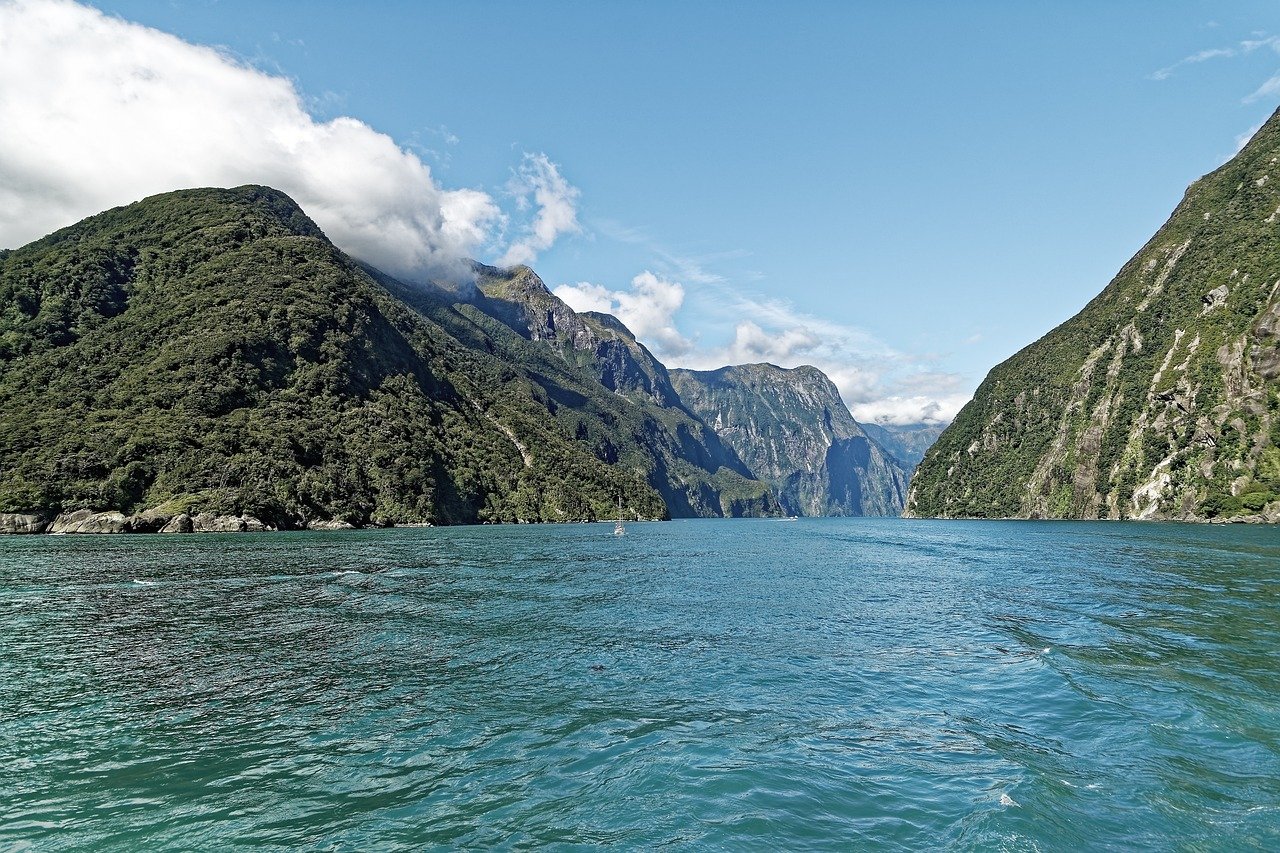
Ever wondered why a country with fewer people than many single cities draws millions of visitors every year? New Zealand packs glaciers, volcanoes, rainforest, and coastline into a landmass roughly the size of Colorado, and the result is a destination where the scenery changes faster than your playlist. The hard part is not finding somewhere worth visiting. It is choosing where to spend limited days.
This guide covers the places that consistently earn their spot on an itinerary, what each one is actually like on the ground, and the practical mistakes that trip up first-time visitors. (Best places to see penguins)
Why New Zealand Rewards Careful Planning
New Zealand’s two main islands are deceptively large. Driving from Auckland to Queenstown involves a ferry crossing and roughly 1,500 kilometres of road, so a “see everything” trip usually becomes a blur of windscreens. The country’s geography is also famously compressed: within a few hours you can move from alpine passes to surf beaches to geothermal valleys.
That density is a gift, but it means the best trips are built around two or three regions rather than a checklist. Weather adds another variable. The South Island’s mountains create their own microclimates, and a route that works beautifully in February can be closed by snow in July.
Milford Sound and Fiordland National Park
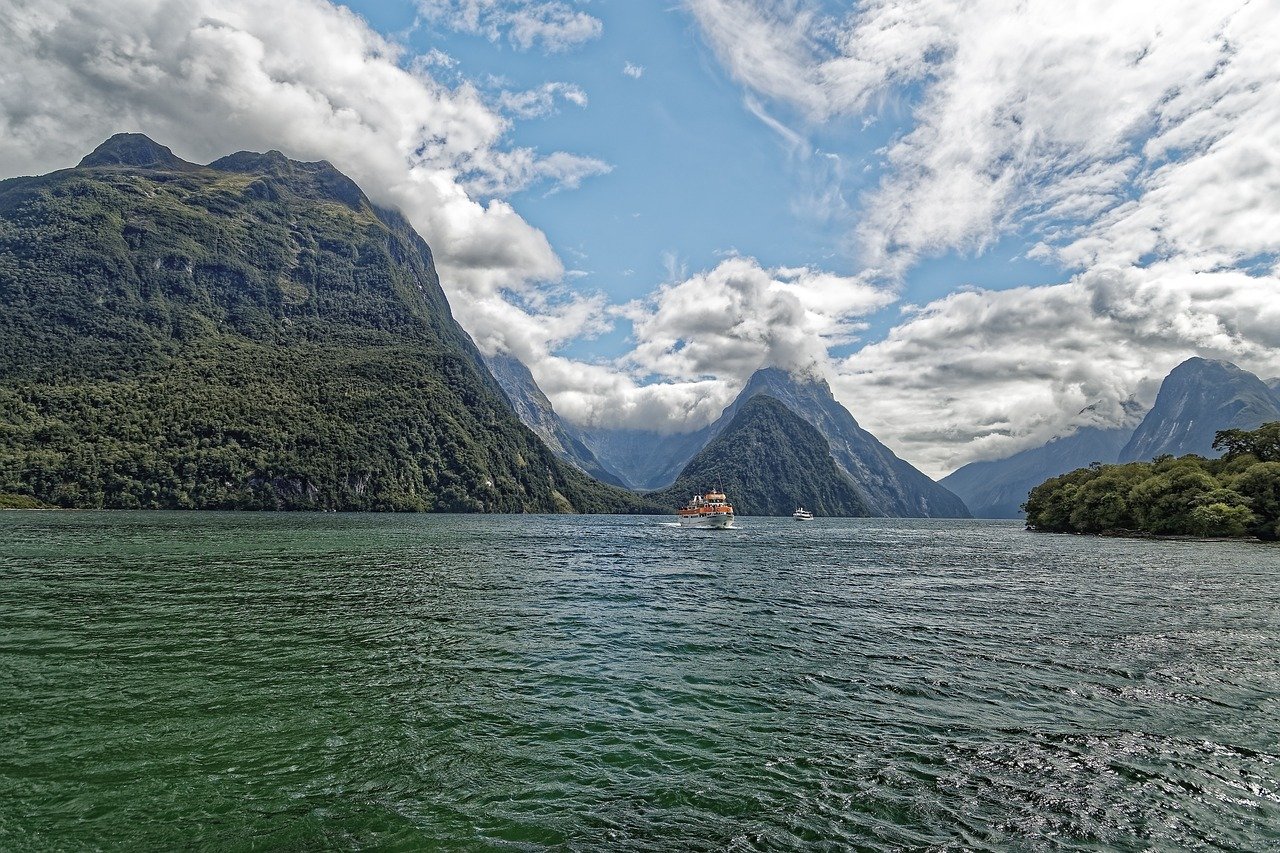
Milford Sound is the image most people carry of New Zealand before they arrive: sheer granite walls, waterfalls dropping into dark water, and Mitre Peak rising straight from the fiord. It sits inside Fiordland National Park, part of Te Wāhipounamu, the South West New Zealand World Heritage Area recognised for its ancient rainforests and glacial landforms.
What surprises people is the scale. The fiord is 15 kilometres long, and the walls tower to 1,200 metres. Rain is common (the region gets an enormous amount of it), and locals will tell you the sound is at its most dramatic in wet weather, when hundreds of temporary waterfalls appear.
Practical notes that matter:
- Book a boat cruise in advance during summer, when departures sell out.
- Consider an overnight cruise if you want the fiord after day-trippers leave.
- Drive from Te Anau (about two hours) rather than from Queenstown in a single day.
- Fill the fuel tank in Te Anau; services beyond it are limited.
The Milford Track, one of the country’s Great Walks, is the classic multi-day hike here and requires booking months ahead.
Aoraki / Mount Cook National Park
Aoraki / Mount Cook is New Zealand’s highest mountain at 3,724 metres, and the national park around it is a compact wonderland of glaciers, moraine lakes, and tussock valleys. The drive in along Lake Pukaki, with the mountain appearing at the head of the lake, is one of the country’s great road approaches.
Hiking options range from the flat, family-friendly Hooker Valley Track to serious alpine routes. The park is also a dark sky reserve, which makes it a strong base for stargazing. Be aware that the weather changes quickly, and the mountain is often cloud-covered; build in a spare day if Aoraki is a priority.
Tongariro National Park and the Alpine Crossing
Tongariro National Park holds a rare double status: it was New Zealand’s first national park and is a World Heritage Site recognised for both its natural values and its cultural significance to Māori. The Tongariro Alpine Crossing, a 19.4-kilometre day hike, is widely described as the country’s best one-day walk, passing emerald crater lakes and volcanic terrain.
It is also genuinely alpine. People underestimate it every year and end up cold, dehydrated, or caught out by weather. Transport must be arranged in advance because the track is point-to-point, and shuttle operators fill up in peak season. If you want easier alternatives, shorter walks around Whakapapa village still deliver volcanic views.
Rotorua: Geothermal Landscapes and Māori Culture
Rotorua sits on an active geothermal field, and the town smells faintly of sulphur because of it. Geysers, bubbling mud pools, and hot springs are scattered through the area, and several reserves are free to wander. It is also one of the best places in the country to experience Māori hospitality, with cultural performances and traditional hangi meals.
For travellers who like a soak after hiking, the region is a natural fit. If hot water is a priority, there are plenty of options among the best places for hot springs, from developed spa complexes to wild riverside pools.
Queenstown and Wānaka: Adventure and Lakes
Queenstown is the adrenaline capital: bungee jumping, jet boating, paragliding, and winter skiing on the Remarkables and Coronet Peak. It is also genuinely beautiful, set on Lake Wakatipu beneath craggy mountains.
Wānaka, about an hour away, offers a quieter version of the same scenery, plus the famous Roys Peak viewpoint and a laid-back lakeside town atmosphere. Many visitors prefer Wānaka as a base and visit Queenstown for activities. Accommodation in both towns is expensive in summer and during ski season, so early booking pays off.
Abel Tasman and the Bay of Islands
Abel Tasman National Park, at the top of the South Island, is the country’s smallest national park and arguably its sunniest. Coastal tracks, golden beaches, and kayaking routes make it a highlight for anyone who wants scenery without altitude. Water taxis let you walk sections of the coast track one way and return by boat.
In the North Island, the Bay of Islands offers sheltered coves, dolphin and whale watching, and historic sites at Russell and Waitangi. It is warmer and calmer than the west coast, which makes it a good family choice.
Hobbiton and the Waikato
Hobbiton, near Matamata, is the working film set built for The Lord of the Rings and later rebuilt for The Hobbit trilogy. Guided tours walk through the village and end at the Green Dragon Inn. It is unashamedly commercial, but even non-fans tend to enjoy it because the detailing is remarkable. Book ahead, especially in summer.
How the Regions Compare
| Region | Best for | Time needed | Watch out for |
|---|---|---|---|
| Fiordland | Fiords, hiking, scenery | 2–3 days | Rain, long drives, booking pressure |
| Aoraki / Mount Cook | Alpine views, short walks | 1–2 days | Cloud cover, limited services |
| Tongariro | Volcanic hiking | 1–2 days | Weather, shuttle logistics |
| Rotorua | Geothermal, Māori culture | 1–2 days | Sulphur smell, busy weekends |
| Queenstown / Wānaka | Adventure, skiing | 3–4 days | High costs, peak crowds |
| Abel Tasman | Beaches, kayaking | 2 days | Tide and weather dependence |
| Bay of Islands | Coast, history, wildlife | 2 days | Summer holiday crowds |
When to Go
Summer (December to February) brings the warmest weather and the longest days, along with peak prices and busy tracks. Shoulder seasons, especially March to April and October to November, often deliver stable weather with fewer people. Winter suits skiers but restricts alpine hiking.
If your trip overlaps with school holidays, expect domestic travellers to fill campsites and coastal towns. For a detailed month-by-month breakdown, this guide to the best time to visit Hawaii is a useful reminder of how seasonal patterns shape island destinations in general, and New Zealand follows similar logic.
Practical Tips That Actually Help
Drive times are longer than the map suggests. Winding roads, single-lane bridges, and photo stops add hours. Plan for fewer kilometres per day than you would at home.
Book Great Walks early. Popular tracks and huts open for booking months in advance and sell out within hours.
Pack layers, not an umbrella. Wind makes rain gear far more useful than anything else.
Respect the environment. Biosecurity rules are strict, and cleaning boots and gear before entering the country is a legal requirement, not a suggestion.
Don’t over-schedule. The most common regret among visitors is trying to fit both islands into ten days.
For travellers who enjoy pairing scenery with structured outdoor time, browsing ideas for the best national parks to visit helps frame how New Zealand‘s park system compares with others worldwide. Similarly, if you like planning around specific hobbies, the best places to fly drones offers useful perspective on where recreational flying is permitted, since New Zealand has clear rules about drones in national parks.
Common Mistakes to Avoid
- Treating Milford Sound as a day trip from Queenstown; it is a long return drive.
- Hiking the Tongariro Alpine Crossing without checking the mountain forecast.
- Assuming summer means guaranteed sunshine; the west coast is famously wet year-round.
- Skipping the South Island’s interior in favour of only the famous coastal towns.
- Renting a car without checking ferry bookings between the islands.
Conclusion
New Zealand does not really have a single best place to visit. It has a set of landscapes so different from one another that the right choice depends on whether you want fiords, volcanoes, beaches, or a bungee cord attached to your ankles. The visitors who enjoy it most are the ones who pick fewer places, stay a little longer, and leave room for the weather to rearrange their plans. Pick two regions, book the walks and boats that matter, and let the rest of the trip unfold at the pace the country seems to demand.
Frequently Asked Questions
What is the single best place to visit in New Zealand?
Milford Sound is the most consistently recommended destination because of its scale and drama, but it is a long way from anywhere. Travellers with limited time often get more value from a compact region like Queenstown and Wānaka or the Tongariro area.
How many days do you need in New Zealand?
Two weeks allows a comfortable loop of one island or a focused trip across both. Ten days is workable if you stick to one island. Anything under a week means choosing a single region and exploring it properly.
Is the South Island better than the North Island?
Neither is objectively better. The South Island delivers alpine scenery, fiords, and glaciers. The North Island offers geothermal landscapes, Māori cultural experiences, and warmer coastal areas. Most first-time visitors combine a portion of each. (Māori culture)
When is the cheapest time to visit New Zealand?
Late autumn and early spring generally offer lower prices and fewer crowds, though weather is less predictable. Winter is cheaper outside ski towns but limits alpine hiking.
Do you need a car in New Zealand?
A rental car gives the most flexibility, especially in the South Island, where public transport between scenic areas is limited. Intercity buses and guided tours cover major routes if you would rather not drive.
Is New Zealand expensive for travellers?
It can be. Accommodation and activities are the biggest costs, particularly in Queenstown and during summer. Camping, self-catering, and booking activities in advance help keep budgets under control.
Should you book activities in advance? For anything with limited capacity — Great Walks, Milford Sound cruises, Hobbiton tours, and Tongariro shuttles — yes, ideally weeks or months ahead in peak season. Casual activities like short walks, beach days, and scenic drives need no booking at all, and leaving some room for spontaneity is part of the point.
What should you pack that visitors often forget? A reusable water bottle, insect repellent for the sandflies in Fiordland, and sturdy footwear for volcanic terrain. Sunscreen matters more than most people expect, since New Zealand’s UV levels are intense even on overcast days.
Taken together, these practicalities matter less than the overall rhythm of the trip. New Zealand rewards travellers who slow down, and the country’s best moments — a clear morning at Aoraki, an empty beach in Abel Tasman — rarely appear on a schedule.