
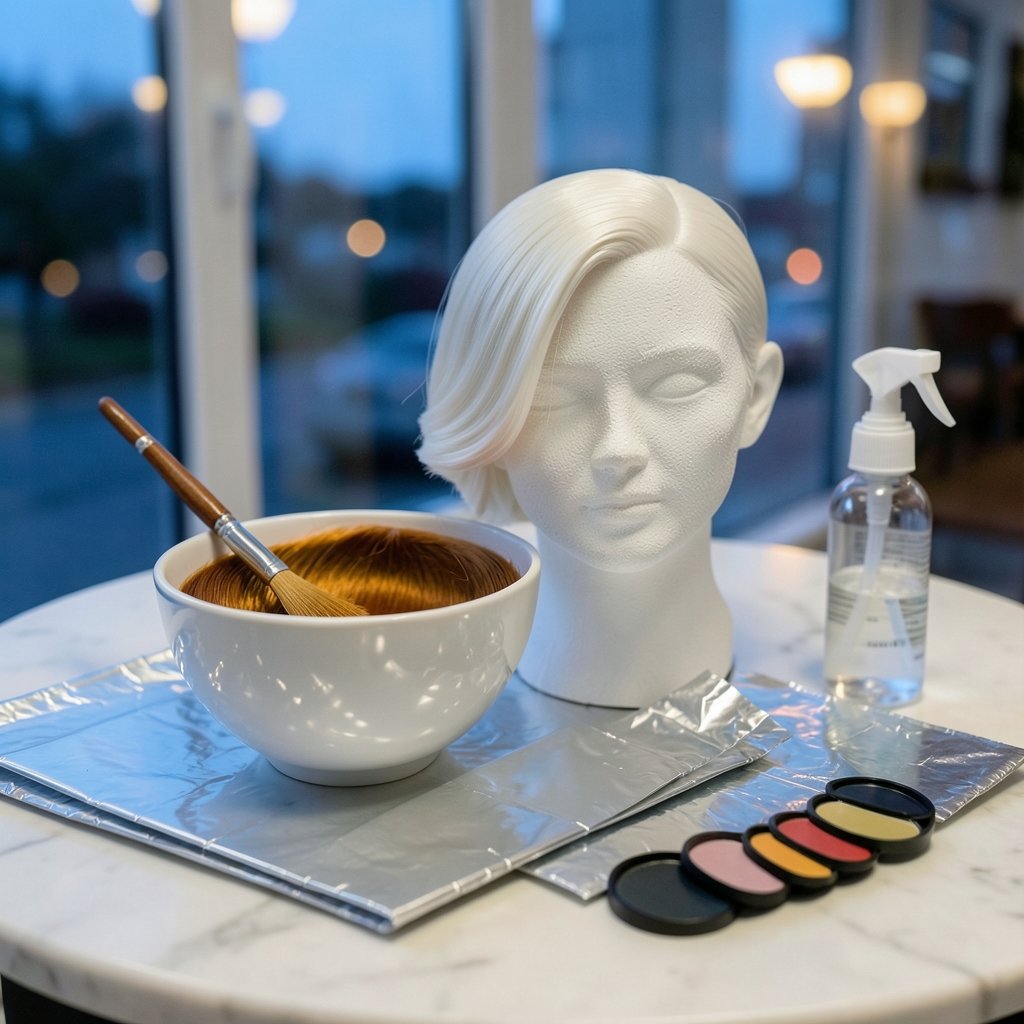
Ever wondered why some people seem to glow the moment they walk into a room, even before they say a word? Often, it’s not the makeup or the outfit. It’s a strip of lighter hair right at the front, catching the light and framing the face like a built-in spotlight. That’s the money piece, one of the most requested color techniques in salons right now.
The name sounds playful, and it is. But there’s real technique behind it. A good money piece looks intentional and bright. A bad one looks like a grown-out root situation or a stripe of brass. The difference comes down to placement, contrast, and maintenance. This guide breaks down what a money piece actually is, who it suits, what it costs to keep up, and the mistakes that send people back to the salon far sooner than they planned. (Gift card scam works victims rarely get their money back)
What Is a Money Piece?
A money piece is a face-framing highlight: a brighter, usually lighter section of hair at the front hairline, most often two sections flanking the face. It sits against the rest of the color to create contrast, and the goal is to brighten the complexion and draw the eye toward the face.
It belongs to the broader family of face-framing color, which is a well-established category in hair coloring. The money piece is a bolder, more deliberate version of that idea. A soft face frame blends gradually into the rest of the hair; a money piece is placed with more contrast and more visible brightness. Think of it as the color that’s meant to be noticed.
It’s worth being clear about what the term is not. Unlike balayage or highlighting, which are widely used technical terms describing specific application methods, “money piece” is descriptive salon vocabulary. It isn’t defined by any standards body, and there’s no formal technical specification behind it. That’s useful to know when you’re describing what you want, because it means two stylists might interpret the request slightly differently. A photo helps more than the words alone.
Where the Name Comes From
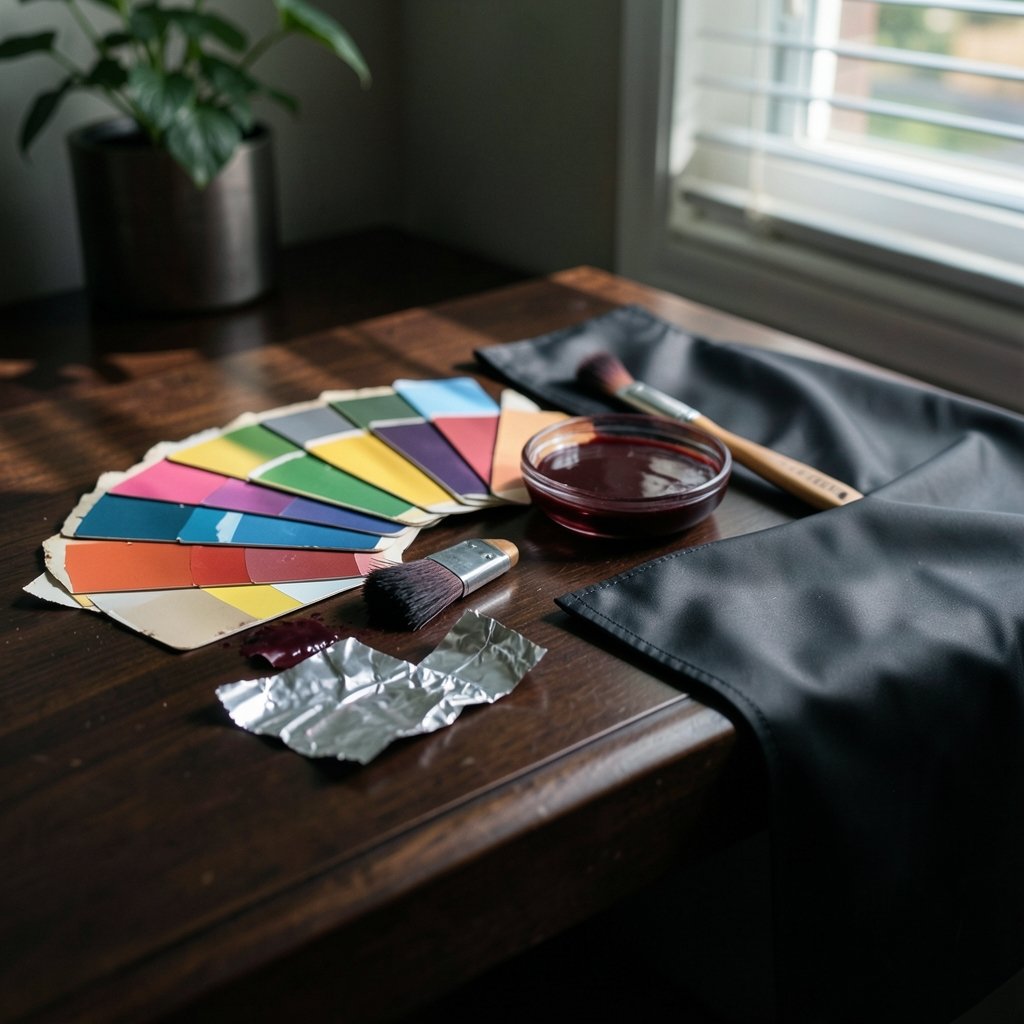
Here’s an honest answer: nobody can point to a verified first use. The term is salon slang, and its coinage date isn’t documented in any source that can be cited with confidence. What’s clear is that it spread through social media and salon conversation in the early 2020s and stuck, because it describes something clients immediately understand.
The logic behind the name is easy to grasp. The front sections are the part of the hair that frames the face, the part people see first, and the part that makes a color service look “worth it.” In a sense, it’s the piece of the color that earns its money. Whether that’s the true origin or a convenient story told after the fact, it captures why the technique became so popular.
How a Money Piece Is Actually Created
Most money pieces are built with one of two application methods, sometimes a mix of both.
Foil lightening
The stylist isolates the front sections, usually a slice on each side of the face, and lightens them in foil. Foil gives more lift and a sharper, cleaner result. It’s the better choice when the client wants noticeable brightness and strong contrast against darker hair.
Freehand (balayage) lightening
The stylist paints lightener onto the surface of the front sections by hand, without foil. This produces a softer, more blended grow-out. It’s a good fit for someone who wants the effect but doesn’t want a hard line as the color grows.
Either way, the process usually ends with toning. Lightener takes hair through warm stages, and toner is what neutralizes brass and lands the final shade, whether that’s a cool platinum, a warm honey, or something in between. Skipping or rushing the toner is one of the most common reasons a money piece looks off on day one.
Because the front hairline is more exposed to sun, heat styling, and repeated washing, those sections can fade or turn brassy faster than the rest of the hair. That’s a physical reality of where the hair sits, not a flaw in the technique, and it shapes how the service needs to be maintained.
Who a Money Piece Suits, and Who Should Pause
A money piece is unusually adaptable, which is a big part of its appeal. It works on long hair, short hair, curls, and straight textures. It can be subtle or dramatic depending on how much lift and contrast the stylist builds in.
| Client situation | Does a money piece suit? | Notes |
|---|---|---|
| Dark hair wanting visible brightness | Yes, with foil | Higher contrast, more noticeable lift |
| Wants a low-maintenance grow-out | Yes, with freehand | Softer transition as roots come in |
| Very fine, fragile front hair | Proceed with caution | Front sections are delicate; needs a strand test |
| Previously over-processed front hair | Often no, for now | Risk of breakage; may need a repair period |
| Wants an all-over color change | Not the main event | Money piece is an accent, not a full color service |
| Grey coverage at the front hairline | Depends on goal | Lightening over grey needs a careful plan |
The most important practical point is the condition of the front hair. Those sections have often been lightened, heat-styled, and exposed to the elements more than the rest of the head. A stylist who does a strand test and checks elasticity before committing is doing the job properly. If someone offers to lighten fragile front sections without any assessment, that’s a reason to ask questions.
What It Costs and What Maintenance Really Looks Like
Costs vary enormously by city, salon tier, and stylist experience, so any single number is misleading. What’s more useful is understanding the structure of the cost and the rhythm of upkeep.
A money piece is usually priced as a partial highlight service or as an add-on to an existing color appointment. Because it’s a smaller area than a full head of foils, it often costs less than a full highlight service, but it’s rarely cheap, because the placement and toning still take skill and time.
Maintenance is where people get surprised. Money pieces typically need more frequent refreshing than the rest of a highlight service. The reasons are straightforward: the sections are highly visible, so regrowth shows sooner, and the front hairline fades faster. In practice, that often means a toner refresh every several weeks and a root touch-up on a somewhat longer cycle. Anyone who wants zero visible upkeep should probably choose a softer face frame instead.
A useful way to think about it: the money piece is a high-visibility, higher-frequency service. Budgeting for the refresh appointments from the start avoids the disappointment of a color that looks great for three weeks and then feels like a chore. The same principle of planning total cost rather than just the first invoice applies to plenty of spending decisions, from beauty services to bigger purchases, and it’s a theme worth keeping in mind when you weigh how identity threat detection really costs and where the money goes in a completely different context.
Practical Tips That Actually Work
These are the habits that separate a money piece that holds up from one that fades into frustration.
- Bring photos, plural. Bring two or three images showing the brightness and placement you like, plus one showing what you don’t want. “Money piece” alone leaves too much room for interpretation.
- Ask about the toner plan. Find out what shade was used and how often a refresh is realistic. This is the single biggest factor in how the color ages.
- Be honest about heat styling. Daily hot tools on the front sections will shorten the life of the color and stress the hair. Mention it up front so the stylist can adjust the approach.
- Use a color-safe routine at home. Sulfate-heavy shampoo and very hot water strip tone faster. A gentler wash routine protects the investment.
- Don’t skip the trim. Front sections with split ends reflect light poorly and make the color look duller than it is.
- Plan the refresh before you leave. Booking the toner appointment at the chair is far easier than remembering to call later.
Common mistakes are worth naming too. The biggest is asking for maximum brightness on hair that can’t handle it, which leads to breakage and a forced pause on lightening. The second is skipping toner to save time or money, which leaves warm, brassy front sections. The third is choosing a contrast level that fights the client’s natural coloring rather than complementing it. A good stylist will push back gently on all three, and that’s a sign of competence, not reluctance.
Money Piece vs. Other Face-Framing Looks
The vocabulary around face-framing color is crowded, and the terms overlap. Here’s a plain comparison.
| Look | Placement | Contrast level | Grow-out |
|---|---|---|---|
| Money piece | Front hairline, both sides | Medium to high | Visible sooner |
| Soft face frame | Front hairline, blended | Low | Gradual |
| Balayage | Painted through mid-lengths and ends | Varies | Soft, natural |
| Full-head lightening | Throughout the head | Even | Even but frequent |
| Root shadow with bright ends | Roots darkened, ends lifted | High at the ends | Longer lasting |
The money piece is best understood as an accent technique. It’s not a replacement for an all-over color service, and it’s not the same as balayage, though the two are often combined. Many clients get a money piece plus a softer balayage through the rest of the hair so the front doesn’t look disconnected from everything behind it.
Getting the Most From a Consultation
The consultation is where a money piece succeeds or fails. A few things make it more productive.
Be specific about how bright you want the front. “Natural” and “noticeable” mean different things to different people. Point to the lightest piece in your reference photo and confirm that’s the target.
Talk about your routine honestly. How often do you wash? Do you use heat tools daily? Are you willing to come in for toner every few weeks? The answers determine whether a high-contrast money piece is realistic or whether a softer version makes more sense.
Ask what happens as it grows. A stylist should be able to describe the grow-out honestly, including when you’ll start seeing regrowth and what the refresh will involve. If the answer is vague, ask again.
Be clear about your budget for the whole cycle, including later appointments, rather than only the first appointment. The same discipline of planning the full cost rather than the headline price shows up in all sorts of decisions, and it’s a habit that pays off whether you’re budgeting for hair color or working out how to make money with AI without overcommitting to tools you won’t use.
Conclusion
The money piece earns its name for a reason. It’s a small, targeted technique with an outsized effect, brightening the face and making a color service feel purposeful. It’s also a service with real upkeep, and the people who love it most are usually the ones who went in knowing that.
The formula for getting it right is not complicated. Understand that it’s a bold face-framing highlight rather than a technical standard. Choose foil for brightness or freehand for a softer grow-out. Respect the condition of the front hair, and let a stylist assess it before committing. Plan for toner refreshes and root touch-ups from day one, and bring photos that show exactly what you mean.
Do those things, and the money piece does what it’s supposed to do: put the light where it counts.
Frequently Asked Questions
What exactly is a money piece?
A money piece is a face-framing highlight placed at the front hairline, usually as two brighter sections flanking the face. It contrasts with the rest of the hair color to brighten the complexion and draw attention to the face. It’s a highlighting technique, not a brand or a product.
Is a money piece the same as balayage?
No. Balayage is a freehand painting method used to lighten hair, often through the mid-lengths and ends. A money piece describes where the brightness goes, at the front hairline. The two are frequently combined, since a stylist can use balayage application to create a money piece.
How often does a money piece need to be maintained?
Typically more often than a standard highlight service. The front sections are highly visible, so regrowth shows sooner, and they fade or turn brassy faster because of sun and heat exposure. Many people refresh the toner every several weeks and touch up roots on a longer cycle, though the exact rhythm depends on hair type and routine.
Can you get a money piece on dark hair?
Yes, and it’s one of the most popular ways to wear it, because the contrast is striking. Dark hair usually needs foil lightening to reach a noticeable level of brightness, followed by toning to control warmth. The trade-off is that regrowth is more visible against dark hair, so upkeep matters more.
Does a money piece damage your hair?
Any lightening process involves some stress on the hair, and the front sections are often the most fragile. That’s why a strand test and an honest assessment of hair condition matter. A skilled stylist will adjust the approach, or decline the service, if the front hair is too compromised to lighten safely. (Hair Dyes)
Can you do a money piece at home?
It’s possible, but it’s one of the harder color techniques to do well on yourself. Placement is everything, and the front sections are the most visible part of your hair. Uneven placement, missed toner, or over-processing fragile front hair are common outcomes. For a first attempt, a professional service is the lower-risk route.



