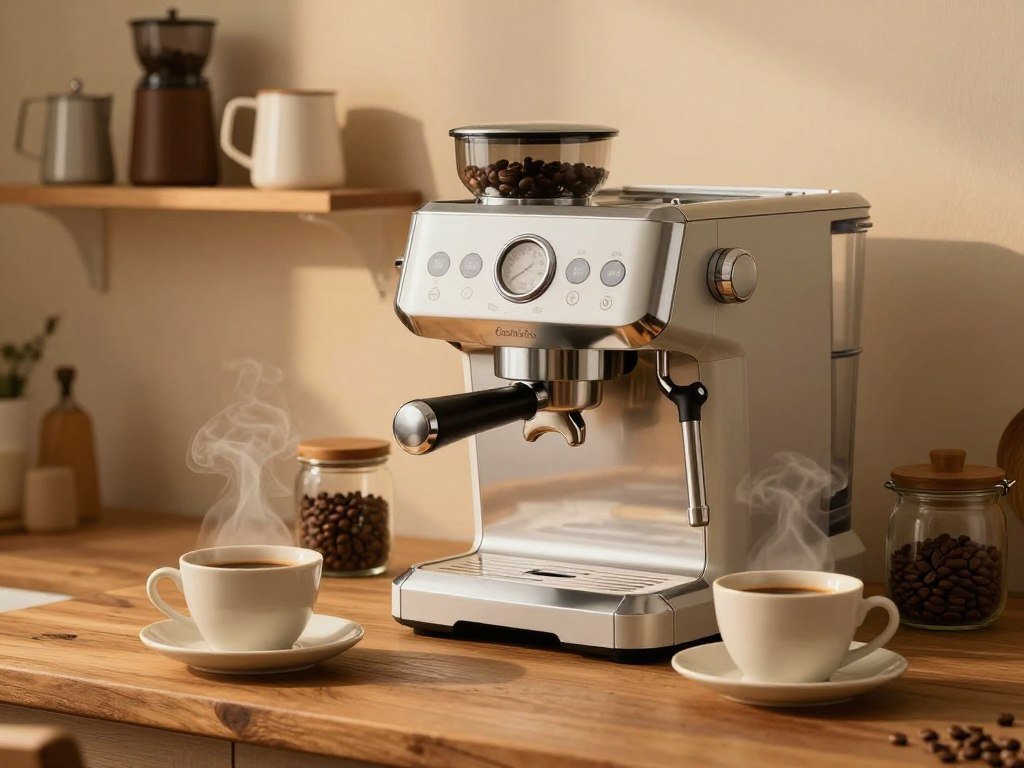
A home coffee routine is easier to tailor when you know whether convenience, espresso flavor, or milk drinks matter most. Your budget and the effort you want to spend each morning also shape the choice. The right pick can make daily coffee simpler without promising café results from every model.
This guide separates options by what they do best: hands-off brewing, espresso quality, milk drinks, and value. You can narrow the field by starting with your usual drink, then checking how much control and cleanup you accept. Some machines handle nearly every step; others ask you to do more.
Key Takeaways
- Match the machine to the drink you make most often.
- Check whether you want one-touch brewing or more hands-on control.
- Compare milk prep and cleanup before choosing a milk-focused model.
- Set a budget, then weigh only features you will use.
- Measure counter space, cabinet height, and your tallest cup.
Start with the drink you make most often, then compare the features that affect that cup.
Which Is the Best Automatic Espresso Machine for Your Home?
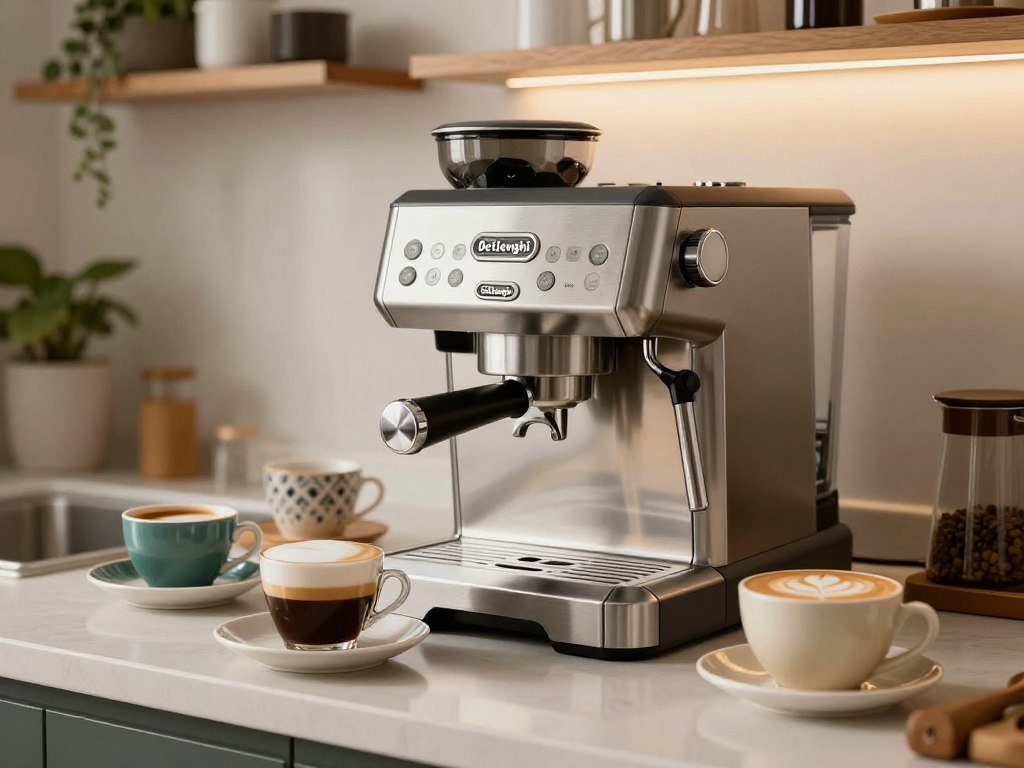
For most people seeking a hands-off bean-to-cup routine, the De’Longhi Rivelia is the strongest overall starting point. It balances everyday convenience with a broad set of drink choices, making it a practical fit for many homes. For other needs, the right shortlist changes.
Match the model to your main use case rather than treating any award as a promise about taste or reliability. The recommendations below mark category-specific strengths, not guarantees for every bean, setting, or household.
| Use case | Model | Reason to shortlist it |
|---|---|---|
| Overall | De’Longhi Rivelia | Broad all-around choice |
| Value | Gaggia Magenta Prestige | Features without a luxury-tier price |
| Espresso quality | Breville Oracle Jet | Quality-first choice with some manual steps |
| Milk drinks | De’Longhi Eletta Explore and Philips 5500 | Milk-focused alternatives |
| First machine | De’Longhi Magnifica Start and Gaggia Brera | Lower-cost entry options |
The Rivelia is the top overall super-automatic pick for 2026. The Gaggia Magenta Prestige is a best value option when you want useful features without paying for a luxury tier.
The Breville Oracle Jet favors espresso quality, though it is not a true one-touch super-automatic espresso machine. It automates key tasks but still asks you to handle parts of the drink-making process.
If hands-off brewing matters most, favor the Rivelia or Magenta Prestige over the Oracle Jet. The Eletta Explore and Philips 5500 are worth a look if milk-based drinks fill most of your cup. The Magnifica Start and Brera offer lower-cost ways to begin.
The best value is personal: a machine earns its place when its features match your routine and spending limit. A shorter menu may suit you better than a model packed with drinks you rarely order. Choose the model whose standout category matches your daily cup, not the longest feature list.
What Qualifies as a Super-Automatic Espresso Machine?
A true super-automatic grinds beans and brews espresso through an internal brewing unit, rather than asking you to handle a portafilter. The brewing unit is the internal mechanism that holds and tamps ground coffee before the machine brews and ejects the used grounds. That built-in process defines the category.
Look for a built-in grinder, an internal brewing unit, and automatic tamping and brewing. A machine that has only a grinder does not meet this definition if you still prepare and lock in a portafilter.
The bean-to-cup workflow
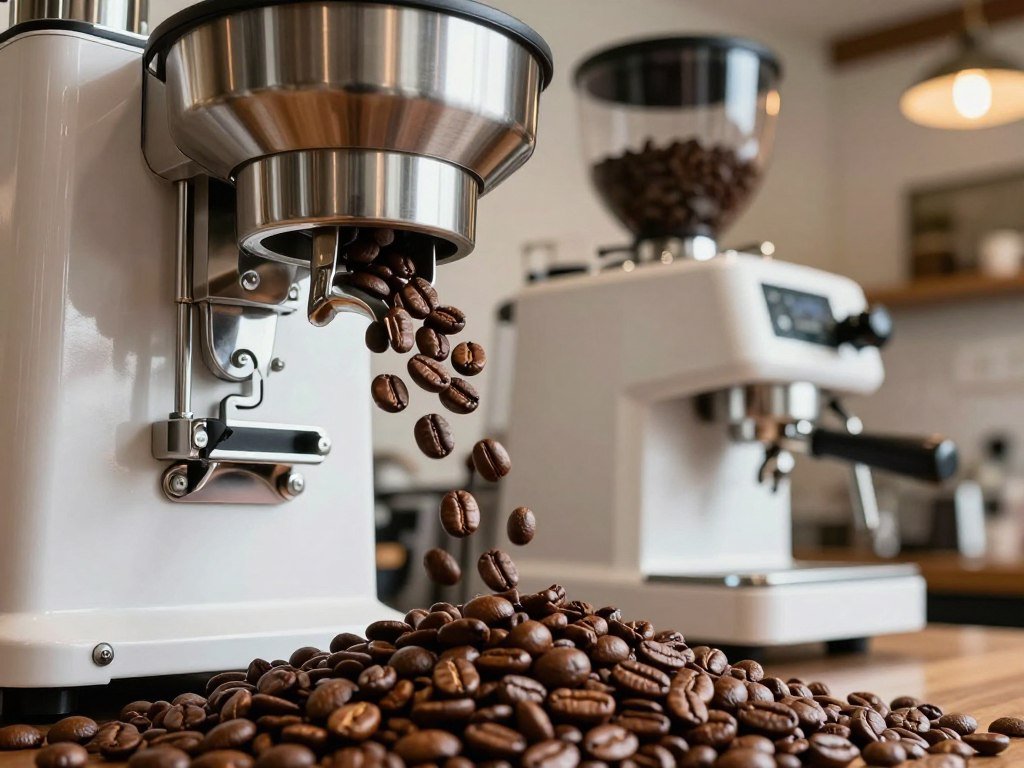
A typical super-automatic espresso machine takes whole beans from a hopper and grinds them for each drink. It doses and tamps the grounds inside the brewing unit, then sends hot water through them to brew espresso.
After brewing, the machine ejects the used grounds into an internal bin. You choose a drink and make adjustments on the controls, while the machine handles the central coffee steps. People also call this class bean-to-cup or fully automatic.
These espresso machines make espresso-based drinks, not necessarily drip coffee. A menu may include espresso, an Americano, or other coffee drinks, but the brewing method differs from a drip machine.
Where portafilter machines differ
A semi-automatic machine uses a portafilter, the handled basket that holds the coffee grounds. You usually grind, dose, tamp, and lock it into the machine before brewing.
An integrated grinder does not change that workflow. A portafilter model with a grinder still relies on you to prepare and place the coffee basket, so it is not fully automatic under this definition.
Use this quick checklist when comparing an espresso machine:
- Whole-bean hopper
- Internal brewing unit
- Automatic tamping and brewing
You can compare these labels and workflows in this home espresso machine guide. Check for an internal brewing unit before treating a grinder-equipped portafilter model as fully automatic.
Which Budget Tier Fits Your Needs?
A lower spending limit points to the Magnifica S or Beko CaffeExperto, while the Magnifica Evo Next and Gaggia Anima are the under-$1,000 alternatives. The right price point depends on which features will matter in daily use.
Choose a higher tier only when its added controls or milk options solve a real need. Prices change over time, so compare the current cost of each model against the functions you expect to use.

| Budget band | Named options | What the tier prioritizes |
|---|---|---|
| Under $500 | De’Longhi Magnifica S; Beko CaffeExperto | Basic automatic convenience |
| Under $1,000 | De’Longhi Magnifica Evo Next; Gaggia Anima | More interface and milk options |
| Premium | Jura Z10 | A higher-end feature set |
Under $500
The Magnifica S and Beko CaffeExperto are the lower-budget picks in this comparison. They put automatic coffee preparation within reach while keeping the feature set focused.
At this price point, decide which basics matter most. A clear control panel and a routine you can manage may matter more than a long drink menu or extra customization.
Under $1,000
The Magnifica Evo Next and Gaggia Anima offer more choice in interface and milk options. That can help if your household wants more than a plain espresso, but the value depends on regular use.
Think about the drinks you make throughout an ordinary week. If a feature changes a daily cup, it may justify the added cost; a rarely used option may not.
Premium features
The Jura Z10 represents a higher-end tier with a broader feature set. A premium machine may suit you if its specific controls and drink choices match your habits.
There is no fixed price that makes one tier the best value for everyone. Your spending limit, desired controls, and drink routine all affect whether the upgrade makes sense. Set a firm spending ceiling before comparing features, then pay extra only for functions you expect to use regularly.
Which Machine Delivers the Best Espresso Quality?
For buyers who put shot quality ahead of one-touch convenience, the Breville Oracle Jet is the standout pick. Its espresso quality rating is 5/5, making it the quality-first choice in this group. That rating is a guide, not a promise for every cup.
The De’Longhi Rivelia scored 4.5/5 for espresso quality and offers a more hands-off routine. Those ratings help compare machines, but your beans and settings still shape the result.

A score cannot tell you how every roast will taste in your kitchen. Roast level, grind, dose, and personal preference affect the shot, so a rating is one comparison point rather than a guarantee.
The Oracle Jet also received 5/5 for milk quality. That can appeal if you want strong coffee performance and milk drinks, though its workflow includes more hands-on steps than a fully automatic model.
Espresso quality can shift when you change one setting or bean. A darker roast, for example, may taste different from a lighter one even when you use the same machine and drink size.
When you test a new setup, keep the cup size and beans steady while adjusting the grind or other controls. That makes it easier to notice which change improved the taste.
Buyers who value control may enjoy the extra involvement, while someone who wants a quick button press may not. If you want a fully hands-off machine more than the last increment of shot control, prioritize the Rivelia instead.
Which Machines Suit Milk-Based Coffee Best?
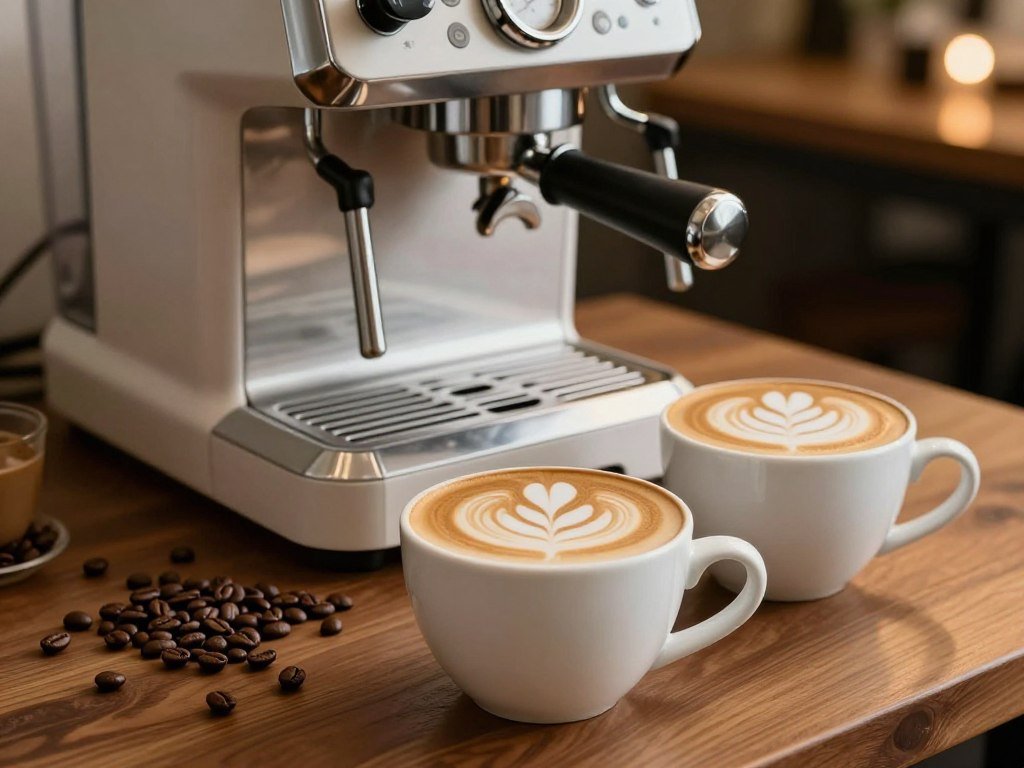
For a home where cappuccinos and lattes are the usual order, start by comparing the De’Longhi Eletta Explore and Philips 5500. Both are recommended for homes centered on milk drinks. They are starting points, not universal winners.
Choose based on the milk drinks you make and the amount of work you want each cup to take. A machine suited to one-touch drinks may not suit someone who wants to shape foam by hand.
The Philips 5400 and 5500 are also Philips options in a separate automatic-machine comparison. The Philips 3300 is another model to consider if you want to compare that brand’s range.
The De’Longhi Eletta Explore appears among fully automatic options, as does the Gaggia Accademia. The Accademia offers another path, but it is not the top milk-drink pick in this 2026 set.
For a flat white, latte, or cappuccino, pay attention to whether the machine can make a drink you enjoy with little input. A milk frother may save effort, while a wand gives you more direct involvement.
Daily use matters more than a large menu. If you order only a latte, a long list of other drinks may not add much value; easy milk prep may matter more.
Try to picture cleanup after your usual drink, not just the moment the cup is ready. Choose the machine whose milk texture and cleanup routine suit the drinks you actually make.
What Helps a Machine Serve a Household with Different Coffee Habits?
A household that alternates between regular and decaf beans can benefit from the Rivelia’s two interchangeable hoppers and four user profiles. The touchscreen lets you select drinks and make adjustments. These features help most when several people share the machine.
Two hoppers make switching beans easier, while saved profiles can keep each user’s preferences separate. They add less value to a single-user routine built around one coffee choice.
Two interchangeable hoppers let you keep different beans ready, such as regular and decaf. That can spare you from emptying one bean type before using another.
Profiles offer a different kind of convenience. Each person can save preferred drink settings, which helps when one household member likes a shorter espresso and another wants a larger cup.
A touchscreen makes the saved choices easier to reach, but the feature only helps if the settings suit each user. A profile that cannot store a favorite drink the way someone likes it may not reduce daily effort.
Think about how often you change beans and who will use the machine. If one person always drinks the same coffee, extra storage and profiles may add complexity without improving the routine.
Households can also have different schedules and tastes. A shared machine works best when each person can find their drink without changing another person’s setup.
Confirm that each intended user can save the drink settings they actually want before treating profiles as a must-have.
What Should First-Time Buyers Choose?
The Magnifica Start and Gaggia Brera are sensible first-machine candidates when keeping the initial outlay down matters. The Start is a lower-cost De’Longhi entry option, while the Brera offers a compact, simpler setup. Both keep the routine approachable.
Compare daily cleaning and milk prep, not just the price tag. A first machine should feel manageable on an ordinary morning, not only look appealing in a product list.
De’Longhi Magnifica Start
The Magnifica Start suits a buyer who wants an automatic coffee routine without starting at a premium price point. It is one of the lower-cost first-machine options for 2026.
Check which version and milk setup you are considering. A machine that matches your usual drink may be a better first choice than one with options you do not plan to use.
Gaggia Brera
The Brera is a compact, simpler alternative with a Panarello wand. Its 40.6 fl oz water tank and five grind settings offer practical choices, though the wand requires you to handle milk separately.
Use this short checklist before choosing your first machine:
- Ease of daily cleaning
- Milk method
- Room to remove the water tank
A first espresso machine should fit the space and rhythm you already have. If you rarely steam milk, a wand may be extra work; if you enjoy learning, it can be part of the fun.
Before buying, check that the machine’s milk setup and cleaning steps feel manageable for everyday use.
Is Gaggia Better Than De’Longhi?
De’Longhi has the 2026 overall pick, but Gaggia may fit better if a specific menu or frothing arrangement matters more to you. The model matters more than the badge when you compare features.
De’Longhi leads the overall brand comparison, while Gaggia offers models with distinct drink menus and frothing setups. A brand name alone cannot tell you which machine suits your usual cup.
| Model | Programmed drink count | Notable differentiator |
|---|---|---|
| Gaggia Magenta Prestige | 10 | Removable milk carafe and ceramic grinder |
| Gaggia Accademia | 15 | Dual boilers and manual or automatic milk frothing |
| Gaggia Brera | Two specialty drinks | Panarello wand |
The Magenta Prestige includes ristretto, espresso, Americano, cappuccino, flat white, and cortado among its 10 drink options. Its removable milk carafe and ceramic grinder may suit a home that wants preset milk drinks.
The 2022 Gaggia Accademia has 15 pre-programmed drinks, dual boilers, a ceramic grinder, and manual or automatic milk frothing. It also has user profiles and a touchscreen-and-dial interface.
De’Longhi’s Magnifica Plus and Rivelia are two automatic-machine options. The Rivelia is the overall Gaggia-or-De’Longhi pick, while a Gaggia model may better fit a particular menu or preferred milk workflow.
A flat white drinker may care more about the menu and milk setup than the brand. Someone who prefers a simpler specialty-drink range could find the Brera more appealing.
Compare the exact models and their milk workflow rather than assuming one brand wins every household’s comparison.
How Do Automatic Milk-Frothing Systems Differ?
A one-touch milk carafe is the easiest choice when you want the machine to prepare coffee and frothed milk after one drink selection. It heats and froths milk, then dispenses the drink. Convenience is the main draw.
Carafes reduce hands-on work, while wands ask you to steam milk separately. Your choice comes down to how much control you want and whether you are willing to clean milk-contact parts.
One-touch milk carafes
A one-touch milk carafe handles coffee and milk after you choose a drink. The machine heats and froths the milk, then dispenses the finished cup without requiring you to hold a jug under a wand.
That setup suits a quick latte or cappuccino, especially when several people want milk drinks. Milk-contact parts still need care, so consider the cleaning routine along with the one-button convenience.
Panarello steam wands
A Panarello wand has an air-intake sheath around the steam pipe. The added air helps make foam with less technique than a pro wand, but gives you less control over texture.
You place a jug under the wand and steam the milk yourself. That takes more effort than selecting a carafe drink, though it gives you a direct role in preparing the cup.
Pro steam wands
A pro steam wand lets you control milk texture and temperature more closely. You steam milk in a separate jug, then pour it into the coffee.
That hands-on method can suit someone who enjoys practicing milk frothing. It can frustrate a buyer who expects one button to make espresso milk for a latte.
Think about the morning routine you want. A carafe can save steps, while a wand can make the milk process part of the drink-making experience.
Pick a wand only if you are willing to steam milk separately and practice controlling its texture.
How Much Brewing Control Do You Need?
The Oracle Jet is a useful middle ground for people who want assisted portafilter brewing without doing every preparation step themselves. It automates grinding, dosing, and tamping. You still handle some steps before the drink is ready.
The Oracle Jet requires you to move the portafilter and place the milk jug under the wand. Those two manual actions separate it from a true one-touch super-automatic espresso machine.
The Oracle Jet uses one boiler and keeps part of the traditional workflow. If you like taking an active role without handling every prep step, that balance may suit you.
The Gaggia Classic Evo Pro asks for more separate equipment. It has a 58 mm portafilter, a professional steam wand, and a 3-way solenoid valve, but needs a separate grinder and tamper.
That setup gives you more direct control over the coffee, while adding tools and tasks to the counter. A grinder and tamper also take space beyond the espresso machine itself.
“Professional espresso machine for home” can mean equipment with more user control, not necessarily a commercial machine. Portafilter models ask more of you than a bean-to-cup machine.
A home setup with a steam wand can give you greater control over espresso milk, but skill and practice shape the result. The machine does not remove the work of preparing the basket and steaming milk.
Choose a portafilter workflow only if you want hands-on control enough to accept the extra preparation and equipment.
Will the Machine Fit Your Kitchen and Cup Routine?
A machine can fit the counter and still be awkward if its tank cannot be reached or a favorite mug will not clear the spout. Measure the whole routine, not just the machine’s footprint.
Check tank access and cup clearance before choosing a model. A water tank that lifts upward may be hard to remove below a low cabinet.
| Model | Water tank capacity | Maximum cup height | Practical check |
|---|---|---|---|
| De’Longhi Rivelia | 1.4 L | 14 cm | Measure tank access |
| Gaggia Brera | 1.2 L | 11.4 cm | Check tall-mug clearance |
| Philips 3200 LatteGo | 1.8 L | 17.5 cm | Confirm counter depth and refill access |
Measure these four spots before ordering:
- Counter width
- Height under cabinets
- Tank removal direction
- Tallest cup
The Philips 3200 LatteGo has the largest cup clearance of these three models at 17.5 cm. That can help if you use a taller mug, but you still need room to reach the tank.
Check depth as well as width, especially if the machine sits near a wall or under a cabinet. A machine may fit on paper but leave too little room for refilling or lifting parts out.
Measure the counter and cup before ordering, then confirm how the tank comes out.
What Does Espresso-Machine Testing Measure?
Espresso-machine testing can measure shot consistency and milk texture, but the tested workflow matters as much as the score. Consumer Reports evaluated seven espresso machines in 2026, with prices from $90 to $2,200. Those machines used portafilters.
The evaluation measured consistent, sweet, balanced shots and even microfoam. Its results describe those tested machines and do not directly represent every bean-to-cup workflow.
All seven tested machines required grounds to be packed into a portafilter, and none dispensed whole beans. That is a different routine from a super-automatic espresso machine that grinds beans inside the unit.
A score for shot quality can help you compare how machines perform under a test setup. It does not tell you how a built-in grinder, automatic tamping, or a particular bean will affect your own cup.
The test also considered milk texture, including how evenly a machine made microfoam. That measure may matter if you drink milk-based coffee, but you should still check how the machine prepares milk.
Consumer Reports testing can inform a search for a portafilter espresso machine, but its setup is not the same as bean-to-cup brewing. The workflow determines which features are being measured and how closely the results fit your needs.
Check whether a test machine grinds whole beans automatically before applying its results to a bean-to-cup shortlist.
What Cleaning and Maintenance Should You Expect?
A removable brew group, as found on the Philips 3200 LatteGo and Gaggia Brera, can make access for cleaning more straightforward. Easy access helps, but every machine still needs regular care.
Follow the machine’s care instructions for rinsing, brew-group cleaning, and descaling. Cleaning needs depend on use, water hardness, and the machine’s directions.
Grounds collect in the bin, and water gathers in the drip tray. Milk-contact parts also need attention when you make milk drinks, while the brew group may need rinsing or cleaning as directed.
Use this simple routine as a starting point:
- Empty the grounds bin and drip tray.
- Rinse milk-contact parts after use.
- Clean a removable brew group as directed.
- Follow the descaling prompt and water guidance.
Water hardness affects how often some machines need descaling, so follow the maker’s schedule rather than guessing. Use the water guidance in the instructions to help protect the machine.
Reliability is hard to judge from features alone. Look for accessible service, clear care instructions, and a cleaning routine you can keep up with.
A removable part can make cleaning access easier, but it does not remove the need for regular care. Check the care steps and service support before choosing a machine, because a feature-rich model is a poor fit if its upkeep feels burdensome.
Is a Fully Automatic Espresso Machine Worth It?
A daily café habit can add up to $1,000 a year if one $4 drink is bought five days a week for 50 weeks. That is an example, not a guaranteed saving.
Frequent café buyers may find home coffee worthwhile, while occasional drinkers may not recoup the cost. A good super-automatic is described as lasting 5-10 years, but real lifespan depends on use and care.
The $1,000 figure counts only the example café habit. It does not subtract the machine price or ongoing costs, so it should not be treated as money you will certainly save.
Include these costs in your estimate:
- Machine purchase
- Beans
- Cleaning supplies and filters
- Repairs or replacement parts
Beans and supplies add to the cost of each home drink. Repairs or replacement parts may also matter during years of use, so a low price tag is not the whole ownership cost.
A frequent buyer may value the convenience of preparing coffee at home, even if savings are not the only reason. Someone who buys café coffee only now and then may need a long time to justify the expense.
Compare your own café habit and ongoing costs before deciding whether the convenience earns its place on the counter.
Which Beans and Water Should You Use?
Whole beans and small grind adjustments give you a practical way to tune a machine’s espresso to your taste. Change one thing at a time so you can tell what affects the cup.
Grinder material alone does not guarantee better-tasting coffee. Fresh beans, grind setting, water, and your preferred drink all shape the result.
The De’Longhi Rivelia has a stainless steel conical burr grinder with 13 settings. The Philips 3200 LatteGo has a ceramic flat burr grinder with 12 settings.
Those designs differ, but the number of settings does not predict which coffee you will prefer. A careful adjustment to the grind can matter more than the material label on the grinder.
Start with whole beans and the manufacturer’s suggested setting. If the espresso tastes too weak or too intense, adjust the grind gradually while keeping the bean and drink size steady.
Use water that follows the manufacturer’s guidance. Water quality can affect taste and the machine’s care needs, so avoid assuming that one water choice suits every model.
Some machines also accept ground coffee through a bypass chute, while others may not. Check your model’s instructions before putting ground coffee into a hopper meant for whole beans.
Begin with the manufacturer’s recommended setting, then change the grind gradually while keeping the beans and drink size consistent.
Conclusion
The best fit is the machine that suits your everyday drink and the amount of effort you want to put in. Your main cup, desired level of automation, and spending limit should guide the choice.
Product awards point to category strengths, not universal promises about taste or reliability. A model that works well for one household may not match your routine.
Write down your usual drink and budget, then shortlist two models that fit both.
FAQ
What is the number one espresso machine?
The De’Longhi Rivelia is the 2026 overall super-automatic pick. It suits people who want a hands-off bean-to-cup routine, while the Breville Oracle Jet is the espresso-quality choice for buyers who accept extra manual steps. The Oracle Jet is not a true one-touch super-automatic, so its strong quality rating does not make it the easiest choice for every home.
Is espresso stronger than regular coffee?
Espresso is more concentrated by volume, but a full serving of brewed coffee can contain more caffeine. The amount depends on serving size and recipe, so a small espresso shot should not be compared with a large mug by volume alone. If you are choosing a drink for its caffeine, consider how much you drink and how it is made.
How often should I clean an automatic espresso machine?
With daily use, empty the grounds bin and drip tray regularly, and rinse milk-contact parts after use. Follow the maker’s schedule for brew-group cleaning and descaling, since the routine varies by machine and water conditions. A quick rinse after a milk drink helps keep residue from building up before the next use.
Can I use pre-ground coffee in an automatic espresso machine?
Some models have a bypass chute for ground coffee, but not every model does. Check the specific machine’s instructions before adding grounds, because its main bean hopper is designed for whole beans. If a bypass chute is available, use the amount and steps the maker recommends rather than pouring grounds into the wrong compartment.
Do automatic espresso machines make regular coffee?
Many offer espresso-based options such as an Americano or café crema, but those drinks do not use the same brewing method as a drip coffee maker. An Americano combines espresso with hot water, while drip coffee runs water through grounds over a longer brew. Check the menu if you want a larger, less concentrated cup.