
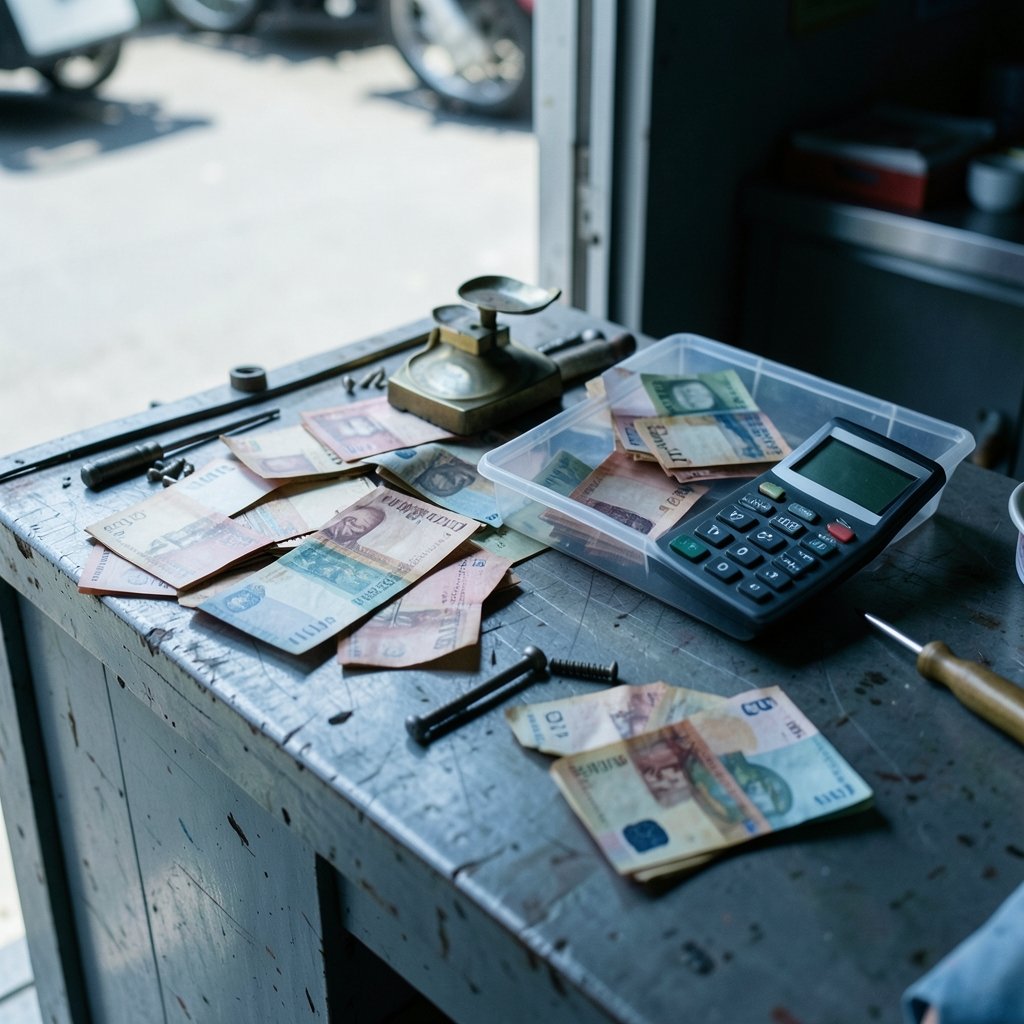
What do you do when a single banknote is worth more than a week’s groceries, and the smallest coin in your pocket buys nothing at all? That is the everyday reality of Vietnamese money. The đồng (VND) is one of the world’s most distinctive currencies, and understanding it saves travelers from getting shortchanged, helps businesses price correctly, and explains a lot about how Vietnam’s economy actually functions. This guide covers the currency’s history, its strange denominations, how exchange rates are managed, and the practical habits that make handling cash in Vietnam far less confusing.
What Exactly Is the Vietnamese Đồng?
The đồng is Vietnam’s official currency, identified internationally by the code VND and written with the symbol ₫. The State Bank of Vietnam (SBV) is the country’s central bank and the sole issuer of the currency. Currency codes like VND are set by an international standard, and you can read the official list of currency codes maintained by ISO to see how Vietnam’s code fits into the global system.
In everyday speech, Vietnamese people rarely say “đồng” in full when quoting large sums. They drop the thousands and speak in shorthand. A meal costing 50,000 ₫ is simply “năm mươi” (fifty). A hotel room at 500,000 ₫ is “năm trăm” (five hundred). This habit trips up visitors constantly, and it is the single most common source of payment confusion in the country.
A Short History of Vietnamese Money
Vietnam’s currency has been reshaped by war, reunification, and economic crisis.
The đồng was first introduced as the currency of North Vietnam in 1946, replacing the French Indochinese piastre. After the country reunified, a single national đồng was adopted on 3 May 1978. The full history, including the many changes in note design and issuing authority, is documented in the encyclopedia entry on the Vietnamese đồng.
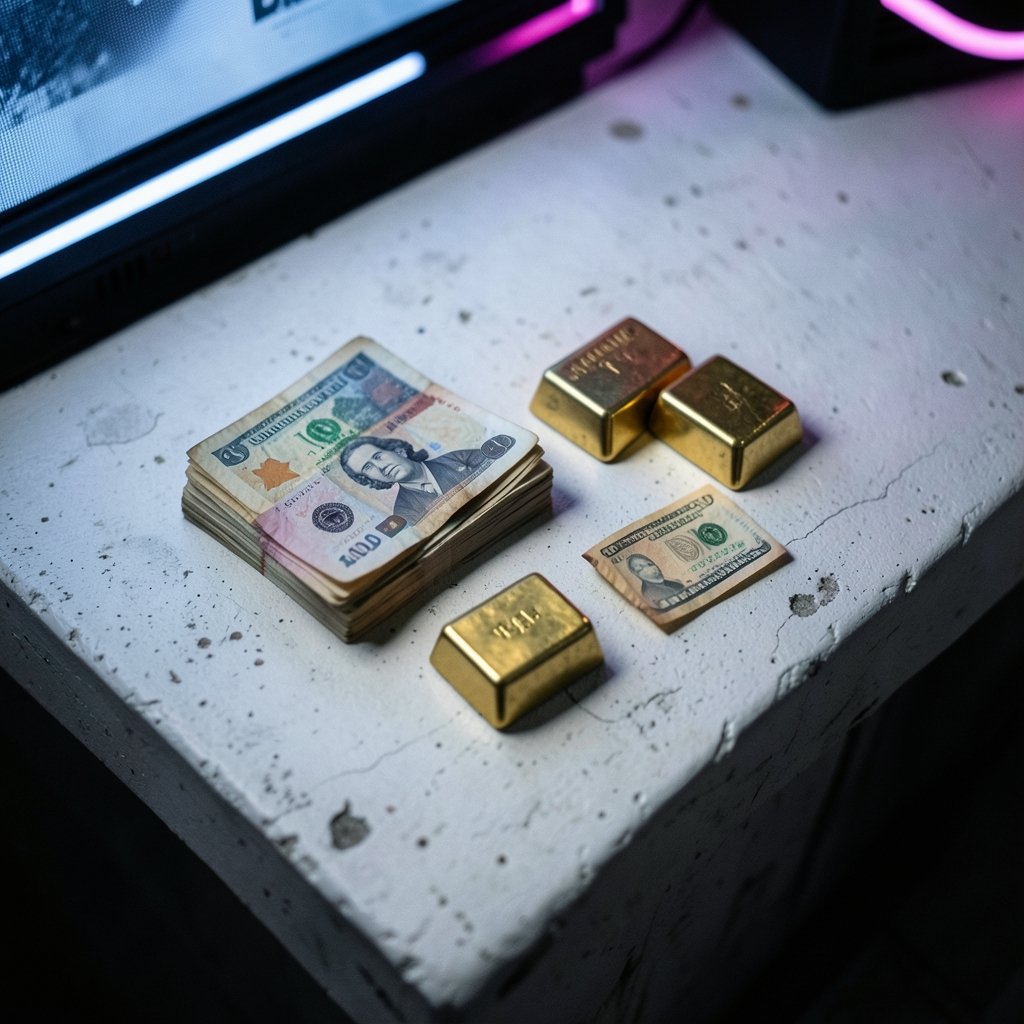
The late 1980s brought severe inflation during the early đổi mới reform era. Annual inflation reached triple-digit levels around 1986 to 1988, eroding the currency’s value and pushing Vietnam toward the market reforms that stabilized the economy in the 1990s. That period explains a lot about why the đồng carries so many zeros today and why many Vietnamese households historically trusted gold and US dollars more than their own currency.
Why the Numbers Look So Big
The largest circulating banknote is 500,000 ₫. Notes run across a wide range, and the gap between the smallest and largest is enormous by global standards. Here is a rough guide to what the main notes look like in practice:
| Note | Rough everyday use |
|---|---|
| 100 ₫ to 1,000 ₫ | Effectively obsolete; rarely seen |
| 2,000 ₫ to 10,000 ₫ | Small purchases, motorbike parking, street snacks |
| 20,000 ₫ to 50,000 ₫ | Coffee, simple meals, short taxi rides |
| 100,000 ₫ to 200,000 ₫ | Restaurant meals, groceries, mid-range services |
| 500,000 ₫ | Hotels, larger bills, breaking change |
A practical tip that experienced travelers repeat constantly: keep a stack of small notes. Vendors and drivers often claim they have no change for a 500,000 ₫ note, and while this is sometimes true, it is also a classic way to nudge a customer toward rounding up or leaving the difference. Breaking large notes at convenience stores or supermarkets early in the day solves this before it becomes a problem.
Coins were issued in the 2000s but have largely fallen out of everyday use. Whether they remain legal tender should be checked with the central bank before you rely on them; in practice, nobody hands them over.
Polymer Notes and Counterfeit Awareness
Vietnam began switching from paper to polymer banknotes starting in 2003, with the 50,000 ₫ among the first. The move was a deliberate anti-counterfeiting measure, and the plastic notes last far longer in a hot, humid, cash-heavy economy.
For visitors, the practical lesson is simple: polymer notes feel slick and springy, and they should be checked the same way as any currency. Tilt the note, look for the clear window, and feel the raised printing. Counterfeit detection matters most in tourist areas and late-night venues, where lighting is poor and transactions move fast.
How the Exchange Rate Is Set
Vietnam does not let the đồng float freely. The State Bank of Vietnam operates a managed float, setting a daily central rate with a trading band around it. The band’s width has changed over time, widening during periods of market stress. The International Monetary Fund’s Vietnam country page tracks the exchange-rate regime and related macroeconomic policy if you want the technical detail.
For practical purposes, the đồng has traded in a rough range of about 23,000 to 26,000 VND per US dollar through the mid-2020s. That is a wide band, and the rate moves. Anyone quoting you a fixed conversion should be treated with suspicion, and any article stating a precise rate should date it.
The Dollar and Gold Factor
Vietnam has historically had high levels of unofficial dollarization, meaning US dollars circulate alongside the đồng for savings and large transactions. Gold has served a similar role as a store of value, particularly among older generations who remember the inflation years. The central bank has run repeated measures to curb both habits. This matters to visitors because some hotels, tour operators, and jewelers quote prices in dollars or gold rather than đồng, and the conversion they use is not always favorable.
Cash, Cards, and QR Codes
Vietnam remains a cash-heavy economy for everyday transactions, but digital payments have grown quickly since around 2020. QR code payments, e-wallets, and bank transfers are now standard in cities, and the government has actively pushed toward a cashless society. The World Bank’s Vietnam country overview is a useful starting point for context on payments and financial development.
What actually works in practice:
- Carry cash for markets, street food, small shops, and motorbike taxis.
- Use cards or QR payments for hotels, larger restaurants, and supermarkets.
- Expect small surcharges on card payments at some independent businesses.
- Withdraw from bank ATMs rather than currency exchange counters for better rates, but check the fee.
- Keep a separate small wallet for daily spending so you are not flashing a thick stack of notes.
A common mistake is arriving with only large-denomination dollars and expecting a good exchange rate at the airport. Rates at airports and hotel desks are consistently worse than bank or ATM rates.
The Fraud Angle: Why Cash Discipline Matters
Anywhere cash dominates, scams follow. Vietnam’s payment culture has spawned a few patterns worth knowing. Fake taxis, short-changing, and card skimming at unfamiliar terminals are all documented risks. The broader economics of fraud are worth understanding too: the way a gift card scam works and why victims rarely get their money back shows how quickly irreversible payments destroy value, and the same logic applies to cash handed over in a hurry.
Identity fraud is the other side of the coin. A useful breakdown of where identity threat detection money actually goes explains why financial institutions invest so heavily in monitoring, and why individuals should protect their banking credentials as carefully abroad as at home. For readers interested in the wider picture of how digital money is changing, the shift toward CBDC digital currency and what central bank money going digital means is a related trend worth following.
Budgeting a Trip in Đồng
Rough daily budgets in đồng give a clearer picture than dollar conversions:
| Style | Typical daily spend |
|---|---|
| Budget backpacker | 500,000 to 900,000 ₫ |
| Mid-range traveler | 1,200,000 to 2,500,000 ₫ |
| Comfortable | 3,000,000 ₫ and up |
These figures move with the exchange rate and with region; Hanoi and Ho Chi Minh City cost noticeably more than smaller towns. A practical habit is to set a daily cash limit and withdraw that amount once, rather than making repeated small withdrawals and paying multiple ATM fees.
Common Mistakes Visitors Make
The same errors come up again and again. Misreading the zeros is the big one, and it happens most often in dim light or after a long flight. Counting aloud, note by note, feels awkward but prevents expensive slips. Confusing the 20,000 ₫ and 500,000 ₫ notes is another classic; they are different colors, but tired eyes miss that.
A second mistake is assuming the quoted price is final. In markets, negotiation is normal and expected. In shops with printed prices, it is not. Knowing which situation you are in matters more than haggling skill.
A third mistake is treating every “no change” as a scam. Sometimes it is genuine. The fix is the same either way: carry small notes.
Conclusion
Vietnamese money rewards a little preparation. The đồng is a managed currency with a managed exchange rate, a cash-first culture, and a set of denominations that demand attention. Learn the shorthand for large sums, keep small notes on hand, understand that the rate moves, and treat polymer notes with the same care you would any currency. Do that, and the zeros stop being intimidating and start being useful. Whether you are visiting for two weeks or doing business for two years, the đồng is not hard to handle once you understand why it looks the way it does.
Frequently Asked Questions
What is the currency of Vietnam called?
It is the đồng, written with the symbol ₫ and the international code VND. The State Bank of Vietnam is the sole issuer.
How many zeros are on Vietnamese banknotes?
The largest circulating note is 500,000 ₫, which carries five zeros. Smaller notes range down to 100 ₫, though the lowest denominations are effectively out of use.
Is it better to use cash or cards in Vietnam?
Both, depending on the situation. Cash works best for markets, street food, and small vendors. Cards and QR payments work well at hotels, larger restaurants, and supermarkets. Carrying cash is still essential outside major cities.
Why do Vietnamese people say numbers without the thousands?
Because quoting full amounts is slow and the zeros are predictable. A 50,000 ₫ item becomes “fifty,” and a 500,000 ₫ item becomes “five hundred.” Visitors should confirm the full amount before paying.
Can I use US dollars in Vietnam?
In some tourist areas, hotels, and tour operators accept dollars, but the đồng is the legal currency and you will usually get a better deal paying in it. Exchange at banks or ATMs rather than at hotels or airports.
Is the đồng going to be redenominated?
There have been periodic public discussions about dropping zeros, but no redenomination has been implemented. Any claim of a planned change should be treated as unconfirmed unless the State Bank of Vietnam announces it.
That last point deserves emphasis: redenomination rumors resurface every few years, usually tied to inflation memories or administrative proposals, and they almost always turn out to be speculation. If a change ever happens, it will be announced formally, with a transition period and clear guidance on exchanging old notes. Until then, treat the current denominations as stable.
One final piece of advice ties the whole picture together. The đồng is not a difficult currency; it is a currency that punishes haste. Count carefully, break large notes early, keep small bills separate, confirm prices before paying, and check the rate rather than assuming it. None of these habits takes more than a few seconds, and together they remove most of the friction and nearly all of the risk. Visitors who learn the shorthand, respect the cash culture, and stay alert in tourist zones will find that Vietnam’s money becomes second nature within a day or two—and the country itself becomes far easier to enjoy once the arithmetic stops demanding attention.



