
Quick Answer: Do you get bail money back?
It depends. Cash bail posted directly with the court is usually refunded after the case ends, as long as the defendant shows up for every required appearance. If the defendant misses court, the court can keep the money through a process called forfeiture.
Using a bail bondsman changes the math. The premium you pay, often around 10% of the bail amount in many states, is a non-refundable fee and never comes back. Property bonds work differently again: nothing is “paid,” so getting it back means having a lien released.
Before you post anything, check the court’s refund rules, administrative fees, whether a bondsman is involved, the collateral terms, and the expected timeline.
What happens to a $5,000 bail payment when the case quietly ends with a plea deal? Does the family get a check in the mail, or does the money simply vanish into the courthouse budget? Plenty of people post bail in a panic and only later ask the obvious question: do you get bail money back? The answer is more hopeful than most people expect, but it comes with real conditions, and a few common mistakes can cost you the entire amount. (Bail: Wikipedia overview)
The short answer: usually yes, with conditions

In the United States, money posted as bail is generally returned once the case concludes, minus any fees or forfeitures, provided the defendant attended all required court appearances. That is the core rule, and it surprises people who assume bail is a fine. It is not. Bail is a deposit meant to guarantee future appearances, not a punishment. (Bail: Wex legal encyclopedia (Cornell LII))
The catch is that bail rules are set by state law and local court rules, so there is no single national standard. A refund process that takes two weeks in one county might take three months in another. Some courts automatically mail a refund check. Others require the person who posted the money to file a motion or application for return of funds. If nobody asks, the money can sit in a court account for years.
That last point is one of the most common practical mistakes. Families assume the court will track them down. Courts are busy, addresses change, and refunds stall. The person who posted the money should confirm the refund procedure at the clerk’s office on the day of posting, not months later.
Cash bail: the clearest path to a refund
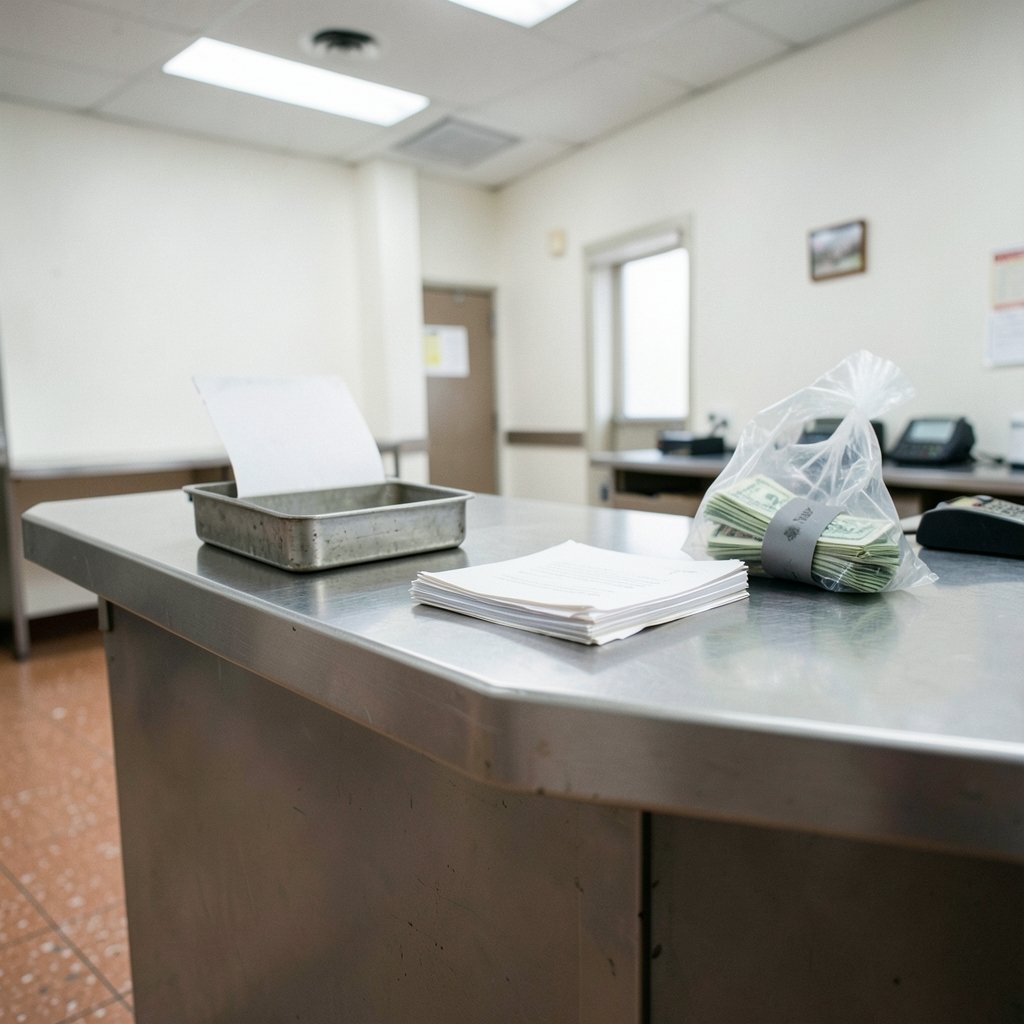
Cash bail posted directly with the court is the strongest case for getting money back. When a defendant or family member pays the full bail amount in cash to the court rather than through a commercial bondsman, that money is generally returned at the end of the case if all conditions are met.
A few practical details matter here:
- Keep the receipt. The clerk’s office issues a receipt when cash is posted, and it is the proof of who paid and how much.
- Confirm who the refund goes to. In most courts, the money returns to the person who posted it, not automatically to the defendant.
- Ask about administrative fees. Some courts deduct a small processing fee from the refund.
- Update your address with the clerk. Refund checks mailed to old addresses are a frequent source of lost money.
- Follow up after final disposition. A polite call to the clerk a few weeks after the case ends resolves most delays.
Cash bail is also where forfeiture bites hardest. If the defendant fails to appear, the court may declare the bail forfeited, meaning the posted amount is not returned. Some courts will set aside a forfeiture if the defendant is later produced, but that is discretionary and varies widely by jurisdiction. Nobody should count on it.
Bail bonds: why the premium never comes back
Most people do not post the full bail amount themselves. They call a bail bondsman, who posts the bond with the court in exchange for a fee. That fee is the part people misunderstand most.
The bondsman’s premium is not refundable. It is the bondsman’s compensation for taking on the risk, and it is not returned even if the defendant appears at every hearing and the case is dismissed. In many U.S. states the premium runs around 10% of the bail amount, though rates are set by state regulation and vary. On a $20,000 bail, that is roughly $2,000 gone, regardless of outcome.
Here is the part that trips people up: when the case ends, the court returns the posted bond to the bondsman, not to the family. The bondsman was the one who put up the money. The family’s payment was the premium, and it bought a service, not a deposit.
Bondsmen often also require collateral, such as a car title, a deed, or a signed agreement from a friend or relative. Collateral is typically returned when the obligation ends, but the terms are set by the contract, not by the court. Read that contract before signing. If the defendant flees, the bondsman may pursue the collateral, and the family may owe the full bail amount.
Property bonds and lien release
Sometimes real estate or other property is pledged as bail instead of cash. With a property bond, the court places a lien on the property. When the case concludes and the defendant has complied with all conditions, the lien is typically released.
Nothing was “paid” in this arrangement, so getting it back means clearing the lien, not receiving a check. The practical risk is timing. A lien that lingers on a title can block a home sale or refinance, so the property owner should confirm the release in writing and check the county records rather than assume the court handled it. This is also where identity and paperwork errors creep in, which is why it pays to understand how identity threat detection really costs and where the money goes when documents tied to your property start circulating.
What forfeiture actually means
Forfeiture is the legal mechanism that lets the court keep bail. It happens when the defendant violates a condition of release, most commonly by failing to appear in court.
The consequences are not always all-or-nothing. In some jurisdictions, the court may set aside a forfeiture if the defendant is later produced, sometimes with a fee or a partial payment. In others, the forfeiture stands. Because the rules differ so much, a blanket statement like “you can always get it back if you show up eventually” is wrong. Anyone facing a missed court date should talk to a local attorney quickly, because deadlines for challenging a forfeiture are often short.
Timing: when the money actually arrives
Refunds are usually processed after final disposition of the case, not after each hearing. That means the money may be tied up for months while the case moves through the system. Processing itself can take weeks to months depending on the court’s workload.
A realistic timeline often looks like this:
| Stage | What happens | Typical timing |
|---|---|---|
| Case concludes | Final disposition entered | Day of plea or verdict |
| Court review | Clerk confirms appearances and conditions | Days to weeks |
| Refund processing | Check issued or motion required | Weeks to months |
| Check arrives | Mailed to the poster’s address | Varies by court |
The single best habit is to ask the clerk two questions when posting bail: who receives the refund, and what triggers it. Write down the answers. Courts handle thousands of these transactions, and a family that knows the process moves through it far faster.
The 10% figure is not universal
The widely quoted 10% premium is a norm, not a law of nature. Premium rates are regulated at the state level, and some states allow different rates, minimum fees, or payment plans. A few states have largely restricted commercial bail altogether. Anyone comparing options should ask the bondsman for the regulated rate in writing and check it against state rules.
Cost is not the only variable. A cheaper premium with harsh collateral terms can be far more expensive in the end. The same logic applies to any financial commitment made under pressure, whether it is a bail bond or a hardware purchase for a home office, which is why it helps to know how to pick the best ergonomic chairs for a home office that actually saves your back before spending, rather than after. Pressure selling is pressure selling, whatever the product.
Bail outside the United States
Bail systems elsewhere work differently, and it is a mistake to generalize from U.S. practice. In England and Wales, for example, court bail is not usually secured by a cash deposit paid to the court in the way U.S. cash bail works. Surety arrangements exist, but the refund logic differs from the American model. Anyone dealing with a case abroad should check the national guidance for that country rather than assume a U.S.-style refund applies.
The broader lesson is that jurisdiction matters enormously. Bail and refund rules are set by state law and local court rules in the U.S., and by national law elsewhere. There is no universal answer to “do you get bail money back” that travels across borders.
Common mistakes that cost people their refund
After watching how these cases usually go wrong, a few patterns stand out.
The first is paying a bondsman and expecting the premium back. It is a fee, not a deposit, and no amount of good behavior changes that.
The second is losing the paperwork. Receipts, bond documents, and collateral agreements are the evidence for every later claim. Photograph everything and store it somewhere you will find it again. Digital copies in a cloud backup that protects your data without wasting money cost little and prevent the classic “the receipt was in the glove box” problem.
The third is failing to update contact details with the clerk. A refund check sent to an old address can take months to recover.
The fourth is assuming the defendant’s appearance is the only condition. Release conditions can include check-ins, travel restrictions, or no-contact orders. Violating any of them can trigger forfeiture even if the defendant never misses a hearing.
Finally, people often skip the follow-up. Courts do not always chase people down. A single phone call to the clerk’s office after the case ends resolves a surprising number of stalled refunds.
How bail money fits into the wider money picture
Bail is often a sudden, unbudgeted expense, and families frequently borrow or liquidate savings to cover it. That makes the refund timeline matter as much as the refund itself. Money locked in a court account for three months cannot pay rent.
It is worth understanding how cash moves through modern systems, since bail refunds are increasingly processed electronically. Central bank digital currency proposals, for instance, would change how government payments reach citizens, and the debate is worth following through explainers on CBDC digital currency and central bank money going digital. For now, most refunds still arrive as paper checks or direct deposits, and either way, the family has to be reachable.
Conclusion
So, do you get bail money back? Usually yes, if you posted cash directly with the court and the defendant honored every condition of release. The court holds the money as a guarantee, not a penalty, and returns it once the case ends. But the refund is not automatic in every jurisdiction, it can take months, and it shrinks or disappears entirely if the defendant misses court.
The bondsman route is different. The premium is gone the moment you pay it, and the court’s returned bond goes back to the bondsman, not to you. Property bonds mean a lien release rather than a check. Before posting anything, ask the clerk who gets the refund and what triggers it, keep every receipt, and follow up after the case closes. A little paperwork discipline at the start is what turns a deposit into a refund at the end.
FAQ
Does bail money go back to the person who paid it?
In most courts, yes. The refund generally goes to the person who posted the money, which is why the receipt matters. If a friend or relative paid, that person usually needs to be named on the paperwork and may need to file a request for return of funds.
Can you get bail money back if the charges are dropped?
Often yes, if the money was posted as cash bail directly with the court and the defendant met all conditions. Dismissal of charges does not automatically speed up the refund, though. The court still processes the release after final disposition, and some courts require an application.
Is the bail bondsman’s fee ever refundable?
No. The premium is the bondsman’s compensation for taking on the risk and is not returned, even if the defendant appears at every hearing and the case is dismissed. Any collateral is a separate matter governed by the contract, and it is usually returned when the obligation ends.
What happens if the defendant misses a court date?
The court may declare the bail forfeited, meaning the posted amount is kept. Some jurisdictions allow a forfeiture to be set aside if the defendant is later produced, sometimes with a fee, but this is discretionary. Deadlines to challenge a forfeiture are often short, so legal advice should come quickly.
How long does it take to get bail money back?
It varies by court. Refunds are typically processed after the case reaches final disposition, and processing can take weeks to months. Some courts mail checks automatically, while others require a motion or application from the person who posted the money.
Do you get bail money back in countries outside the U.S.?
Not in the same way. Bail systems differ substantially, and in England and Wales, for example, court bail is not usually secured by a cash deposit paid to the court in the U.S. style. Anyone dealing with a case abroad should check that country’s official guidance rather than assume a U.S.-style refund applies.



