
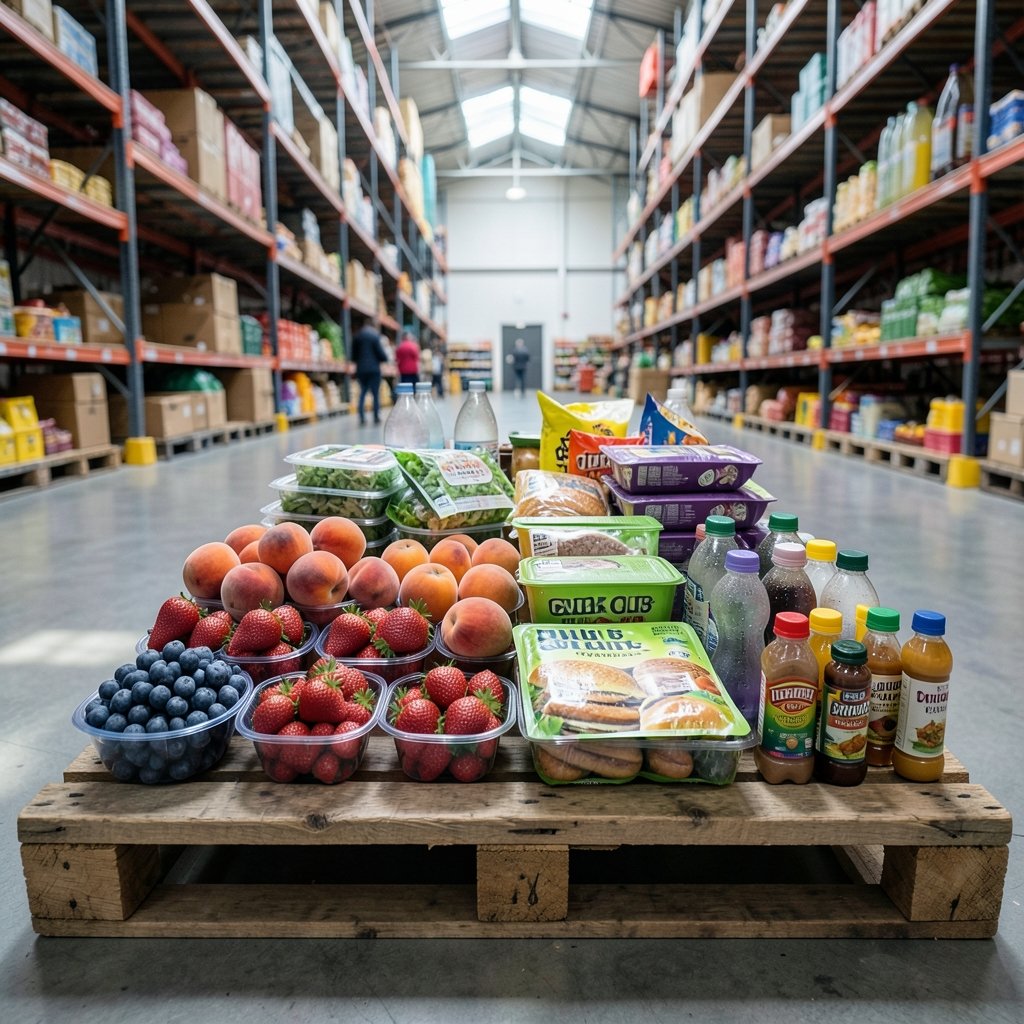
Have you walked into Costco in July, spotted a pallet of something you have never seen before, and wondered whether it will still be there next week? The warehouse club’s grocery lineup shifts constantly, and July is one of the busiest turnover months of the year. Most shoppers talk about “new arrivals” in a way that does not match how Costco actually releases products. Understanding that gap separates a wasted trip from a cart full of genuinely new finds. (Costco)
Why “July New Arrivals” Is a Fuzzy Idea
Here is the first thing to get straight: Costco does not publish a dated, official catalog of grocery new arrivals for July or any other month. There is no press release listing every new SKU with a launch date. What shoppers call “new arrivals” is really a mix of three things: seasonal rotations, limited-time buys, and regional test items.
That matters because most online lists of “new Costco items this month” are compiled by fans, forum posters, and trade writers from what they personally saw on a warehouse floor. They are useful leads, not authoritative facts. Availability varies by region, by warehouse size, and by how fast a local buying team moves stock.
Costco’s own model explains the churn. The company runs a deliberately narrow assortment, often described as a curated selection of a few thousand active items rather than tens of thousands. That means shelf space is contested, and products rotate in and out far more aggressively than at a typical supermarket. When something new lands, something else usually leaves.
The Three Categories Behind Most New Grocery Items
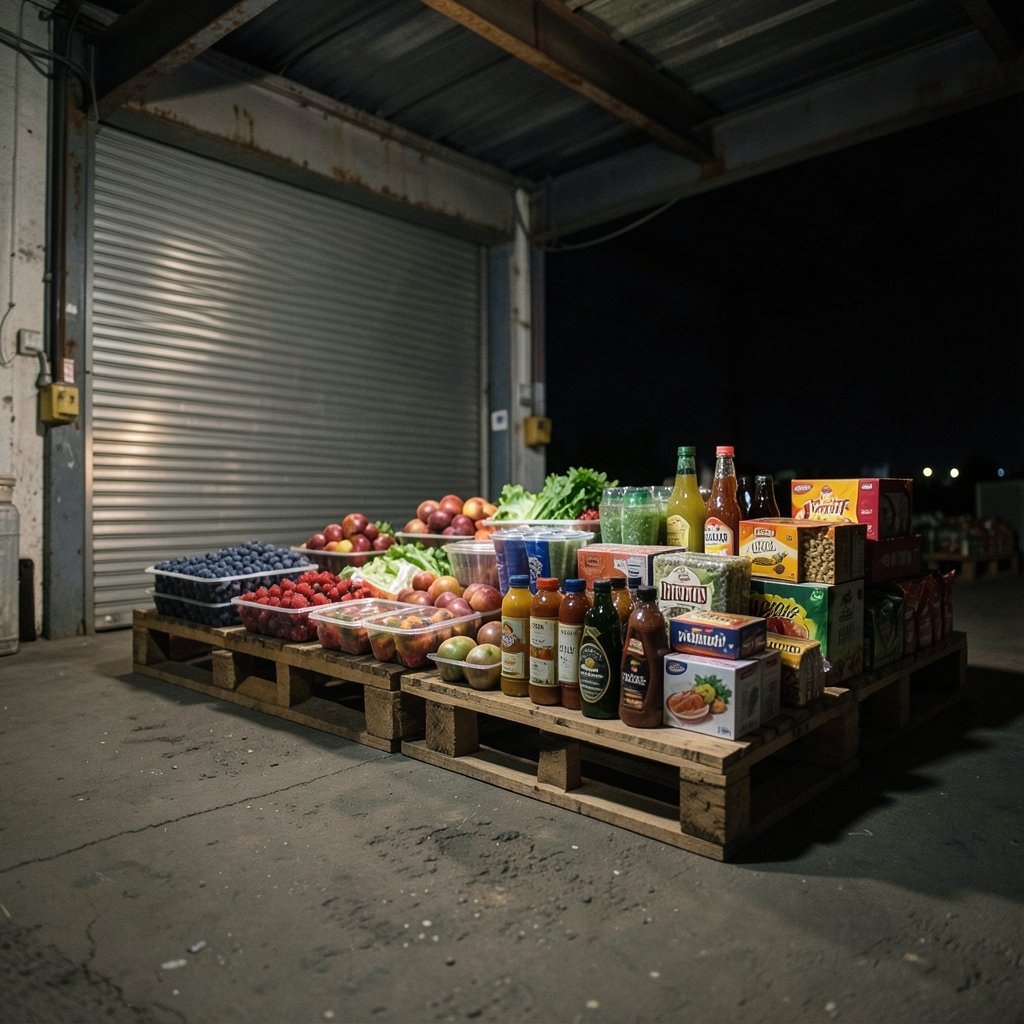
If you want to predict what will appear in July, it helps to sort new items into buckets. Each behaves differently.
Seasonal rotations
Summer is peak season for fresh and refrigerated categories. Berries, stone fruit, salad kits, chilled beverages, and grilling-adjacent items get more space. These are not always brand-new products; often they are returning favorites that reappear on a predictable calendar. A “new arrival” in this bucket may simply be last summer’s item coming back with a refreshed package.
Limited-time and rotating buys
Costco’s treasure-hunt reputation comes from items bought in a single run and sold until they are gone. Grocery is not immune. You will see specialty sauces, snack multipacks, frozen novelties, and imported treats appear for a few weeks and vanish. These are the items most likely to be described as “new” online, because they genuinely were not there last month.
Regional and test items
Buying decisions are partly regional. A warehouse in a warm climate may carry different chilled beverages than one in a cold climate. Some items are tested in a handful of locations before wider rollout. This is the single biggest reason two shoppers can argue about whether a product “exists” at Costco and both be right.
| Category | Typical July behavior | How long it lasts |
|---|---|---|
| Seasonal fresh and chilled | Expanded space, returning favorites | Through summer, then tapers |
| Limited-time specialty | Sudden appearance, no restock guarantee | Weeks, sometimes days |
| Regional test items | Appears in select warehouses only | Unpredictable |
| Core staples | Stable, rarely “new” | Year-round |
What Actually Works When You Shop for New Items
Practical experience beats any list. Here is what tends to pay off.
Go early in the week and early in the day. New pallets are often set before or around opening. Weekend afternoons are the worst time to spot something fresh, because the crowd has already picked over the display.
Walk the aisles you normally skip. New grocery items frequently land in endcaps and center aisles rather than in their “logical” home. If you only shop the perimeter, you will miss most limited-time food buys.
Check the price tag for clues. Costco price tags carry coded information, and a tag ending in a specific digit often signals a markdown or a pending deletion. A very short run of an unfamiliar item plus an asterisk-style marker is a strong hint that it will not be restocked. Learning to read tags is more reliable than any monthly roundup.
Ask the demo staff. Sample counters are staffed by people who see the new set first. A quick question about what just landed often produces better information than a blog post from three weeks ago.
Photograph what you find. If you spot something unusual, snap the item and the tag. It makes it far easier to check later whether it is a one-off or a recurring item, and it helps you compare notes with other shoppers.
Common mistakes people make
The biggest error is treating a single sighting as a nationwide launch. Someone posts a photo of a new frozen dessert, and suddenly it is “back at Costco” for everyone. In reality, that warehouse may have received one pallet.
The second mistake is assuming a new item will be there next visit. Limited buys are exactly that. If you love it, buy enough to cover the gap, because a restock is never promised.
The third mistake is confusing a packaging refresh with a new product. Brands reformulate and redesign constantly, and a new look on the shelf is not the same as a new item.
How Costco’s Buying Cycle Shapes July Shelves
Costco’s assortment is built around fast turnover and bulk sizing. Buyers commit to large volumes, which means a single decision can put a product in hundreds of warehouses at once, or keep it out entirely. That structure produces the feast-or-famine pattern shoppers notice: nothing new for weeks, then five unfamiliar items in one trip.
July sits at an interesting point in the calendar. It is late enough that summer seasonal programs are fully set, but early enough that back-to-school and fall items have not yet pushed them out. That overlap is why July trips often feel unusually varied. You may see summer chilled items at full strength alongside the first hints of autumn-adjacent products.
Understanding the broader retail calendar helps here. Seasonal merchandising follows predictable planning cycles, and retailers typically set displays weeks ahead of the actual season. If you want to know what will be on the floor in July, look at what was being planned in spring.
Reading Between the Lines of “New Arrival” Claims
A lot of grocery news online is genuinely useful, and a lot of it is recycled. A few habits will keep you from being misled.
Check the date on any list you read. A roundup published in early June may already be stale by mid-July, because limited buys sell through fast.
Look for location context. A credible post says which region or warehouse the shopper visited. A post that says “spotted at Costco” with no location is a data point, not a fact.
Watch for the difference between “new” and “returning.” Many July items are seasonal repeats. That is not a bad thing, but it changes your expectations about how long they will stay.
Be skeptical of precise claims about nationwide availability. Even when a product is broadly distributed, timing differs by warehouse. The same logic applies to any retail rollout, which is why shoppers who track store-level news, such as reports on grocery outlet store closures, learn to treat national announcements as a starting point rather than a guarantee.
Where the Practical Payoff Is
For most shoppers, the value of following July new arrivals is not collecting a list. It is calibrating expectations so a trip is not wasted. If you go in knowing that some items are seasonal repeats, some are one-off buys, and some are regional, you will shop more efficiently and be less disappointed when a hyped product is not there. (FDA: Food Labeling and Nutrition)
It also helps to think about cost per unit rather than sticker price. Bulk sizing can make a new item look expensive while actually being cheaper per serving. That same discipline shows up in other buying decisions, from subscription services to home networking gear, where the headline price hides the real cost. Shoppers who compare properly, whether they are weighing an access point versus a mesh node on coverage and cost or evaluating a subscription’s real annual price, tend to make better calls than those who react to the first number they see. (Common google drive alternatives mistakes that cost teams)
If you enjoy following how retailers rotate stock and price their goods, the same curiosity applies to ownership and structure questions, such as who owns Aldi grocery stores and how that shapes its assortment strategy. Retail is full of these behind-the-scenes decisions, and they explain far more about what lands on a shelf than any monthly rumor.
A Realistic July Shopping Plan
Here is a simple approach that works better than chasing lists.
- Before you go, note two or three categories you actually need, plus one “explore” aisle.
- Shop early in the week, ideally near opening.
- Scan endcaps and center aisles for unfamiliar packaging.
- Read the price tag for markdown and deletion signals.
- Ask demo staff what is new this week.
- Buy limited-time items in quantities you can realistically use.
- Note what you passed on, so you can check back without overbuying.
That routine costs nothing and consistently surfaces more genuinely new items than any published roundup, because it is based on the warehouse in front of you rather than someone else’s.
Conclusion
Costco’s July grocery new arrivals are real, but they are not a tidy, official list. They are the visible result of seasonal rotations, limited-time buys, and regional buying decisions, all moving on a calendar that Costco does not publish. The shoppers who do best are the ones who treat online roundups as leads, read the price tags, shop early, and accept that a single sighting is not a nationwide launch. Go in with that mindset, keep one aisle open for surprise, and July becomes one of the most rewarding months to wander a warehouse. Just do not count on that new frozen dessert being there next week.
Frequently Asked Questions
Does Costco publish an official list of July grocery new arrivals?
No. Costco does not release a dated catalog of new grocery items for July or any other month. What circulates online is compiled by shoppers, fan communities, and trade writers from what they observe in stores. Treat those lists as leads rather than confirmed nationwide launches.
Why do I see a “new” item that other shoppers say does not exist at their Costco?
Buying decisions are partly regional, and some products are tested in a limited number of warehouses before any wider rollout. Two shoppers can both be accurate: the item is genuinely on one store’s floor and genuinely absent from another. Location context matters when you read any sighting report.
How long do limited-time grocery items stay on the shelf?
There is no fixed answer, but limited buys are typically measured in weeks and sometimes days. They are bought in a single run and sold until stock runs out, with no restock guarantee. If you find something you like, buy enough to cover the gap rather than assuming it will return.
What is the best time to spot new items at Costco?
Early in the week and close to opening tends to work best, because new pallets are often set before the busiest hours. Weekend afternoons are the weakest window, since crowds have already picked over displays. Endcaps and center aisles are worth a deliberate scan.
Are July “new arrivals” actually new products?
Often not. Many are seasonal items returning on a predictable calendar, sometimes with refreshed packaging. Others are genuine one-off buys or brand reformulations. The distinction matters because returning seasonal items usually stay longer than limited-time specialty products.
How can I tell if an item will be restocked?
Watch the price tag. Costco tags carry coded signals, and certain markdown patterns or deletion markers suggest an item is on its way out rather than coming back. A very short run of an unfamiliar product is also a hint. Asking demo staff is a practical backup, since they often see new sets first.



