
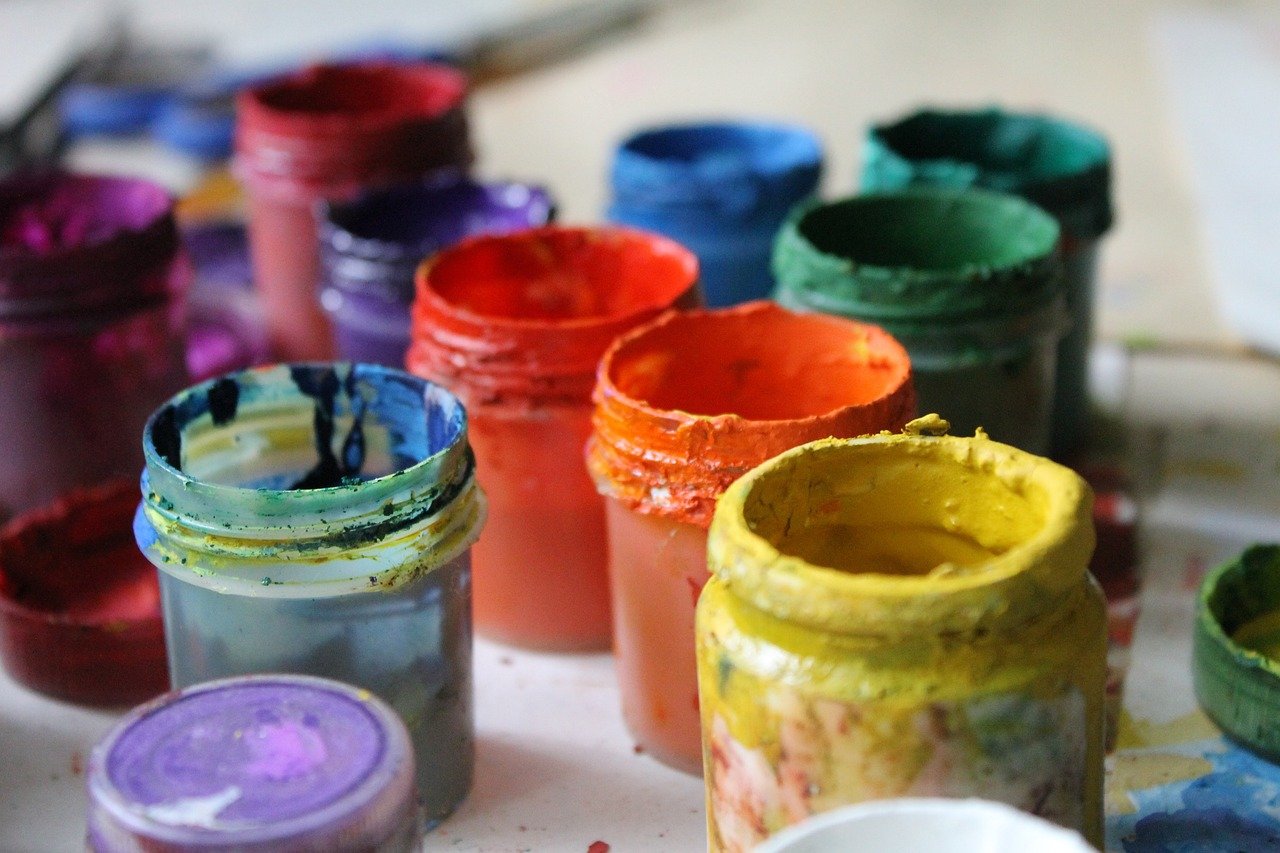
Have you ever watched an illustrator lay down a flat, velvety block of color and wondered how they got water-based paint to look so solid? That moment of surprise is usually the first encounter with gouache (pronounced “gwash”). It pours and thins like watercolor, yet it sits on the paper like a matte coat of paint. That odd double nature confuses beginners and delights professionals, and it is the reason gouache has quietly powered everything from medieval prayer books to modern animation backgrounds.
This guide explains what gouache actually is, where it came from, how it differs from its closest cousins, and the practical habits that separate a muddy mess from a clean, confident painting.
What Is Gouache, Exactly?
Gouache is an opaque, water-based paint. Its pigment is bound with gum arabic, the same plant resin used in watercolor, but manufacturers add white pigment or a chalky extender to make the dried film solid rather than see-through. The result is a paint that dries to a flat, matte finish and can usually be reactivated with water later.
That last point matters more than most beginners realize. Traditional gouache stays rewettable, so a splash of water on a finished piece can lift color. It is a forgiving medium during a session and a slightly fragile one afterward.
The word itself traveled a long way to reach English. It comes from the French gouache, which traces back to the Italian guazzo, a term linked to mud or watery paint. Dictionaries differ on the exact date the word entered English, so treat any precise “first use” claim with mild suspicion.
A Short History of Opaque Watercolor
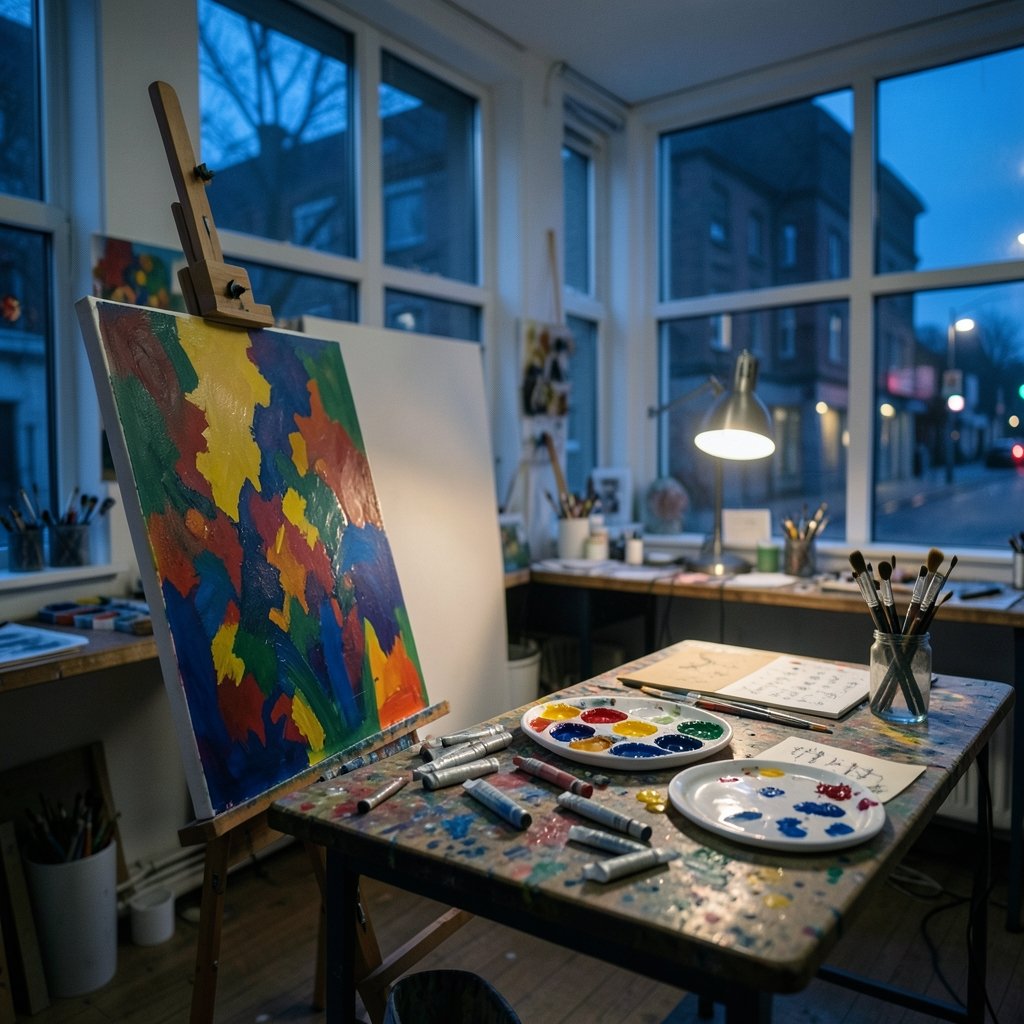
Opaque water-based color is far older than the word. Illuminators decorating European manuscripts used bodycolor, a paint mixed with white to make it dense and bright, on vellum long before anyone called it gouache. The medium’s opacity suited tiny, jewel-like detail work where thin washes would have vanished into the page.
By the 18th and 19th centuries, gouache had become a workhorse of European miniature painting and theatrical scenery design. Its matte surface and quick drying time made it practical for portable work and for large painted backdrops alike.
The 20th century gave gouache its commercial heyday. Poster designers, editorial illustrators, and animation studios relied on it because it photographs and reproduces flatly. A camera captures opaque gouache as clean, even color, which transparent watercolor rarely delivers. Artists associated with the medium include Paul Klee, and Henri Matisse used gouache in studies, though specific attributions are worth checking against a museum source before you repeat them as fact. (Gouache)
Gouache vs. Watercolor vs. Acrylic: A Practical Comparison
The fastest way to understand gouache is to compare it side by side with the paints people most often confuse it with.
| Feature | Gouache | Watercolor | Acrylic |
|---|---|---|---|
| Opacity | Opaque to semi-opaque | Transparent | Opaque or transparent |
| Binder | Gum arabic | Gum arabic | Acrylic polymer |
| Dries matte | Yes | Yes | Usually satin or glossy |
| Rewettable when dry | Usually yes | Yes | No |
| Light over dark | Easy | Very hard | Easy |
| Best for | Illustration, studies, flat color | Glazing, washes, atmosphere | Durable, layered work |
The single biggest technical difference between gouache and watercolor is opacity. With transparent watercolor, you build from light to dark because pale paint cannot cover dark paint. With gouache, you can paint a light shape over a dark one and it stays light. That one property changes how you plan a painting from the very first stroke.
Acrylic gouache is a modern hybrid worth knowing about. It swaps gum arabic for acrylic polymer, so it dries waterproof and does not lift. Manufacturers vary in how they formulate it, so test a tube before committing to a large piece.
How to Actually Use Gouache: A Step-by-Step Approach
Gouache rewards a few sensible habits and punishes improvisation. Here is a working sequence that suits most beginners.
- Start with the right water ratio. Thin gouache enough to flow, but not so much that it turns into a wash. Too much water breaks down the binder and leaves chalky, streaky patches.
- Keep two water jars. One for rinsing brushes, one for clean mixing water. Muddy color almost always traces back to a dirty rinse jar.
- Work light to dark, then dark to light. Block in big shapes first, then use opaque gouache to place light accents over darker areas.
- Mix more paint than you think you need. Gouache colors shift slightly as they dry, and matching a dried color from scratch is frustrating.
- Let layers dry fully. Wet gouache lifts when you drag a brush across it. Patience prevents smearing.
- Finish with a light fixative if the piece will be handled. Traditional gouache stays water-soluble, so a spray fixative protects it from moisture and fingerprints.
Common Mistakes Beginners Make
The most frequent error is over-thinning. People treat gouache like watercolor, load the brush with water, and end up with weak, patchy color that never reaches full opacity. If your paint looks chalky and thin, the fix is usually less water, not more paint.
The second classic mistake is overworking a wet area. Gouache dries fast and reactivates easily, so scrubbing a half-dry patch turns clean color into mud. Let it set, then adjust on top with a fresh opaque stroke.
The third is buying a cheap set and judging the medium by it. Low-quality gouache has weak pigment load and separates in the tube. A small selection of artist-grade tubes teaches you more than a big box of student paint.
Choosing Paints, Brushes, and Paper
You do not need much to start, but the few things you buy should be good ones.
Paint. Start with a limited palette: a warm and cool version of each primary, plus white and a couple of earth colors. Artist-grade tubes with high pigment concentration give cleaner mixes and better coverage.
Brushes. Synthetic brushes with a firm snap work well because gouache is heavier than watercolor. A flat, a round, and a small detail brush cover most needs. Keep one brush reserved for white.
Paper. Use heavy watercolor paper with a cold or hot press surface. Thin paper buckles when you lay down opaque layers. Hot press gives a smoother surface for fine illustration work.
Palette. A white ceramic or plastic palette with wells makes it easy to see true color. Seal leftover paint with a damp sponge in a closed box and it will stay usable for days.
For a deeper look at how pigments and binders behave, the National Gallery’s painting glossary is a genuinely useful reference on terms like bodycolor and gum arabic.
Where Gouache Shines Today
Gouache has never really left. It is a staple of editorial illustration, children’s book art, concept sketching, and urban sketching. Plein-air painters like it because it dries fast, travels light, and photographs well for sharing online.
Animation and design studios still use it for background art and color keys, where flat, controllable color is the whole point. Hobbyists are rediscovering it too, partly because it is more forgiving than oil and more opaque than watercolor.
If you want to build a practice around it, the medium pairs well with structured learning. Studios and workshops that teach traditional drawing and painting fundamentals, like the programs at OCCCY, often introduce gouache as a bridge between watercolor and heavier paints because it teaches color mixing and value control quickly.
Practical Tips That Actually Work in the Studio
A few habits separate people who enjoy gouache from people who fight it.
Test your colors on scrap paper. Gouache dries lighter or darker than it looks wet, and the shift varies by pigment. A quick swatch on the same paper you are painting on saves a lot of guessing.
Use masking tape for clean edges. The matte finish shows every ragged border. Taping off a rectangle gives illustration work a crisp, professional look.
Paint in a comfortable, flat layer. Because gouache is opaque, you can correct mistakes by painting over them. That freedom means you can be bolder than you would be with watercolor.
Store tubes cap-down. Pigment settles, and storing tubes tip-down makes remixing faster. If a tube separates, knead it thoroughly before squeezing.
Keep a scrapbook of swatches. Label each mix with the colors used. Over time this becomes your personal color library, and it is far more useful than any printed chart.
Frequently Asked Questions
Is gouache the same as watercolor?
No. Both use gum arabic as a binder, but gouache contains added white pigment or extender that makes it opaque. Watercolor is transparent, so you build from light to dark. Gouache lets you paint light colors over dark ones, which makes it easier for flat illustration and design work.
Does gouache dry waterproof?
Traditional gouache does not. It stays rewettable, so moisture can lift the paint even after it dries. Acrylic gouache is the exception: it uses an acrylic binder and dries waterproof. If you need a permanent finish with traditional gouache, apply a spray fixative once the painting is fully dry. (Gouache)
Can you use gouache like acrylic paint?
Only partly. Both are opaque and can be layered, but gouache reactivates with water and acrylic does not. You cannot thin gouache with heavy mediums or expect it to bond to canvas the way acrylic does. Treat them as different tools for different jobs.
Why does my gouache look chalky?
Chalkiness usually comes from too much water or too much white in the mix. Over-thinning breaks the binder and leaves a weak film. Try using less water, loading the brush with more paint, and mixing whites carefully rather than adding white to every color.
What paper is best for gouache?
Heavy watercolor paper, around 140 lb or heavier, is the standard choice. It handles the moisture in opaque layers without buckling. Cold press gives texture, while hot press offers a smooth surface for detailed illustration. Avoid thin sketch paper, which warps quickly.
Is gouache good for beginners?
Yes, and often better than watercolor for people who think in shapes and solid color. Its opacity lets you correct mistakes by painting over them, which builds confidence fast. Start with a small palette of artist-grade paint, a couple of synthetic brushes, and good paper.
Conclusion
Gouache is one of those mediums that seems simple until you try it, and then seems simple again once a few habits click. It is opaque where watercolor is transparent, matte where acrylic is glossy, and rewettable where both are permanent. That combination made it indispensable to manuscript illuminators, poster designers, and animation artists across five centuries, and it is why illustrators still reach for it today.
The practical path is straightforward. Buy a few good tubes, use less water than you think you need, keep your rinse jar clean, and let layers dry before you touch them. Paint a small study first, swatch your colors, and accept that the first few pieces are practice. Gouache rewards patience with clean, confident color, and once you have painted a light shape over a dark one and watched it hold, you will understand why so many artists keep a set within arm’s reach.
A note on brands and grades. Artist-grade gouache from established makers tends to behave consistently from tube to tube, which matters when you are learning to predict how a color will dry. Student-grade sets are fine for sketching, but their weaker pigment load makes opacity harder to judge. Buy one or two quality tubes at a time rather than a large economy set, and add colors as your palette reveals gaps.
With those habits in place, gouache stops feeling unpredictable and starts feeling like a dependable, forgiving companion—one that lets you think in solid shapes and correct as you go.



