
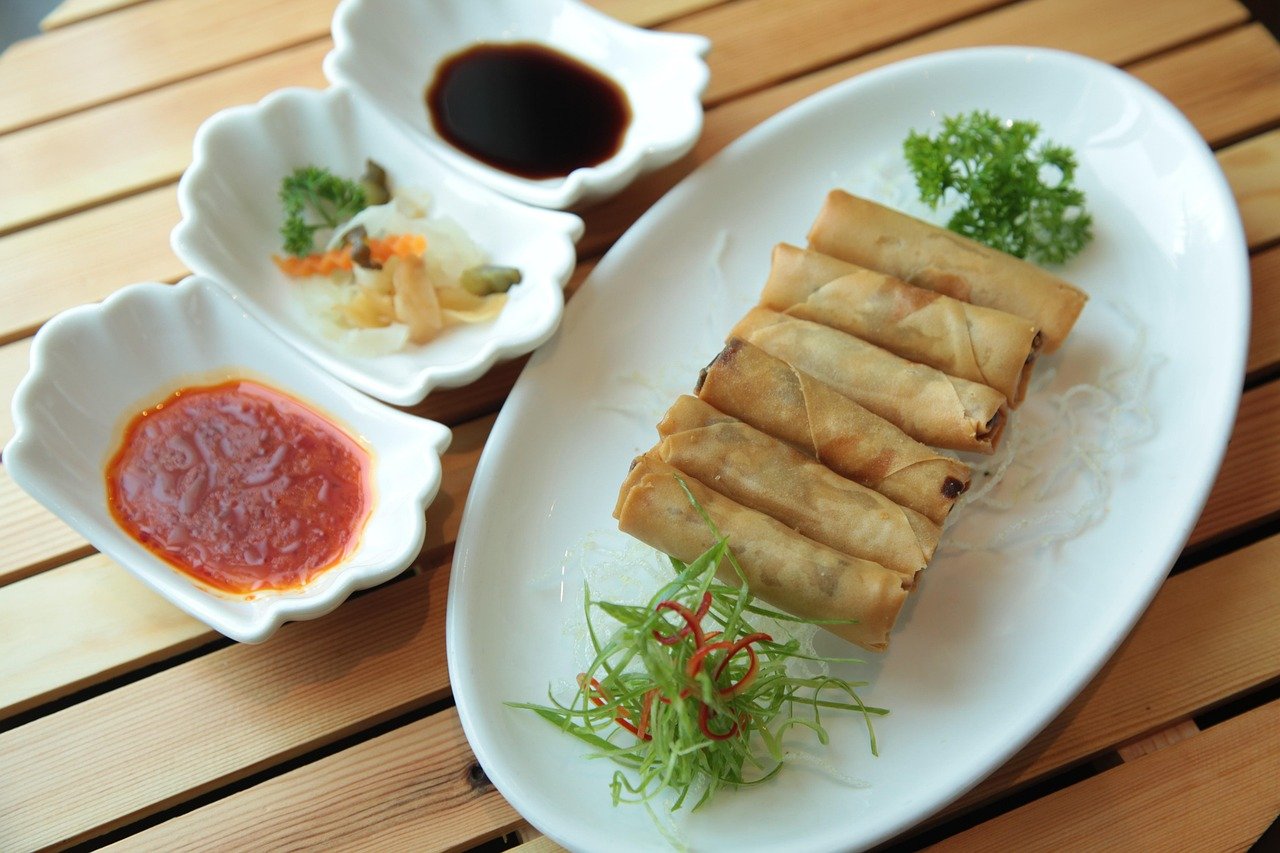
Why does a plate of kung pao chicken in Ohio taste nothing like a plate of it in Chengdu? The answer says a lot about how food travels, adapts, and sometimes reinvents itself entirely. “Chinese food” is one of the most searched food phrases in the world, yet it covers two very different things: the regional cooking of China itself, and the restaurant food that Chinese communities built abroad. Understanding both makes every menu easier to read and every meal more interesting.
Two Meanings, One Phrase
When someone searches for Chinese food, they might want a neighborhood takeout spot or a scholarly overview of regional cooking. Those are not the same subject, and mixing them up causes most of the confusion around the topic.
Inside China, cooking is intensely regional. Outside it, Chinese restaurant food is a story of migration, adaptation, and local taste. A dish like General Tso’s chicken belongs firmly to the second category. It is an American invention, not a Chinese classic, and it was created in the 20th century, most commonly credited to chef Peng Chang-kuei in Taiwan in the 1950s before being popularized in New York. Chop suey’s origins are even murkier, with competing accounts pointing to Chinese-American cooks in the 19th century or to visiting Chinese officials. No single origin is established. (Chinese cuisine)
That does not make adapted dishes less real. It just means they belong to a different tradition, one that grew up alongside Chinese restaurants in the United States from the mid-19th century onward, tied to migration during the California Gold Rush from 1848.
The Eight Great Cuisines, Explained
Chinese culinary tradition is commonly organized into eight regional schools: Shandong, Sichuan, Guangdong (Cantonese), Jiangsu, Zhejiang, Fujian, Hunan, and Anhui. The “eight” framing is a modern convention, not an ancient canon. Earlier lists varied, and the tidy number is more useful as a map than as a rule.
| Cuisine | Region | Flavor profile | Signature style |
|---|---|---|---|
| Shandong | Northern coast | Savory, mild, salty | Braises, soups, wheat staples |
| Sichuan | Southwest | Numbing-spicy (málà) | Peppercorn and chili, stir-fries |
| Cantonese | South coast | Fresh, delicate, lightly seasoned | Steaming, dim sum, roast meats |
| Jiangsu | Lower Yangtze | Sweet-savory, refined | Braised dishes, river fish |
| Zhejiang | Eastern coast | Fresh, tender, mellow | Light sauces, seafood |
| Fujian | Southeast coast | Umami-rich, soupy | Broths, fermented flavors |
| Hunan | South-central | Hot and dry-spicy | Chilies, smoked meats |
| Anhui | Inland east | Rustic, wild ingredients | Braises, mountain produce |
The most famous example is Sichuan cuisine, known for málà, the numbing-spicy sensation produced by Sichuan peppercorn combined with chili. Here is a detail that surprises many diners: chili peppers are not native to China. They arrived after the Columbian exchange, roughly in the 16th to 17th century, meaning today’s fiery Sichuan cooking is built on an imported ingredient. The exact route and date of that arrival remain uncertain.
North Versus South: The Staple Split
One of the clearest ways to understand Chinese food is through staples. Wheat-based foods such as noodles, steamed buns, and dumplings dominate northern China, while rice dominates the south. This north-south split is a standard framing in food-history writing and explains a lot about what shows up on a menu.
Practical tip: if a restaurant’s menu leans heavily on hand-pulled noodles, dumplings, and flatbreads, it is likely drawing on northern traditions. If it leans on rice, steamed dishes, and seafood, it is probably rooted in the south.
Techniques That Define the Cooking
Stir-Frying
Stir-frying (炒, chǎo) is a defining Chinese technique, and its rise is often linked to fuel-efficient woks. Some accounts also tie its spread to the availability of cheap cooking oil during the Song dynasty (960–1279). That oil explanation is a scholarly hypothesis rather than a settled fact, so treat it as one plausible piece of a bigger puzzle.
In practice, stir-frying rewards preparation over speed. Ingredients are chopped before the heat goes on, the wok is heated until it smokes slightly, and the cooking itself takes minutes. The common mistake home cooks make is overcrowding the pan, which drops the temperature and steams the food instead of searing it.
Soy Sauce
Soy sauce (酱油, jiàngyóu) developed from fermented soybean pastes. Early fermented soy condiments appear in Han-era texts, roughly the 2nd century BCE to the 2nd century CE, with the liquid condiment form emerging later. The precise moment soy sauce became distinct from paste is uncertain, but the direction of travel is clear: from preserved paste to the bottled seasoning that now sits in kitchens worldwide.
Tea and Chopsticks
Chopsticks (筷子, kuàizi) have been used in China for roughly three millennia, with archaeological evidence dating to about the Shang dynasty (c. 1600–1046 BCE), though the earliest exact date is debated. They later spread to Korea, Japan, and Vietnam.
Tea drinking also originated in China. Legend credits its discovery to Shen Nong, but that is myth rather than history. The earliest reliable textual references are Han-era, spanning roughly the 2nd century BCE to the 2nd century CE.
Dim Sum and the Teahouse Tradition
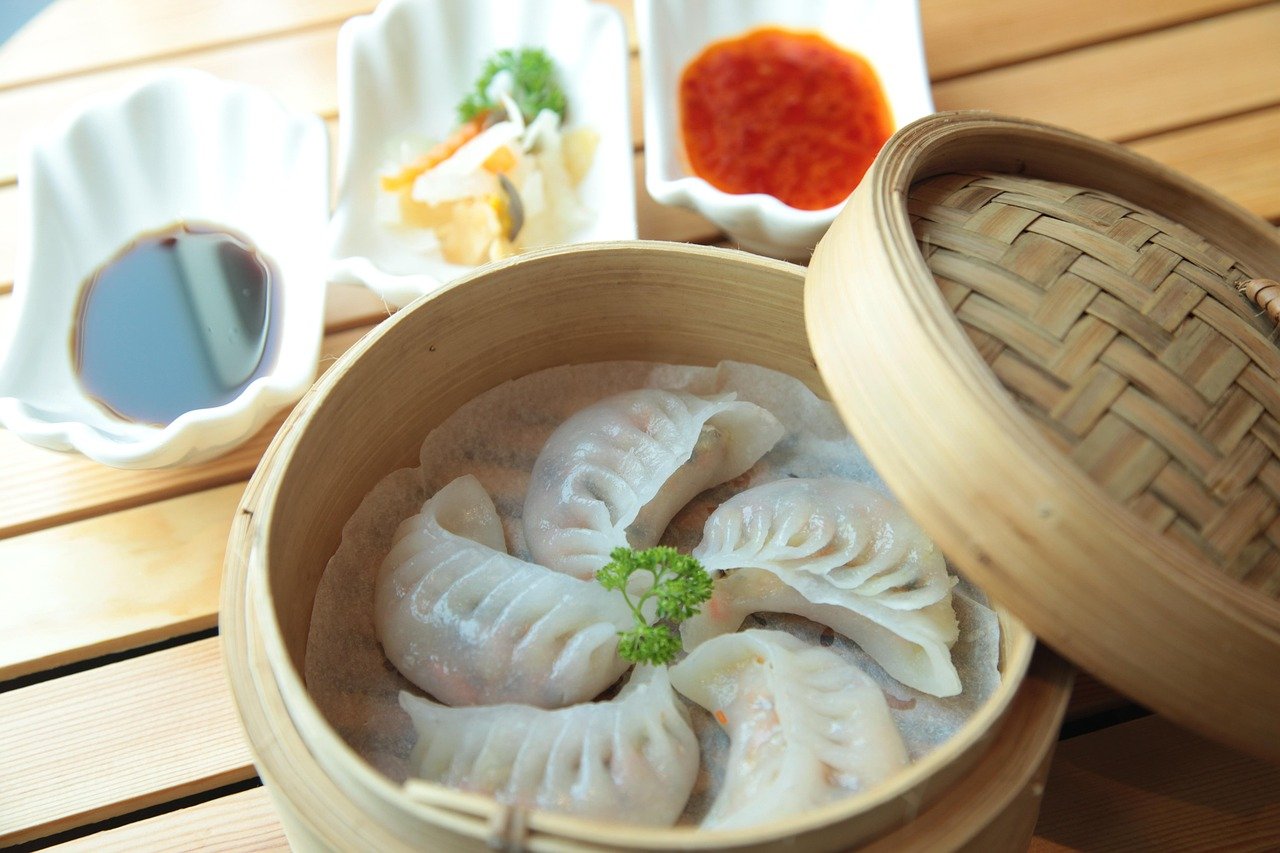
Dim sum (点心) is a Cantonese tradition of small dishes, historically tied to teahouses and the practice of yum cha, or drinking tea with food. It developed over centuries, with the modern form often dated to the 19th and 20th centuries in Guangdong and Hong Kong.
For anyone new to dim sum, the practical approach is simple: order a few dishes at a time, share everything, and pace yourself. The classic mistake is ordering too much at once and letting the table go cold. Steamed items should be eaten first, fried items second, and sweets last.
Why MSG Still Gets a Bad Reputation
Few food topics carry more baggage than MSG. The term Chinese Restaurant Syndrome was coined in a 1968 letter to the New England Journal of Medicine, and it shaped public perception for decades. Later controlled studies did not establish MSG as a cause of the reported symptoms in the general population.
That said, honesty matters here. Some people report sensitivity to MSG, and the science is not fully settled for every individual. The fair summary is neither “MSG is harmless for everyone” nor “MSG causes symptoms.” It is a flavor compound that most people tolerate and a minority report reacting to.
How to Order Well at a Chinese Restaurant
A few habits separate a great meal from a forgettable one.
- Balance textures and heat. Pair one spicy dish with one mild, one crisp with one soft.
- Order family style. Chinese meals are built around sharing, so two or three dishes per two people works well.
- Ask what is regional. A menu that spans Sichuan, Cantonese, and northern dishes is often strongest in one of them.
- Skip the temptation to order only fried food. Steamed and braised dishes often show a kitchen’s real skill.
- Watch the rice-to-dish ratio. In southern traditions, rice is the base; in northern ones, noodles or buns may play that role.
If you are planning a meal out and weighing options, this guide to finding best thai food near me shows how to judge a restaurant by its regional focus rather than its generic menu, a habit that transfers directly to Chinese spots. For anyone packing a lunch instead of eating out, these picks for best lunch boxes for adults that actually keep food cold and leak-free are worth a look, especially if you are bringing leftovers like fried rice or braised dishes to work.
Cooking Chinese Food at Home Without the Guesswork
Home cooking does not require a restaurant-grade wok or a pantry of twenty sauces. It requires a few reliable habits.
Start with heat management. A wok or a wide skillet needs to be hot before food goes in, and batches should stay small. Second, prep everything before cooking, because stir-frying moves fast. Third, taste as you season. Soy sauce, vinegar, and chili oil build flavor in layers, and a dish that tastes flat usually needs acid or salt rather than more oil. (Salt reduction)
Clean equipment matters more than people expect. A grill or pan with burnt residue transfers bitter flavors to food, and the same logic applies to a wok. This practical 20-minute grill cleaning method that protects your food is a useful reminder that good cooking starts with clean surfaces.
For home cooks who want one appliance to handle sauces, pastes, and chopping, a blender and food processor combo can handle ginger-garlic paste, chili oil bases, and dumpling fillings without a drawer full of gadgets. And if you are feeding a household with a new pet underfoot, these notes on best kitten food are a separate but useful reference, because kitchen routines change when a young animal joins the family.
Chinese Food and Budget
Eating Chinese food can be one of the most affordable ways to eat well, partly because the cooking tradition is built around stretching a small amount of protein across vegetables and rice. That is not a compromise; it is a design feature. Weeknight deals make it even easier, and this roundup of Wednesday food deals is handy if you plan meals around discounts. If your tastes run toward other regional cuisines on the same budget, this guide to best mexican food in near me covers similar ground.
Common Mistakes People Make
The biggest mistake is treating Chinese food as a single cuisine. A Cantonese steamed fish and a Hunan dry-fried chili dish share a country, not a flavor profile. The second mistake is assuming restaurant dishes are traditional. General Tso’s chicken and chop suey are adaptations with contested or clearly modern origins. The third is dismissing adapted food as inauthentic. Food history shows that cuisines adapt wherever they travel, and that adaptation is normal rather than a failure.
A fourth mistake is underseasoning at home out of caution. Chinese cooking layers salt, acid, and heat deliberately. Under-seasoned stir-fries taste watery, not subtle.
Conclusion
Chinese food is really two stories running in parallel: a deep regional tradition organized around eight great cuisines, wheat in the north and rice in the south, and centuries of technique built on the wok, the fermenting jar, and the teahouse; and a second story of migration, where Chinese communities abroad created dishes like chop suey and General Tso’s chicken that belong to their own history. Knowing which story you are eating makes the meal better. It also makes you a sharper reader of menus, whether you are ordering takeout on a Wednesday or trying your first homemade stir-fry.
FAQ
What are the eight great cuisines of Chinese food?
They are Shandong, Sichuan, Guangdong (Cantonese), Jiangsu, Zhejiang, Fujian, Hunan, and Anhui. The “eight” grouping is a modern convention rather than an ancient canon, and earlier lists varied. It remains a useful map for understanding regional differences in flavor and technique.
Is General Tso’s chicken actually Chinese?
No. It was created in the 20th century, most commonly credited to chef Peng Chang-kuei in Taiwan in the 1950s, and later popularized in New York. It belongs to American Chinese cuisine, a tradition shaped by migration and local taste rather than by cooking inside China.
Is MSG bad for you?
The evidence is mixed but leans toward safety for most people. The term Chinese Restaurant Syndrome was coined in a 1968 letter to a medical journal, and later controlled studies did not establish MSG as a cause of the reported symptoms in the general population. Some people do report sensitivity, so the science is not fully settled for every individual.
Why is Sichuan food so spicy if chili peppers are not from China?
Chili peppers arrived in China after the Columbian exchange, roughly in the 16th to 17th century, so today’s fiery Sichuan cooking is built on an imported ingredient. The signature málà sensation comes from Sichuan peppercorn combined with chili, and the exact route and date of the chili’s arrival remain uncertain.
Do Chinese people eat rice or noodles?
Both, depending on region. Wheat-based staples such as noodles, steamed buns, and dumplings dominate northern China, while rice dominates the south. This north-south split is a long-standing framing in food-history writing and explains much of what appears on regional menus.
How long have chopsticks been used in China?
Roughly three millennia. Archaeological evidence dates their use to about the Shang dynasty (c. 1600–1046 BCE), though the earliest exact date is debated. Chopsticks later spread to Korea, Japan, and Vietnam, where they took on distinct shapes and materials.



