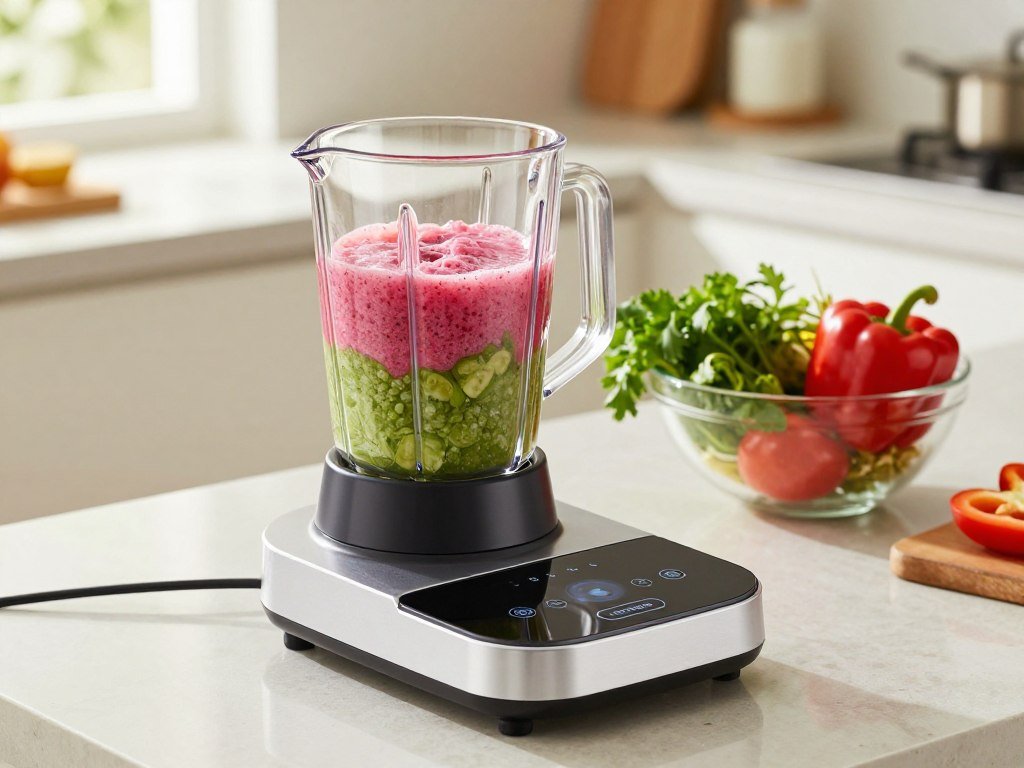
A single countertop base can handle both pourable smoothies and chopped ingredients, but the right setup depends on what you cook most. A blender food processor combo can help home cooks save kitchen space by running blending and processing attachments from one motor base.
Choosing well means matching the containers and tools to your usual meals, not just picking the highest motor rating. A pulse is a brief burst of motor power that gives you more control over chopping texture than continuous processing. That can help when you want salsa with distinct pieces instead of a smooth sauce.
Think about the recipes you make, the amount of food you prepare, and where the parts will live. Some systems include single-serve cups, while others focus on a large pitcher or processor bowl. The best fit should make regular prep easier without crowding your counter or cabinet.
Treat the container sizes and included attachments as part of the decision, not just the motor rating. A strong motor cannot make a small bowl hold a family-size batch, and unused accessories still need a place to go.
Key Takeaways
- The Ninja Professional Plus is the clearest starting point for most households.
- The Nutribullet Ultra Plus suits compact counters and smaller accessory sets.
- The Magimix 14-Cup Food Processor puts processor work first, with a smoothie blade.
- Compare blending and food processing as separate jobs.
- Choose attachments you expect to use and can store.
Best Blender Food Processor Combo Picks for Most Kitchens
For most households, the Ninja Professional Plus is the clearest all-around starting point because its pitcher, travel cups, and processor bowl cover both batch and single-serve prep. That mix makes it a practical blender food processor for cooks who switch between smoothies and chopped ingredients.
Match the system to the job and the space it takes up. The five options below suit different kitchen routines, from compact setups to processor-heavy prep. Their motor details and vessel sizes show why wattage alone does not define the best fit.
| Model | Motor or warranty detail | Container capacity | Best-fit use |
|---|---|---|---|
| Ninja Professional Plus Kitchen System with Auto-IQ | 1400W motor | 64 oz. pitcher, 8-cup processor bowl, 24 oz. travel cups | Most households and mixed batch sizes |
| NutriBullet Triple Prep System | 1500-power motor | 7-cup processor, 24 oz., 32 oz., and 64 oz. vessels | Several prep tasks with a sleek interface |
| Nutribullet Ultra Plus Kitchen System | Compact, lightweight motor base | Compact accessories | Small kitchens and limited storage |
| Magimix 14-Cup Food Processor | 30-year warranty | 14-cup processor bowl | Processor-first cooking and durability |
| Ninja Foodi Power Blender Ultimate System | 11 manual programs and 7 automatic programs | 72 oz. container, 18 oz. and 24 oz. portable cups | Premium setup with multiple attachments |
The Professional Plus keeps its 64 oz. pitcher distinct from the Foodi system’s 72 oz. container. That difference matters when you make drinks for several people or store a large batch. Its processor bowl and travel cups also cover smaller prep without relying on one vessel.
The Triple Prep System recognizes vessels automatically and offers programs for blending, emulsifying, shredding, slicing, and chopping. The Ultra Plus takes a different approach, using a compact, lightweight motor base and compact accessories for tight counters.
The Magimix suits cooks who mainly process food but still want a blender function. Its blender blade can make smoothies. For a wider range of add-ons, the Ninja Foodi’s dough blade and reversible slicing/shredding disc join a grating disc.
Check the physical footprint and attachment storage before choosing any large-capacity system.
What Other Combo Systems Fit Specific Cooking Needs?
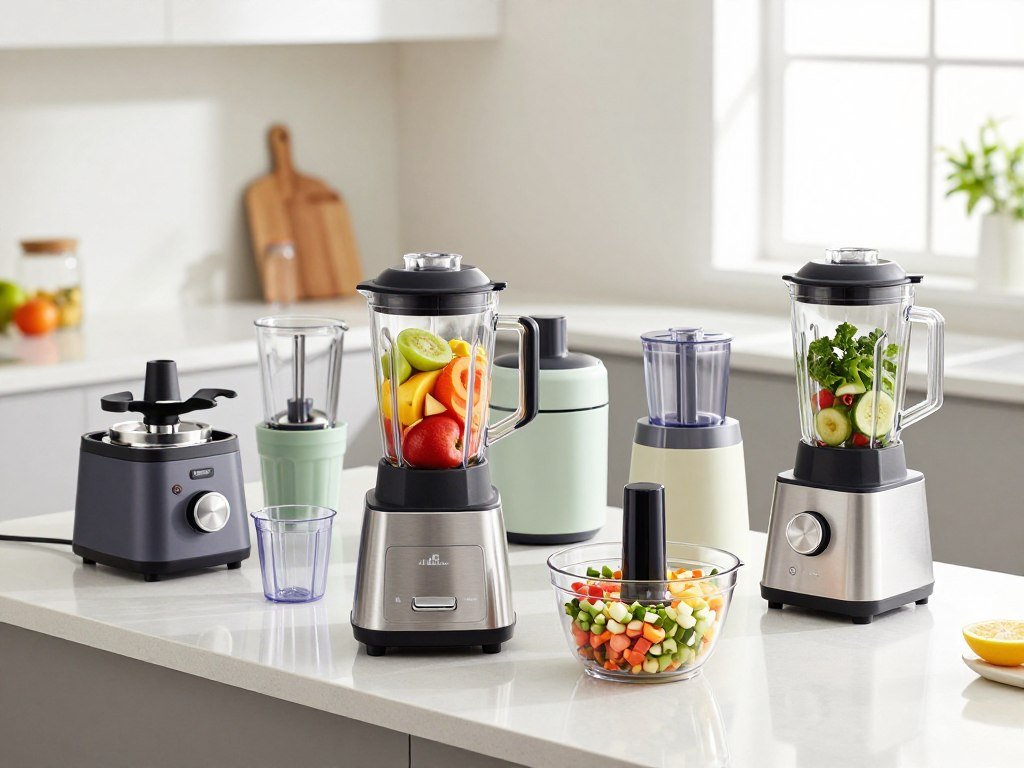
A stick blender can save the space taken by a full motor base, while a processor-first machine can make more sense for cooks whose main job is chopping and dough. Those formats cover different kitchen needs, so compare their drive style and parts alongside their blending function.
A combo can be a real space-saver, but some processor-only machines are not blender-food-processor combos. The table compares five systems with different drive formats and results.
| Model | Motor or drive format | Stated capacity | Distinctive function or tested result |
|---|---|---|---|
| Braun MultiQuick 9 | Stick blender drive, three speeds | 8-cup processor attachment | Whisk, dough hook, mini chopper, potato masher |
| Cuisinart Duet | 700-watt motor | 48 oz. glass jar, 3-cup processor attachment | Fine parsley mince and powdered Parmesan |
| Vitamix A3500 | Motor base | 64 oz. blender jar, 12-cup processor bowl | Smooth kale smoothies; coarser parsley chop |
| Hamilton Beach Blender and Food Processor Combo 58163 | 700W motor | 40 oz. glass jar, 20 oz. travel jar, 3-cup chopper | Blending and chopping attachments |
| Ninja Kitchen System TB401 | 1800-peak-watt motor | 72 oz. pitcher, 8-cup processor bowl, 24 oz. cup | 10 speed settings |
The Braun MultiQuick 9 powers its processor with a stick blender and has three control speeds. Its whisk, dough hook, mini chopper, and potato masher add options beyond blending and chopping.
The Cuisinart Duet made a fine parsley mince and powdered Parmesan. It shredded mozzarella evenly, but hard carrots less evenly, and took longer than other tested blenders for smoothies, milkshakes, and margaritas. The Cuisinart Duet’s task-specific results show why one function does not predict every other result.
The Vitamix A3500 made smooth kale smoothies and grated Parmesan well, while its parsley chop came out coarser than fine. Its 64 oz. jar and 12-cup processor bowl suit larger batches. The Ninja Master Prep Pro instead includes a 48 oz. blender cup, a 40 oz. chopping cup, and a small chopping cup.
The Hamilton Beach Power Elite has a 700-watt motor, a 40 oz. glass jar, and a 3-cup chopper. The Ninja Detect 3-in-1 has a 1200W motor and a 1.8-liter processor bowl. It chopped onion evenly on medium-chop and mince settings, and BlendSense formed pizza dough into a tight ball.
The Kenwood MultiPro Go is a dedicated food processor, not a blender combo. It has a 1.3-liter capacity, one speed, and pulse. The Ninja Professional Plus Food Processor BN601 is also processor-only, with a 1000-peak-watt motor, a 9-cup bowl, and four Auto-iQ programs.
The Ninja Kitchen System Pro BL770 is a combo with a 1500W motor, a 72 oz. pitcher, an 8-cup processor bowl, two 16 oz. cups, and Blend, Mix, Crush, and Single-Serve functions. The Pro+ BR601AMZ has a 1200W motor, a 72 oz. pitcher, an 8-cup bowl, an 18 oz. cup, and five presets.
The Ninja BN801 pairs 1400 peak watts with a 72 oz. pitcher, an 8-cup bowl, two 24 oz. cups, and five Auto-iQ programs. The SS401 has 1600 peak watts, a smoothie bowl maker, a nutrient extraction cup, and seven Auto-iQ programs.
The Magimix food processor is a processor-first professional option for cooks seeking the best professional food processor for chopping and dough. Its 14-cup bowl and 30-year warranty suit that role, while its smoothie blade adds a blending function. If you mainly need a processor, compare its bowl capacity and attachments before giving equal weight to its blender function.
How Are Blender and Food Processor Combos Tested?
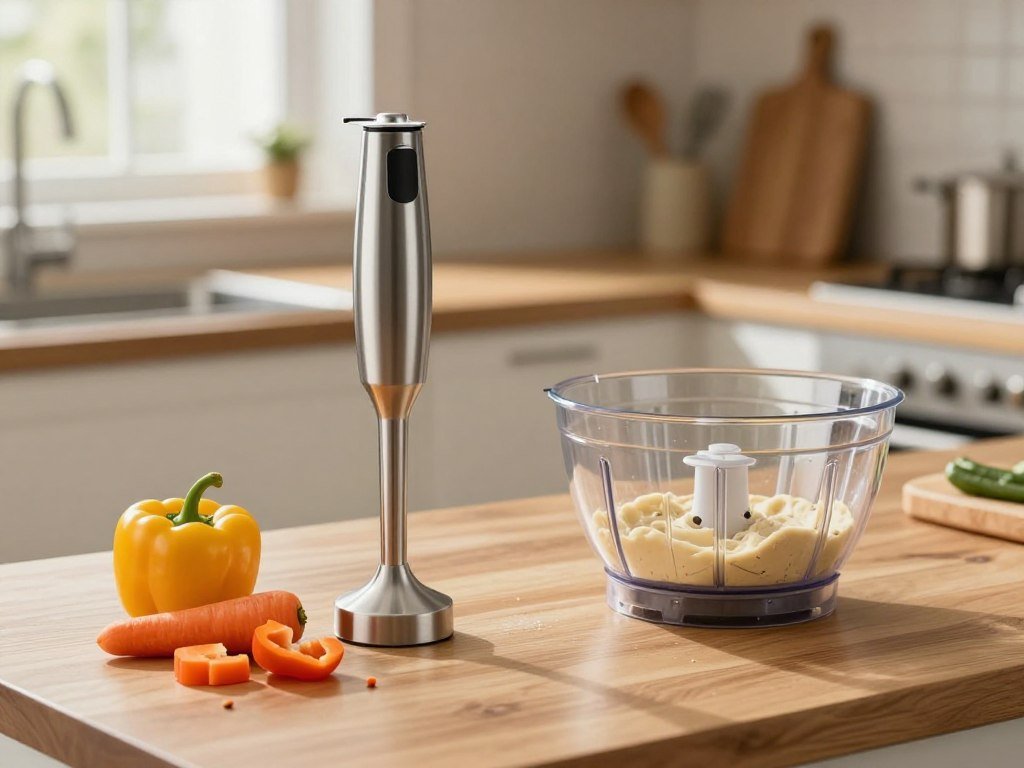
A useful comparison checks blending and processing as separate jobs rather than treating a combo as one all-purpose performance score. Separate results help you judge the recipes you make, since a good smoothie does not prove that a machine can chop onions well.
Blending and food processing need different tests. Consumer Reports evaluates blenders with puréeing, smoothies, and ice crushing, while processor tests check chopping, grating, and puréeing.
- Blending: puréeing, smoothies, and ice crushing.
- Food processing: almond and onion chopping, Parmesan grating, and pea and carrot puréeing.
The Consumer Reports combo test summary also describes icy drinks, ice crushing, chopping, grating, and shredding. These tasks offer useful points of comparison, but no single test predicts every recipe you will make at home.
A strong smoothie result does not establish that a combo will chop onions or grate cheese well. The reverse is true, too: fine chopping does not promise smooth drinks. Ingredients vary, and a task that works well in one batch may behave differently in another.
Look for the task that most resembles your usual cooking. A test with ice crushing may matter most for frozen drinks, while onion chopping may be more useful for weeknight meal prep.
Match the test closest to your regular recipe, such as ice crushing for frozen drinks or onion chopping for meal prep.
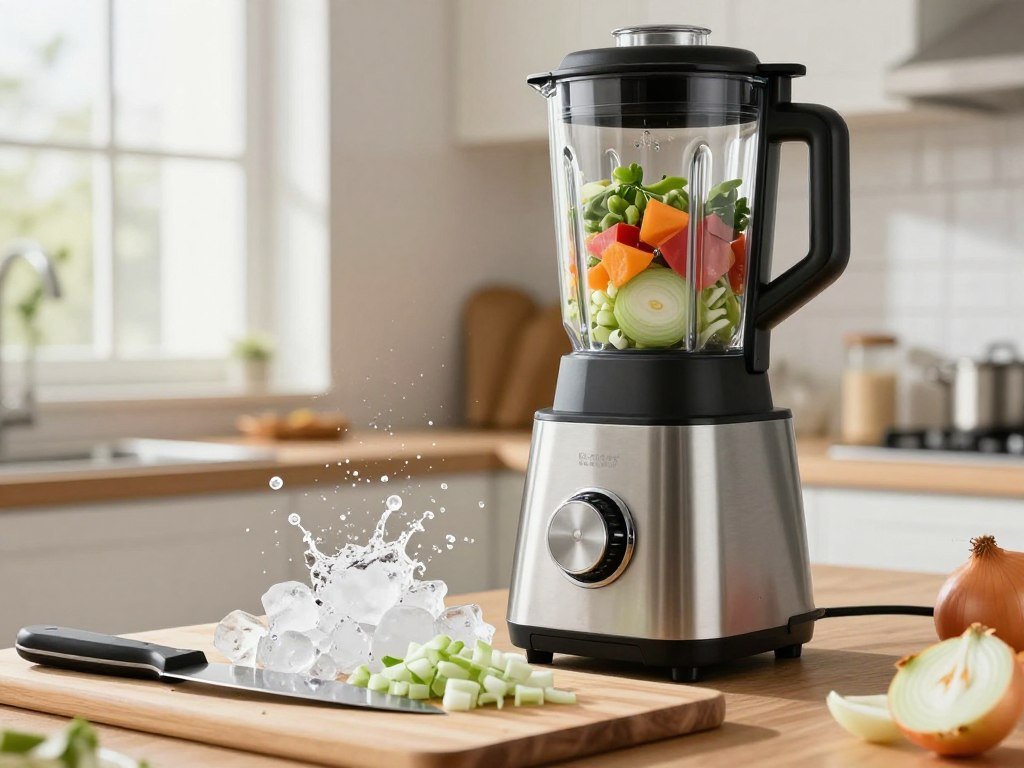
What Size and Attachments Match Your Cooking?
Start with the largest batch you regularly make, then check that the smallest container also suits everyday portions. Small vessels can save time when you make one drink or chop a little garlic, while larger ones handle family meals.
Choose capacity for your real batch size, not an occasional feast. The Nutribullet Ultra Plus + Compact Kitchen System shows how a compact setup can include more than one blending size.
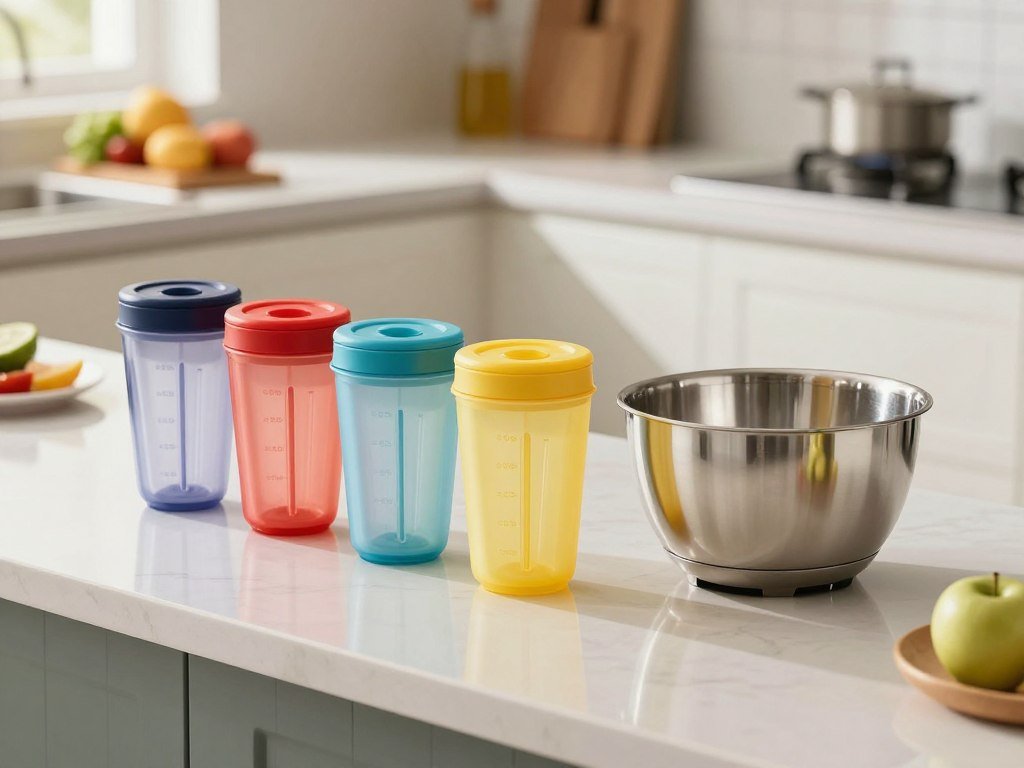
Match container capacity to batch size
That system has a 32 oz. blending cup, a 4 oz. blending cup, and a 2-cup processor bowl. The 4 oz. cup can suit a small amount, while the 32 oz. cup allows a larger drink. A 2-cup bowl is better for light prep than large meal-prep batches.
For family batches, check that the pitcher and processor bowl can hold the amount you usually make. If a container is too small, you may need to work in several rounds. Large containers can take up more cabinet space, even when the motor base stays compact.
Choose attachments for the jobs you repeat
A slicing or shredding disc helps when you often prep vegetables or cheese. A dough blade matters if you make dough regularly, while a chopping bowl earns its place for salsa, nuts, or small portions.
Portable cups are useful when you blend a single drink and take it along. This system lists blending, chopping, slicing, shredding, and grinding, but a long function list does not mean every attachment will suit your routine.
Count the attachments you will use weekly and confirm that you have a place to store each one.
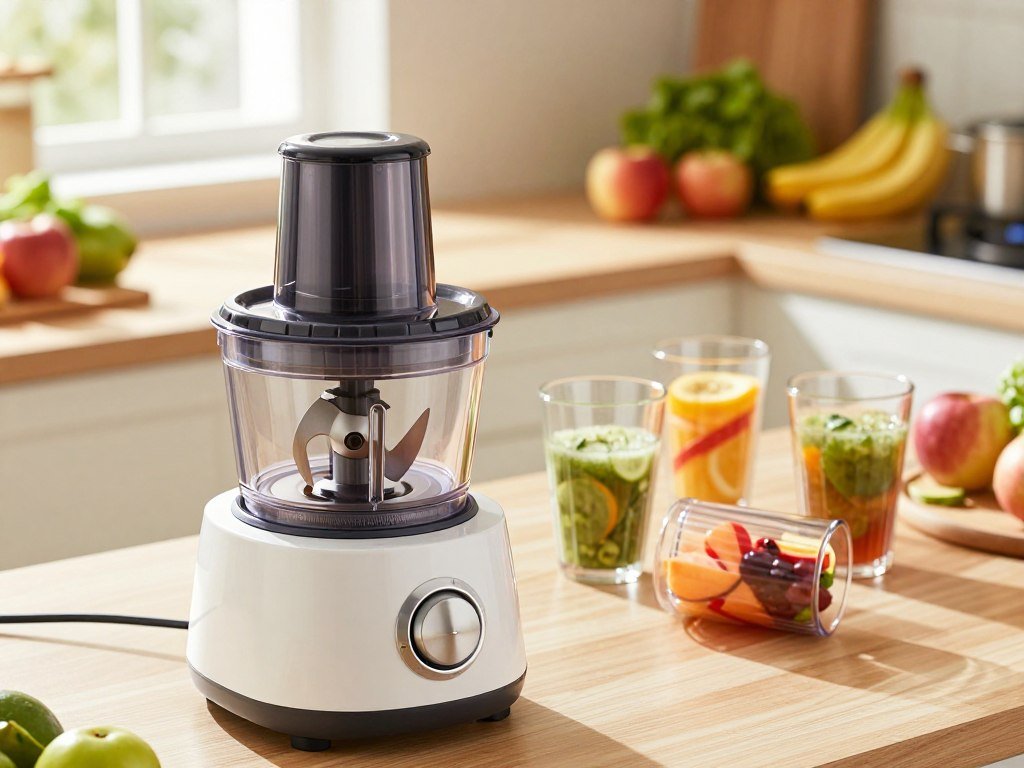
What Performance Trade-Offs Show Up in Real Use?
Strong performance in one batch size or recipe does not guarantee equally good results in every other task. Specific results can help you weigh likely trade-offs, but they should not be treated as a promise for every ingredient.
Judge each blender and processor by the job you plan to repeat. A smoothie can reveal blending limits, while chopped vegetables and grated cheese show different parts of food processing.
Blending results and limitations
The Ninja Professional Plus left some seeds in a berry smoothie. That result matters if you expect a seed-free drink, but it does not establish how every fruit blend will turn out.
Smoothies and margaritas from the Ninja Foodi Power Blender Ultimate System received average scores. Its peanut butter performed better than in other Ninja blenders tested. Those outcomes point to different strengths across recipes, not a single overall verdict.
Chopping and processing results
The Ninja Professional Plus chopped zucchini, celery, and carrots evenly and grated cheese. Its Auto-IQ programs use timed cycles with different strengths and intermediate pulsing, which changes how the machine handles food processing.
The system was noisy during food processing, a trade-off that may matter in an open kitchen. The NutriBullet Triple Prep handled large food-processing quantities but did not thoroughly chop one small onion.
That contrast shows why batch size can affect the result. A model that handles a large quantity may still struggle with a single small ingredient, so consider the amount you usually prepare.
Consider whether a model’s particular limitation affects a task you expect to repeat.
Should You Choose a Combo, a Juicer, or a Dedicated Machine?
A combo makes the most sense when you regularly use both functions and want one motor base rather than two appliances. That shared base can save counter space and may cost less than separate machines, but blending and food processing may not perform equally well.
Choose based on the task that matters most in your kitchen. A combo does not automatically replace a juicer or a specialist appliance.
- Choose a combo if you regularly blend and process food, and want both functions from one motor base.
- Choose a dedicated juicer if your main goal is juice extraction.
- Choose a separate specialist appliance when one function dominates your cooking.
A 3-in-1 blender, food processor, and juicer needs an actual juicing attachment. A blender pitcher and processor bowl do not extract juice just because they share a base.
No single model is literally the best blender for everything. A combo may save space, but its results can differ between blending and processing tasks. A dedicated machine can make more sense if you use one function far more often than the other.
Check the exact attachments included before treating a combo as a juicer replacement.
What Should You Check Before Choosing a Model?
Before choosing, compare the jobs you repeat with the parts and storage space the appliance actually requires. Routine fit matters more than a long feature list, and motor power alone does not prove better results.
Check these four points before settling on a model:
- The recipes and batch sizes you make most.
- The attachments you expect to use.
- Counter and cabinet space for the base and accessories.
- Whether cleanup and controls fit your routine.
Favor the model that fits your routine over one whose extra features would stay in the cabinet.
Conclusion
For most households, the Ninja Professional Plus is the strongest place to start, while smaller kitchens and processor-first routines point to different picks. The right match depends on the prep you do most and the room you have to keep the parts.
The Nutribullet Ultra Plus suits compact setups, while the Magimix fits processor-first cooking. These options serve different routines, so focus on the one that makes your regular recipes easier.
Measure your counter and storage space, then compare the remaining candidates’ container sizes and attachments against your most common recipes. Measure the space available and shortlist the model whose containers and attachments fit the meals you actually make.
FAQ
How much power does a blender food processor combo need?
Wattage alone cannot tell you how well a combo will handle your food. Compare results on the specific tasks you plan to do, such as crushing ice, chopping onions, or mixing dough. Motor design, blade shape, and batch size also affect performance. A higher wattage number should not outweigh a model’s fit for your regular recipes.
Can a blender food processor combo make dough?
Yes, a combo can make dough if it includes a dough blade or dough program. The Ninja Professional Plus has a dough program, and the Ninja Foodi Power Blender Ultimate System includes a dough blade. Check which part the model uses, since a standard blender blade may not be meant for mixing dough.
Can a blender food processor combo replace a juicer?
Only a combo with a juicing attachment can replace a juicer for juice extraction. A blender turns ingredients into drinks, while a processor chops or mixes them. Neither task automatically separates juice from pulp. Check the included parts and stated functions before relying on a combo for fresh juice.
Can a food processor make smoothies?
Some processor-first machines can make smoothies when they include a blender blade or a suitable blending vessel. The Magimix 14-Cup Food Processor has a blender blade for smoothies. A standard processor bowl and chopping blade are not the same as a blending setup, so check the model’s parts before adding drinks to its intended tasks.
What size blender food processor combo is best for a small kitchen?
A compact motor base with smaller vessels can suit a small kitchen, and the Nutribullet Ultra Plus is the compact pick. Small accessories can still take cabinet space, especially when the system includes several blades and cups. Check where every part will go, not just the base’s counter footprint.
Is a blender food processor combo worth it if I already own a blender?
It can be useful if you regularly need food processing and want to avoid buying or storing another motor base. A combo adds chopping or slicing tools to your kitchen, but its blending results may differ from your current blender. Consider whether the processor attachment fills a real gap in your cooking routine.
Which is better for salsa, a blender or a food processor?
A food processor usually gives you more control over chunky salsa, while a blender suits a smoother, pourable texture. Use pulse in short bursts to check the pieces as they break down. A blender can still make salsa, but continuous blending may turn the ingredients into a thinner sauce faster.