
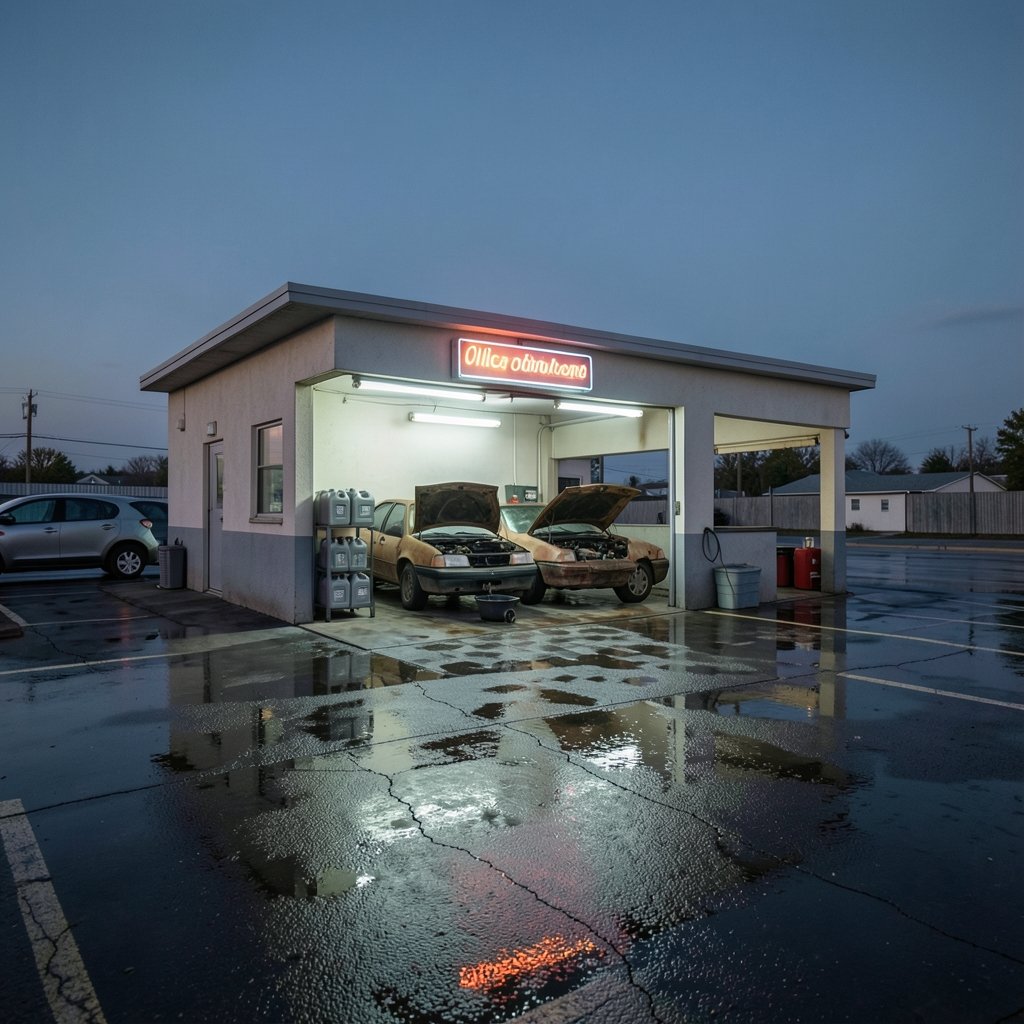
What happens when the oil light flicks on during a busy week and the dealership can’t see you until next Tuesday? Most drivers type “jiffy lube near me” into their phone and hope for the best. That search can land you in a clean, fast service bay within twenty minutes, or it can send you to a shop that’s closed, backed up, or pushing services your car doesn’t need. The difference usually comes down to knowing how the search works, what the brand actually is, and what to check before you hand over your keys.
What Jiffy Lube Actually Is
Jiffy Lube is a chain of quick-service preventive maintenance shops. It was founded in 1979 in Ogden, Utah, and has been a subsidiary of Shell since 2002. The brand built its reputation on the drive-through oil change: you pull in, stay in the car or wait in a small lobby, and roll out in under half an hour. Over the decades the menu has expanded well beyond oil to include fluid top-offs, filter swaps, tire rotation, wiper blades, and a long list of “recommended” services.
The most important structural fact for anyone searching for a location is this: most Jiffy Lube shops are franchised rather than company-owned. That means hours, pricing, staffing, wait times, and even how aggressively a shop upsells can differ dramatically from one town to the next. A shop twenty minutes down the highway may be a well-run operation with honest recommendations, while another in the same metro area might be the one your neighbor warns you about. The brand name tells you what kind of service to expect, not what the specific experience will be like.
How “Near Me” Searches Decide What You See
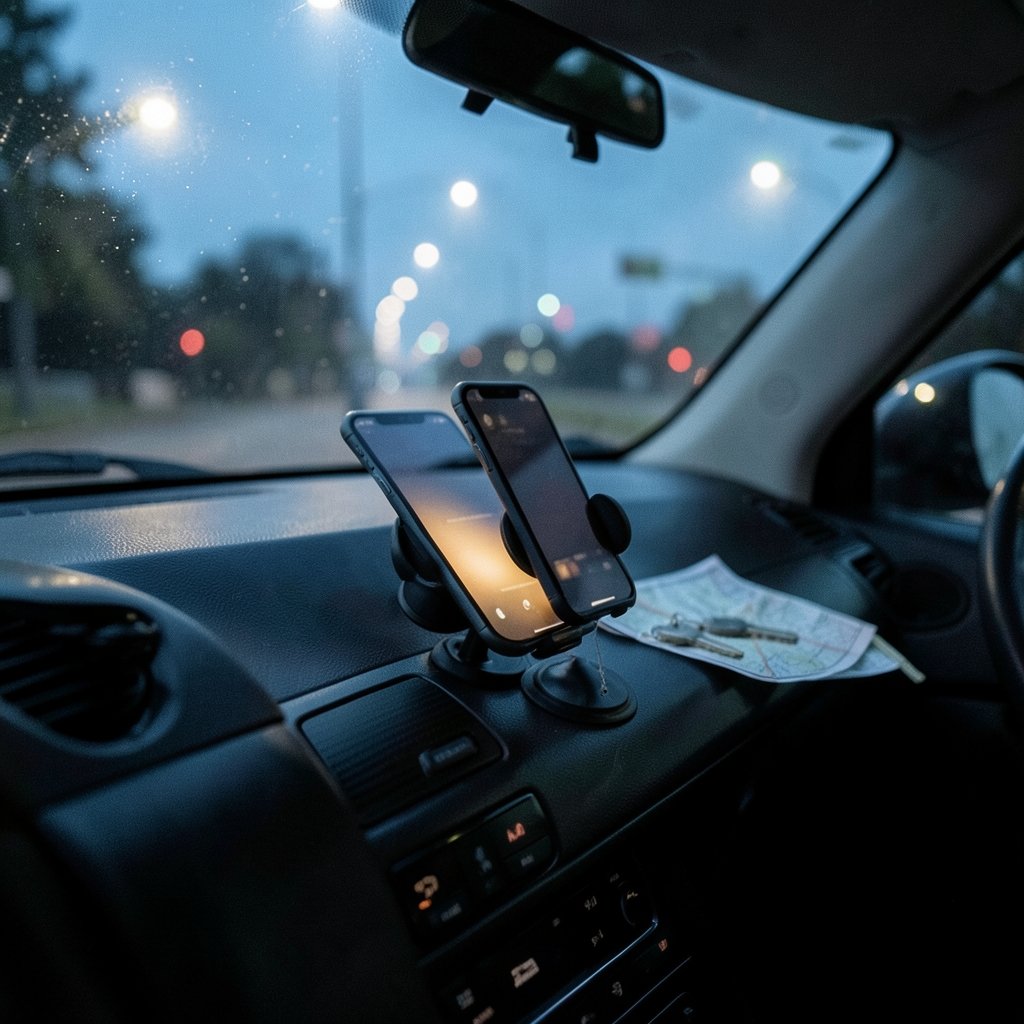
A “near me” search is a location-based query. Google’s own explanation of local ranking says results are ordered using three factors: relevance, distance, and prominence. Distance is measured from where your device thinks you are, which is why the same search can produce different results at home, at work, or on a road trip. Prominence factors in how complete and accurate a business listing is, along with reviews and general reputation.
That has two practical consequences. First, the shop at the top of your results is not necessarily the closest or the best; it’s the one that best balances those factors. Second, a shop with wrong hours or an outdated address in its listing can drop out of results or send you on a wasted trip. If you want to understand the mechanics in more depth, Google’s help page on how local results are ranked explains relevance, distance, and prominence directly.
Drivers who are hunting for a quick meal between errands will recognize the same logic from food searches, where a query like best thai food near me depends heavily on location and listing accuracy. The pattern holds for auto shops too: your phone’s location and each shop’s listing quality do most of the work.
Before You Drive Over: A Quick Checklist
Most wasted trips happen because people skip two minutes of checking. Here’s what actually works in practice.
- Confirm hours on the specific listing. Quick-lube shops often run seven days a week, but hours are set per location and shift with the season. Never assume a national schedule exists.
- Call ahead for wait times. A shop that’s empty at 9 a.m. on a Tuesday can have a ninety-minute line at 10 a.m. on a Saturday. A thirty-second phone call beats an hour in a plastic chair.
- Check what your car actually needs. Open the owner’s manual and find the maintenance schedule. Write down the oil type and interval. This one habit prevents most upsell confusion.
- Ask about the price before the work starts. Prices vary by franchise, and some add shop fees or disposal charges. A clear out-the-door quote is fair to request.
- Look at recent reviews, not the star average. Read the last month of reviews for mentions of pushy recommendations or long waits. A 4.2-star shop with recent honest reviews often beats a 4.8-star shop coasting on old ratings.
The most common mistake is treating all locations as interchangeable. They aren’t. The second most common mistake is arriving without knowing the manufacturer’s recommended oil-change interval, which leaves you entirely dependent on whatever the service writer suggests.
Manufacturer Intervals vs. Shop Recommendations
Here’s where drivers get confused, and understandably so. Modern owner’s manuals typically specify oil-change intervals by mileage or time, often falling somewhere between 5,000 and 10,000 miles for full synthetic oil depending on the manufacturer and driving conditions. Quick-lube chains have historically promoted shorter intervals, sometimes 3,000 miles, a figure that dates back to the era of conventional oil and older engine designs. (Motor oil)
Neither number is a scam, exactly, but they serve different purposes. The manufacturer’s schedule is the authoritative source for your specific vehicle and is what warranty coverage is built around. A shop’s recommendation may reflect severe-duty conditions, which many manuals also address separately. The practical approach: know your manual’s normal and severe intervals, decide honestly which category your driving falls into, and treat any recommendation outside those windows as a conversation rather than an instruction. (Vehicle equipment and safety (NHTSA))
Your Warranty Is Not Tied to the Dealer
A persistent myth keeps people paying dealer prices for basic maintenance: the idea that service anywhere else voids the warranty. The Magnuson-Moss Warranty Act of 1975 limits manufacturers from voiding a warranty solely because you used non-dealer service, as long as the work meets the manufacturer’s specifications. The FTC’s plain-language guidance on the Magnuson-Moss Warranty Act explains what the law does and doesn’t allow, and it’s worth a read before any service conversation where someone implies otherwise.
What the law does require is that the work be done properly and to spec, and that you keep records. Save receipts. Note the date, mileage, oil type, and shop name. If a warranty claim ever comes up, that paper trail is what protects you, whether the work was done at a Jiffy Lube, an independent garage, or a dealership.
Consumer Protections Worth Knowing
Auto repair is a regulated industry for good reason. At the federal level, the FTC Act prohibits unfair or deceptive practices in advertising and sales, which covers claims made about service work. The FTC’s advertising and marketing basics guidance lays out the standards businesses are held to. At the state level, many states require written estimates before repair work begins and have their own rules about authorization for additional work.
In practice, this means you have the right to ask for a written estimate, to decline recommended services, and to receive an itemized bill. If a shop tells you a service is mandatory for safety when it’s actually a maintenance suggestion, that’s a red flag worth noting. Pushback is normal and expected; a good service writer will explain the reasoning without pressure.
Fast Service vs. Full Service: An Honest Comparison
Quick-lube shops and full-service garages serve different needs. Neither is universally better.
| Factor | Quick-lube chain | Independent shop or dealer |
|---|---|---|
| Typical wait | 15–45 minutes, walk-in | Appointment, often days out |
| Best for | Oil, filters, fluids, wipers | Diagnostics, brakes, complex repairs |
| Pricing | Varies by franchise; often competitive on oil | Higher labor rates, more consistent |
| Records | Receipt provided; keep it | Detailed invoice with parts numbers |
| Upsell pressure | Can be high; varies widely by location | Varies; relationship matters |
For routine fluid and filter work, a well-run quick-lube shop is genuinely convenient and often cheaper than a dealer. For anything involving a noise, a warning light, or a repair, an independent shop with diagnostic equipment is the better call. Knowing which category you’re in before you search saves time and money.
The same logic applies to other convenience-driven searches, like finding takeout food near me when you need speed over a sit-down experience. You pick the format that matches the job.
What to Expect Inside the Bay
A typical visit follows a predictable rhythm. You pull into a lane, a technician checks your mileage and oil type, and you’re guided to a waiting area or asked to stay in the vehicle. The oil is drained, the filter replaced, fluids topped off, and a multipoint inspection is performed. Then comes the moment that defines the experience: the service writer presents findings.
This is where preparation pays off. If you know your manual’s schedule and have a budget in mind, the conversation stays simple. If a recommendation doesn’t match your manual or your driving, ask what happens if you wait. A confident, honest answer is a good sign. Vague urgency is not.
Before you leave, confirm three things: the oil type and quantity on the receipt, the mileage recorded, and the date. Photograph the receipt and drop it in a folder on your phone. Future you will be grateful.
When a Different Shop Makes More Sense
There are situations where the nearest quick-lube location isn’t the right choice, and recognizing them saves hassle. If your car specifies a particular synthetic oil or a nonstandard filter, call first to confirm the shop stocks it. If you drive a diesel, a European model with specific fluid requirements, or a vehicle under an active factory maintenance plan, a dealer or specialist may be the smarter stop. And if a shop’s recent reviews mention repeated pushback or billing surprises, trust the pattern and drive a little farther.
The broader principle applies across every “near me” search, whether you’re looking for best salads near me or a repair bay: proximity is a starting filter, not a quality guarantee. Reviews, listing accuracy, and a quick phone call do the real sorting.
Conclusion
Searching for a Jiffy Lube nearby is easy; choosing the right one takes about five extra minutes of homework. Know that the brand is a franchise network with real variation between shops, understand that “near me” results are shaped by your device location and each listing’s accuracy, and check the specific shop’s hours and recent reviews before you drive over. Bring your owner’s manual’s maintenance schedule with you, ask for an out-the-door price, keep every receipt, and remember that federal law protects your right to service your car outside the dealership. Do those things and the oil light stops being a source of stress and goes back to being a minor chore you knock out on a lunch break.
Frequently Asked Questions
Are all Jiffy Lube locations the same?
No. Most locations are franchised rather than company-owned, so hours, pricing, staffing, and service recommendations vary from shop to shop. The brand sets expectations, but the individual franchise determines your actual experience.
How do I find the closest Jiffy Lube to me?
Use a maps app on your phone, since “near me” results depend on your device’s location. Then verify the specific shop’s hours and address on its own listing before driving over, because outdated listings are a common cause of wasted trips.
Can I get my oil changed at Jiffy Lube without an appointment?
Most quick-lube locations accept walk-ins, which is the core of their business model. Wait times vary by location and time of day, so a quick phone call before you leave is the simplest way to avoid a long line, especially on weekends.
Does using Jiffy Lube void my car’s warranty?
No, not by itself. The Magnuson-Moss Warranty Act of 1975 limits manufacturers from voiding a warranty solely because non-dealer service was used, provided the work meets the manufacturer’s specifications. Keep your receipts as proof.
How often should I actually change my oil?
Follow your owner’s manual. Modern schedules often specify intervals between 5,000 and 10,000 miles for full synthetic oil, depending on the vehicle and driving conditions. The manual is the authoritative source, not a shop’s default recommendation.
What should I check before paying at a quick-lube shop?
Confirm the oil type and quantity, the mileage recorded, and the date on the receipt. Ask for an itemized bill if any additional services were performed, and photograph the receipt for your records in case of a future warranty question.



