
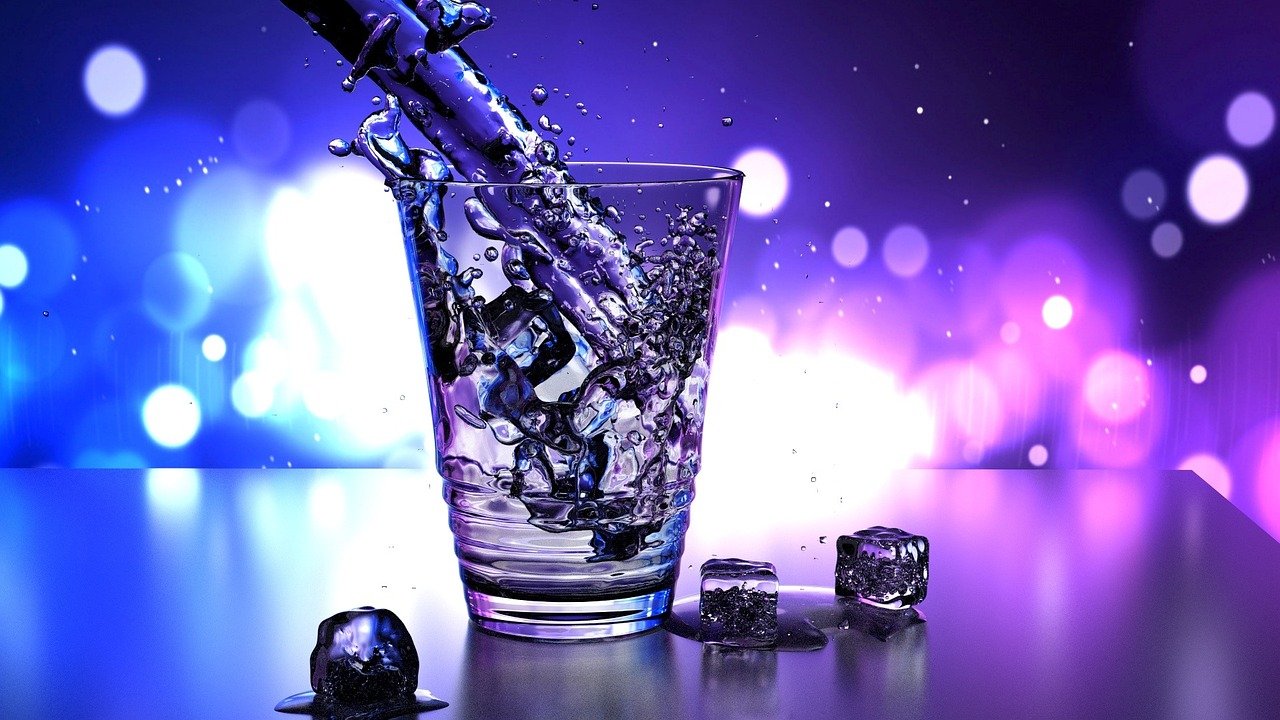
Can the material you drink from quietly change the taste, safety, or purity of your water? It sounds like the kind of thing a wellness influencer would say while holding a mason jar, but there is actual materials science behind the question. Glass has been the default drinking vessel for centuries, and for good reason. It is chemically unreactive, easy to clean, and does not carry the nagging questions that hang around some plastics.
Still, “water from glass” is a loose phrase. It can mean water stored in a glass bottle, water poured from a glass tumbler, or even the trace water that forms when glass itself slowly corrodes over geological time. Each version of the question has a different answer, and some of those answers are more interesting than you might expect. (Water succulents so they thrive not rot)
What “Water From Glass” Usually Means
Most people asking about water from glass are really asking a practical question: is glass the best material for holding drinking water? That is the sense this article focuses on, because it is the one that affects daily life.
But it is worth flagging the other readings so nobody gets confused. In materials science, glass and water interact in slow, subtle ways. Silicate glass surfaces can hydrate and leach over very long periods, which is exactly why researchers study glass as a way to lock away nuclear waste. That research matters for understanding glass durability, but it has almost nothing to do with the water in your kitchen.
There is also the figurative use. “A glass of water” is one of the most common phrases in English, and it shows up in idioms, song lyrics, and bad jokes. None of that changes the chemistry. What follows sticks to the practical question: what happens when water meets glass, and does it matter for your health?
Why Glass Is Chemically Inert
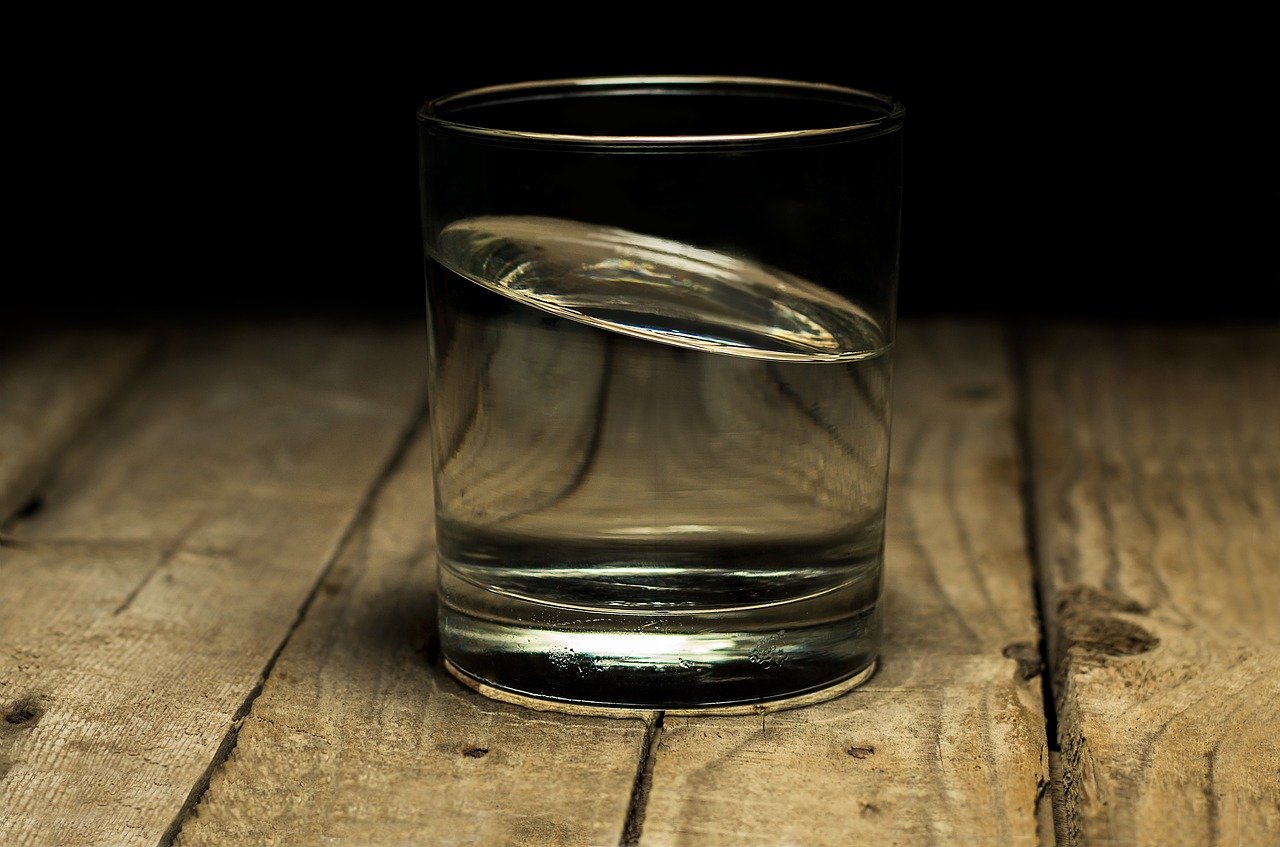
The main reason glass is trusted for food and drink is its structure. Standard container glass, usually soda-lime glass, is made mostly of silica with sodium and calcium added to lower its melting point. Once formed, it is a rigid, non-porous solid with negligible chemical reactivity toward water under normal conditions.
That inertness has real consequences. Glass does not leach plasticizers, does not absorb flavors, and does not hold onto odors the way some materials can. A glass bottle that held tomato sauce, once properly washed, will not make your water taste like tomatoes. A plastic container with the same history often will.
Borosilicate glass takes this further. It has a low thermal expansion coefficient, which means it resists cracking when temperatures swing. That is why laboratory glassware and heat-resistant kitchenware use it. If you have ever poured boiling water into a cheap tumbler and watched it crack, you have seen what happens when the glass is not up to the thermal job.
The Practical Test
A simple way to think about it: glass is one of the few materials where the container is genuinely boring. It does not want to react with your water. It just holds it. For most households, that is the whole story.
Glass Versus Plastic Versus Metal
The comparison table below sums up how the common drinking-water materials stack up on the factors that matter most.
| Material | Leaching risk | Taste transfer | Durability | Best use |
|---|---|---|---|---|
| Soda-lime glass | Very low | None | Good, but breakable | Everyday bottles and tumblers |
| Borosilicate glass | Very low | None | Good, handles heat | Hot drinks, lab-style carafes |
| Stainless steel | Low | Possible metallic note | Excellent | Travel bottles, outdoor use |
| Plastic (various) | Varies by type | Possible | Lightweight | Short-term, on-the-go |
| Aluminum with liner | Depends on liner | Possible | Good | Lightweight travel |
The pattern is clear. Glass wins on purity and taste neutrality. It loses on weight and shatter resistance. If you are hiking or cycling, a steel bottle is probably the smarter pick. If you are storing water at home or on a desk, glass is hard to beat.
One common mistake is assuming all glass is equal. Cheap decorative glass may not be rated for food contact, and vintage or painted glass can carry lead in older glazes and decorations. If a container was not sold as drinkware, do not assume it is safe for water. Stick to glass that is clearly labeled for food use.
Does Water Stored in Glass Taste Different?
Yes, and the reason is not the glass itself. It is what the glass is not doing.
Water picks up flavors from whatever it touches. A plastic bottle left in a warm car can transfer faint chemical notes into the water. A metal bottle can leave a metallic edge, especially if the interior is unlined or scratched. Glass contributes nothing, so the water tastes like water. (Coffee makers without plastic water contact actually works)
Temperature plays a role too. Glass feels cooler to the touch and holds temperature in a way that many people find pleasant. That is a sensory effect, not a chemical one, but it is real. Plenty of people who switch from plastic to glass report that their water “tastes cleaner.” Sometimes that is genuine, and sometimes it is the satisfaction of drinking from something that feels more substantial.
There is one caveat worth knowing. Glass bottles with rubber or silicone seals can develop odors if the seal is not cleaned. The glass stays neutral, but the gasket does not. Wash the cap and seal regularly, and replace worn gaskets when they start to smell or discolor.
The Trace Chemistry Nobody Drinks
Here is where the science gets genuinely fascinating, and where the phrase “water from glass” takes on a literal meaning.
Over extremely long timescales, water reacts with the surface of silicate glass. The process is called glass corrosion, and it involves hydration and leaching at the glass surface. This is not a fast reaction. It plays out over years, decades, or longer, and it is studied closely because glass is a candidate material for immobilizing nuclear waste.
The reason researchers care is simple. If you seal radioactive material inside glass and bury it, you want to know how that glass behaves when groundwater eventually reaches it. Understanding how water interacts with glass at the surface helps engineers predict how long a waste form will last. The water produced or consumed in these reactions is measured in trace amounts, far below anything that would matter in a drinking glass.
For anyone holding a tumbler of tap water, this research is background noise. But it is a useful reminder that “inert” is a matter of degree and timescale. Glass is effectively inert over a human lifetime. Over a geological one, it is merely very slow.
Reading Water Quality Correctly
A lot of confusion about water from glass comes from mixing up two separate questions. The first is what is in the water. The second is what the container adds.
Drinking-water quality is regulated on its own track. In the United States, the Safe Drinking Water Act sets limits on contaminants in public water supplies, while materials that contact food and drink fall under separate food-contact rules. Those are two different systems, and neither one is about whether your glass is fancy.
The practical takeaway is that a glass bottle cannot fix bad water. If your tap water has a problem, the container is not the solution. Filtration or treatment is. Conversely, a clean water supply does not become unsafe because you poured it into glass. If anything, glass is the least likely container to introduce something new.
This is the same logic that applies to other household water questions. People worry about what their appliances and containers add to water, and the honest answer is usually that the source matters more than the vessel. The same principle shows up in debates about which materials touch your drinking water at home, whether that is a coffee maker, a humidifier, or a storage bottle. If you are comparing materials, it helps to look at the whole chain rather than fixating on one link.
Common Mistakes People Make With Glass and Water
A few habits undercut the benefits of glass, and they are easy to fix.
Mistake one: never washing the bottle. Glass does not absorb odors, but biofilm can form on any surface that stays wet. A bottle rinsed only with cold water and left sealed will eventually smell. Wash with hot water and soap, and let it dry fully with the cap off.
Mistake two: using non-food glass. Decorative bottles, old apothecary jars, and painted glass are not automatically safe. Lead and other metals can appear in decorative coatings and older glass formulations. If it was not made for drinking, do not drink from it.
Mistake three: thermal shock. Pouring boiling water into cold soda-lime glass is a reliable way to crack it. Use borosilicate for hot liquids, or temper the glass gradually.
Mistake four: ignoring the seal. The gasket is the weak point. A sour-smelling silicone ring will make good water taste bad.
Mistake five: assuming glass is unbreakable. It is not. Chipped rims and hairline cracks are a real hazard, and a cracked bottle can shed small fragments. Inspect glassware regularly and retire anything damaged.
Glass, Water, and the Environment
Glass has an environmental advantage that is easy to overlook. It is indefinitely recyclable without loss of quality, which is not true of most plastics. A glass bottle can be melted and reformed again and again.
That said, glass is heavy, and transporting it takes energy. A single-use glass bottle shipped long distances can carry a higher carbon footprint than a locally reused one. The greenest option is usually the least glamorous: a durable glass bottle you refill from the tap, used for years.
Reuse also connects to a broader point about household water. Small choices about how you store, heat, and handle water add up. Whether you are choosing a bottle, a kettle, or a machine that heats water, the material and the maintenance matter more than the marketing. Anyone weighing those trade-offs will find that the same questions keep coming back: what touches the water, how clean is it, and how often is it replaced. Those questions apply just as much to a glass carafe as to anything else in the kitchen.
How to Choose and Care for a Glass Water Bottle
A short checklist covers most of what matters.
- Confirm the glass is labeled for food or drink contact.
- Choose borosilicate if you plan to use hot water.
- Check the seal material and make sure it is removable for cleaning.
- Wash with hot soapy water and air-dry with the cap off.
- Inspect for chips and cracks weekly.
- Replace gaskets when they discolor or smell.
- Store filled bottles out of direct sun and away from freezing temperatures.
None of this is complicated. The point is that glass rewards a little attention. Treat it well and it stays neutral, clean, and tasteless for years.
Conclusion
Water from glass is, in the end, one of the least dramatic questions in the kitchen. Glass is chemically inert, does not leach into water under normal conditions, and contributes no flavor of its own. That makes it one of the safest and most pleasant materials for storing and drinking water. The trace chemistry that makes glass corrode over geological time is a genuine scientific puzzle, but it has no bearing on your lunch.
The practical rules are simple. Use glass that is made for drinking. Wash it properly, including the seal. Do not pour boiling water into ordinary glass. Retire chipped bottles. Do those things and glass will quietly do its job, which is to stay out of the way while you drink.
Frequently Asked Questions
Is it safe to drink water stored in glass?
Yes, for glass that is labeled for food or drink contact. Soda-lime and borosilicate glass are chemically inert and do not leach into water under normal conditions. The main risks come from damaged glass, non-food decorative glass, or a dirty seal, not from the glass itself. (Apple musics new logo liquid glass sound rumor whats real)
Does water taste different from a glass bottle?
Often yes, but the effect is indirect. Glass adds no flavor, so water tastes like the water rather than the container. Plastic and unlined metal can transfer faint notes, especially when warm. People switching to glass are often noticing the absence of those notes.
Can glass put chemicals into water?
Under normal drinking conditions, the amount is negligible. Over very long timescales, water can react with silicate glass surfaces in a process called glass corrosion, but the amounts involved are trace and irrelevant for household use. The bigger concern with any container is cleanliness and the condition of the seal.
Is borosilicate glass better than regular glass for water?
It depends on use. Borosilicate resists thermal shock, so it handles hot water without cracking. For cold water, ordinary soda-lime glass works perfectly well and costs less. If you switch between hot and cold, borosilicate is the safer choice.
How often should I wash a glass water bottle?
Daily if you use it daily. Hot water and soap, followed by full air-drying with the cap off, prevents biofilm and odors. Wash the cap and gasket separately, since those parts trap moisture and are the usual source of smells.
Can old or decorative glass be unsafe for drinking water?
It can be. Older glass and decorative coatings may contain lead or other metals, and unlabeled glass is not guaranteed to be food-safe. Stick to containers sold for drinking, and retire any glass with chips, cracks, or worn decoration.



