
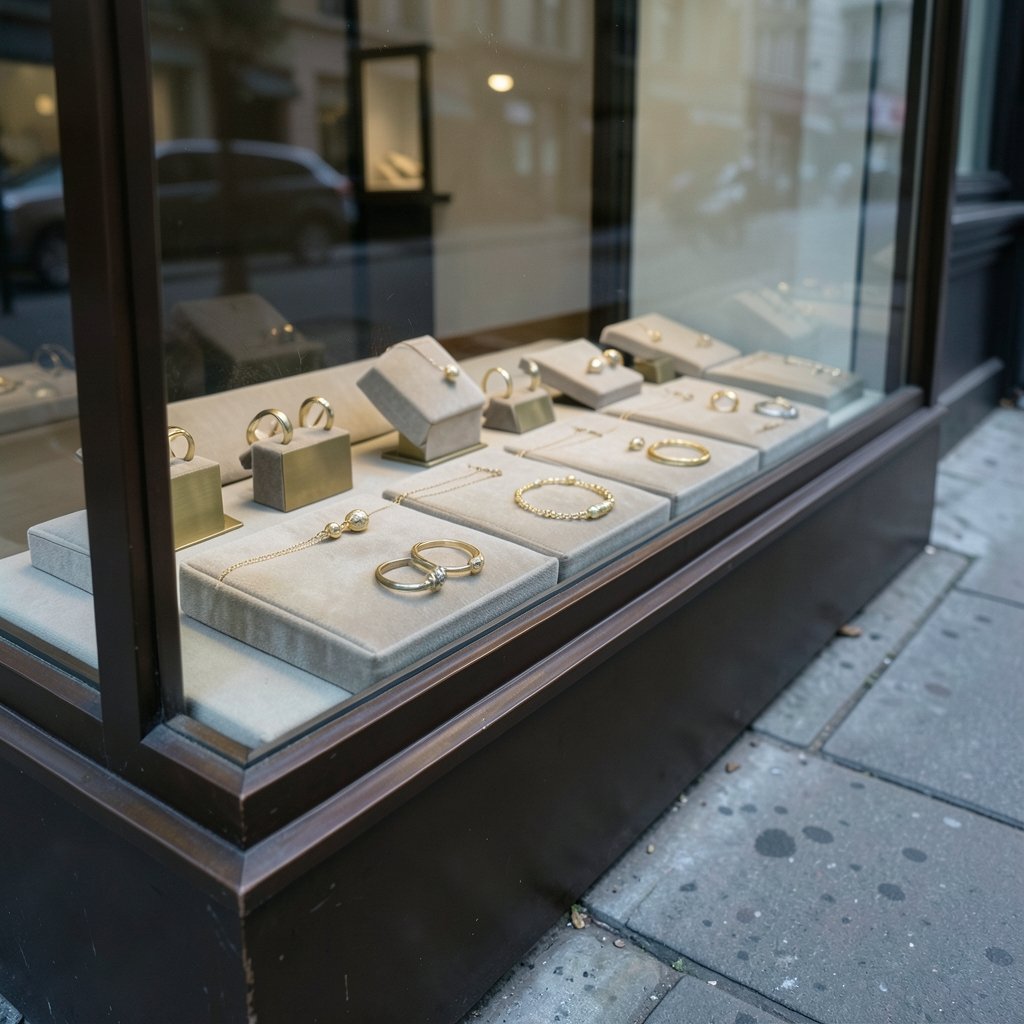
What if the gold ring you love is mostly something else? That is the surprising reality behind 10K gold, a jewelry staple that looks like gold, wears like armor, and contains less than half actual gold. Walk into almost any mall jewelry store and you will find rows of 10K pieces priced well below their 14K and 18K cousins. The metal is real, legal, and popular. But understanding what you are actually paying for changes how you shop.
This guide breaks down what 10K gold is, how it compares to higher karats, why it tarnishes, what the stamps mean, and where it makes sense to buy.
What Does 10K Gold Actually Mean?
Karat is a purity measure based on 24 parts. Pure gold is 24K, so 10K gold is 10 parts gold out of 24, or about 41.7% gold by weight. The other 58.3% is a mix of alloy metals such as copper, silver, zinc, nickel, or palladium. Those metals are not filler. They are chosen deliberately to control color, strength, and cost.
In the United States, 10K is the minimum legal karat that can be sold as “gold.” Anything below that threshold cannot carry the gold label under federal jewelry marketing rules. That single fact explains a lot about the market. A 9K ring exists in other countries, but in the US, 10K is the floor of the gold category.
You will often see 10K stamped as “417,” which is the millesimal fineness for 41.7% gold. You might also see “10KP,” where the P stands for plumb, meaning the piece is guaranteed to contain at least the stated amount.
How 10K Compares to 14K and 18K
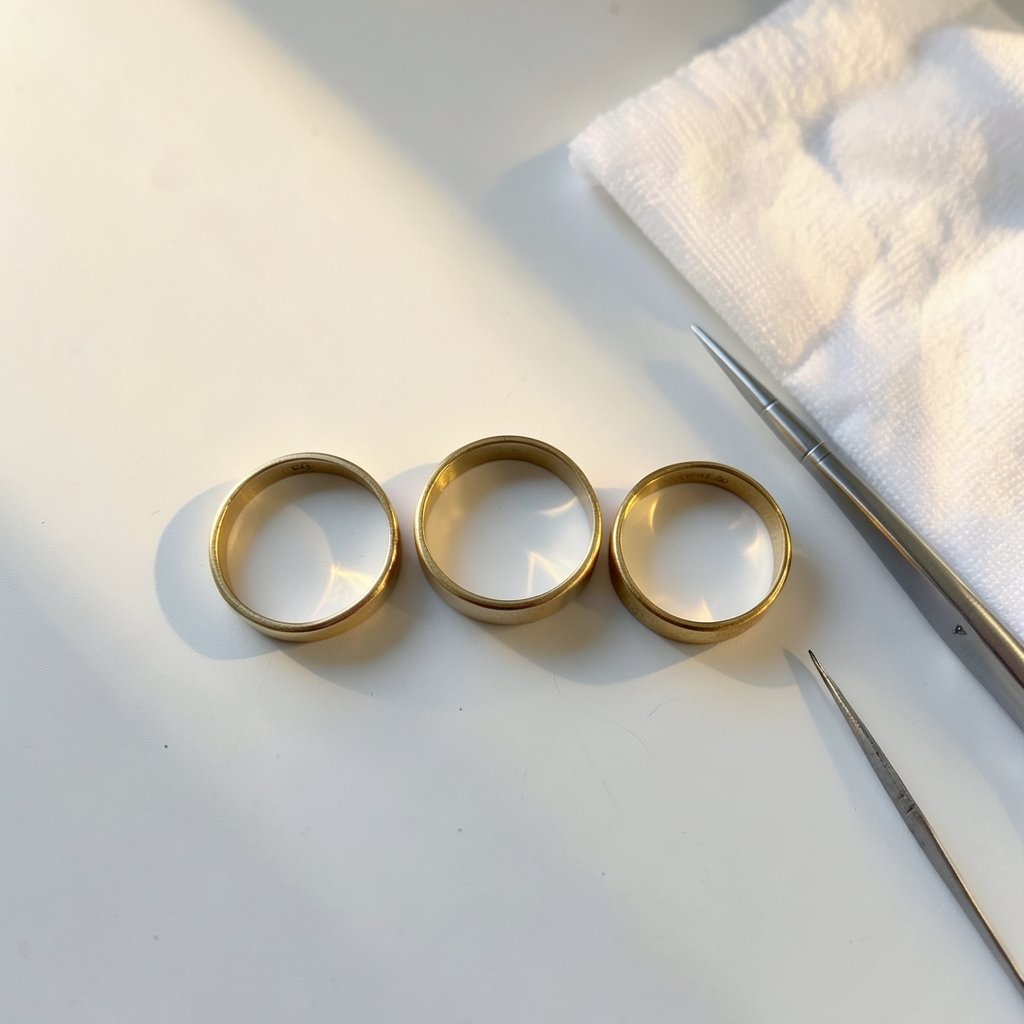
The cleanest way to understand 10K is to see it beside its neighbors. The trade-offs are real, and they cut in both directions.
| Feature | 10K Gold | 14K Gold | 18K Gold |
|---|---|---|---|
| Gold content | 41.7% | 58.3% | 75% |
| Color depth | Paler, more muted | Balanced yellow | Rich, deep yellow |
| Scratch resistance | Highest | Moderate | Lowest |
| Tarnish resistance | Lowest | Moderate | Highest |
| Typical price | Lowest | Mid-range | Highest |
| Best for | Daily-wear rings, budget pieces | Everyday fine jewelry | Heirloom and statement pieces |
Notice the pattern. Lower gold content means a harder, more durable metal but a paler color and weaker resistance to tarnish. Higher gold content means richer color and better tarnish resistance but a softer surface that scratches more easily. There is no free lunch in either direction.
For someone who works with their hands, 10K often outlasts 18K on a wedding band simply because it resists dents and scuffs. For someone who wants that deep, unmistakable gold glow, 18K wins every time.
Why 10K Gold Tarnishes (and What to Do About It)
Here is the complaint that surprises new buyers most: 10K gold can tarnish. Pure gold does not tarnish, but the alloy metals in 10K can react with sweat, lotions, chlorine, and air. Copper-rich yellow alloys may darken. White gold alloys often contain nickel or are plated with rhodium, and that plating wears away over time, exposing a duller layer beneath.
The fix is simple and cheap. Keep 10K pieces away from chlorine and harsh cleaners, wipe them after wear, and store them dry. White 10K pieces may need replating every year or two, which most jewelers handle for a modest fee. If a piece turns your skin green, that is usually a reaction with copper in the alloy, not a sign the metal is fake.
If you are curious how metals like gold and silver actually change hands and get priced before they reach a jeweler’s case, the mechanics of the money metal exchange where gold, silver, and base metals actually trade are worth a look.
The Nickel Question and Skin Sensitivity
White gold is the biggest allergy risk in the 10K category. Many white alloys use nickel to achieve that bright silver tone, and nickel is one of the most common contact allergens. People who react to cheap earrings often react to white gold too.
Regulators in the European Union restrict how much nickel can be released from items worn against the skin, which is why some buyers seek out nickel-free white alloys or palladium-based alternatives. Yellow and rose 10K gold usually skip nickel, making them the safer pick for sensitive skin. If a piece irritates your skin, stop wearing it and ask a jeweler what alloy it uses. Reputable sellers can often tell you.
Reading the Stamps: What “10K,” “417,” and “10KP” Mean
Jewelry stamps are tiny but important. Here is how to decode the common marks.
- 10K means the piece is 10 karat gold by weight.
- 417 is the same thing expressed as parts per thousand.
- 10KP means 10 karat plumb, a guarantee of at least the stated purity.
- A maker’s mark usually appears alongside the karat stamp and identifies the manufacturer.
One practical warning: stamps can be faked. A counterfeit ring can carry a “14K” stamp and contain almost no gold. The only reliable check is a jeweler’s test, usually an acid test or an electronic tester. If you are buying secondhand, ask for that test before money changes hands. It takes two minutes and saves a lot of regret.
Is 10K Gold a Good Investment?
Short answer: not really, and that is fine. Ten-karat gold has less intrinsic melt value per gram than 14K or 18K because it holds less gold. Resale is typically based on gold content, not the retail price you paid, so a 10K piece bought at full markup often resells for a fraction of its cost. That is true of jewelry at every karat, but the gap stings more at 10K because the metal value is lower to begin with.
For anyone weighing jewelry against bullion as a store of value, it helps to understand why gold and silver still matter as money metals even in a digital age. The short version: jewelry carries craft and retail markup, while bullion trades close to spot price. Buy 10K because you love the piece and want it to last. Buy bullion if your goal is wealth storage.
Where 10K Gold Makes Sense
Ten-karat gold shines in specific situations. It is a smart choice for:
- Daily-wear rings that face scratching, knocking, and hand washing.
- Children’s jewelry, where durability and lower cost both matter.
- Men’s bands, which tend to be wider and benefit from the harder alloy.
- Fashion pieces you plan to replace in a few years.
- Budget-conscious gifts where the look matters more than the gold percentage.
It makes less sense for heirloom pieces meant to be passed down, for anyone who wants a deep saturated yellow, or for buyers who care about melt value. Matching the karat to the job is the whole game.
Common Mistakes Buyers Make
A few traps catch people again and again.
Assuming “gold” means pure. It never does in jewelry. Even 18K is only three-quarters gold.
Paying 14K prices for 10K metal. Some retailers set prices by design instead of weight. Compare the gold content, not the tag alone.
Ignoring the plating on white gold. That rhodium layer is temporary, and replating is a recurring cost.
Skipping the test on resale purchases. A stamp is a claim, not proof.
Storing pieces together. Harder 10K can scratch softer higher-karat pieces, so keep them separate.
If you are curious about the broader question of what gold and silver coins are really worth versus their face value, that topic gets its own deep dive in this look at whether gold and silver coins are really worth what they claim.
Caring for 10K Gold So It Lasts
Ten-karat gold is forgiving, but it is not indestructible. A simple routine keeps it looking sharp. Remove rings before swimming, cleaning, or lifting weights. Wipe pieces with a soft cloth after wearing to remove oils and sweat. Wash occasionally in warm water with a drop of mild dish soap, then dry fully before storing. Keep each piece in its own pouch or compartment.
For white 10K gold, watch for the telltale yellow-gray tint that signals worn rhodium. A quick replate restores the bright finish. For yellow and rose 10K, a jeweler’s polishing cloth handles most dullness. Skip ultrasonic cleaners on pieces with soft stones or plated finishes, since vibration and chemicals can loosen settings or strip plating.
How to Shop Smart for 10K Gold
Start with the stamp. Look for “10K,” “417,” or “10KP” inside the band or on the clasp. Ask the seller about the alloy, especially on white gold. Weigh the price against the gold content, not the design alone. And when buying secondhand, insist on a test.
One more habit pays off: buy from sellers who disclose the karat clearly and stand behind it. A jeweler who volunteers the alloy details and offers a return window is usually a safer bet than one who dodges the question.
Conclusion
Ten-karat gold is not a compromise or a trick. It is a specific alloy with a specific job: durability at an accessible price. At 41.7% gold, it sits at the legal floor of the US gold market, which makes it the most affordable way to own real gold jewelry that can handle daily wear. It tarnishes more than higher karats, it holds less melt value, and it needs occasional care, especially in white gold form. But for a ring you will wear every day, a gift for a kid, or a piece you want to survive real life, 10K earns its place. Know what the stamp means, check the alloy, and buy it for the right reasons, and it will serve you well.
FAQ
Is 10K gold real gold?
Yes. Ten-karat gold is 41.7% gold by weight, and in the United States it is the minimum purity that can legally be labeled as gold. The remaining 58.3% is alloy metal added for strength and color. It is genuine gold, just at a lower concentration than 14K or 18K.
Is 10K gold better than 14K?
Neither is objectively better. Ten-karat gold is harder and more scratch-resistant, which suits daily-wear rings. Fourteen-karat gold has a richer color, resists tarnish better, and holds more melt value. The right choice depends on whether you prioritize durability or gold content.
Does 10K gold tarnish or turn skin green?
It can tarnish, because the alloy metals react with sweat, lotions, and chlorine. A green mark on skin usually comes from copper in the alloy reacting with your skin’s chemistry, not from fake gold. Regular cleaning and dry storage keep tarnish in check.
Can I wear 10K gold every day?
Yes, and it is one of the better karats for daily wear. The higher alloy content makes it harder and more resistant to scratches and dents than 18K. Just remove it for swimming, cleaning with harsh chemicals, and heavy lifting, and wipe it down after wearing.
Is 10K gold worth buying as an investment?
Generally no. Its lower gold content means lower melt value per gram, and jewelry resale typically reflects gold content rather than retail price. Buy 10K gold because you like the piece and want durability. If your goal is investment, bullion is the more direct route.
How can I tell if 10K gold is real?
Look for a stamp reading “10K,” “417,” or “10KP” inside the band or on the clasp. Stamps can be counterfeited, so the reliable check is a jeweler’s acid or electronic test. For any secondhand purchase, ask for that test before you pay.



