
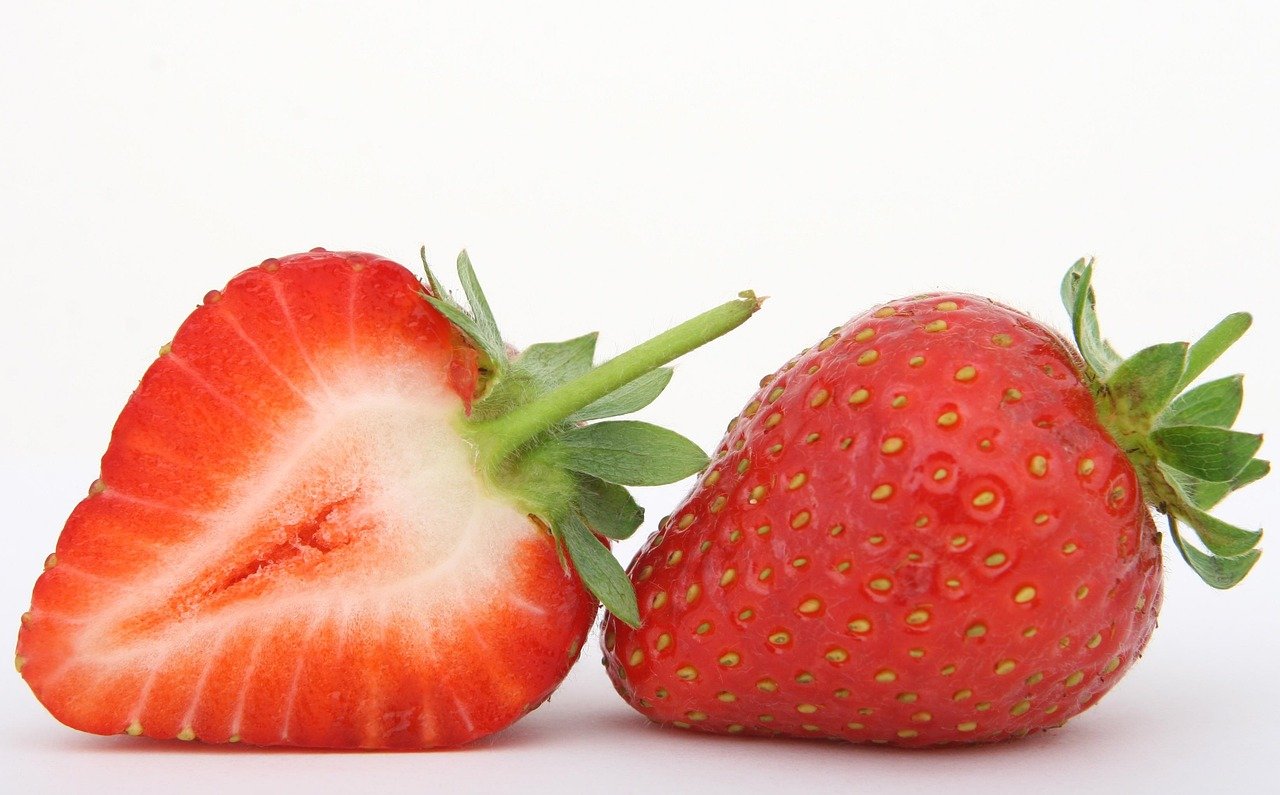
Bite into a strawberry and you may wonder why the seeds sit on the outside like tiny passengers clinging to a bus. That question leads to a deeper explanation than it first suggests. Those little dots are not decoration, and they are not seeds in the way most people imagine. They are the fruit’s true fruits, sitting on a swollen red platform that pretends to be one. Understanding what strawberry seeds actually are changes how you look at the fruit bowl, and it also changes how you grow the plant, harvest it, and even how you might react to eating it.
The Little Dots Are Not What You Think
Botanically speaking, the strawberry is not a berry at all. The fleshy red part that people bite into is an enlarged receptacle, a swollen stem tip that develops after flowering. The real fruits are those tiny, dry, one-seeded structures scattered across the surface. Botanists call them achenes, and each achene contains a single seed inside a hard outer shell.
This arrangement is unusual. In most fruits, the ovary wall becomes the fleshy part, and the seeds sit inside. In a strawberry, the many pistils of a single flower each produce a dry achene, while the receptacle swells around and beneath them. So when someone says they are eating a strawberry and spitting out the seeds, they are technically spitting out the fruit and eating the stem tip. It is a strange botanical trick, and it explains why the dots are always on the outside, never buried in the flesh.
The count varies more than most people expect. A typical strawberry carries roughly 200 achenes on its surface, though the number swings widely depending on the cultivar and the size of the fruit. Common ranges fall between about 150 and 300. Treat any single number as a rough guide rather than a rule, because a small wild strawberry and a giant supermarket specimen are playing in completely different leagues.
Why the Seeds Sit on the Outside
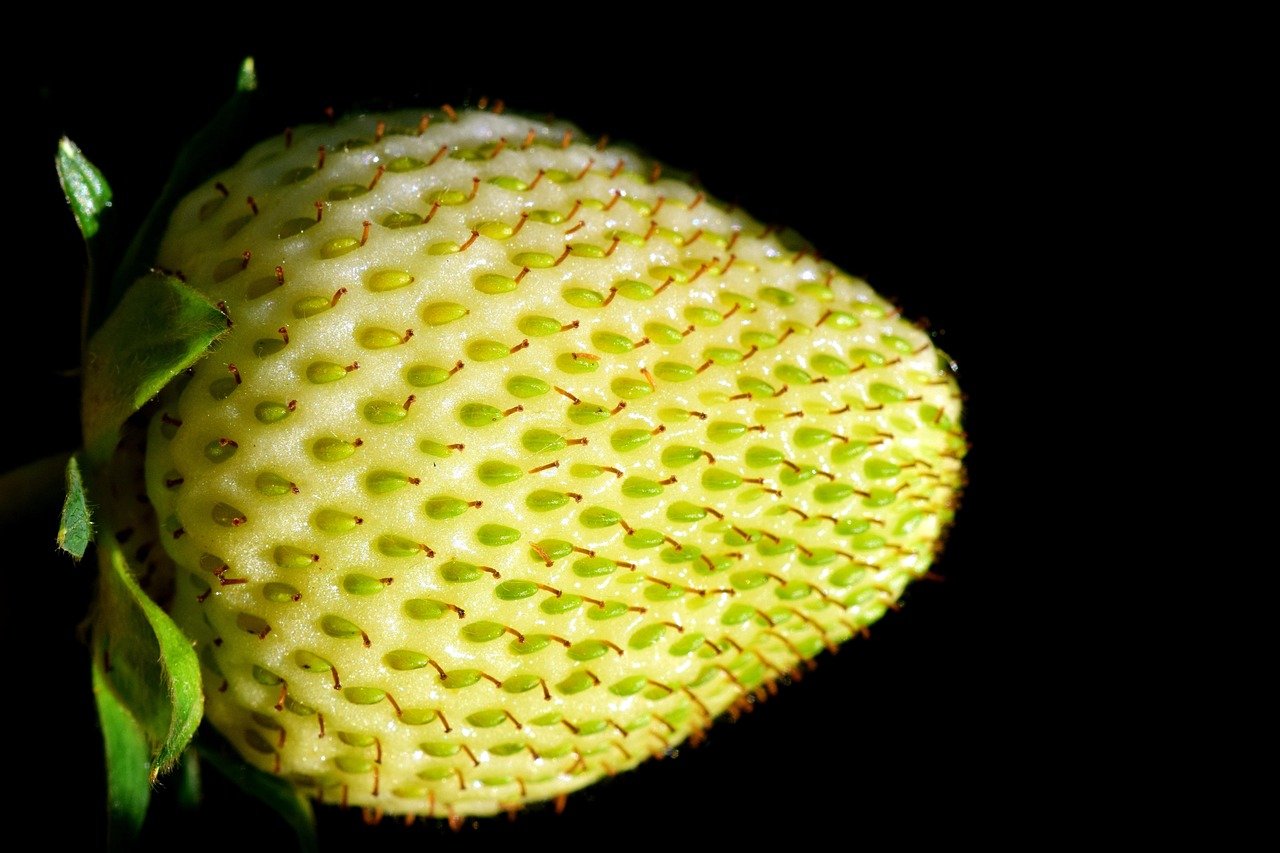
The outer placement is not an accident. Each achene develops from a separate pistil, and a single strawberry flower contains dozens to hundreds of them. After pollination, each pistil’s ovary dries into a hard little achene while the receptacle beneath it swells into the juicy red tissue people enjoy. The seeds end up riding on the surface because that is where the flower’s reproductive parts were positioned all along.
This design has a practical benefit for the plant. Because the achenes are exposed, they can be dispersed more easily when an animal eats the fruit or when the fruit falls and rots. The hard shell protects the seed inside, and the bright red flesh acts as a reward that encourages animals to carry the fruit away. It is a clever arrangement, even if it confuses nearly everyone at the picnic table.
There is also a practical consequence for gardeners. Because the achenes are exposed, they are vulnerable to drying out and to physical damage. This matters when you try to save seeds or start plants from them, and it explains why seed-saving from strawberries takes a little more care than shaking seeds out of a tomato.
Growing Strawberries From Seed Versus Runners
Most commercial strawberries are not grown from seed at all. Growers propagate them from runners, also called stolons, which are horizontal stems that the parent plant sends out to form new clones. This method is fast, reliable, and produces plants identical to the parent. Seed propagation is mainly the territory of breeders, hobbyists, and people working with heirloom or alpine types.
That does not mean growing from seed is pointless. It is the only way to produce new varieties, and it lets gardeners grow types that are hard to find as plants. But it comes with tradeoffs worth knowing before you commit a windowsill to it.
| Factor | Growing From Seed | Growing From Runners |
|---|---|---|
| Speed to fruit | Slow, often a full season or more | Fast, often fruit within months |
| Cost | Low, seeds are cheap | Higher, plants cost more |
| Variety choice | Wide, including rare types | Limited to what is sold as plants |
| Genetic consistency | Variable, especially from hybrid seed | Identical clones |
| Difficulty | Moderate, needs patience | Easy |
The cultivated garden strawberry is Fragaria × ananassa, a hybrid, and plants grown from its seed will not match the parent exactly. The woodland or alpine strawberry, Fragaria vesca, behaves differently, and many gardeners find it more rewarding to grow from seed because it comes relatively true and produces small, intensely flavored fruit.
How to Actually Germinate Strawberry Seeds
Strawberry seeds have a reputation for being fussy, and the reputation is mostly earned. The biggest mistake people make is burying the seeds. Strawberry seeds need light to germinate well, so surface sowing is the standard recommendation. Press them gently onto the surface of moist seed-starting mix and leave them exposed.
The second common mistake is skipping cold stratification. Many guides recommend a period of cold treatment before germination, mimicking the winter conditions the seeds would experience outdoors. You can achieve this by placing the seeded tray in a refrigerator for a few weeks, or by sowing outdoors in fall and letting nature do the work. Skipping this step does not always cause failure, but it often slows germination or reduces the percentage that sprout.
Germination times are commonly reported as two to six weeks, though the range stretches depending on the species and the conditions. Warmth, consistent moisture, and bright light all help. A clear plastic cover can hold humidity, but it needs to come off once sprouts appear so the seedlings do not rot.
Here is a practical sequence that works for most home growers:
- Fill a shallow tray with a light, sterile seed-starting mix and moisten it evenly.
- Scatter the seeds on the surface and press them down lightly without covering them.
- Mist the surface and cover the tray to hold moisture.
- If stratifying, refrigerate the covered tray for several weeks before moving it to warmth.
- Place the tray in bright, indirect light and keep the surface damp but not soggy.
- Remove the cover once green sprouts appear.
- Transplant seedlings into individual pots once they have a few true leaves.
Patience matters here. Strawberry seedlings are tiny and slow at first, and a tray that looks empty for three weeks can suddenly fill with green. Do not dump it out too early.
Saving Seeds From Your Own Strawberries
Saving seed from a strawberry is a bit more involved than saving seed from a pepper or a bean. The achenes are small, and they are embedded in soft flesh that will mold if left alone. The most reliable method is to let a few berries get very ripe, then scrape the surface with a knife or blend the fruit briefly in water so the seeds separate and sink. Rinse them in a fine strainer, spread them on a paper towel, and let them dry completely before storing.
The main mistake here is storing seeds while they are still damp. Strawberry seeds that go into a jar wet will grow mold, and moldy seed is dead seed. Dry them thoroughly, label the container with the variety and the date, and keep them cool and dark. Germination rates decline over time, so plan to use saved seed within a couple of years.
One more caution: if you saved seed from a hybrid garden strawberry, the offspring will be a genetic grab bag. Some may be excellent, some may be disappointing, and none will be exactly the parent. That unpredictability is part of the fun for breeders and part of the frustration for gardeners who want a sure thing.
The Allergy Question and Other Cautions
Strawberry allergy is uncommon but real, and the achenes are one of the reasons the fruit can irritate some people. The seeds are a recognized allergen source in certain individuals, and reactions range from mild oral itching to more serious symptoms. Anyone who notices swelling, hives, or breathing trouble after eating strawberries should treat it as a medical matter rather than a curiosity.
There is also a naming trap worth flagging. “Strawberry seed” is sometimes used as a common name for unrelated plants, including some species in the genus Potentilla. If you are buying seed or reading a plant label, check the botanical name rather than trusting the common one. Context matters, and a packet labeled “strawberry seed” that contains something else will waste an entire growing season.
What the Hype Around Strawberry Growing Gets Wrong
Every spring, gardening corners of the internet fill with bold claims about strawberry seeds, from miracle germination tricks to seed varieties that promise absurd yields. Some of it is harmless enthusiasm, and some of it is marketing dressed up as horticulture. A healthy skepticism helps, especially when a claim arrives without a botanical name attached. The same instinct applies to the broader startup and hype cycle, where separating signal from noise is a skill worth building, as this look at the Warhound 200m seed rumor separating hype from reality 2026 shows.
The practical takeaway is simple. Trust the botanical facts, test small, and judge results by what actually sprouts in your tray. A seed packet is a promise, but the tray is the verdict.
Frequently Asked Questions
Are the seeds on a strawberry actually seeds?
Technically, each little dot is a dry fruit called an achene, and inside it sits a single seed. The red flesh is an enlarged receptacle, not the fruit itself. So the dots are the true fruits, and the seed is tucked inside each one.
How many seeds does a strawberry have?
A typical strawberry has roughly 200 achenes on its surface, though counts vary widely by cultivar and fruit size. Common ranges run from about 150 to 300. Small wild berries carry far fewer than large cultivated ones.
Can you grow a strawberry plant from a supermarket strawberry?
Yes, though results are unpredictable. Seeds from a grocery-store berry may germinate if you surface-sow them and give them light and moisture, but the plants will not match the parent if the berry came from a hybrid variety. Expect variability and a long wait before fruit.
Do strawberry seeds need to be refrigerated before planting?
Many guides recommend a cold stratification period before germination, and it often improves results. You can refrigerate a seeded tray for a few weeks or sow outdoors in fall. It is not always strictly required, but skipping it can slow germination and lower the sprout rate.
Why are my strawberry seeds not sprouting?
The most common causes are burying the seeds too deep, letting the surface dry out, and skipping cold treatment. Strawberry seeds need light, consistent moisture, and patience. Germination can take two to six weeks, so a tray that looks empty for a month may still surprise you.
Is strawberry seed the same as strawberry plant seed?
Usually, yes, but the term is loose. “Strawberry seed” is also a common name for some unrelated plants, so always check the botanical name on the packet. If it does not say Fragaria, you may be planting something else entirely.
Conclusion
Strawberry seeds are one of those small details that reward a closer look. Those dots on the surface are not accessories to the fruit; they are the fruit, each one a tiny achene holding a single seed while the red receptacle plays the role everyone mistakes for the main event. That botanical twist explains why the seeds sit outside, why they need light and cold to germinate, and why growers usually skip seed entirely in favor of runners.
For anyone tempted to grow strawberries from seed, the path is slow but genuinely satisfying. Surface-sow, stratify, keep the mix moist, and resist the urge to bury what needs light. Save seed only from fully ripe berries, dry it completely, and accept that hybrids will hand you surprises. Whether you are chasing a rare alpine variety or just curious about the fruit on your cereal, the seeds are where the story starts.



