

What do a nail polish shade, a beachy cocktail, and a sunset car color have in common? They all get called pink Malibu at some point. That’s the trouble with the phrase. It sounds specific, almost like an official name, but it floats between product lines, drink menus, and casual color talk without ever settling into one fixed definition.
That ambiguity is exactly why people search for it. Someone sees a bottle labeled pink Malibu, or hears a friend order one at a bar, and wants to know what they’re actually dealing with. The honest answer is that context decides. A cosmetics counter, a cocktail bar, and a paint swatch book are each using the words differently, and each one means something real within its own world. This article sorts out those meanings, explains where the phrase comes from, and shows how to use it without confusing yourself or anyone else.
Why the Phrase Feels Familiar Even If You Can’t Place It
Two words are doing the work here, and both carry strong associations.
Malibu is most widely known as a brand of coconut-flavored rum liqueur, and it’s also a famous stretch of coastline in California. The word has become shorthand for a whole mood: sun, salt air, bright colors, easy living. When a product wants to signal that feeling, “Malibu” is a fast way to do it.
Pink is the modifier. It narrows the mood toward something softer, sweeter, and more playful. Put together, pink Malibu reads as a description of a feeling as much as a color or a flavor. That’s why it shows up in so many unrelated places. It’s less a technical term than a piece of atmosphere.
This matters for anyone trying to pin down what pink Malibu “is.” The phrase works like a descriptor, not a standard. There’s no single authority that defines it, which means the meaning travels with whoever is using it. Once you accept that, the rest becomes much easier to navigate.
Pink Malibu as a Color
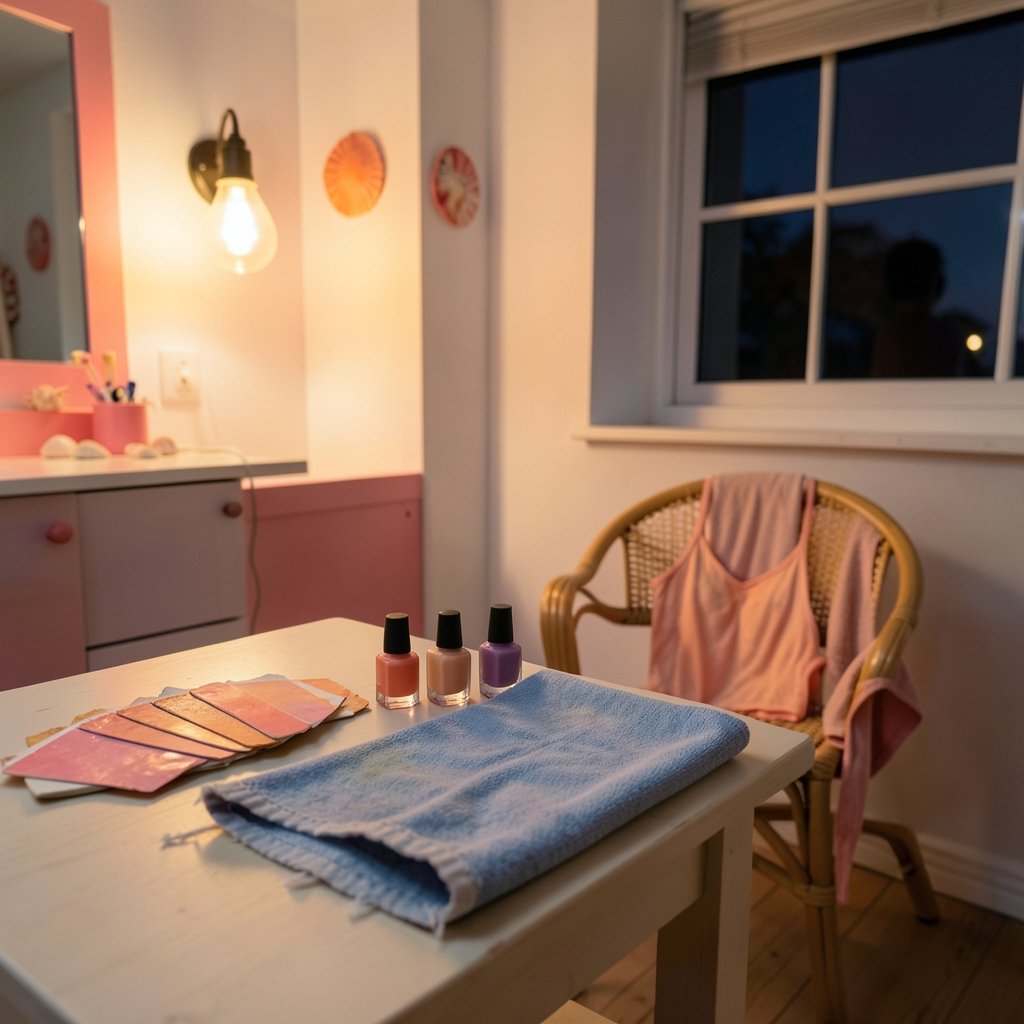
In color conversations, pink Malibu usually describes a warm, sun-washed pink with a hint of coral or peach underneath. Think of the color the sky turns just before the sun drops below the ocean, or the tint of a beach towel that’s been in the sun for a season. It’s not a cool, blue-based pink. It leans warm, and it often looks slightly faded rather than saturated.
Where you’ll see it used
- Nail polish and cosmetics: Shade names in this family are common because they evoke a vacation feeling. A polish called pink Malibu typically sits between a soft coral and a bright bubblegum pink.
- Paint and interiors: Warm pinks with a sandy undertone get marketed under resort-inspired names. They work well in coastal-style rooms because they echo shell and sunset tones.
- Fashion and swimwear: Swim lines reach for the phrase constantly, since the beach association does half the marketing work.
A practical warning about color names
Here’s where people get tripped up. Color names are not standardized across brands. One company’s pink Malibu can be noticeably warmer or lighter than another’s, and neither is “wrong.” If you’re matching a color, never trust the name alone. Get a physical swatch, a sample pot, or a test bottle. This is the single most common mistake in color matching, and it costs people real money when they order paint or fabric online based on a name.
A second mistake: judging a color on a screen. Displays shift hues, and the light in your room changes everything. A pink that looks soft and sandy on a phone can read as loud bubblegum on a wall. Always check in the space where the color will actually live.
Pink Malibu as a Drink
In bar and cocktail contexts, pink Malibu almost always points to a drink built on coconut rum, with something pink providing the color and the sweetness. The exact recipe varies wildly, which is part of the fun. There’s no single canonical version, so bartenders improvise.
What typically goes into one
- A coconut rum liqueur as the base spirit.
- A pink element for color and flavor, such as grenadine, strawberry syrup, or a splash of cranberry.
- A citrus component, usually lime or lemon, to keep the sweetness in check.
- A mixer like pineapple juice, soda, or lemonade to lengthen the drink.
- Ice, and often a fruit garnish.
The result is a sweet, low-effort drink designed for warm weather. It’s the kind of cocktail that shows up at pool parties and beach bars because it’s forgiving to make and easy to like.
Common mistakes when making one at home
The biggest error is over-sweetening. Coconut rum is already sweet, and grenadine or fruit syrup adds more. Without enough acid from citrus, the drink turns syrupy and flat. A generous squeeze of lime fixes most versions.
The second mistake is over-pouring the base. Because coconut liqueur is lower in alcohol than a straight spirit, people compensate by adding more, which throws off the balance and makes the drink cloying. Measure rather than free-pour, at least the first time.
The third is skipping the chill. A warm cocktail with this much sugar tastes heavy. Use plenty of ice, and chill the mixer beforehand if you can.
For anyone interested in how a single strong idea can turn a product into a cultural touchstone, the story of how a song about greed became a permanent classic offers a useful parallel. The same principle applies here: a simple, evocative name can outlive the specific product it was invented for.
The Beach and Lifestyle Angle
Beyond color and cocktails, pink Malibu functions as a lifestyle signal. It suggests a specific fantasy: coastal drives, warm evenings, bright light, and a relaxed pace. Brands lean on this heavily because it sells without needing explanation.
You can see the pattern across categories. A sunscreen, a beach bag, a phone case, a scented candle, a playlist title. The words do the emotional work, and the product rides along. In practice, this means the phrase is more useful as a mood descriptor than as a technical label. If you’re writing product copy or naming something, pink Malibu tells the buyer how to feel. If you’re trying to specify an exact shade or a precise recipe, it tells you almost nothing.
That distinction is worth holding onto. Vague, atmospheric names are great for marketing and terrible for specification. Knowing which situation you’re in saves a lot of frustration.
How to Tell Which Meaning You’re Dealing With
When you run into the phrase and aren’t sure what’s meant, a few quick checks settle it almost every time.
| Context clue | Likely meaning | What to do next |
|---|---|---|
| Sold in a bottle with a brush or a paint pot | A color | Request a physical swatch before buying |
| Listed on a drinks menu or in a recipe | A cocktail | Ask what the pink element is; recipes vary |
| Described alongside sun, beach, or vacation themes | A mood or marketing label | Treat it as descriptive, not technical |
| Used in a product name with no further detail | Branding | Check the actual specs or ingredients |
The pattern is simple. If the phrase is attached to a physical product you can sample, treat it as a color. If it’s attached to a menu or a recipe, treat it as a drink. If it’s floating free in marketing copy, treat it as atmosphere and look for the real details elsewhere.
Practical Tips That Actually Work
A few habits make the phrase much less confusing in daily use.
Ask for the spec, not the name. Whether you’re buying paint, polish, or fabric, ask for the product code, the pigment reference, or the ingredient list. Names are marketing. Codes are facts.
Test before you commit. Sample pots, test strips, and single bottles cost far less than redoing a room or replacing a wardrobe item that turned out wrong.
Taste as you build a drink. Add the sweet element in small amounts and taste between additions. You can always add more syrup, but you can’t take it out.
Read reviews that mention real-world results. People who’ve actually used a shade in their home or worn a polish for a week will tell you how it behaved, which is more useful than any product description.
Don’t assume consistency across brands. The same name means different things from different companies. This is normal, not a trick, and expecting it prevents disappointment.
Where the Name Works Best and Where It Doesn’t
Pink Malibu is at its best when the goal is to evoke a feeling. It’s a strong, warm, memorable phrase that paints a picture instantly. For naming a shade, a drink, a playlist, or a summer collection, it does exactly what a good name should do.
It’s at its worst when precision matters. If you need an exact color match, a standardized recipe, or a legally defined product term, the phrase will let you down because no such standard exists. That’s not a flaw in the words themselves. It’s just a reminder that some names are built for atmosphere and others are built for accuracy, and mixing up the two causes most of the confusion around this topic.
Understanding that split is the real takeaway. The phrase isn’t mysterious once you know which bucket it’s sitting in.
For a broader look at how a single evocative idea can become a lasting cultural reference, the story behind money by pink floyd 7 4 song about greed became classic is a good example of a name and a concept locking together in the public imagination.
Conclusion
Pink Malibu isn’t one thing, and that’s the point. It’s a warm, sun-washed color in cosmetics and paint, a sweet coconut-based cocktail in bars, and a lifestyle signal in marketing. Each use is legitimate within its own context, and none of them is the “correct” one.
The practical path through the confusion is straightforward. Identify the context, ask for the specification rather than trusting the name, and test before you commit. Whether you’re matching a paint color, mixing a drink, or naming a product, those habits will serve you better than any single definition ever could. The phrase is a mood first and a specification second, and once you treat it that way, it stops being confusing and starts being useful.
Frequently Asked Questions
What is pink Malibu?
It’s a descriptive phrase rather than a fixed product or standard. Depending on context, it refers to a warm, sun-washed pink color used in cosmetics, paint, and fashion, or to a sweet cocktail built on coconut rum with a pink mixer. It also functions as a general lifestyle label evoking beach and vacation themes.
Is pink Malibu a real color name?
It’s used as a color name by various brands, but there’s no universal standard behind it. Different companies apply the phrase to noticeably different shades, so the name alone won’t tell you what you’re getting. Always check a physical swatch or product code if an exact match matters.
What’s in a pink Malibu cocktail?
Recipes vary, but most combine a coconut rum liqueur with a pink element like grenadine or strawberry syrup, a squeeze of citrus, and a mixer such as pineapple juice or lemonade. The goal is a sweet, refreshing drink balanced by enough acidity to keep it from tasting syrupy.
Why do so many products use the name Malibu?
The word carries strong associations with beaches, sunshine, and easy living, which makes it an efficient marketing signal. Pairing it with pink softens the mood further. Brands use it because it communicates a feeling quickly, not because it describes a technical specification.
How can I avoid buying the wrong shade?
Request a physical sample before committing to paint, fabric, or polish, and view it in the light where it will actually be used. Screens distort color, and names aren’t standardized across brands. Checking the product code or pigment reference is far more reliable than trusting the label.
Is the phrase used differently outside the United States?
Usage is broadly similar wherever English-language marketing and cocktail culture reach, but specific shade names and drink recipes still vary by brand and region. The core associations with beaches and warmth travel well, while the exact products carrying the name do not.



