
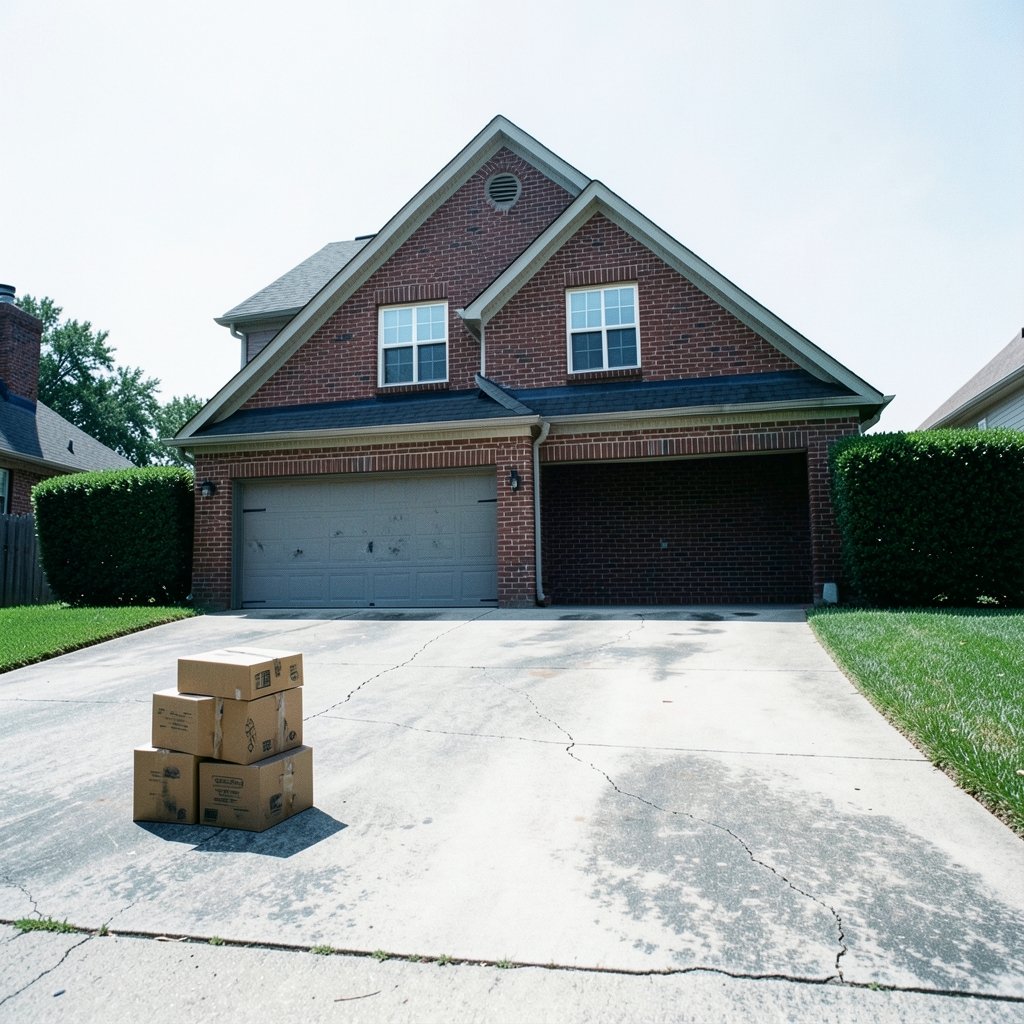
What if the suburb you keep hearing about has already grown up, filled in, and changed the math on moving there? That is the situation with Plano, Texas. It sits about 20 miles north of downtown Dallas, spreads across Collin and Denton counties, and had roughly 285,000 residents at the 2020 U.S. Census. It is one of the largest suburbs in the Dallas–Fort Worth metroplex, and it is no longer the cheap frontier it was in the 1990s. (Texas m vs texas inside lone star showdown rivalry)
That matters because most relocation advice about Plano is out of date. People quote prices from five years ago, assume every address feeds into one school district, and forget that Texas property taxes do the work that state income tax does elsewhere. This guide walks through the practical side of a Plano move: what things cost, how the commute really works, which mistakes trip people up, and what to check before signing anything.
Why Plano Keeps Showing Up on Relocation Lists
Plano‘s reputation rests on a few concrete things. The corporate base is real. Toyota Motor North America announced its U.S. headquarters move to Plano in 2014, and the campus opened around 2017. JCPenney called Plano home for decades before moving its headquarters to Dallas around 2020. That churn is normal, and it is worth checking current employer status rather than relying on a decade-old list.
The location is the bigger draw. Plano puts workers within reach of North Dallas, the Legacy business district, and Richardson’s Telecom Corridor. It also has a mature city footprint: parks, trails, the Arbor Hills Nature Preserve, and the Shops at Legacy and Legacy West developments. Plano’s own growth has slowed as it approaches build-out, with new growth shifting to Frisco and McKinney. For a relocating family, that is mostly good news. You are buying into a finished city, not a construction zone.
What It Actually Costs to Live in Plano

Housing is where most budgets live or die. Plano home prices rose substantially after about 2015 as DFW grew. Median sale prices have generally run above the national median but below the priciest inner-Dallas neighborhoods. Nobody should plan a move on a remembered number. Pull current Collin County and DFW market data before you set a budget.
Property taxes deserve their own paragraph. Texas has no state income tax, so local governments lean hard on property taxes. Collin County and Plano ISD both levy taxes, and homestead exemptions change the bill. A 2023 constitutional amendment raised the school-tax homestead exemption to $100,000, effective for the 2023 tax year. Rates get set annually by multiple taxing units, so two houses on the same street can carry different effective burdens once exemptions and assessed values are applied.
| Cost factor | What to expect | What to verify |
|---|---|---|
| Home prices | Above national median, below premium inner-Dallas areas | Current median sale price for your target ZIP |
| Property tax | No state income tax, higher local property tax | Current rates from Collin County and Plano ISD |
| Homestead exemption | School-tax exemption raised to $100,000 in 2023 | Whether you qualify and how to file |
| Commute | Varies widely by route and traffic | Actual drive or rail time at rush hour |
| Utilities | High summer cooling demand | Average bills for the specific home |
The School District Question Nobody Answers Simply
Plano is primarily served by Plano Independent School District, but portions of the city fall into Frisco ISD and Allen ISD depending on the address. This is the single most common relocation mistake: families tour a neighborhood, assume the district, and discover at closing that the boundary runs down the middle of a street.
District boundaries are address-specific. Use the district’s own boundary tool for every address you seriously consider, and do it before you make an offer. Enrollment, program availability, and campus capacity can also differ block to block. A house that looks identical to the one next door may feed a different campus.
Getting Around: Rail, Tollways, and Real Commute Times
Plano is served by Dallas Area Rapid Transit light rail on the Red Line, with stations including Parker Road and Downtown Plano. Major highways include US 75, the Dallas North Tollway, and the Sam Rayburn Tollway. That sounds convenient, and it often is, but convenience is route-specific.
The practical move is to test the commute yourself. Drive it on a Tuesday at 7:45 a.m. and again at 5:30 p.m. Ride the train from the station nearest your candidate neighborhood to your actual office. Commute times vary by route and traffic, and no single published figure captures the difference between a Tollway run and a surface-street crawl. If you are weighing a move against another state entirely, a side-by-side economic comparison helps frame the tradeoffs before you commit to a neighborhood.
Climate and the Cost of Comfort
North Texas has a humid subtropical climate with hot summers and mild winters. Frequent 100°F days are part of summer, and occasional ice events happen in winter. That shapes two budget lines people underestimate: cooling costs and insurance.
Older homes with aging HVAC systems can run noticeably higher summer bills than newer construction. Ask for twelve months of utility history on any specific house, not a citywide average. On the winter side, ice events are rare but disruptive, and North Texas drivers are not always prepared for them. Build a small buffer into your first winter for a day or two of canceled plans.
Renting First vs. Buying Immediately
Many relocating households face the same fork: rent for a year and learn the city, or buy right away. Both work, but they suit different situations.
- Rent first if your job location could change, if you have school-age children and need to confirm district boundaries, or if you have not yet experienced a North Texas summer.
- Buy immediately if you have a fixed office, a confirmed school assignment, and a budget that already accounts for property taxes at current rates.
- In either case, visit in July or August. A house that feels fine in March can feel very different at 103°F.
- Get the tax bill along with the listing price. Ask the seller or agent for the actual prior-year tax statement on the property.
Renting has a real cost: you may pay more monthly than a mortgage would run, and you lose a year of equity. Buying immediately has a real cost too: if you pick the wrong district or the wrong commute, moving again is expensive. The honest answer depends on how much uncertainty you are carrying into the move.
Budgeting Mistakes That Show Up Again and Again
Relocation budgets fail in predictable ways. The first is treating the mortgage payment as the whole housing cost. Property taxes, insurance, and HOA dues can add substantially, and in Texas the tax line is not small.
The second is forgetting the move itself. Deposits, utility hookups, temporary housing, and replacing things that do not survive the trip add up. If you are moving with a student, a realistic college money management plan is worth building before the first semester, because tuition timing and moving costs tend to collide.
The third is spending the whole budget on the house and leaving nothing for the first six months. A practical plan to stop spending money on things you do not need is easier to follow when it starts before the move, not after.
The fourth is skipping the unclaimed property check. People leave deposits, refunds, and old accounts behind when they move, and that money does not disappear. It goes to the state. A quick unclaimed money Texas search can turn up forgotten funds tied to a previous address, and it costs nothing to look. It is a five-minute task that occasionally pays for a new refrigerator.
How Plano Compares With the Rest of the Metroplex
Plano’s pitch is maturity. It has the corporate base, the parks, the rail line, and the finished retail districts. Neighboring cities offer newer housing stock and more construction, but less of the settled infrastructure. If you are comparing regions rather than suburbs, a full Michigan vs. Texas economic comparison shows how differently the two states tax and employ people, which matters more than most buyers expect.
| Consideration | Plano’s position | What it means for you |
|---|---|---|
| Housing stock | Mature, mostly built out | Less new construction, more renovation decisions |
| Employment | Large corporate base, DFW access | Shorter commutes for North Dallas and Legacy workers |
| Schools | Plano ISD primary, plus Frisco and Allen portions | Address-level verification is mandatory |
| Taxes | No state income tax, higher property tax | Budget on the tax bill, not the list price |
| Growth | Slowed as city approaches build-out | Stable neighborhoods, growth shifted to Frisco and McKinney |
Conclusion
A Plano relocation rewards preparation more than enthusiasm. The city has real advantages: a serious corporate base, a rail line into Dallas, a large parks system, and a location that puts much of North Dallas within reach. It also has real costs, and the biggest one is not the sticker price on a house. It is the property tax bill, the summer cooling bill, and the cost of getting the school district wrong.
Do the boring work first. Verify the district for the exact address. Pull the prior-year tax statement. Test the commute at rush hour. Visit in August. Check for unclaimed funds tied to your old address before you leave it behind. None of that is glamorous, and all of it is cheaper than moving twice.
Frequently Asked Questions
Is Plano, Texas a good place to relocate to?
For many households, yes. Plano offers a large corporate employment base, DART light rail service, an extensive parks system, and proximity to North Dallas and the Legacy business district. It suits people with a fixed job location in the northern metroplex. It suits people less well if their office is in Fort Worth or far south Dallas, where the commute becomes a daily cost.
Which school district serves Plano?
Plano is primarily served by Plano Independent School District, but portions of the city fall into Frisco ISD and Allen ISD depending on the address. Boundaries are address-specific, so families should check the district’s boundary tool for every property they consider before making an offer.
How high are property taxes in Plano?
Texas has no state income tax, so local governments rely heavily on property taxes. Collin County and Plano ISD both levy taxes, and rates are set annually by multiple taxing units. A 2023 constitutional amendment raised the school-tax homestead exemption to $100,000, effective for the 2023 tax year. Always request the actual prior-year tax statement for a specific property.
What is the commute like from Plano?
It depends entirely on your destination and route. Plano is served by DART’s Red Line, including stations at Parker Road and Downtown Plano, and by US 75, the Dallas North Tollway, and the Sam Rayburn Tollway. Commute times vary widely by route and traffic, so test your specific trip at rush hour rather than relying on averages.
Does Plano have hot summers?
Yes. North Texas has a humid subtropical climate with hot summers and frequent 100°F days, plus mild winters with occasional ice events. Cooling costs are a real budget line. Ask for twelve months of utility history on any specific home rather than relying on a citywide average.
What should I check before moving to Plano?
Four things top the list: the school district for the exact address, the prior-year property tax statement, the commute at rush hour on your actual route, and a visit during July or August. It is also worth running an unclaimed money Texas search before you leave your old address, since forgotten deposits and refunds often follow people to their new state.



