
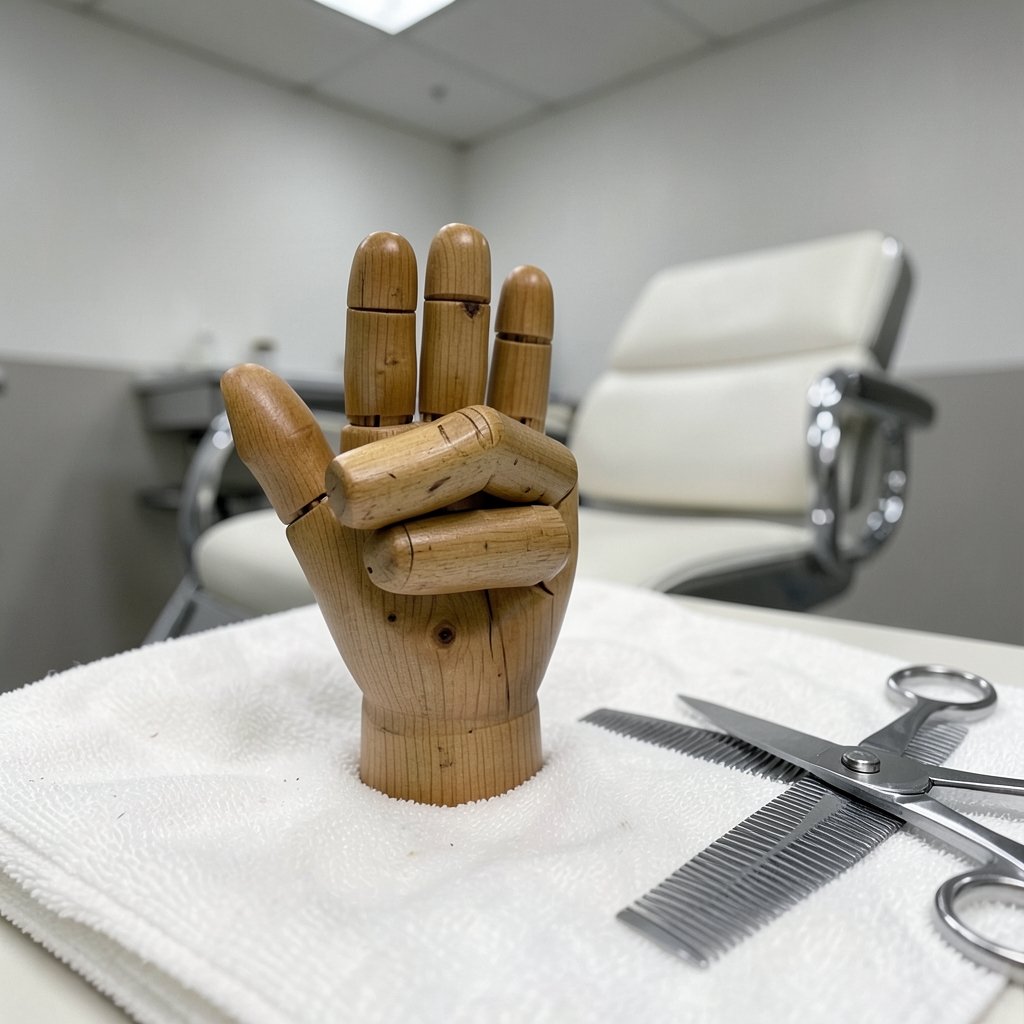
What does it mean when someone holds up a closed fist with the thumb tucked across the fingers? Most people would guess it’s a rude gesture or a signal to stop. In American Sign Language, it’s simply the letter S — and that small handshape opens a surprisingly large conversation about fingerspelling, grammar, and the two-handed systems used elsewhere in the world.
The phrase “s in sign language” gets searched for at least three different reasons. Some people want to spell their name. Some want to know how to sign the English word “is.” Others are confused about plurals. Each answer is different, and mixing them up is the most common mistake beginners make. Here’s the full picture, handshape by handshape.
The Basic Handshape: How to Form the Letter S
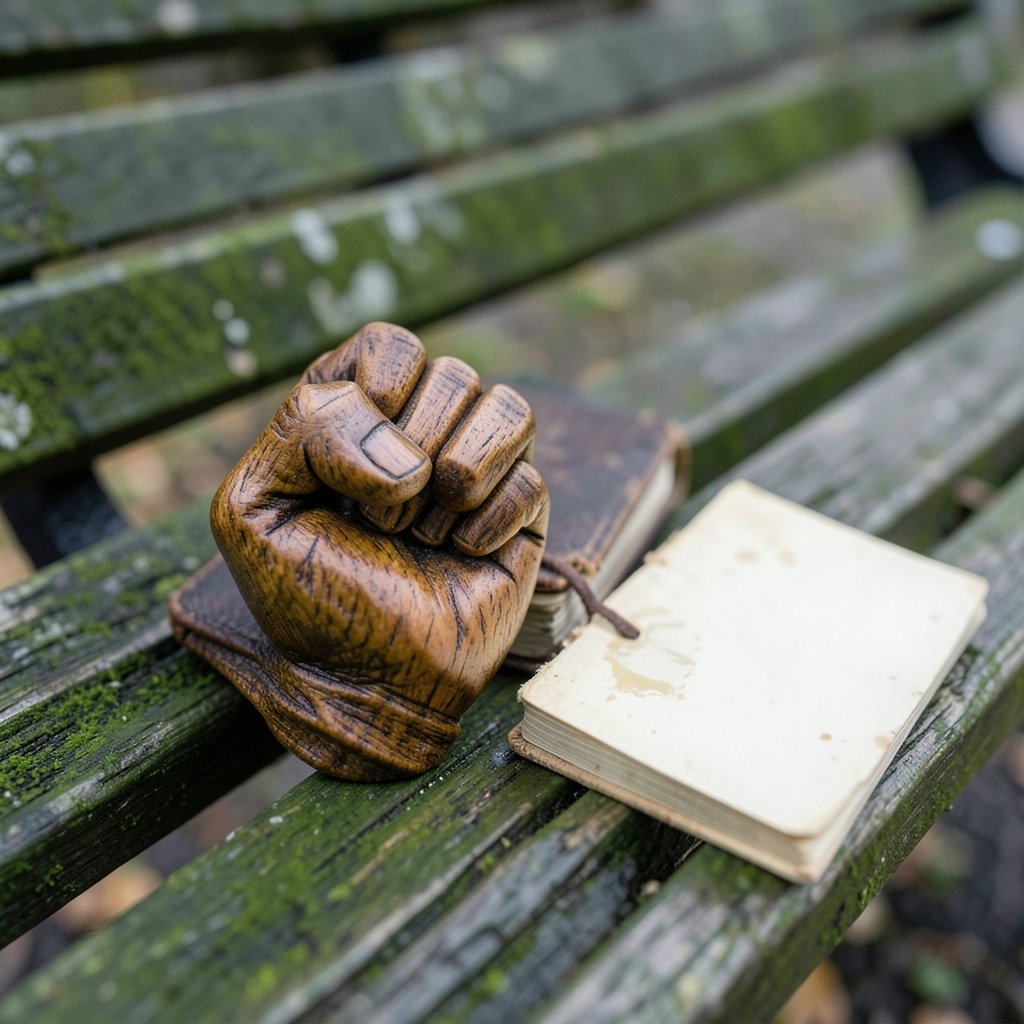
In American Sign Language (ASL), the letter S is made with a closed fist. The fingers curl into the palm, the thumb wraps horizontally across the front of the curled fingers, and the back of the hand typically faces the person reading it. The hand stays still — no movement, no wrist rotation.
A few practical details that trip people up:
- The thumb position matters. It rests across the middle joints of the fingers, not tucked underneath them and not pointing straight up. A thumb sticking up turns the shape into something closer to the letter A.
- Keep the fist relaxed. A white-knuckle grip looks tense and reads poorly at a distance. Loose but defined is the goal.
- Orientation is flexible in fingerspelling. Unlike many lexical signs, fingerspelled letters don’t have a strict orientation rule. The hand can tilt naturally as it moves through a word.
- Don’t rush it. Beginners tend to blur letters together. Clear beats fast every time.
Because S is a static handshape with no motion, it’s one of the easier letters to learn. The difficulty comes later, when it has to flow into neighboring letters inside a real word.
Fingerspelling vs. Signing a Word: Why the Distinction Matters
Fingerspelling is not the same as signing. Fingerspelling borrows the written alphabet of a spoken language and renders it letter by letter on the hands. Signing uses the vocabulary and grammar of a visual language with its own structure.
In ASL, fingerspelling is used for proper nouns, brand names, technical terms, and words that don’t have an established sign. It also appears in lexicalized fingerspelling, where a spelled word becomes so routine that it fuses into a single sign-like unit with its own rhythm. Common examples include shortened forms for job, bank, and early.
This is where the letter S earns its keep. It shows up constantly in names — Sarah, Sam, Susan, Stevens — and in acronyms. If someone’s name begins with S, that closed fist is the first thing a conversation partner sees.
The same logic applies to the technical side of computing, where letter-by-letter precision matters. Anyone who has worked through an SSH key plain language guide for secure remote login knows how much depends on getting a single character right. Fingerspelling rewards the same care.
The English Word “Is” Has No Direct Sign
Here’s the part that surprises people most. ASL does not have a sign for the English copula “is.” You cannot fingerspell I-S and expect it to function as a verb.
ASL handles the same job through grammar instead of vocabulary. A sentence like “She is tired” is typically expressed as a topic-comment structure: the subject is established, then the state is described. Facial expression, head position, and pacing carry the emphasis that English loads onto the verb “to be.”
This isn’t a gap or a limitation. Every language distributes meaning differently. English stacks work onto small function words; ASL moves that work into grammar and the face. Learners who keep hunting for a one-to-one sign for “is,” “the,” or “a” are fighting the language rather than learning it.
The same principle explains why ASL isn’t simply English performed with the hands. It’s a distinct language with its own syntax, and treating it as a code is one of the fastest ways to be misunderstood.
Plurals and Possessives: No “-S” to Add
English marks plurals with an S. ASL does not. There’s no letter you tack onto the end of a sign to make it plural.
Instead, ASL uses several other strategies:
| English Method | ASL Method | Example Pattern |
|---|---|---|
| Add “-s” | Repeat the sign | Signing BOOK twice for two books |
| Add “-s” | Numeral incorporation | A single sign that builds in “two” or “three” |
| Add “-s” | Plural pronoun or quantifier | Signing MANY or SEVERAL alongside the noun |
| Add “-‘s” | Possessive pronouns | Dedicated signs for MY, YOUR, HIS, HERS |
| Add “-‘s” | Body shift and eyegaze | Directing possession toward a person in space |
The repetition strategy is the one beginners notice first. Signing a noun twice in a smooth arc reads as plural, similar to how English speakers might say “books, books, books” for emphasis. Numeral incorporation is subtler: certain signs absorb a number directly into their handshape, so “two weeks” becomes a single production rather than three separate signs.
None of this involves the letter S. That’s the core takeaway. If you’re searching for how to make a word plural in sign language, the answer is grammar, not fingerspelling.
British Sign Language Uses Two Hands
Everything above describes ASL. British Sign Language (BSL) is a completely separate language, and its manual alphabet uses two hands for most letters. The BSL letter S involves both hands interacting, which makes it structurally different from the ASL version.
This trips up a lot of learners who watch a video online without checking which language it teaches. ASL and BSL are not dialects of one another. They’re mutually unintelligible, with different grammar, different vocabulary, and different alphabets. The same is true of other national sign languages, including Australian, Irish, and Japanese systems, each with its own conventions.
A quick checklist before you practice any handshape:
- Confirm which sign language the resource teaches.
- Check whether the alphabet is one-handed or two-handed.
- Note regional variation within the same country.
- Watch a native signer rather than a diagram when possible.
That last point matters more than beginners expect. Static images flatten the hand and hide depth, and a flat drawing of an S can look identical to a flat drawing of an A. Motion and angle reveal the difference.
Common Mistakes, and What Actually Works
After watching a lot of beginners, certain errors repeat. None of them are fatal, but each one slows progress.
Mistake one: bouncing between letters. New fingerspellers insert a small hop between each letter, breaking the word into pieces. Fluent fingerspelling flows as a continuous unit with rhythm. Practice spelling whole short words, not isolated letters.
Mistake two: over-tightening the fist. The S handshape gets clenched so hard the thumb disappears and the hand turns white. Keep it loose enough that blood still flows.
Mistake three: spelling words that already have signs. Fingerspelling “mother” when a dedicated sign exists looks amateurish. Learn the vocabulary first, then use fingerspelling for names and gaps.
Mistake four: ignoring the face. In ASL, facial expression is grammar, not decoration. A perfectly formed S with a blank face still fails to communicate clearly.
Mistake five: practicing only in a mirror. Mirrors reverse everything, which builds bad habits. Record yourself on video instead, or practice with a partner who reads sign.
What actually works is unglamorous: short daily practice, real conversation partners, and tolerance for looking clumsy for a few weeks. The letter S itself takes about thirty seconds to learn. Reading it fluently inside a stream of fingerspelled letters takes longer, and that’s normal.
Where the Letter S Fits in the Bigger Picture
Learning a single handshape is a small thing. But the question “what is S in sign language” tends to be a doorway. People who ask it often keep going — into fingerspelling fluency, into ASL grammar, into the realization that they’re learning a language rather than memorizing gestures.
That trajectory is worth naming, because it mirrors how people approach other technical subjects. Someone curious enough to ask what a large language model actually is usually ends up reading about tokenization and training data next. Curiosity compounds. So does the reverse: a shallow answer that stops at “it’s a fist” leaves the learner with a party trick and nothing more.
The deeper lesson from the letter S is that sign languages are not English on the hands. They have their own grammar, their own ways of marking time and number, and their own rules for what counts as clear. The closed fist is just the entry point.
For anyone deciding where to invest learning time more broadly, the same principle applies across fields: pick the thing you’ll actually use. A guide to the best programming language to learn makes a similar argument — the right choice depends on what you want to build, not on a ranking. Sign language works the same way. ASL is the right choice if you’re in the United States or Canada. BSL is the right choice in the United Kingdom. Neither is “better.”
Conclusion
The letter S in American Sign Language is a closed fist with the thumb wrapped across the front of the fingers. That’s the whole handshape, and it takes almost no time to learn. The confusion around it comes from somewhere else entirely: people searching for “s in sign language” are often really asking about the word “is,” or about plurals, or about which sign language they’re even looking at.
Each of those has a real answer. ASL has no sign for the copula “is” because grammar handles that work. ASL doesn’t add an S for plurals because repetition, numerals, and quantifiers do the job. And British Sign Language uses a two-handed alphabet, so its S looks nothing like the American version.
Get the handshape right, then get the language right. The fist is easy. Understanding why it doesn’t work like English is the part that actually makes someone understood.
What does the letter S look like in American Sign Language?
It’s a closed fist with the fingers curled into the palm and the thumb resting horizontally across the front of the curled fingers. The back of the hand typically faces the person reading it. The hand stays still, with no movement or rotation.
Is there a sign for the word “is” in ASL?
No. ASL does not use a sign for the English copula “is.” Sentences that would use “is” in English are built with ASL grammar instead, using topic-comment structure, facial expression, and pacing to carry the meaning that English loads onto the verb.
How do you make a word plural in sign language?
Not by adding an S. ASL marks plurality by repeating the sign, incorporating a number into the handshape, or pairing the noun with a quantifier like MANY or SEVERAL. Possession is shown with dedicated possessive pronouns rather than an apostrophe-S.
Is the letter S the same in British Sign Language?
No. BSL uses a two-handed manual alphabet, so its S involves both hands and differs structurally from the ASL version. ASL and BSL are separate, mutually unintelligible languages with different grammar and vocabulary, not dialects of one system.
Why do beginners struggle with fingerspelling if single letters are easy?
Because reading a stream of fingerspelled letters is a different skill from forming one handshape. Beginners tend to bounce between letters and spell too fast. Fluent fingerspelling flows as a continuous unit with rhythm, which only comes from practicing whole words with a real partner.
Can I learn sign language from videos and diagrams alone?
Diagrams help for static handshapes like S, but they flatten depth and hide motion, which makes similar letters hard to tell apart. Video from native signers is better, and practice with a fluent partner is better still. Always confirm which sign language a resource teaches before you follow it.



