
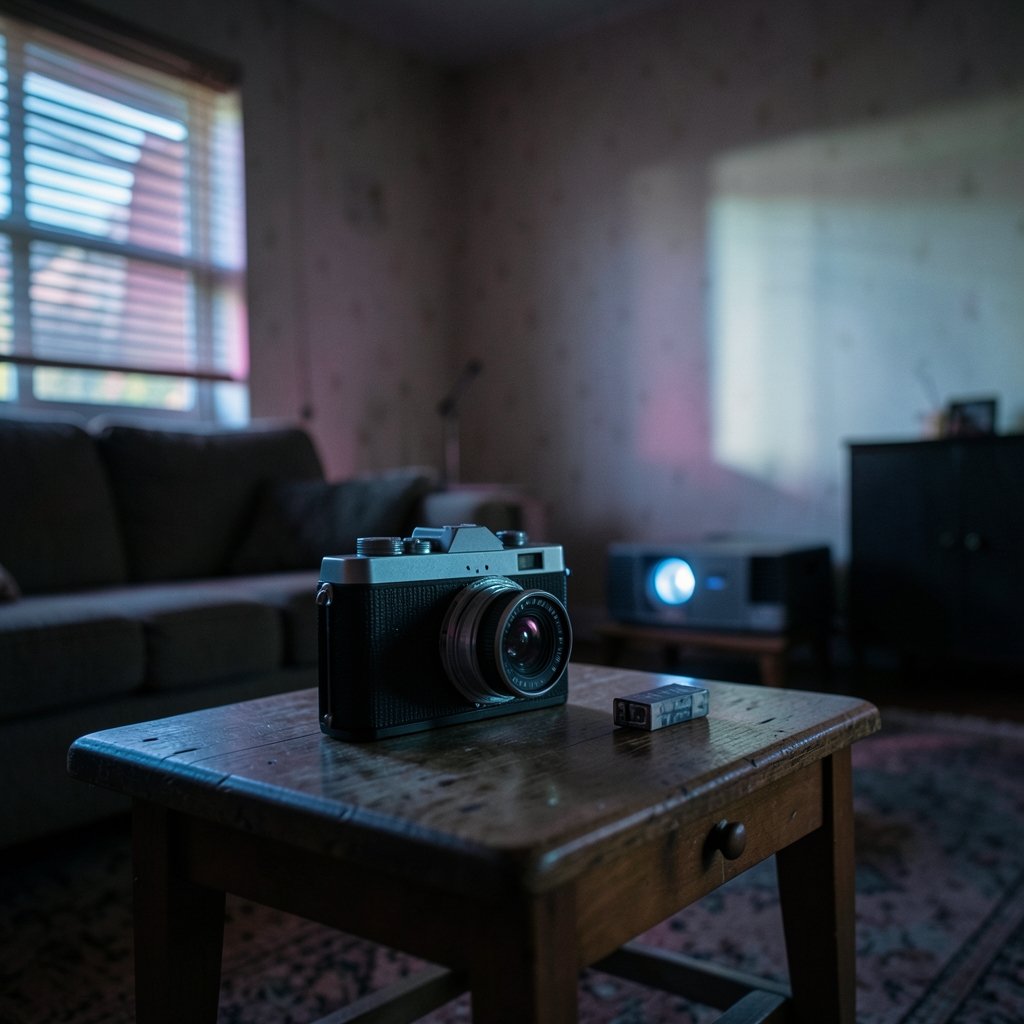
What makes a filmmaker choose a film format that most of the world abandoned in the 1980s? For a stubborn and growing group of directors, students, and hobbyists, the answer fits in the palm of a hand: a small plastic cartridge of 8 mm film that clicks into a camera and turns ordinary moments into something that looks like a memory.
A Super 8 filmmaker is anyone who shoots motion pictures on Super 8 film, whether as a weekend hobbyist, a film student learning exposure the hard way, or a professional chasing a texture that digital sensors still struggle to fake. The format is old, limited, and expensive per minute. It is also alive, and it rewards the people who understand its rules.
What Super 8 Actually Is
Kodak introduced Super 8 in 1965 as a consumer movie format. The film itself is 8 mm wide, but its perforations are smaller than those on the older Regular 8 system, which leaves a larger image area on the same gauge. That single design change is where the “Super” comes from.
The bigger shift was the cartridge. Regular 8 required threading film onto reels in a dark bag and flipping the spool halfway through. Super 8 arrived in a sealed plastic cassette that dropped straight into the camera. No threading, no flipping, no ruined rolls from a moment of clumsiness in the dark. That convenience is why the format took over home movie-making through the 1960s and 1970s.
The numbers a filmmaker needs to know are simple. Silent Super 8 runs at 18 frames per second. Sound film, which arrived with a magnetic sound stripe in 1973, runs at 24 fps. The frame is roughly 4:3. A standard cartridge holds 50 feet of film, which works out to about two and a half minutes at 18 fps or a little under three and a half minutes at 24 fps. That is not a typo. Every roll is short, and that shortness shapes how Super 8 filmmakers plan, shoot, and edit.
A competing cartridge system, Fujifilm’s Single-8, also appeared in 1965. It used a different cassette design and a thinner film base. Single-8 cameras and film are far rarer today, but the two formats are often discussed together because they solved the same problem for the same generation of shooters.
Why Anyone Still Shoots It
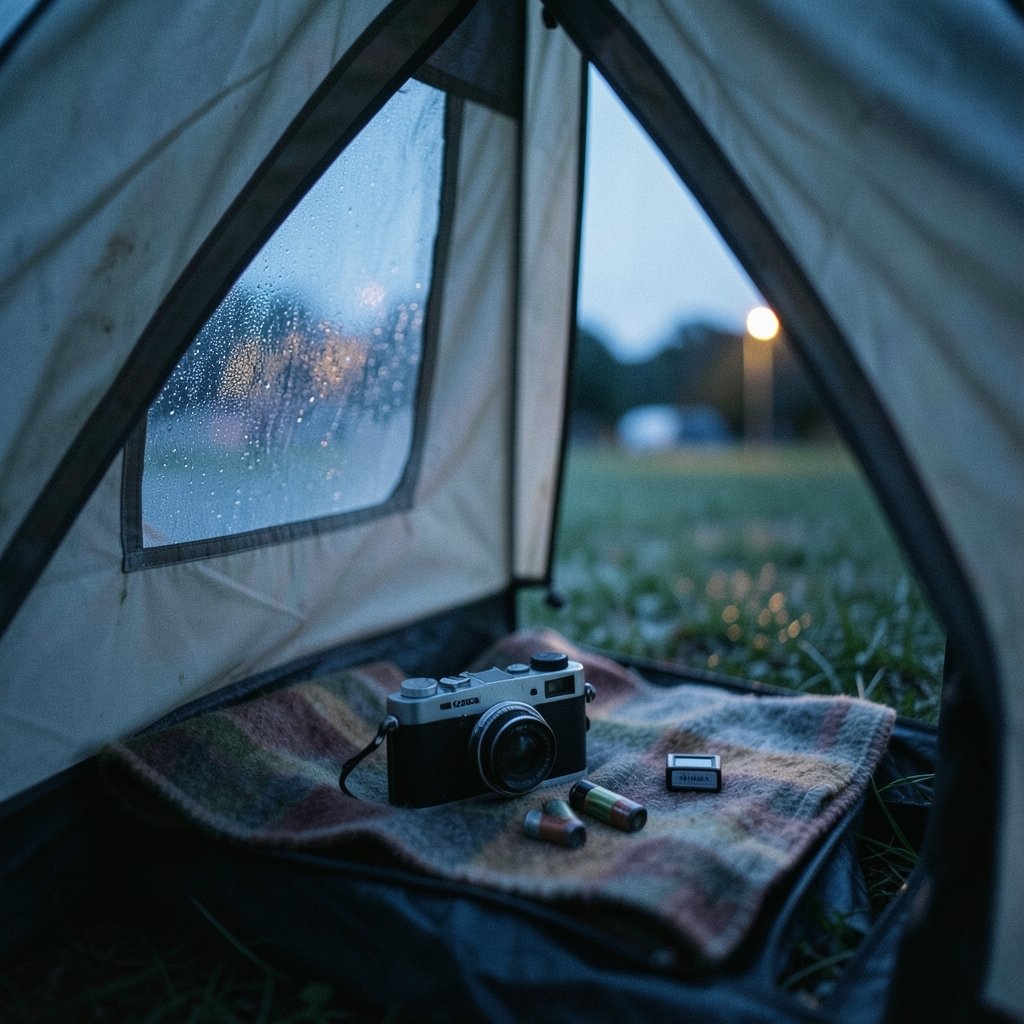
Super 8 looks like nothing else. The grain is visible and organic. Bright areas bloom softly. Colors shift in ways that no filter preset quite reproduces. When a director wants a scene to feel remembered rather than observed, Super 8 is a shortcut that works.
The format has a documented place in film culture. Steven Spielberg made amateur films on the format as a teenager, and J.J. Abrams has spoken about shooting on Super 8 early in his life. Both later lent their names to a 2011 feature titled, fittingly, Super 8. Music videos and narrative shorts still use it for inserts and dream sequences. The look carries meaning: it signals home movies, childhood, and the pre-digital past.
There is also a practical appeal for beginners. A Super 8 camera forces discipline. You cannot shoot forty minutes of coverage and sort it out later, because forty minutes of Super 8 would cost a small fortune. Every roll teaches you to think before pressing the trigger. That lesson transfers directly to digital work. Photographers who came up on film often describe the same effect, which is why guides to the best film cameras for beginners and returning shooters keep resonating with people raised on phones.
The Real Costs of Being a Super 8 Filmmaker
Nobody should enter this format without a clear picture of the money involved. The camera is usually the cheapest part. Film stock, processing, and scanning are where the budget goes, and they recur with every roll.
| Cost item | What to expect | Notes |
|---|---|---|
| Camera | Wide range, from bargain to collector prices | Tested bodies with working light meters cost more |
| Film stock | Moderate per cartridge | Color negative and black-and-white are the common options |
| Processing | Per roll, plus shipping | Fewer labs means shipping is often unavoidable |
| Scanning to digital | Per roll, varies by resolution | The step most beginners forget to budget |
| Batteries | Small but recurring | Many cameras use discontinued mercury cells |
The pattern that catches newcomers is simple: they buy a camera, shoot a roll, and then discover that developing and scanning cost more than the camera did. Before buying anything, price out a full cycle: film, processing, scan, and shipping both ways. Multiply by the number of rolls you plan to shoot in a year. If that number makes you wince, shoot fewer rolls and make each one count. That is not a compromise. It is the format’s whole personality.
Choosing a Camera That Actually Works
The secondhand market is full of Super 8 cameras, and a large share of them are broken in ways that are not obvious until the first roll comes back blank. Buyers should insist on a few checks.
- Confirm the motor runs. Batteries in, trigger pressed, listen for steady whirring. A grinding or stuttering sound is a warning.
- Check the battery compartment for corrosion. Leaked cells from decades ago are common and can destroy contacts.
- Look through the viewfinder. Cloudy, hazy, or dark optics usually mean fungus or separated cement, and repairs are rarely economical.
- Test the light meter if the camera has one. Many older bodies rely on batteries that no longer exist in the original chemistry, so ask what the seller uses as a substitute.
- Ask for a test roll. A seller who has actually run film through the camera recently is worth more than one with a mint-looking shelf queen.
- Decide whether you need sound. Sound cameras and sound-striped film are a niche within a niche. Most shooters today work silent and add audio in the edit.
The same discipline applies to gear in general: a modest, tested tool beats a fancy, untested one. Anyone who has chased a fussy machine knows the feeling, whether it is a temperamental camera or a coffee maker that overflows its filter basket on a Monday morning. Reliability wins.
Shooting: Exposure, Light, and the 18 fps Habit
Super 8 film has limited latitude compared with modern digital sensors. It forgives less in the shadows and blows out faster in the bright areas. The practical rule is to expose for the midtones and protect the brightest areas. Bright skies and windows will go white, so frame accordingly or use them deliberately.
Light is the other constraint. Most Super 8 cameras want a decent amount of it. Indoor scenes without strong lighting tend to come back dark and grainy. Shoot outdoors when you can, and when you cannot, plan for the light rather than hoping.
The frame rate decision matters more than beginners expect. Shooting at 18 fps gives the slightly sped-up, flickery feel many people associate with old home movies. Shooting at 24 fps gives smoother motion closer to what audiences expect from cinema. Pick one and stay consistent within a scene, because mixing rates in the edit looks like a mistake even when it is intentional.
The classic beginner error is treating Super 8 like digital video: long takes, lots of coverage, minimal planning. The format punishes that. The shooters who get the best results storyboard, rehearse, and shoot short, deliberate takes. Some plan each roll like a tiny film with a beginning, middle, and end.
Processing, Scanning, and the Digital Handoff
Once the roll is shot, the film must be developed and then transferred to digital video for editing. That two-step pipeline is where new filmmakers lose the most time. Fewer labs handle Super 8 than in its heyday, so shipping is normal, and turnaround times are measured in weeks rather than days.
A few practical habits make this stage smoother. Label every cartridge with the shoot date and any notes about exposure or frame rate, because by the time the scans arrive, memory will have blurred. Ask the lab what scan resolution it recommends and whether it offers a flat, ungraded scan, which gives more room to color correct later. Keep the original film. It is the master copy, and a good scan today can be redone at higher quality years from now.
The wait itself is a feature, not a bug. Filmmakers who shoot film often describe the delay as a forced pause that clarifies what they actually wanted. By the time the footage appears, the excitement of the shoot has faded and judgment is cooler.
Editing and the Look
In the edit, restraint pays. Super 8 footage is soft and grainy, so aggressive sharpening and heavy contrast make it look worse, not better. Gentle color correction, a light touch on the curves, and audio that carries the scene will do more than any plugin.
Sound deserves special attention because most modern Super 8 work is shot silent. Build the soundtrack deliberately: room tone, foley, music, and voice. A well-built sound design makes grainy footage feel intentional. A thin, untreated audio track makes it feel amateur.
There is also the question of how the footage sits alongside digital material. Many projects mix the two, using Super 8 for memory sequences, establishing shots, or texture inserts. Matching grain and color between formats is fiddly, but a simple approach works: treat the Super 8 as its own visual register rather than trying to make it look digital. Audiences accept the shift when it is consistent.
The Modern Super 8 Scene
Kodak has continued to manufacture Super 8 film, and in 2016 the company announced a new Super 8 camera aimed at filmmakers. Availability has been intermittent, so anyone planning a purchase should verify current status rather than assume. The announcement itself signaled something important: a major manufacturer still sees a market for the format, decades after videotape supposedly killed it.
That market is small but committed. Film schools still teach the format. Festivals program work shot on it. Labs stay in business because enough people keep sending cartridges through the mail. The community is the kind that shares lab recommendations, battery workarounds, and camera repair tips, because the infrastructure is thin enough that everyone benefits from helping.
The revival fits a broader pattern of analog persistence. People return to older tools not because they are better in any measurable sense, but because constraints produce a kind of attention that convenience erodes. A filmmaker with three minutes of film per roll thinks differently from one with a terabyte of storage. That difference shows up on screen.
Conclusion
Being a Super 8 filmmaker today is a deliberate choice, and it comes with real costs: short rolls, limited light latitude, weeks of waiting, and a budget that punishes carelessness. It also comes with a look and a discipline that are hard to get any other way. The format rewards planning, tested gear, and a willingness to shoot less but mean it more.
For anyone curious enough to try, the path is straightforward. Buy a camera that has been tested, price out a full roll before committing to a project, shoot deliberately at a consistent frame rate, and treat the wait for processing as part of the craft. Kodak’s cartridge has outlasted several predictions of its death. The filmmakers who keep it alive know exactly why.
Frequently Asked Questions
How much does it cost to shoot one roll of Super 8?
The film itself is only part of the total. A realistic budget for a single roll includes the cartridge, processing, scanning to digital, and shipping in both directions. Because lab prices and scan resolutions vary widely, the reliable approach is to price a full cycle with a specific lab before buying film in bulk. Most beginners are surprised that processing and scanning together often exceed the cost of the stock.
Is Super 8 film still made?
Yes. Kodak has continued to manufacture Super 8 film, and the company announced a new Super 8 camera in 2016 aimed at filmmakers. Availability of both film stocks and the camera has been intermittent at times, so buyers should confirm current stock with a reputable dealer rather than assuming steady supply. The format is niche but not discontinued.
What is the difference between Super 8 and Regular 8?
Both use film that is 8 mm wide, but Super 8 uses smaller perforations, which leaves a larger image area and produces a sharper picture. The bigger practical difference is the cartridge. Super 8 comes in a sealed plastic cassette that drops into the camera, while Regular 8 requires manual threading and flipping the spool halfway through the roll. Super 8’s convenience is a large part of why it replaced the older system. (Atari Gamestation Go vs Super Pocket: 2027 Workflow Guide)
How long is a Super 8 cartridge?
A standard cartridge holds 50 feet of film. At the silent speed of 18 frames per second, that runs about two and a half minutes. At the sound speed of 24 frames per second, it runs a little under three and a half minutes. That short running time is the single biggest constraint on how Super 8 filmmakers plan a shoot.
Can I record sound on Super 8?
Yes, but only with the right combination of camera and film. Kodak introduced a sound cartridge with a magnetic sound stripe in 1973, and sound cameras record directly onto the film. Most shooters today work silent and build the soundtrack in post-production, which is often cheaper and gives more control over the final mix.
Why do directors still choose Super 8?
The look is the main reason. Visible grain, soft bright areas, and shifting color give footage a texture that reads as memory or nostalgia, and digital presets struggle to reproduce it convincingly. The format also imposes discipline, since every roll is short and expensive, which forces planning. Directors including Steven Spielberg and J.J. Abrams have cited the format as formative, and it still appears in music videos and narrative shorts for exactly these reasons.



