
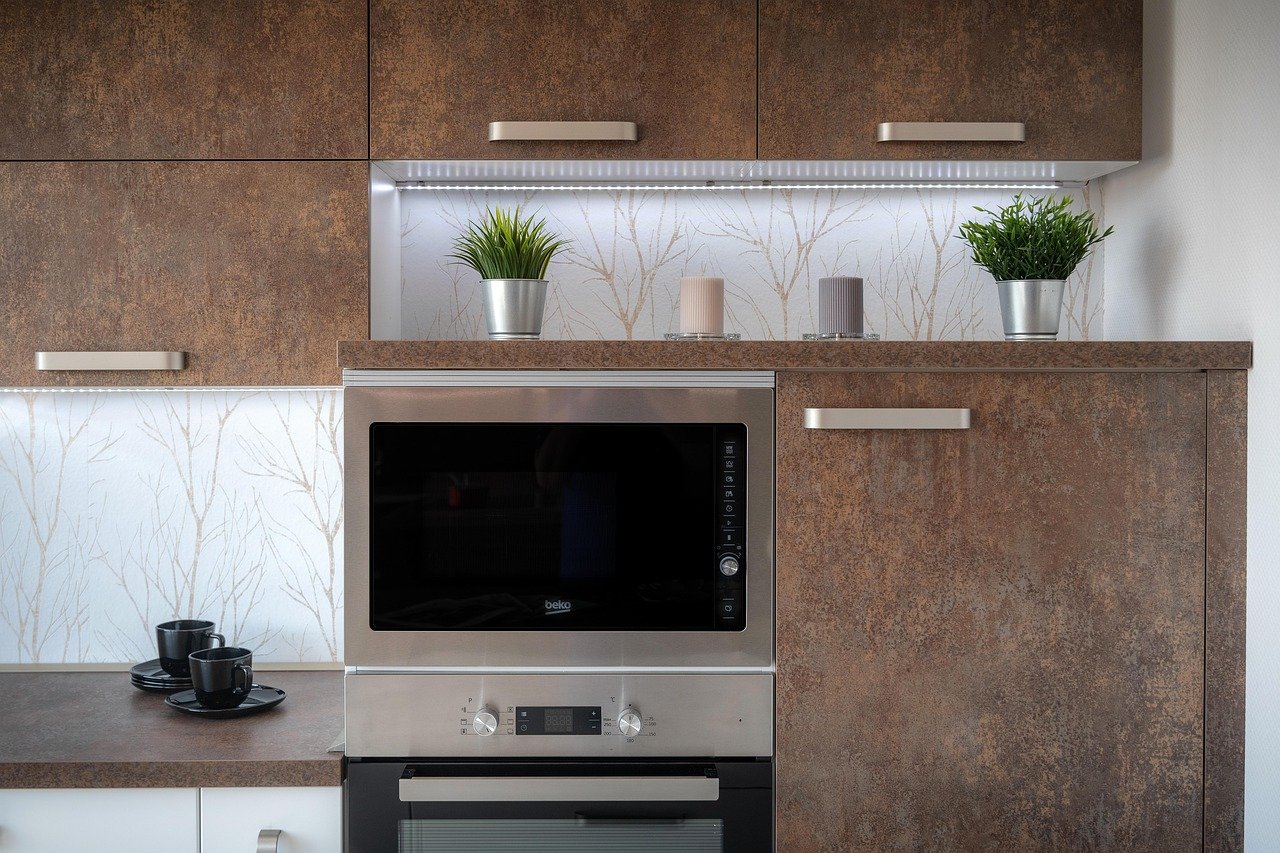
What makes a cabinet door look calm, expensive, and quietly modern without a single coat of colored paint? For a growing number of homeowners, the answer is white oak. Walk through any new kitchen build or renovation showroom and you will see it: pale, straight-grained doors with a soft matte finish that seems to glow rather than shine. But white oak cabinets are also expensive, easy to get wrong, and often misunderstood. This guide breaks down what the wood actually is, how the cuts differ, what finishes work, and the mistakes that turn a beautiful slab into a regret.
What White Oak Actually Is
White oak is a North American hardwood, botanically Quercus alba, and it belongs to a larger white oak group that also includes several European species. That distinction matters, because cabinet marketing often blurs the two. When a showroom says “white oak,” ask which species and where it was grown. American white oak and European white oak can look similar but differ in grain tightness, color, and price.
The wood itself is heavy, hard, strong, and stiff. The U.S. Forest Service’s Wood Handbook classifies it among the denser domestic hardwoods, with good resistance to wear. That is exactly why it shows up in flooring and furniture as well as cabinetry. It takes a beating and keeps its shape.
One more thing worth clearing up: “white oak” is a species name, not a color guarantee. The heartwood ranges from light brown to pale yellow, and boards vary from tree to tree. If you expect a uniform snowy white, you will be surprised. The charm is in the variation, not despite it.
The Grain Story: Why White Oak Looks the Way It Does
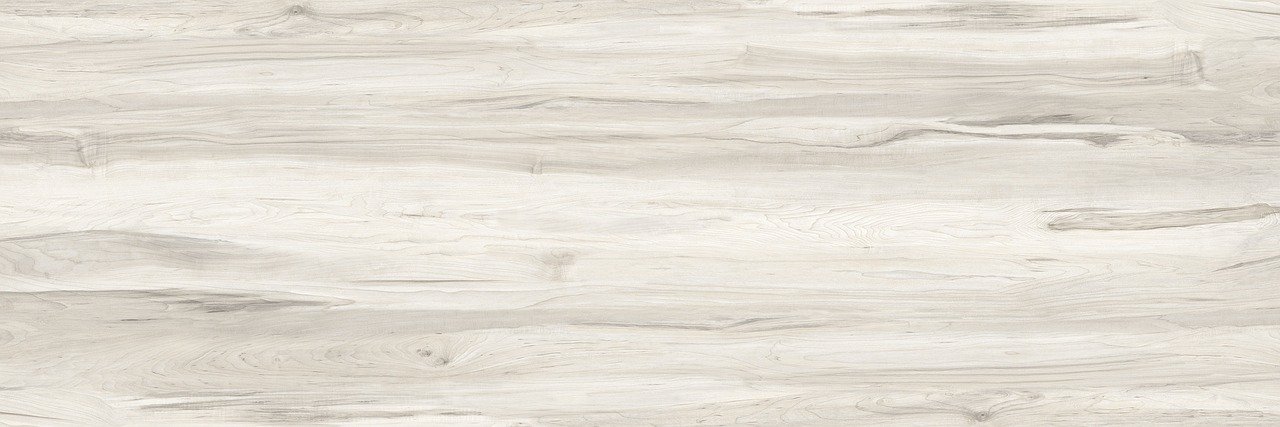
White oak is a closed-grain wood. Its pores are plugged with structures called tyloses, which is why it resists water and rot better than red oak and why it sands and finishes to a smoother surface. That closed grain is the reason a painted or stained white oak door looks cleaner than the same treatment on red oak, where open pores drink finish unevenly.
Then comes the cut, and this is where most of the visual drama lives.
| Cut | Grain Appearance | Typical Cost | Best For |
|---|---|---|---|
| Plain-sawn | Prominent “cathedral” arches and swirls | Lowest | Rustic, organic, farmhouse looks |
| Rift-sawn | Straight, linear, quiet grain | Mid to high | Modern, minimal, flat-slab doors |
| Quarter-sawn | Straight grain with ray flecks | Highest | Traditional and Arts and Crafts styles |
Rift-sawn and quarter-sawn white oak are milled specifically to produce straight, linear grain and to reduce the bold cathedral figure of plain-sawn boards. The trade-off is yield: straight-grain cuts waste more of the log, so they cost more. If a quote for “rift-sawn white oak” comes in suspiciously close to plain-sawn pricing, ask for the mill ticket or a sample. This is one of the most common places buyers get quietly downgraded.
Why Designers Keep Specifying It
White oak sits in a sweet spot. It is warmer than painted MDF, more restrained than walnut, and far less trendy than the gray-washed oak that dominated the 2010s. It reads as natural without shouting. A natural or whitewashed finish lets the grain show through, while a clear matte topcoat keeps fingerprints and glare down.
There is also a practical angle. Solid white oak fronts are generally durable and repairable. Unlike some veneers, they can be sanded and refinished years down the line if a finish dulls or a door gets scratched. That repairability is a real long-term value, even if the upfront price stings.
If you are pairing oak cabinets with under-cabinet lighting, pay attention to how the light behaves. A bare LED strip can throw visible dots and harsh glare across a pale wood surface. An LED strip diffuser for kitchen cabinets smooths that light into an even wash, which flatters the grain instead of fighting it. And if your renovation also touches the walls, it helps to know that a projector screen white wall treatment is a different finish conversation entirely, so keep wall paint and cabinet finish samples side by side before committing.
How to Choose a Finish That Ages Well
Finish is where white oak projects succeed or fail. A few practical rules:
- Decide the color direction first. Natural, whitewashed, or a light stain each shift the look dramatically. Get large samples, not tiny chips.
- View samples in your own light. North-facing kitchens make oak look gray; warm afternoon light makes it look golden.
- Choose sheen deliberately. Matte and low-sheen finishes hide dust and fingerprints; high gloss amplifies every flaw in the wood and the light.
- Ask what the topcoat is. Conversion varnish and catalyzed lacquer hold up better in kitchens than basic polyurethane.
- Test a cleaning routine before you need it. Mild soap and water, no harsh abrasives.
The same discipline applies to adjacent surfaces. If you plan to paint kitchen cabinets in an island or a pantry, prep and topcoat quality matter just as much as on the oak fronts, and a smooth, durable finish is what keeps the two materials looking intentional together.
Sourcing, Sustainability, and Indoor Air
White oak is managed under U.S. forest practices, and certification schemes like the Forest Stewardship Council verify responsibly sourced wood. Buyers who care about provenance can ask for certified stock and request documentation. It is a reasonable question, and reputable suppliers answer it without flinching.
Indoor air is the other half of the story. Cabinet boxes, shelves, and drawer cores are usually plywood or MDF, and the adhesives in composite wood can emit formaldehyde. Federal rules regulate emissions from composite wood products, and those rules apply to the cabinet box, not the solid oak faces. If indoor air quality matters to you, ask for low-emission box construction and confirm the panel supplier’s compliance. This is a case where the pretty part of the cabinet is not the part that affects your air.
Common Mistakes Buyers Make
Most white oak regrets trace back to a handful of avoidable errors.
Mistaking species for color. Assuming “white oak” means white leads to disappointment when the boards arrive honey-toned. Clarify the species and the finish target in writing.
Skipping the cut conversation. Plain-sawn and rift-sawn look completely different on a large door. Decide the grain character before you sign.
Ordering too little material. Natural variation means you need extra boards for layout and matching. Short orders force compromises on grain continuity.
Ignoring the box. A gorgeous oak face on a poorly built box with soft hinges is a wasted investment. Check drawer glides, hinge quality, and shelf thickness.
Choosing a finish that cannot be repaired. Some factory finishes are beautiful but difficult to touch up. Ask how a scratch gets fixed.
Forgetting the rest of the room. Oak cabinets set the tone for floors, counters, and backsplash. If your white surfaces are already showing wear, deal with them first. Knowing how to get rid of white spots on a phone is a small thing, but the same instinct applies: fix the surface issues before layering new materials on top. In wet rooms, hard water can also leave a chalky film on tile and fixtures, and the fix for humidifier hard water and white dust is worth understanding if your kitchen shares a wall with a bathroom.
White Oak vs. the Alternatives
A quick comparison helps put the price premium in context.
| Material | Durability | Repairability | Cost Position | Look |
|---|---|---|---|---|
| White oak (solid) | High | High (sandable) | Mid to high | Natural, linear, warm |
| Red oak | High | High | Lower | Open grain, pinker tone |
| Maple | High | High | Mid | Fine, even, pale |
| Walnut | High | High | High | Dark, dramatic |
| Thermofoil / laminate | Moderate | Low | Low | Uniform, flat |
White oak typically costs more than red oak and common domestic hardwoods, and less than premium exotics. Rift-sawn and quarter-sawn carry an additional premium. Pricing shifts constantly, so treat any figure you see online as a starting point, not a quote.
Caring for White Oak Cabinets
Maintenance is refreshingly simple. Wipe with a damp cloth and mild soap, dry promptly, and avoid abrasive pads and ammonia-heavy cleaners. Keep the finish out of standing water, especially around the sink and dishwasher. Every year or so, check door alignment and tighten hardware. If the finish dulls in high-touch zones, a professional can refresh those areas without refinishing the whole kitchen. For a broader look at keeping pale surfaces clean and streak-free, the same principles that help you clean a whiteboard so it stops ghosting apply here: gentle products, consistent routine, no aggressive scrubbing.
A Note on Resale and Longevity
White oak is not a flash-in-the-pan finish. Oak has been a traditional cabinet and furniture wood in Europe and North America for centuries, and white oak specifically played a major role in American shipbuilding and cooperage long before it became a kitchen staple. That history gives it a kind of permanence that trend-driven materials rarely achieve. Buyers recognize it, and a well-executed oak kitchen tends to hold its appeal longer than a boldly colored one.
That said, longevity depends on execution. Grain matching, consistent finish sheen, and quality hardware matter more than the species label. A poorly matched oak kitchen will look dated faster than a well-built painted one.
Conclusion
White oak cabinets reward buyers who do their homework. The wood is hard, closed-grain, and repairable, which makes it a sound long-term choice. The look is calm and natural, which keeps it relevant across changing trends. But the details decide everything: which species, which cut, which finish, and which box behind the door. Get those right and you end up with a kitchen that feels warm, quiet, and built to last. Get them wrong and you pay a premium for a compromise. Ask the uncomfortable questions at the showroom, request real samples, and put the specification in writing. Your future self, sanding a scuff out of a solid oak door ten years from now, will thank you.
Frequently Asked Questions
Is white oak good for kitchen cabinets?
Yes. White oak is hard, heavy, and resistant to wear, and its closed grain takes finish smoothly. Solid oak fronts can also be sanded and refinished, which extends the life of the kitchen considerably.
Does white oak furniture mean the cabinets will be white?
No. White oak is a species name, not a color. The wood ranges from pale yellow to light brown, and boards vary naturally. A whitewashed or stained finish can lighten it, but the natural tone is warmer than pure white.
What is the difference between rift-sawn and plain-sawn white oak?
Plain-sawn boards show bold arched “cathedral” grain. Rift-sawn boards are cut to produce straight, linear grain with far less figure. Rift-sawn costs more because the milling yields less usable wood per log.
Are white oak cabinets expensive?
They sit above red oak and common domestic hardwoods but below premium exotics. Rift-sawn and quarter-sawn versions carry a further premium. Prices change often, so always get a current quote rather than relying on figures from older articles.
How do you clean white oak cabinets?
Use a damp cloth with mild soap, then dry promptly. Avoid abrasive pads, bleach, and ammonia-based cleaners. Keep standing water away from the finish, particularly near the sink and dishwasher.
Do white oak cabinets work with modern or traditional kitchens?
Both. Rift-sawn white oak with a matte finish suits modern, minimal designs, while quarter-sawn oak with visible ray flecks fits traditional and Arts and Crafts styles. The cut and finish, more than the species, determine the style.



