
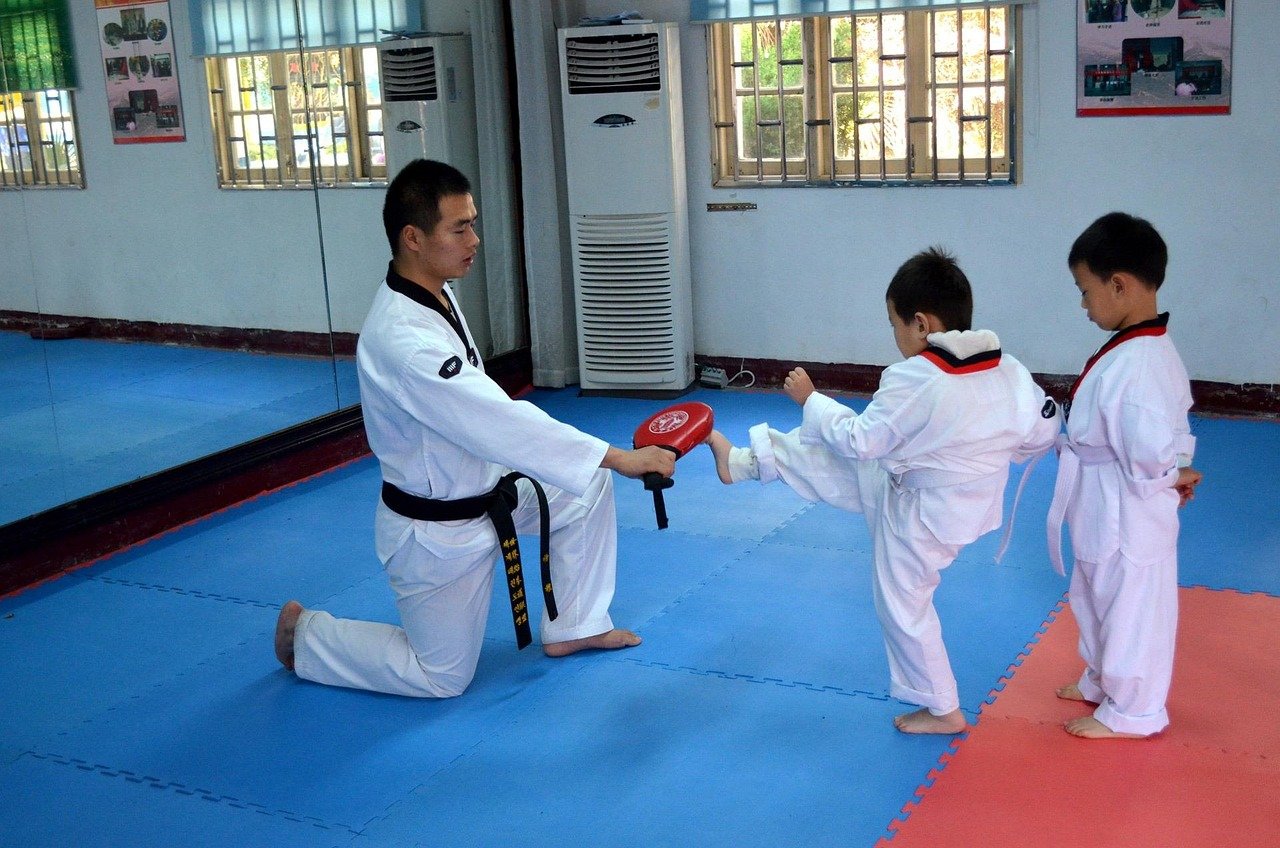
Ever wondered why a taekwon class can leave a beginner grinning in the first ten minutes and completely lost by the thirtieth? The room is loud, everyone bows, someone counts in Korean, and the person next to you is doing a kick that seems to bend physics. It looks chaotic from the doorway. It isn’t. A good class follows a rhythm that has barely changed in decades, and once you understand that rhythm, the whole thing clicks into place.
This guide walks through what a typical taekwon class involves, how ITF-style classes differ from the Olympic taekwondo most people see on TV, what to bring, and the mistakes newcomers make over and over. It assumes “taekwon class” means Taekwon-Do training in the International Taekwon-Do Federation tradition, which is the most common reading. If your local school says “taekwondo” instead, most of this still applies, with a few rule differences worth knowing.
ITF Taekwon-Do vs Olympic Taekwondo: The Split That Shapes Every Class
The name confusion is real. Taekwon-Do was developed in Korea in the 1940s and 1950s, and General Choi Hong Hi is credited with coining the name, which was adopted around 1955. He went on to found the International Taekwon-Do Federation in 1966. A separate body, World Taekwondo (originally the World Taekwondo Federation), was founded in 1973 and is the organisation behind the Olympic sport. Taekwondo became a full Olympic medal event at Sydney 2000 after appearing as a demonstration sport in 1988 and 1992.
That history matters inside the training hall, because the two traditions teach different patterns, score sparring differently, and even organise ranks differently. Here is the practical comparison:
| Feature | ITF Taekwon-Do class | Olympic-style (World Taekwondo) class |
|---|---|---|
| Patterns | Called tul, with 24 in the ITF syllabus | Called poomsae |
| Sparring | Typically semi-contact or light-contact, scored by points | Full-contact, scored electronically |
| Rank structure | Commonly 10 geup (coloured belts) plus 9 dan (black belts) | Its own belt and poom/dan system, often adapted by school |
| Competition path | ITF tournaments and patterns events | Olympic pathway and World Taekwondo events |
| Typical class focus | Technique precision, patterns, line work | Footwork speed, sparring drills, sport tactics |
Neither is “better.” An ITF class tends to reward clean technique and pattern memory, while an Olympic-style class leans harder into athletic sparring. Many schools blend elements, so ask directly before you sign up which federation they follow.
The Anatomy of a Taekwon Class
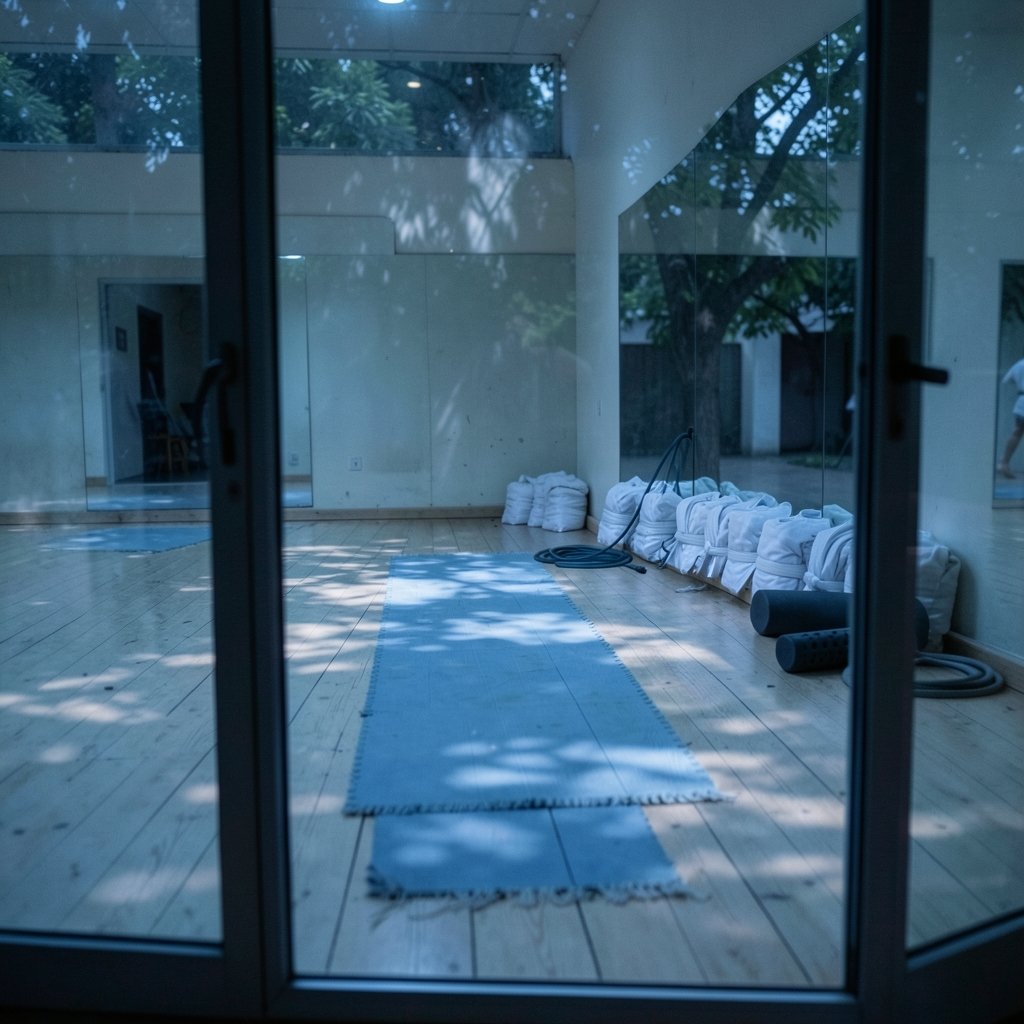
A typical session runs 60 to 90 minutes and follows a fixed sequence. Structure varies by school, but the general shape is consistent enough that you can walk into almost any dojang and recognise what is happening.
1. The opening ritual
Students line up by rank, the instructor enters, and the class bows. You will hear Korean commands such as charyeot (attention), gyeongnye (bow) and junbi (ready). Romanisation and usage vary from school to school, so don’t panic if the spelling on the wall chart looks different from what you read online. The ritual is not decoration. It signals that training time has started and sets the tone for focus.
2. Warm-up and conditioning
Expect joint rotations, light jogging, dynamic stretches and bodyweight work. Some classes add press-ups, squats or core drills. This is the part beginners try to rush through, and it is the part that protects them. Cold muscles and high kicks do not mix.
3. Fundamental techniques
The class drills basics in lines: stances, blocks, punches, strikes and kicks. A beginner might spend weeks on a front stance and a low block before anything flashy appears. That is normal and intentional. Instructors watch for knee alignment, hip rotation and balance, because a sloppy basic repeated a thousand times becomes a permanent habit.
4. Patterns (tul)
Patterns are choreographed sequences of techniques against imaginary opponents. The ITF syllabus contains 24 tul, and each one maps to a belt level. Patterns look like a solo dance to outsiders and feel like a memory test to insiders. They teach transitions, breathing control and precision in a way sparring never can.
5. Sparring
Depending on the school and your rank, sparring might be step-sparring, semi-free sparring or free sparring. ITF sparring is generally light-contact and point-scored, which means control matters as much as speed. Beginners usually start with drills and pads rather than full exchanges. If you are worried about getting hit, say so early. Good instructors stage contact gradually.
6. Cool-down and close
The class winds down with stretching and often a short talk from the instructor, then a closing bow. Some schools finish with a chant or a few words on the tenets of Taekwon-Do. It is a deliberate bookend to the opening ritual.
What to Bring and Wear to Your First Class
You do not need much, and you should not buy much. Most schools lend a uniform for the first few sessions or let you train in loose sportswear. Here is a sensible starter list:
- Loose, stretchy trousers and a plain t-shirt for the trial period.
- A water bottle, because 90 minutes of kicking is thirsty work.
- A small towel and shower kit if the school has changing rooms.
- Trimmed fingernails and toenails, which is not a fashion note but a safety rule.
- A notebook or phone note for Korean terms and pattern steps, which saves weeks of confusion.
Hold off on buying a dobok (uniform) and belt until the instructor confirms you are staying. Some schools require a specific federation-approved uniform, and buying the wrong one wastes money. If you are also juggling kit decisions for other hobbies, the same logic applies to gear like memory cards for a camera: match the specification to what you actually do, not to the most expensive option on the shelf, as this breakdown of SD card speed classes explains.
Belt Ranks: Why Nothing Is Universal
Belt systems differ between ITF and World Taekwondo, and they differ again between individual schools. ITF commonly uses 10 geup ranks in coloured belts followed by 9 dan ranks in black, but many schools adapt, add stripes or insert extra levels. A green belt at one dojang may not mean the same thing at the school across town.
The practical takeaway: ask your instructor for a printed syllabus and grading dates on day one. Gradings usually involve a fee, a pattern, a set of techniques, sparring and sometimes a theory question or two. Knowing the requirements months ahead turns a stressful test into a checklist.
Common Mistakes Beginners Make
Most problems in the first few months are avoidable. These come up again and again:
- Chasing the flashy kick. Beginners copy spinning techniques from video before their balance is ready. Instructors would rather see a clean front kick than a wobbly tornado kick.
- Training through pain. Sore muscles are normal. Sharp joint pain is not. Taekwondo places heavy demands on the lower limbs and head, which is why competition rules require protective equipment such as headgear, chest protectors and shin and forearm guards in sparring. Speak up early instead of limping for a week.
- Skipping the warm-up. Arriving late and jumping straight into kicks is the fastest route to a pulled hamstring.
- Ignoring the Korean vocabulary. Terms are used constantly in class. Learning ten words a week pays off fast.
- Comparing yourself to the black belts. They have been doing this for years. Compare yourself to last month’s version of you.
- Not asking questions. Instructors expect them. Silent confusion is the only real mistake.
How to Choose a Taekwon Class That Fits You
Not every school suits every person, and a trial class tells you more than any website. Use these checks:
| What to check | Why it matters |
|---|---|
| Federation affiliation | Tells you which patterns, sparring rules and gradings apply |
| Instructor credentials and first-aid training | Directly affects safety and teaching quality |
| Class size and beginner ratio | Smaller groups mean more correction |
| Sparring policy for beginners | Contact should ramp up gradually, not on day one |
| Grading costs and frequency | Avoids surprise expenses later |
| Trial policy | A free or low-cost trial is standard in most places |
Watch a class before joining if you can. Look at how the instructor treats the least confident student in the room. That tells you more about the culture than the trophies by the door.
Training at Home Between Classes
Progress comes from frequency, not from heroic single sessions. Twenty minutes three times a week beats one exhausting two-hour session. Useful home practice includes stance drills, slow repetitions of your current pattern, hip mobility work and light cardio. Skip high-impact jumping on hard floors and skip unsupervised sparring entirely.
If you are a student balancing training with coursework, the same lesson about focus applies in the classroom. Tools only help when they remove a real obstacle, a point that holds for classroom screen tools just as much as for a kick pad. And if you are a teacher thinking about how to hold a room’s attention, the way a taekwon instructor structures a session is a masterclass in pacing: short bursts, clear cues, immediate feedback.
The Culture You Are Joining
Taekwon-Do classes carry a strong etiquette code. You bow to the instructor, to senior students and to the training space. You address instructors formally. You do not walk behind a line of students mid-drill. These rules can feel stiff to newcomers from casual gym backgrounds, but they do a job: they keep a room full of people kicking near each other’s heads calm and predictable.
The culture also explains why so many people stay for years. Classes mix ages and ranks, and senior students are expected to help beginners. That mentoring loop is why a good dojang feels less like a fitness class and more like a club with a shared language. If you enjoy the way niche communities build their own rituals, you will recognise the same energy in fan cultures, like the way a classic film festival lineup turns strangers into a regular crowd.
Conclusion
A taekwon class is a structured hour or so of warm-up, basics, patterns, sparring and cool-down, wrapped in etiquette that has survived for decades. The ITF and Olympic traditions differ in patterns, sparring rules and rank systems, and individual schools differ again, so the single most useful thing a beginner can do is ask which syllabus the school follows and what the grading path looks like. Bring water, trim your nails, learn ten Korean terms, and resist the urge to attempt a spinning kick in week one. Do that, and the class that looked chaotic from the doorway starts to feel like a map you can read.
Frequently Asked Questions
What is a taekwon class?
A taekwon class is a training session in Taekwon-Do, usually following the International Taekwon-Do Federation tradition. A typical session includes a formal opening, warm-up and conditioning, fundamental technique drills, patterns called tul, sparring practice and a cool-down. Sessions usually run 60 to 90 minutes.
Is Taekwon-Do the same as taekwondo?
They share the same roots but are not identical in practice. Taekwon-Do is associated with General Choi Hong Hi and the International Taekwon-Do Federation, founded in 1966. Olympic taekwondo is governed by World Taekwondo, founded in 1973, and became a full medal sport at Sydney 2000. The two use different patterns, sparring rules and often different rank structures.
Do I need to be flexible to start a taekwon class?
No. Flexibility builds through consistent training, and most schools scale kicks to your current range. Beginners spend early weeks on stances, basic kicks and mobility work. Pushing into high kicks before your body is ready is one of the most common causes of avoidable strain.
How long does it take to earn a black belt?
It varies widely by school and how often you train. Because belt systems are not standardised across schools, there is no universal timeline. Ask your instructor for the grading schedule and typical progression for students who train two or three times a week.
What should I wear to my first class?
Loose, stretchy sportswear and a plain t-shirt are fine for a trial session, along with a water bottle. Most schools wait before asking you to buy a uniform, since some require a specific federation-approved dobok. Trim your nails before class as a basic safety habit.
Is sparring compulsory in a taekwon class?
Not usually, and certainly not at full contact for beginners. Many schools start with pad work and step-sparring drills, then introduce free sparring gradually. Competition rules require protective equipment such as headgear, chest protectors and shin guards, so ask about the school’s policy and equipment before your first sparring session.



