
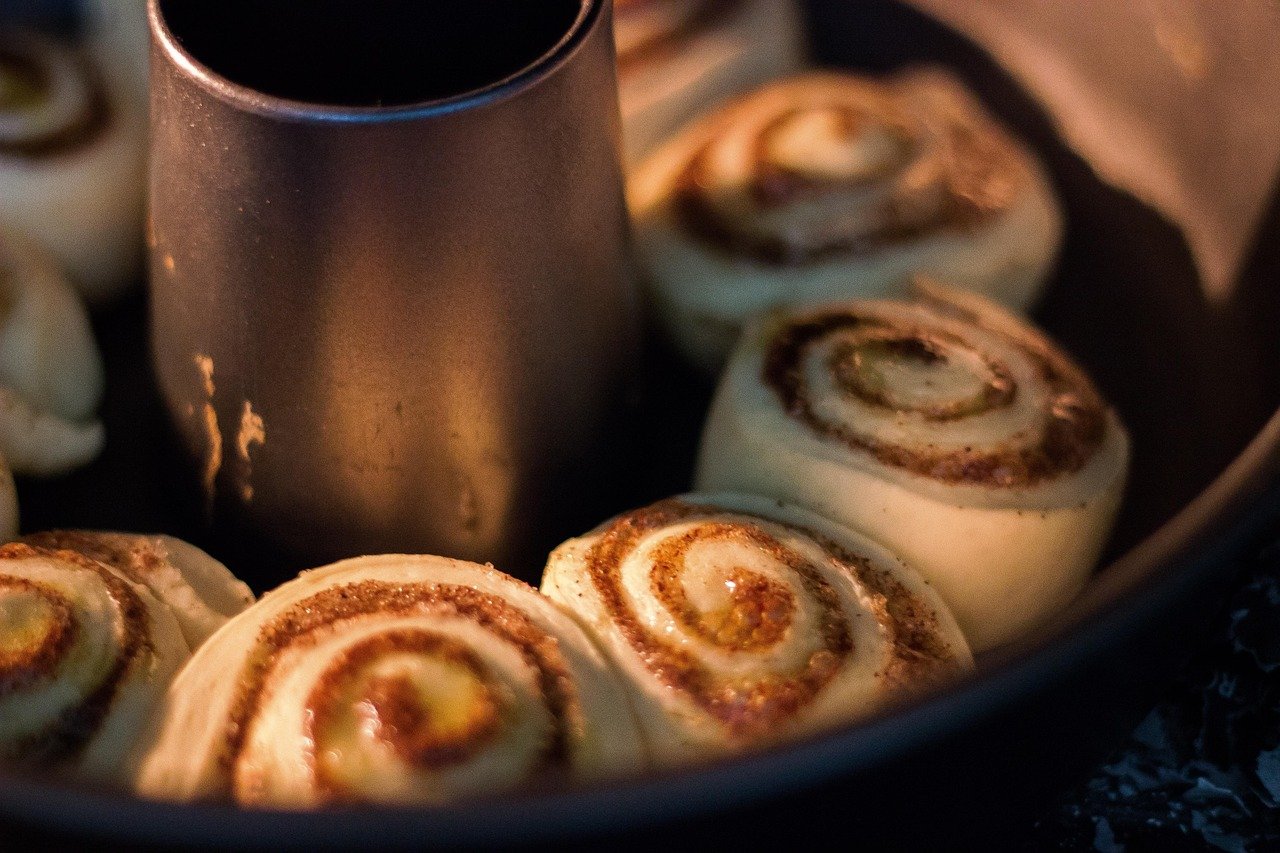
What if the best cinnamon rolls you ever baked started the night before, with a jar of bubbly starter sitting on the counter? Sourdough cinnamon rolls take everything people love about the classic version, the soft swirl, the cinnamon sugar, the cream cheese frosting, and add a gentle tang that makes the whole thing taste less like dessert and more like something worth waking up for. The catch is that sourdough is slow, and enriched doughs are slow on top of that, so the recipe rewards planning more than technique. This guide walks through a reliable formula, the timing that fits around a normal life, and the mistakes that turn a promising batch into dense bricks.
Why Sourdough Changes the Cinnamon Roll Game
A sourdough starter is a living culture of wild yeasts and lactic acid bacteria. The bacteria produce lactic and acetic acids that lower the pH of the dough, which is where the tang comes from and why sourdough loaves stay fresh longer than commercial yeast breads. In a cinnamon roll, that acidity does something subtle but useful: it cuts through the butter and sugar so the roll tastes balanced instead of cloying. (Ds4windows vs rewasd vs steam input which controller tool)
The trade-off is speed. A standard cinnamon roll recipe uses commercial yeast and can go from mixing bowl to oven in about two and a half hours. A sourdough version needs six to twelve hours of bulk fermentation at room temperature, or a long cold rest in the fridge, or both. That sounds like a burden until you realize it means the dough does the work while you sleep. (Gemini 4 argon rollout paywall means users 2026)
There is also a practical benefit for anyone who keeps a starter. Sweet doughs are forgiving about starter strength because the butter, sugar, and egg do much of the structural work. That makes cinnamon rolls an excellent home for sourdough discard, the unfed portion you pour off at each feeding. Discard adds flavor and reduces waste, and a slightly less active starter will still produce a good roll in an enriched dough.
What You Need Before You Start
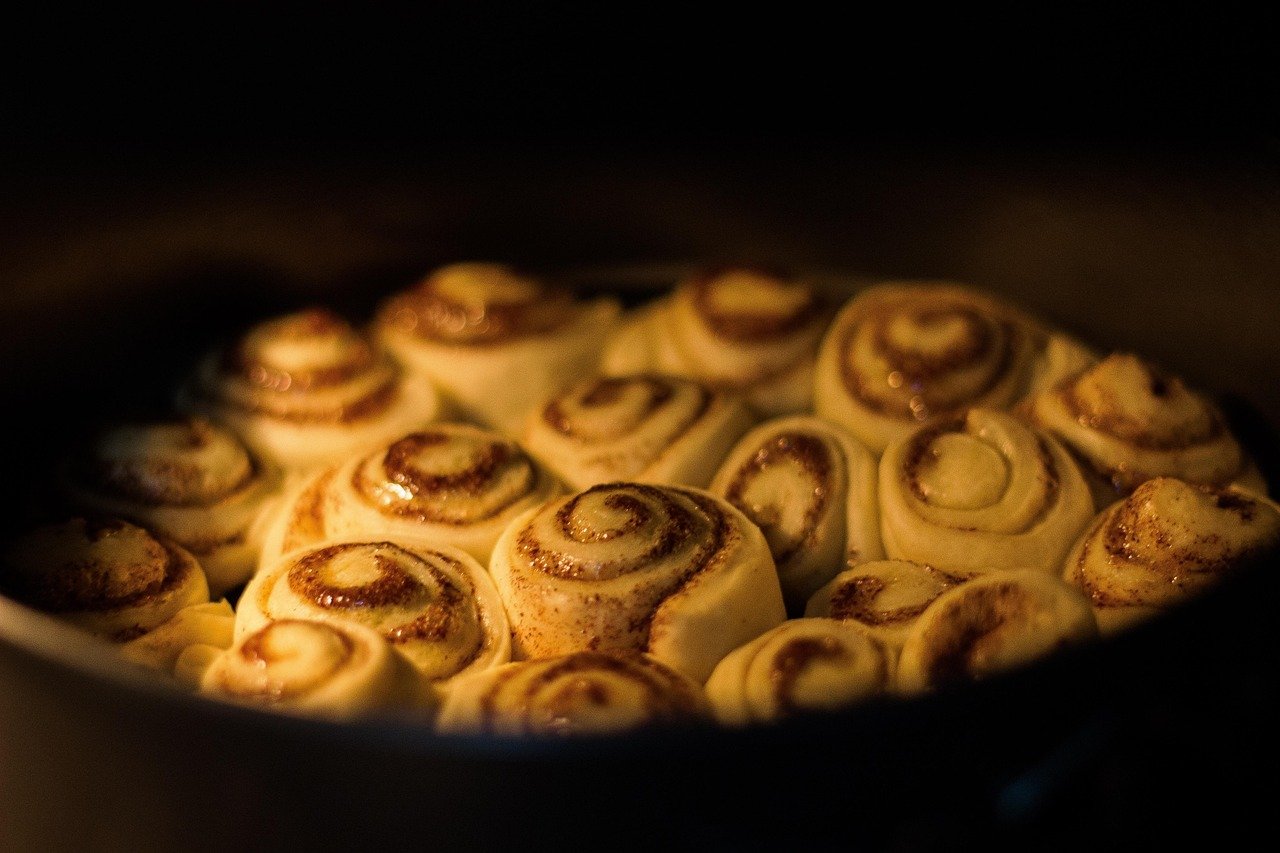
The ingredient list is short, but the details matter more than the list length.
For the dough
| Ingredient | Amount | Notes |
|---|---|---|
| Active sourdough starter | 100 g | Bubbly and risen, or use discard plus a little extra time |
| Whole milk | 240 g | Warm, not hot |
| Bread flour | 480 g | All-purpose works but gives a softer, less chewy crumb |
| Granulated sugar | 50 g | Feeds the yeast and tenderizes the crumb |
| Unsalted butter, soft | 85 g | Added after the first rest |
| Egg | 1 large | Room temperature |
| Fine sea salt | 9 g | Do not skip or reduce |
| Vanilla extract | 5 g | Optional but recommended |
For the filling and topping
| Ingredient | Amount | Notes |
|---|---|---|
| Light brown sugar | 200 g | Dark brown works for a stronger molasses note |
| Ground cinnamon | 12 g | Fresh matters enormously here |
| Unsalted butter, very soft | 115 g | Soft enough to spread, not melted |
| Cream cheese | 115 g | Full fat, room temperature |
| Powdered sugar | 120 g | Adjust to texture |
| Milk or cream | 15 to 30 g | For thinning the frosting |
A note on the cinnamon. Cinnamaldehyde, the compound responsible for cinnamon’s flavor, has documented antimicrobial properties. Bakers widely report that heavily cinnamon-loaded doughs rise more slowly, and that is the practical reason cinnamon belongs in the filling rather than mixed into the dough or the starter. Keep it out of the ferment and the problem disappears.
Step-by-Step: Building the Dough
- Mix the base and rest it. Combine starter, milk, flour, sugar, and egg in a bowl until no dry flour remains. Cover and rest 45 minutes. This short autolyse hydrates the flour and starts gluten development without any kneading.
- Add salt and butter. Sprinkle the salt over the dough, then add the soft butter a tablespoon at a time, working each addition in before adding the next. The dough will look greasy and slippery at first. Keep going.
- Develop strength. Slap and fold the dough on the counter, or use a stand mixer with a dough hook on low for 6 to 8 minutes. You are looking for a smooth, tacky dough that pulls away from the bowl. It should feel soft but not soupy.
- Bulk ferment. Place in a lightly oiled bowl, cover, and let rise at room temperature. This is where enriched sourdough demands patience. Expect 6 to 10 hours at 70°F, longer if your kitchen is cool. The dough should look puffy and roughly 50 to 70 percent larger, not doubled like a lean bread.
- Chill before shaping. Refrigerate the dough for at least 1 hour, or overnight. Cold dough is dramatically easier to roll thin and evenly, and this is the single biggest fix for misshapen rolls.
If you have ever wrestled a warm, buttery dough into a rectangle and watched it spring back, the chill step is the answer. It is the same principle that makes packing a suitcase efficient: roll, fold, and fit things when they are not fighting you. (Pack suitcase efficiently roll fold fit more)
Shaping, Filling, and the Overnight Rest
- Roll out. Turn the chilled dough onto a floured surface and roll to a rectangle roughly 16 by 12 inches. Patch any thin spots, since those become the leaky centers of your rolls.
- Spread the filling. Beat the soft butter with the brown sugar and cinnamon until it is a spreadable paste, then spread it edge to edge, leaving a half-inch border on the long side furthest from you. Sprinkle a pinch of flake salt over the top if you like a sweet-salty edge.
- Roll and cut. Roll tightly from the long side nearest you, pinching the seam closed. Use unflavored dental floss or a sharp serrated knife to cut 12 rolls. Sawing with a dull knife smears the layers and squashes the spiral.
- Second rise. Arrange the rolls in a buttered 9-by-13-inch pan, cover, and refrigerate 8 to 16 hours. This cold retard develops flavor and makes the next morning nearly effortless.
- Warm and bake. Pull the pan from the fridge and let it sit at room temperature 60 to 90 minutes, until the rolls look puffy and press back slowly when touched. Bake at 350°F for 28 to 35 minutes. Because the dough is high in sugar and butter, it browns fast, so tent with foil at the 20-minute mark if the tops are already dark.
A quick word on dough handling in general: the skills that make bread and pastry easier are the same ones that make everyday tasks smoother. If you enjoy the mechanics of folding and fitting, the same logic behind how to pack a suitcase efficiently by rolling and folding translates surprisingly well to rolling a tight cinnamon spiral.
Cream Cheese Frosting and Finishing
Frost the rolls while they are still warm but not hot, about 10 minutes out of the oven. Hot rolls melt the frosting into a puddle; cool rolls leave it sitting on top in a slab. Beat the cream cheese and powdered sugar until smooth, add vanilla, then thin with milk a teaspoon at a time until it ribbons off the beater.
The standard US-style topping is cream cheese frosting, but a simple powdered-sugar glaze with a splash of milk and a pinch of salt is a legitimate alternative and takes about 90 seconds. Either way, apply generously. The rolls absorb a startling amount.
The Mistakes That Ruin a Batch
Using a starter that is not ready. If your starter smells sharply of acetone or has not risen after feeding, the dough will ferment unpredictably. Feed it and wait until it doubles before mixing. Discard is fine in this recipe, but a dead starter is not.
Adding butter too early. Butter coats gluten proteins and slows their development. If you dump it in with the flour, you will spend twice as long kneading and still get a weaker dough. Add it after the rest, in stages.
Skipping the cold retard. It is tempting to shape and bake the same day. The rolls will still work, but the flavor will be flatter and the shaping noticeably harder. The overnight rest is the highest-value hour of hands-off time in the recipe.
Overproofing the second rise. Because enriched doughs are slow, it is easy to assume they need more time than they do. If the rolls look deflated, smell strongly sour, or spread rather than puff in the oven, they went too long. Warm kitchens can push a 16-hour retard well past its limit.
Underbaking the center. The middle roll is always the last to set. If the center looks glossy and wet when you pull the pan, give it five more minutes under foil. A thermometer reading about 190°F in the center is a reliable guide.
Eating raw dough. Flour is a raw agricultural product and can carry pathogens, so dough should not be tasted raw and hands and surfaces should be washed after handling flour. This is one place where the “just a taste” habit carries real risk.
Timing It Around a Real Schedule
The recipe is flexible, and that flexibility is most of its appeal. Here are three schedules that work.
| Schedule | Mix | Bulk | Shape and chill | Bake |
|---|---|---|---|---|
| Overnight weekend | Friday 7 p.m. | Overnight in fridge | Saturday morning | Saturday midday |
| Same-day | 7 a.m. | Room temp, 6 to 8 hours | Chill 1 hour | Evening |
| Two-night | Day 1 morning | Room temp, then fridge | Day 2 evening | Day 3 morning |
The two-night version is the most forgiving for a busy week. The dough sits cold, the flavor deepens, and the final morning only requires a warm-up and a bake.
A Note on Equipment
A stand mixer helps but is not required. The dough is soft enough to handle by hand with slap-and-fold technique, and many bakers prefer the control. A bench scraper, a rolling pin, and a 9-by-13-inch metal pan are the only real essentials. Glass pans conduct heat differently and tend to brown the bottoms faster, so drop the oven temperature by 25°F if you use one.
If you are new to sourdough, a digital scale is the single best investment. Volume measurements for flour vary by up to 20 percent depending on how the cup is scooped, and that variance is enough to turn a soft dough into a stiff one. Weigh everything, including the starter.
Conclusion
Sourdough cinnamon rolls are less a recipe than a rhythm: mix, rest, chill, shape, sleep, bake. The sourdough adds tang and shelf life, the cold retard adds flavor and convenience, and the enriched dough forgives a starter that is not at peak performance. Get the butter in late, keep the cinnamon in the filling, chill before you roll, and tent the pan if the tops darken early. Do those four things and the rest follows. The reward is a pan of rolls that taste like they came from a bakery, made on a schedule that fits around an ordinary week.
Frequently Asked Questions
Can I make sourdough cinnamon rolls with discard instead of active starter?
Yes, and it is one of the best uses for discard. Enriched doughs rely on butter, sugar, and egg for much of their structure, so a less active starter still produces a good roll. Expect a slightly longer bulk fermentation and a milder tang. If your discard has been in the fridge for weeks, let it come to room temperature and feed it once before using it.
Why did my cinnamon rolls turn out dense and heavy?
The usual culprits are under-fermentation, too much flour, or butter added before the gluten had a chance to develop. Enriched doughs need longer than lean breads because fat and sugar both slow yeast activity. Weigh your flour rather than scooping it, add the butter in stages after the initial rest, and judge the bulk by how puffy and jiggly the dough looks rather than by the clock alone.
Does cinnamon stop sourdough from rising?
Bakers widely report that doughs with a lot of cinnamon rise more slowly, and the compound responsible for cinnamon’s flavor is known to have antimicrobial effects. That is why cinnamon belongs in the filling rather than mixed into the dough or the starter. Keeping it out of the ferment removes the problem entirely, which is exactly what this recipe does.
How long can I leave the shaped rolls in the fridge?
Eight to sixteen hours is the sweet spot. Under eight hours and the flavor has not developed much; past eighteen and the rolls may overproof, especially in a warm fridge or a warm kitchen during the warm-up. If you need more flexibility, freeze the shaped, unbaked rolls instead and thaw them overnight in the fridge before the final rise.
Can I bake these in advance and reheat them?
Yes. Bake fully, cool completely, and store covered at room temperature for a day or freeze for up to a month. Reheat covered with foil at 300°F for 10 to 12 minutes, then add fresh frosting. Frosted rolls do not freeze well, so hold the topping until after reheating.
What is the best way to get an even spiral when rolling?
Chill the dough thoroughly first, roll it into a rectangle with straight edges, and spread the filling all the way to the edges except for a half-inch strip on the far long side. Roll tightly from the near side, pinch the seam, and cut with dental floss or a sharp serrated knife rather than a dull one. Cold dough resists springing back and gives a much more even spiral.



