

Take a ten-minute walk and you may feel more awake than after a second cup of coffee; an all-out gym session can leave you flat for the rest of the day. That contradiction drives the “best exercises for energy” question. Movement is one of the most reliable natural energy boosters available, but only when the type, intensity, and timing fit the person doing it. Match those three variables and exercise becomes a genuine fatigue fighter. Mismatch them and it drains energy.
This guide breaks down what the evidence supports, which activities tend to deliver the biggest lift, and the practical mistakes that turn a good workout into an energy sink.
Why movement wakes you up in the first place
Exercise does more than build fitness. A well-known review of the research concluded that physical activity reliably increases feelings of energy and reduces fatigue, and that the effect shows up across a range of intensities rather than being reserved for elite athletes. A later analysis of 81 randomised controlled trials found that exercise reduced fatigue in generally healthy adults, with moderate-intensity aerobic work and mixed training programs performing well.
The honest caveat: much of this evidence relies on people’s self-reported energy levels, and some of it is observational. So the claim “exercise boosts energy” is well supported but not airtight for every individual. What the research does show clearly is that inactivity tends to make fatigue worse, not better, which is why the couch-and-coffee strategy so often backfires.
The best exercises for energy, ranked by practicality
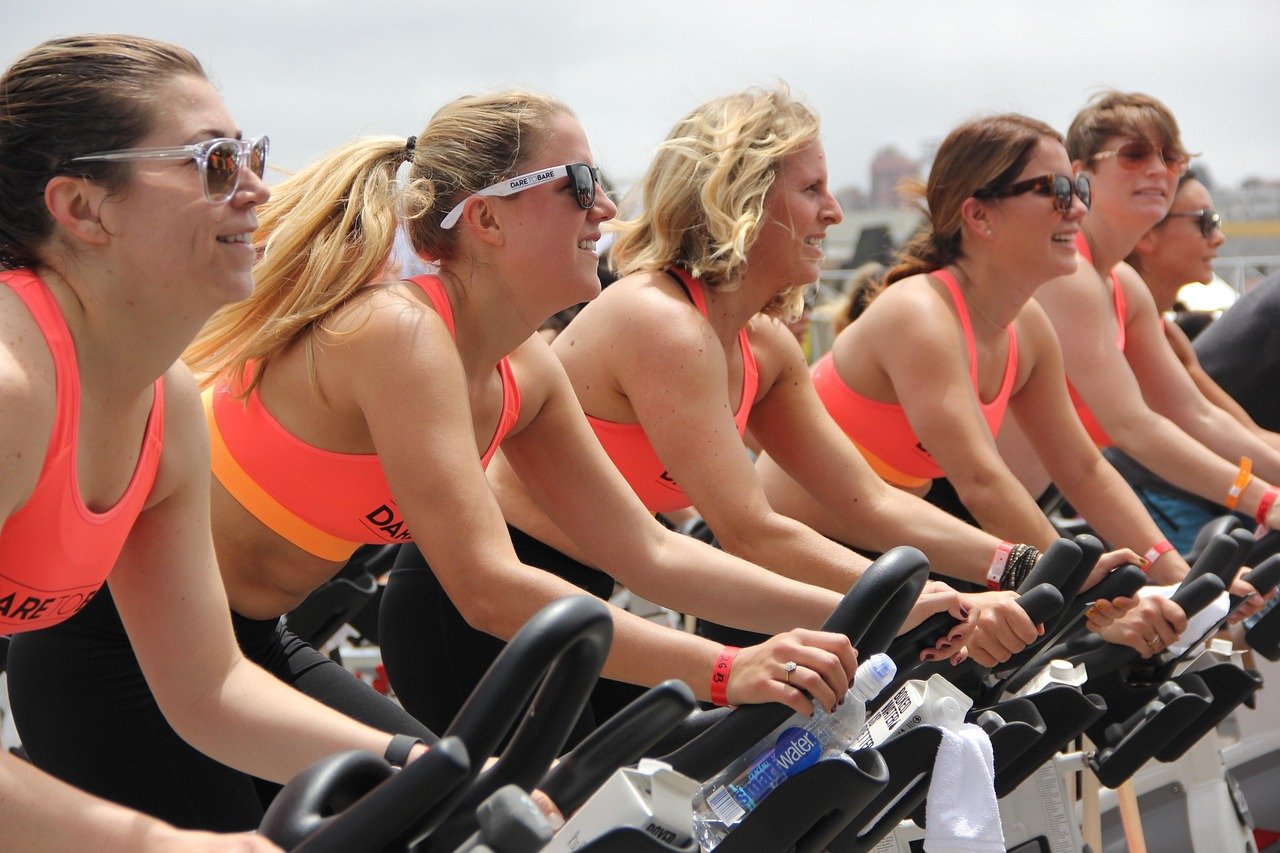
There is no single winner, because “best” depends on your current fitness, your schedule, and whether you are fighting everyday sluggishness or a deeper energy dip. Still, some options are more dependable than others.
| Exercise | Typical session | Why it helps energy | Best for |
|---|---|---|---|
| Brisk walking | 20–40 minutes | Low barrier, easy to repeat, works outdoors or indoors | Almost everyone, especially beginners |
| Cycling (outdoor or stationary) | 30–45 minutes | Steady aerobic effort without joint pounding | People who dislike running |
| Light-to-moderate jogging | 20–30 minutes | Strong cardiovascular lift, mood boost | Regular exercisers |
| Bodyweight strength circuits | 20–30 minutes | Builds capacity for daily tasks, reduces fatigue over time | Desk workers, older adults |
| Yoga or mobility flow | 15–30 minutes | Gentle movement plus breathing, good on low-energy days | Recovery days, high-stress periods |
| Stair or walking breaks | 2–5 minutes | Counters sitting-related sluggishness | Office and remote workers |
Notice what is missing: the brutal, sweat-drenched sessions that many people assume are the “real” workouts. For everyday energy, moderate effort wins more often than maximum effort.
Moderate intensity beats all-out effort for daily energy
This is the single most useful takeaway in the entire field, and the one most often ignored. Very strenuous exercise can temporarily increase fatigue, particularly in people who are not used to it. A hard interval session on a Tuesday can leave an untrained person dragging through Wednesday.
Moderate aerobic activity, by contrast, is the more reliable energy booster. The practical test is the talk test: you should be able to hold a conversation in short sentences while working. If you are gasping out single words, you have crossed into territory that may cost you energy in the short term rather than supply it.
For anyone whose goal is feeling more awake rather than chasing performance, the smart play is to spend most of the week at a comfortable, sustainable effort and treat hard sessions as occasional seasoning rather than the main meal. This is also why brisk walking outperforms many flashier options: people actually do it, and they do it often.
Break up sitting and the energy payoff is almost immediate
Long stretches of sitting are linked to greater fatigue and worse mood compared with days broken up by short movement. The fix does not require a workout. Standing up, walking to the kitchen, taking the stairs, or pacing during a phone call all count.
A practical routine that works in real life:
- Set a timer for every 45 to 60 minutes of desk work.
- Stand and move for two to three minutes, even if it is just a lap around the room.
- Once or twice a day, make one break a proper five-minute walk outside.
- Use the afternoon slump as a trigger rather than a reason to stay seated.
People who try this often report that the mid-afternoon fog lifts faster than it does with caffeine alone. The effect is modest per break, but it compounds across a week.
Strength training counts too, especially as you get older
Aerobic exercise gets most of the energy headlines, but resistance training deserves a place. Strength work is associated with reduced fatigue and improved day-to-day function, particularly in older adults and people managing chronic conditions. The energy benefit here is partly indirect: when climbing stairs, carrying groceries, and getting up from a chair take less effort, daily life simply costs less energy.
Two short sessions a week is enough to start. Bodyweight squats, push-ups against a counter, rows with a resistance band, and a simple hinge movement cover most of the body. Keep the effort moderate, leave a couple of repetitions in reserve, and avoid turning every session into a test of maximum strength, which tends to produce the same short-term fatigue problem as very hard cardio.
If you are building a home routine from scratch, a set of straightforward strength exercises you can do at home is a sensible starting point before adding weights or complexity.
Timing matters more than most people expect
When you exercise can shape how much energy you get back. A hard session late in the evening may interfere with sleep for some people, and poor sleep undercuts every other energy strategy. Morning and early-afternoon sessions tend to sit more comfortably alongside a normal sleep schedule.
That said, the “best” time is largely the time you will actually stick to. A balanced look at the morning versus evening exercise debate makes the same point: consistency beats optimisation. Someone who walks at 8 p.m. every day will out-benefit someone who plans 6 a.m. runs and skips half of them.
One useful rule of thumb: if a session leaves you wired at bedtime, move it earlier. If it leaves you energised and sleeping well, keep it where it is.
Get outside when you can
Activity in nature, sometimes called green exercise, is associated with somewhat greater improvements in mood and energy than the same activity done indoors. The effect sizes are modest and debated among researchers, so it should not be oversold. But given that walking outside is free and no harder than walking on a treadmill, there is little downside to choosing the version with trees.
The practical version: take one walk a day outdoors if the weather allows, and treat indoor options as the backup rather than the default.
How much exercise do you actually need?
Public-health guidance recommends at least 150 minutes of moderate aerobic activity per week plus muscle-strengthening work on two days. That works out to roughly 20 to 30 minutes on most days, which is a realistic baseline for energy-focused goals.
A simple weekly template looks like this:
| Day | Session | Duration |
|---|---|---|
| Monday | Brisk walk | 30 minutes |
| Tuesday | Bodyweight strength circuit | 25 minutes |
| Wednesday | Easy cycling or walk | 30 minutes |
| Thursday | Strength circuit | 25 minutes |
| Friday | Brisk walk | 30 minutes |
| Saturday | Longer outdoor walk or bike ride | 45–60 minutes |
| Sunday | Yoga or mobility, plus a walk | 20–30 minutes |
That lands close to the recommended volume without any single session being punishing. The pattern matters more than perfection: missing a day is fine, missing a week is where energy gains start to evaporate.
Common mistakes that drain energy instead of building it
Most people who say “exercise makes me tired” are making one of a handful of fixable errors.
Going too hard too soon. New exercisers often pick the most intense option available, then spend two days recovering. Starting at a genuinely easy level feels underwhelming but produces far better energy returns in the first month.
Skipping food and water. A workout on an empty tank, especially in the morning, can leave you foggy rather than fired up. A light snack and a glass of water before movement make a noticeable difference for many people.
Treating rest as failure. Recovery is when the energy benefit consolidates. Hard sessions stacked without easy days produce cumulative fatigue, not cumulative energy.
Ignoring sleep. No exercise program can outrun chronic sleep debt. If energy is the goal, sleep is the foundation and movement is the multiplier.
Chasing novelty over consistency. Switching programs every two weeks makes it impossible to judge what is working. Give a simple routine four to six weeks before deciding it does not help.
Building the habit so the energy gains stick
The people who get the most energy from exercise are rarely the ones with the most sophisticated training plans. They are the ones who made movement easy to start and hard to skip. Laying out workout clothes the night before, choosing a route from the front door, and attaching a walk to an existing habit such as a morning coffee all reduce the friction that kills good intentions.
Tracking helps too, but keep it light. A simple note of how you felt after each session is more useful for energy purposes than a spreadsheet of heart rates. Over a few weeks, patterns emerge: which sessions leave you sharper, which leave you flat, and which times of day suit you best.
There is also a useful crossover with home energy habits. The same principle of small, consistent adjustments producing outsized results applies to household efficiency, which is why guides on the best smart thermostats for saving energy and a practical Home Assistant energy dashboard setup follow a similar logic: measure, adjust, repeat. Human energy and household energy both respond to steady, unglamorous routines.
Conclusion
The best exercises for energy are not the hardest ones. They are the moderate, repeatable ones: brisk walks, easy cycling, short strength circuits, yoga on low days, and frequent movement breaks that interrupt long stretches of sitting. Very intense training has its place, but for the specific goal of feeling more awake day to day, it is more likely to backfire than to help.
Start smaller than feels impressive. Walk most days, lift something twice a week, stand up every hour, and get outside when you can. Give it a month, pay attention to how you feel, and adjust from there. The evidence points clearly in one direction: bodies that move regularly tend to report more energy than bodies that do not, and the effect is available to almost anyone willing to take the first unremarkable walk.
Frequently asked questions
What is the single best exercise for boosting energy?
Brisk walking is the most practical answer for most people. It requires no equipment, is easy to repeat daily, and sits comfortably in the moderate-intensity zone that research links most reliably to reduced fatigue. That said, the best exercise is the one a person will actually do consistently, so cycling, swimming, or a short strength circuit can serve just as well.
How long does it take for exercise to increase energy levels?
Many people notice a lift after a single moderate session, often within an hour. More durable changes in everyday fatigue tend to show up over four to six weeks of regular activity. The early boost comes largely from improved mood and circulation, while the longer-term gains reflect better fitness and easier daily movement.
Can exercise actually make you more tired?
Yes, in specific circumstances. Very strenuous sessions can temporarily increase fatigue, especially in people who are not used to them, and hard training without adequate recovery or sleep compounds the problem. The fix is usually to lower the intensity, shorten sessions, or add easier days rather than to stop moving altogether.
Is it better to exercise in the morning or the evening for energy?
Morning and early-afternoon sessions tend to sit more comfortably alongside sleep for most people, and a hard evening workout can leave some people wired at bedtime. However, consistency matters more than timing. A reliable evening routine beats an aspirational morning one that gets skipped.
Do I need to do strength training for energy, or is cardio enough?
Cardio delivers the fastest perceived energy boost, but strength training adds something cardio cannot: it makes everyday physical tasks easier, which reduces the energy cost of daily life over time. Two short sessions a week is a reasonable minimum, particularly for older adults and desk-based workers.
How much exercise per week is needed to feel a difference?
Public-health guidance points to at least 150 minutes of moderate aerobic activity per week plus muscle-strengthening work on two days. In practice, that means roughly 20 to 30 minutes on most days. Even half that amount tends to produce noticeable benefits for people starting from inactivity, so building up gradually is a sound approach.



