
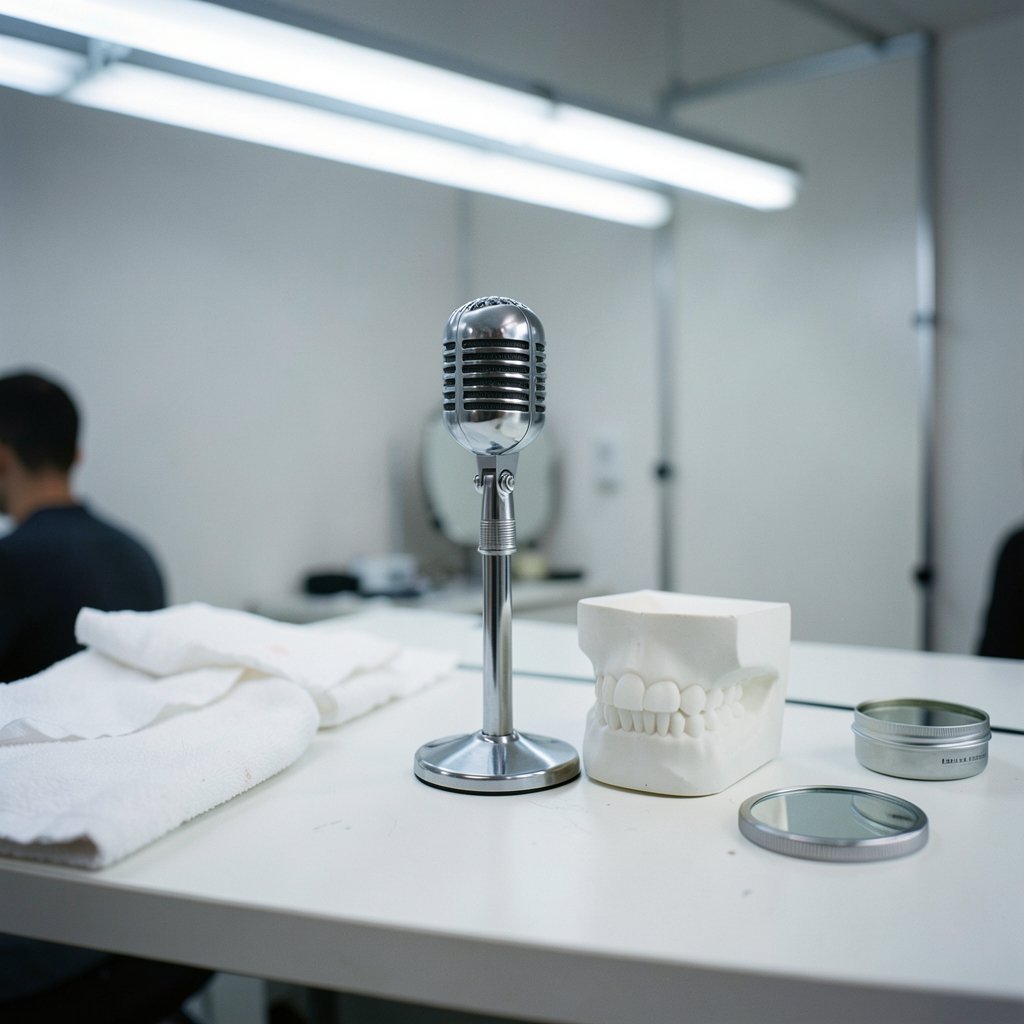
What if the most recognizable smile in rock history was the one its owner refused to fix? That question runs through the Freddie Mercury teeth story. The Queen frontman had a pronounced overbite, a set of front teeth that pushed forward in a way no publicist would have designed, and a laugh he never tried to hide. Yet for decades, fans have repeated a claim: Mercury kept those teeth because he believed they helped him sing. Separating the documented facts from the showbiz legend takes some work, but the result matters, because it shows how Mercury approached his voice, his image, and his career.
The Four Extra Teeth Claim, Explained
The most widely repeated version of the story holds that Mercury had four extra teeth in his upper jaw. These were supernumerary teeth, meaning teeth beyond the normal count, positioned behind his upper incisors and pushing them forward. The result was the distinctive overbite that became part of his visual identity.
It is worth being precise here. The “four extra teeth” figure comes from biographies, bandmate interviews, and posthumous retellings rather than from any released dental or medical record. No clinical documentation has surfaced publicly. Some retellings say two extra teeth; others describe a gap. The four-incisor version is the most consistent and most frequently repeated, but readers should treat it as widely reported rather than clinically confirmed.
What is not in dispute is the visible outcome. Photographs from every era of Mercury’s career show the same forward-set upper teeth and the same overbite. Whatever the exact count, the arrangement was real, permanent, and unmistakable.
Hyperdontia: The Dental Condition Behind the Smile
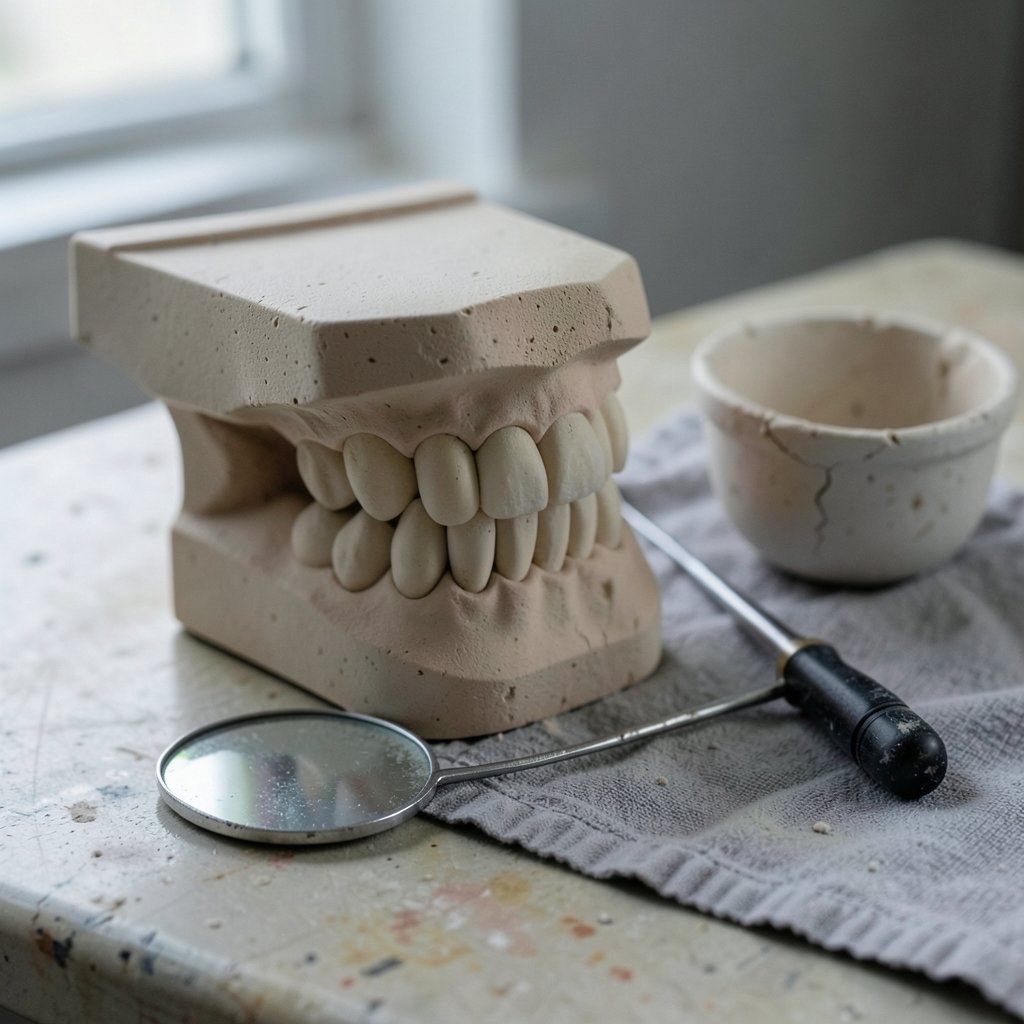
The clinical name for having extra teeth is hyperdontia, and the extra teeth themselves are called supernumerary teeth. This is a genuine, well-documented condition, not a curiosity invented for a rock biography. Dental literature places the prevalence at roughly 1 to 3 percent of the general population, with the most common site being the upper front region of the mouth.
That detail matters, because it places Mercury’s situation squarely within a recognized pattern. Extra teeth in the upper front area are the classic presentation. When they erupt or remain impacted, they can push the permanent incisors forward, producing exactly the kind of protrusion Mercury had.
Common features of hyperdontia in the upper front region include:
- Extra teeth positioned behind or between the central incisors
- Forward displacement of the regular front teeth
- Crowding or overlapping in the upper arch
- A visible overbite or protrusion that develops during childhood
In most cases, dentists recommend removal and orthodontic treatment, especially when the extra teeth cause crowding or bite problems. Mercury, famously, declined that route.
Why He Reportedly Refused to Fix Them
Here is where the story becomes legend. Mercury reportedly said he would not have his teeth corrected because he believed the extra space in his mouth gave his voice more resonance. The idea is that a larger oral cavity acts like a bigger resonating chamber, adding depth and character to the sound.
The exact wording of that quote is uncertain. It circulates widely, but a primary interview transcript has not been clearly established, so it is best described as an anecdote attributed to his career years rather than a verified statement. What can be said with more confidence is that his bandmates corroborated the broader picture. Roger Taylor and Brian May have both discussed Mercury’s teeth in interviews over the decades, generally confirming the extra-teeth account and his refusal to change them.
Whether or not the resonance theory holds up scientifically, the practical outcome is clear: Mercury’s overbite never impaired his singing. Producers and band members who worked with him in the 1970s and 1980s described exceptional vocal control and range. There is no evidence that the dental arrangement harmed his voice in any way. If anything, the story illustrates how thoroughly he understood his own instrument and how unwilling he was to gamble with it.
What Collaborators and Bandmates Said
Bandmate accounts form the backbone of the Freddie Mercury teeth story. Taylor and May, who knew him longer and better than almost anyone, have consistently treated the teeth as simply part of who he was, not a flaw to be corrected. Their recollections align on the essentials: the extra teeth were real, the overbite was pronounced, and Mercury had no interest in changing either.
The same pattern appears in studio accounts. The people who recorded with him focused on his control, his range, and his willingness to push a vocal take again and again. None of them framed his teeth as an obstacle. That consistency across decades of interviews is meaningful, even without a clinical record, because it comes from multiple independent witnesses who had no reason to coordinate a story.
The Practical Lesson for Anyone Facing the Same Choice
For readers dealing with their own dental decisions, the Mercury story is more than trivia. It raises a real question: when should a visible dental trait be corrected, and when should it be accepted?
A few practical points are worth knowing, and they come from general dental practice rather than from Mercury’s specific case.
First, function comes before appearance. The main reasons dentists recommend removing supernumerary teeth are crowding, bite problems, damage to neighboring teeth, and cyst formation around impacted teeth. If none of those issues are present, the urgency drops considerably.
Second, timing matters enormously. Extra teeth are usually identified in childhood, when removal and orthodontics are simplest. Adults who discover an extra tooth incidentally often face a different calculus, because the surrounding teeth have already settled into position.
Third, get a second opinion before major work. A common mistake is treating a cosmetic concern as an emergency. Another common mistake is the opposite: ignoring a genuine bite problem because it seems purely aesthetic. A careful examination, including imaging, tells you which situation you are in.
Fourth, be honest about your motivations. Mercury’s reported reasoning was functional, not vanity-based. Whether or not the resonance theory was accurate, he was weighing his voice against his appearance and choosing the voice. That is a useful frame for anyone making a similar call.
The practical approach is a direct conversation with a dentist about what the extra tooth is doing, beyond what it looks like. That distinction resolves most of the confusion.
How the Smile Became Iconic
Mercury died in November 1991, and in the tributes and retrospectives that followed, his teeth were frequently mentioned as part of his unmistakable image. That is a striking reversal. A feature that orthodontics would typically correct became, in retrospect, one of the things that made him instantly recognizable.
Part of this is the sheer force of his stage presence. Mercury performed with a confidence that made his physical idiosyncrasies look intentional. Part of it is the honesty of the choice. In an industry built on polishing images, he looked at a feature that did not fit the mold and decided it was not a problem to solve.
That decision has aged well. Decades after his death, the overbite is not remembered as a flaw but as a signature. It sits alongside the mustache and the stage costumes as part of a persona that felt assembled from genuine preferences rather than market research.
Freddie Mercury’s Teeth in the Broader Queen Story
The teeth story fits neatly into the larger arc of Queen’s career, which was built on a refusal to sand down edges. The band’s catalog is full of decisions that looked commercially risky at the time and turned out to be defining. Mercury’s approach to his own appearance followed the same logic.
That instinct shows up throughout his work, from the theatrical sweep of the band’s biggest anthems to the way he handled his own public image. Readers interested in how that career took shape can trace it through the story of Eddie Money, the cop who became a rock radio mainstay, another case of an unlikely path into rock, and through the account of Eddie Money’s “Take Me Home Tonight” duet that made him a star, which shows how a single collaboration can reshape a career. The same thread runs through any survey of Eddie Money songs and the hits that defined the working-class rocker, where authenticity of persona mattered as much as vocal ability.
For Mercury, authenticity was not a marketing angle. It was a working method. The teeth were simply the most visible example of it.
What Remains Uncertain
Honest reporting on this topic requires flagging what is not known. Three points deserve that treatment.
The exact number of extra teeth is not confirmed by any public clinical record. Four is the most common figure in retellings, but it rests on anecdote and biography.
The vocal resonance quote is widely attributed to Mercury but lacks a clearly established primary source. It may be accurate in substance while being imprecise in wording.
The relationship between the dental arrangement and his vocal ability is not something that can be measured. Collaborators said his voice was exceptional; nobody ran a controlled study on why. The resonance theory is plausible as a belief Mercury held, not as a proven acoustic mechanism.
None of these uncertainties diminish the story. They simply place it where it belongs: a widely reported piece of rock history with a real clinical condition at its center and a genuinely unusual personal choice at its heart.
Conclusion
Freddie Mercury’s teeth were not a quirk he tolerated. They were a feature he chose to keep, reportedly because he believed they served his voice, and he never wavered from that decision. The four extra teeth, the pronounced overbite, and the smile that came with them became as recognizable as any song he sang. Hyperdontia is a real condition affecting a small share of the population, and most people who have it opt for correction. Mercury did not, and the result is one of the most distinctive images in popular music. The lesson is not that dental treatment is unnecessary. It is that a feature which does not fit the standard mold is not automatically a defect, and that the person living with it is often the best judge of what it is worth.
Frequently Asked Questions
Did Freddie Mercury really have four extra teeth?
That is the most widely repeated account. Biographies and bandmate interviews describe four supernumerary teeth in his upper jaw pushing his front teeth forward. However, no public dental or medical record confirms the exact count, and some retellings say two. Treat four as widely reported rather than clinically verified.
Why didn’t Freddie Mercury get his teeth fixed?
He reportedly said he would not have them corrected because he believed the extra space in his mouth improved his vocal resonance. The exact quote is not clearly sourced to a primary interview, so it is best described as a widely attributed anecdote. Bandmates have generally confirmed that he refused to change them.
What is the dental condition called when you have extra teeth?
It is called hyperdontia, and the extra teeth are known as supernumerary teeth. The condition affects roughly 1 to 3 percent of the general population, and the upper front region of the mouth is the most common site. Extra teeth there can push the regular incisors forward and create a visible overbite.
Did his teeth affect his singing ability?
There is no evidence they did. Producers and band members who worked with him described exceptional vocal control and range, and none framed his teeth as an obstacle. Whether the extra space genuinely improved resonance is unproven, but his vocal ability itself was never in question among collaborators.
When did Freddie Mercury’s smile become iconic?
It was iconic during his career, but it became a fixed part of his legend after his death in November 1991. Obituaries and retrospectives frequently mentioned his teeth as part of his unmistakable image. What orthodontics would typically correct became, in retrospect, a signature.
Should extra teeth always be removed?
No. Dentists typically recommend removal when supernumerary teeth cause crowding, bite problems, damage to neighboring teeth, or cyst formation around an impacted tooth. When none of those issues are present, the urgency drops. Timing matters too, since extra teeth are usually easiest to manage in childhood.



