
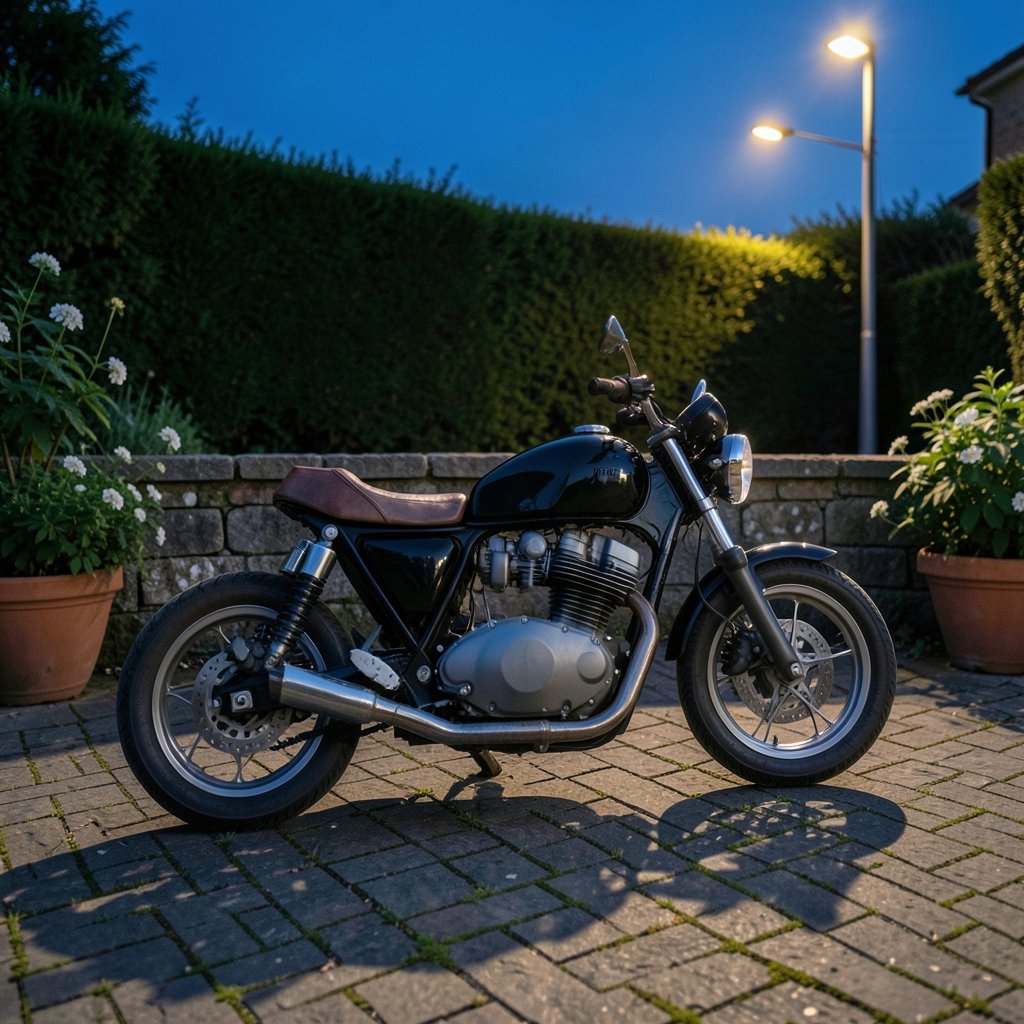
What do a 1980s dragstrip special and a friendly modern beginner cruiser have in common? A name, a badge, and a cruiser stance — and almost nothing else. The Kawasaki Eliminator is one of the strangest nameplates in motorcycling, because it has been attached to two completely different machines separated by nearly four decades. If you are shopping for one, researching one, or just curious why a 398 cc twin shares a badge with a 900 cc inline-four, this guide sorts out the history, the specs, the practical ownership realities, and the mistakes buyers make.
Two Different Motorcycles, One Badge
The Eliminator story starts in the mid-1980s. Kawasaki took the liquid-cooled inline-four engine architecture from its GPz900R sportbike and dropped it into a low, stretched, dragster-style chassis. The result was the ZL900 Eliminator, followed by the ZL1000 and the smaller ZL600. These were not laid-back cruisers in the traditional sense. They were part of a short-lived “power cruiser” trend, competing in spirit with machines like the Yamaha V-Max.
Then the name went quiet for decades.
In 2023, Kawasaki brought the Eliminator back — but as something entirely different. The modern bike is a mid-size, low-seat cruiser built around a 398 cc parallel-twin engine, the same engine family used in the Ninja 400 and Z400, retuned for stronger low-end torque. It is aimed squarely at newer riders, shorter riders, and anyone who wants a light, approachable cruiser rather than a straight-line monster.
The critical point for buyers: despite the shared name, the 1980s inline-four Eliminators and the 2023-on parallel-twin Eliminator share branding and cruiser positioning but no platform or components. A part for a ZL900 will not fit a modern Eliminator, and the two bikes have nothing in common mechanically. Confusing the two is the single most common research mistake, especially when scanning used listings or parts catalogs.
The 1980s Original: Dragster DNA
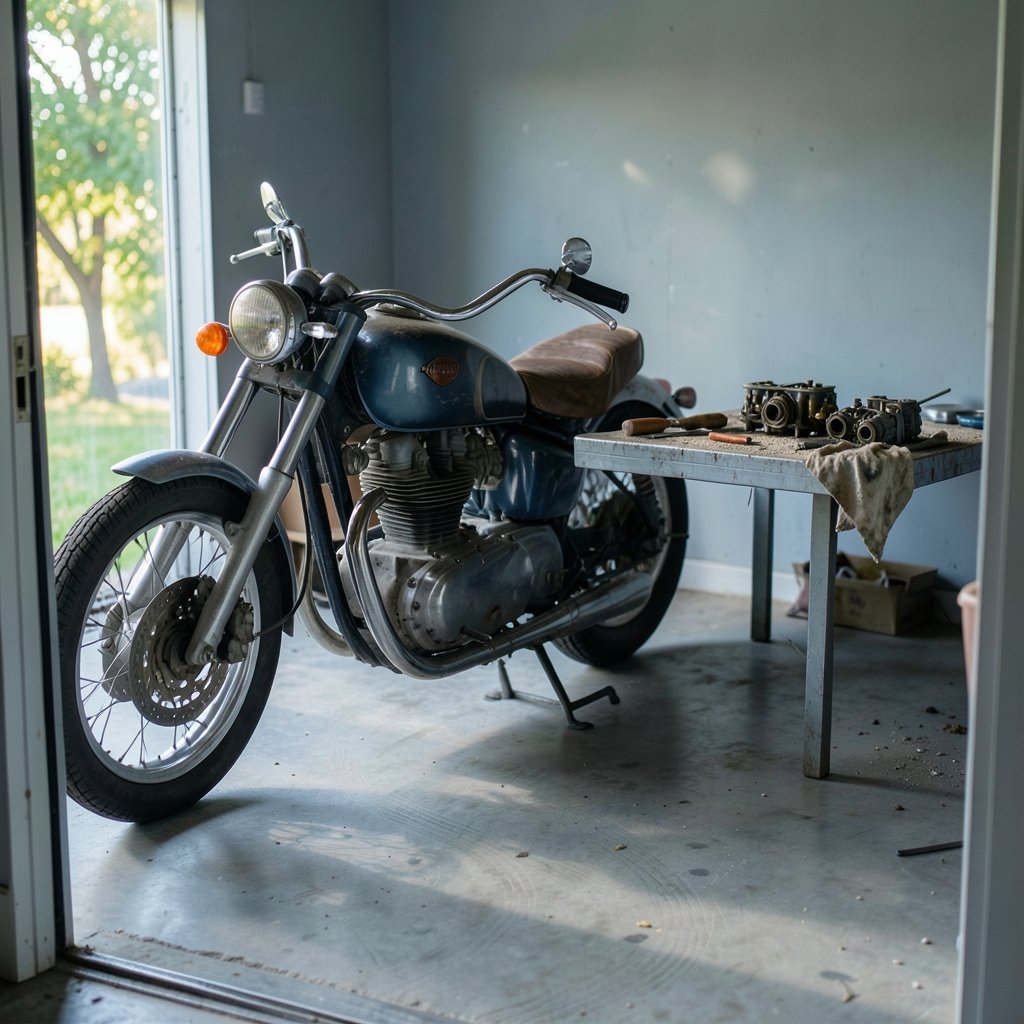
The original Eliminator earned its reputation honestly. An inline-four in a cruiser frame was unusual at the time, and the low, long silhouette made it look like something built for the strip rather than the highway. The ZL900 arrived in 1985, with the ZL1000 and ZL600 following as the line expanded.
These bikes appeal today to collectors and enthusiasts who like oddball engineering. Practical ownership notes for anyone considering a classic Eliminator:
- Parts are specialist territory. Consumables and bodywork for 1980s ZL models are not stocked at every dealer. Join owner communities before buying.
- Condition beats mileage. A low-mileage bike that sat for fifteen years often needs more work than a well-used, well-maintained one.
- Carburetion and electrics age. Expect to rebuild carburetors and inspect the charging system on any survivor.
- Values are modest but rising. These are not blue-chip collectibles, so buy for enjoyment rather than investment.
The Modern Eliminator: Built for Accessibility
The 2023 revival flipped the brief. Instead of maximum displacement, the modern Eliminator sells on accessibility. Its seat height sits around 735 mm (28.9 inches), which is one of the lowest in the class and a genuine selling point for shorter riders. The 398 cc twin is friendly and predictable, and the bike’s light weight makes low-speed maneuvering far less intimidating than a traditional heavyweight cruiser.
Kawasaki has offered the modern Eliminator in standard and SE trims in some markets, with differences in styling and equipment. Trim availability varies by country and model year, so confirm what your local market actually gets before you set your heart on a specific version. The same caution applies to seat height and other specs, which can vary slightly between regions.
How the Modern Bike Compares
| Factor | Modern Eliminator (2023-on) | 1980s ZL Eliminator |
|---|---|---|
| Engine | 398 cc parallel-twin, liquid-cooled | 900/1000/600 cc inline-four, liquid-cooled |
| Character | Friendly, torque-focused, beginner-friendly | Aggressive, dragster-inspired power cruiser |
| Seat height | Very low, around 735 mm | Higher, era-typical cruiser stance |
| Best for | New riders, shorter riders, city and back-road use | Collectors, enthusiasts, weekend character rides |
| Parts and service | Mainstream dealer support | Specialist sourcing required |
| Shared components | None with the classics | None with the modern bike |
That table tells the whole story in one glance: same badge, opposite philosophies.
What Actually Works in Practice
Spec sheets only go so far. Here is what matters once you are actually living with the bike.
The low seat changes everything about confidence. Riders who struggle to flat-foot taller bikes often report that the Eliminator’s low perch transforms their comfort in traffic and at stoplights. If you are coming back to riding after years away, or you are short enough that most cruisers feel precarious, this is the feature to test first — sit on one before you read another review.
The 398 cc twin is not a highway monster, and that is fine. It cruises comfortably at legal speeds and has enough torque for overtaking, but it is tuned for usability rather than thrills. Riders who plan long interstate days with a passenger and luggage should be honest with themselves about whether they want more displacement. Riders who mostly commute, run errands, and take weekend back-road loops will find it more than adequate.
Light weight pays off daily. Pushing a bike around a garage, parking on a slope, and U-turning on narrow streets are where owners spend most of their real riding effort. A lighter machine makes all of that easier, and it is the benefit new riders undervalue most when comparing spec sheets.
Service is straightforward. Because the engine family is shared with well-established models, routine maintenance is familiar territory for any Kawasaki dealer or independent shop. That is a real ownership advantage the classics cannot offer.
Common Mistakes Buyers Make
A few traps come up again and again with this model name.
- Assuming all Eliminators are the same bike. They are not. Always confirm the model year and engine before comparing prices, parts, or insurance quotes.
- Buying on seat height alone. A low seat is great, but check reach to the bars, peg position, and whether your knees fit the tank cutouts. Sit on the bike for at least ten minutes, not ten seconds.
- Skipping the trim question. Standard versus SE differences vary by market. Know which one you are looking at, because resale values and equipment lists differ.
- Overlooking the used-classic route. If you want character over convenience, a well-sorted 1980s ZL can be a wonderful second bike — just budget for specialist maintenance from day one.
- Ignoring insurance and licensing categories. In many markets, a 398 cc machine sits in a friendlier learner or tiered-licensing category than a 900 cc classic. Check your local rules before you fall in love with a listing.
Who Should Buy Which
The modern Eliminator suits new riders, returning riders, shorter riders, and city-focused commuters who want a cruiser look without cruiser bulk. It also works well as a second bike for someone with a touring machine in the garage.
The classic ZL models suit collectors and tinkerers who enjoy the hunt for parts and the distinctive feel of an inline-four cruiser from the power-cruiser era. They are weekend machines, not daily transport, unless you are a committed mechanic.
If you are cross-shopping within the modern class, the useful comparison is not against the old ZL bikes at all — it is against other entry and mid-size cruisers. The Eliminator’s case rests on its low seat, light weight, proven engine family, and mainstream dealer support. That is a coherent package, and it explains why the revived name has found an audience.
For more on the range and how the models fit together, the team at covers Kawasaki model details and ownership topics in depth. Browsing owner-focused resources before you buy is one of the cheapest forms of due diligence available.
The Engine Family Advantage
One detail deserves its own explanation, because it is the quiet reason the modern bike works so well. The 398 cc parallel-twin in the Eliminator comes from the same engine family used in the Ninja 400 and Z400. That family has powered a huge number of motorcycles, which means:
- Parts availability is excellent. Filters, gaskets, and common service items are easy to source.
- Mechanics know the engine. You are not hunting for a specialist who has seen one before.
- Reliability is well documented. A widely used engine design accumulates a long public track record.
- Tuning is understood. The Eliminator version is tuned for low-end torque, but the underlying architecture is familiar territory.
For a first or second motorcycle, that combination of proven engineering and easy service is worth more than a few extra horsepower on a spec sheet. It is the kind of thing that does not show up in a showroom comparison but shows up every time you book a service or need a part on a Friday afternoon.
What to Check Before You Buy
Whether you are looking at a new modern Eliminator or a used classic, a short checklist saves real money.
For the modern bike: confirm the model year and trim, verify seat height and spec details for your market, ask about the first service interval, and sit on the bike long enough to check bar reach and peg comfort. If buying used, check for drop damage on the levers and bar ends, and confirm the service history.
For a classic ZL: inspect the frame for corrosion, listen for cam chain noise on a cold start, check the charging system, and confirm that bodywork and exhaust parts are either present or realistically obtainable. Ask the seller for receipts. A folder of maintenance records is worth more than a fresh coat of paint.
In both cases, ride before you buy, and bring someone who knows the model if you can. Enthusiasm is a wonderful thing, but it makes people overlook obvious problems.
Conclusion
The Kawasaki Eliminator is really two stories wearing one badge. The 1980s ZL machines were dragster-inspired power cruisers built around an inline-four and a short-lived trend. The 2023-on Eliminator is a low-seat, light, friendly parallel-twin cruiser built to make motorcycling accessible. Neither is a lesser version of the other — they simply serve different riders. If you want a confident, easy-to-live-with modern cruiser with proven engineering behind it, the current bike makes a strong case. If you want character, rarity, and a project, the classics deliver that instead. Know which one you are shopping for, check the model year before you compare anything, and the decision becomes much simpler.
FAQ
Is the Kawasaki Eliminator a good beginner bike?
Yes, the modern 2023-on Eliminator is widely considered beginner-friendly. Its low seat height of around 735 mm, light weight, and predictable 398 cc parallel-twin engine make it easy to handle at low speeds. Newer riders should still take proper training and sit on the bike to confirm comfort before buying.
What is the difference between the old and new Kawasaki Eliminator?
They share only a name. The 1980s ZL900, ZL1000, and ZL600 used liquid-cooled inline-four engines in low, dragster-style chassis. The 2023-on Eliminator uses a 398 cc parallel-twin tuned for low-end torque in a much more accessible cruiser package. There are no shared components or platform parts between them.
How tall do you need to be to ride the Kawasaki Eliminator?
The modern Eliminator’s seat height is around 735 mm (28.9 inches), which suits many shorter riders. Height alone is not the right measure, though. Inseam length, seat width, and peg position all matter, so sit on the bike and check that you can plant both feet confidently before deciding.
Is the modern Eliminator fast enough for highway riding?
It handles legal highway speeds comfortably, and the 398 cc twin has enough torque for normal overtaking. It is not a high-performance machine, though. Riders who regularly carry a passenger and luggage over long interstate distances may prefer more displacement, while commuters and weekend riders will find it adequate.
What is the Eliminator SE trim?
Kawasaki has offered the modern Eliminator in standard and SE trims in some markets, with differences in styling and equipment. Availability varies by country and model year, so check your local market’s current lineup and specifications before assuming a particular trim is offered where you live.
Are parts easy to find for a classic Kawasaki Eliminator?
Not as easy as for the modern bike. The 1980s ZL models require specialist sourcing for bodywork, exhaust, and some engine parts. Before buying a classic, join owner communities, confirm which parts are obtainable, and budget for carburetor work and electrical inspection on any long-stored example.



