
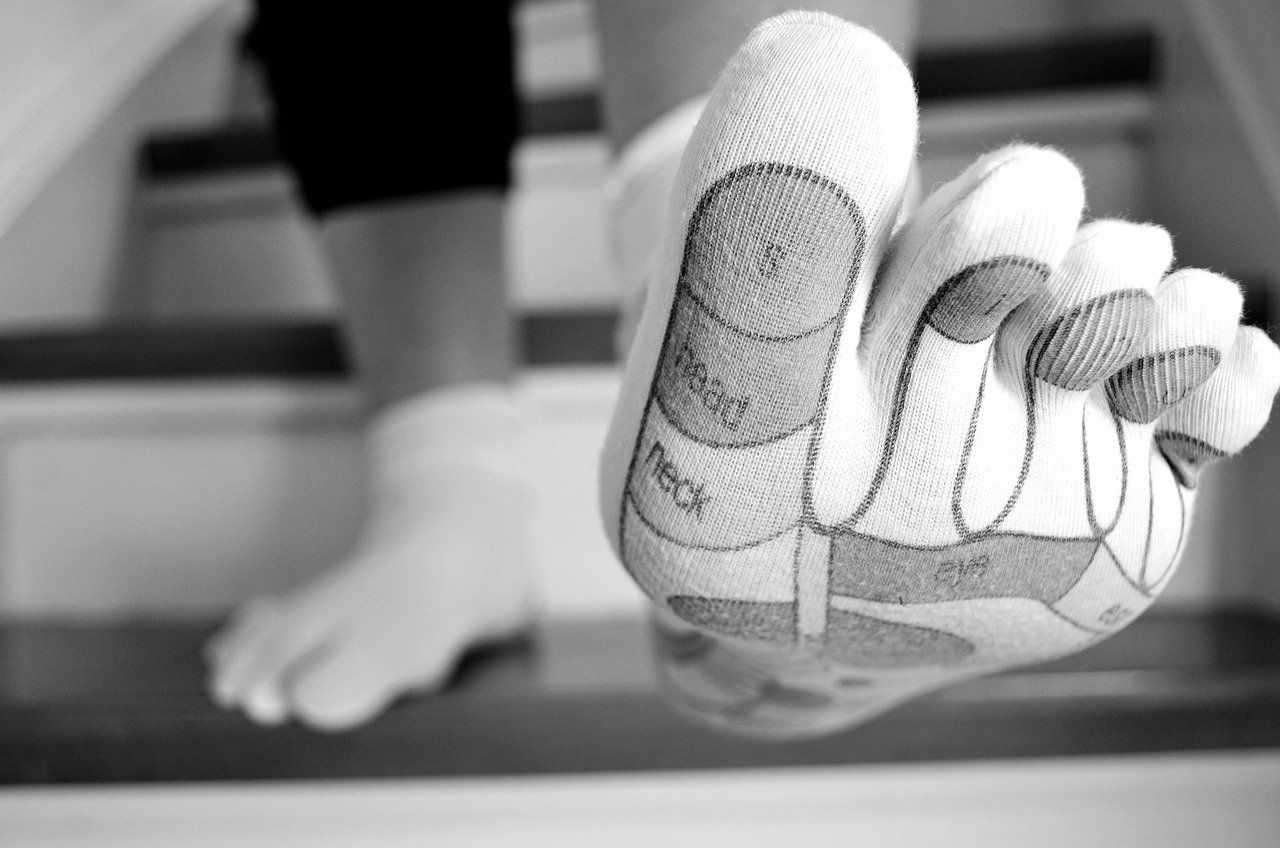
Have you ever stubbed your big toe on a door frame and felt a jolt of pain that seemed wildly out of proportion to the size of the body part involved? There is a reason for that intensity. The big toe is small, but it is one of the hardest-working structures in the human body. It helps you walk, balance, push off, and stay upright. When it hurts, almost everything else in your day gets harder.
This article takes a close look at the big toe, known in anatomy as the hallux. It covers what the toe is made of, why it matters so much for movement, the most common problems that affect it, and the practical habits that keep it healthy. Whether you are dealing with a stubborn ache, curious about bunions, or simply want to understand your own feet better, the details below should help. (Speaker toe placement angle speakers better stereo imaging)
What Exactly Is the Big Toe?
The big toe is the first digit of the foot. In Latin, hallux means big toe, just as pollex means thumb. That naming detail is a clue to something important: the big toe is the foot’s version of a thumb, built for a similar job of gripping and pushing, though humans have traded most of that gripping ability for upright walking. (Big tech capex 2026 metas 34 9b teslas 4 73b really signal)
Structurally, the hallux is unusual. Most toes have three small bones called phalanges. The big toe has only two, a proximal phalanx and a distal phalanx. These connect to the first metatarsal bone at the metatarsophalangeal (MTP) joint, which is the large knuckle you can feel at the base of the toe. That joint is where most big-toe problems begin.
Beneath the MTP joint sit two small sesamoid bones, embedded in a tendon. They act like pulleys, helping transfer load and protect the joint as you push off the ground. For such a compact area, there is a lot of engineering packed in.
Why the Big Toe Matters More Than You Think
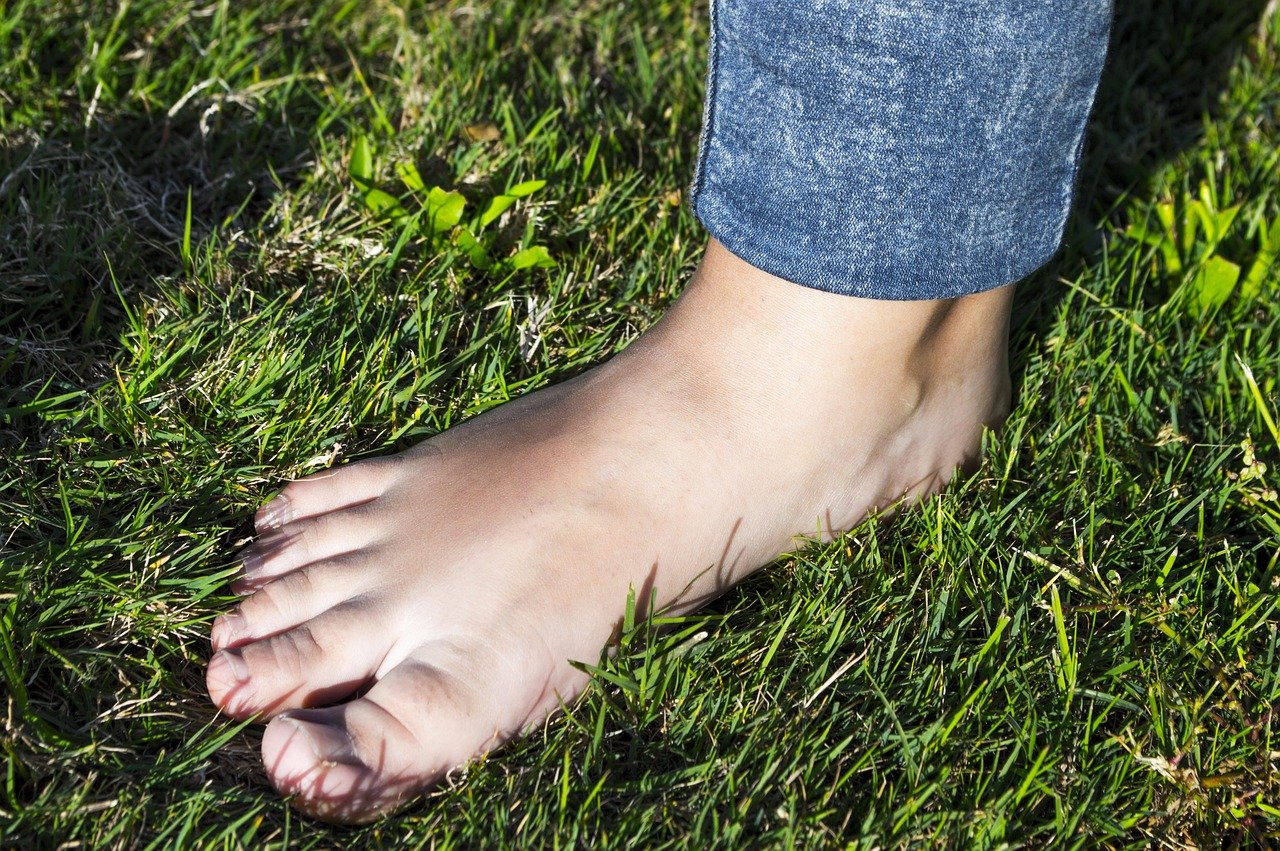
It is tempting to think of the big toe as just one of five. In reality, it does a disproportionate share of the work. During the push-off phase of walking and running, the first ray, meaning the big toe and first metatarsal together, carries a large portion of your body weight. Studies often put the figure somewhere around 40 to 60 percent of load at toe-off, though the exact number shifts depending on the study and how it was measured. Treat any single percentage as a rough guide rather than a fixed law.
That load-bearing role explains a lot. It is why a sore big toe changes how you walk, sometimes without you noticing. People unconsciously shift weight to the outside of the foot to protect a painful hallux, and that compensation can ripple upward into the ankle, knee, and hip. A small problem in a small joint can quietly reshape your whole gait.
The big toe also matters for balance. When you stand still, the toes grip and adjust constantly, making tiny corrections that keep you steady. In some non-human primates, the hallux is opposable and can grip like a hand. Humans lost that ability as we evolved for bipedal movement, but we kept the toe’s role as a stabilizer and a lever.
Common Problems That Affect the Big Toe
The hallux is sturdy, but it is also exposed to pressure, friction, and repetitive strain every day. A handful of conditions account for most complaints.
Bunions (Hallux Valgus)
A bunion is a lateral deviation of the big toe at the MTP joint, often with a bony bump on the inner side of the foot where the first metatarsal head pushes outward. It develops gradually, and prevalence rises with age. Bunions are more common in women, though estimates vary widely between populations and depend heavily on how the condition is defined. Tight shoes and inherited foot shape are both commonly discussed factors.
Hallux Rigidus
Hallux rigidus is osteoarthritis of the first MTP joint. It causes stiffness and pain, especially when the toe needs to bend upward during walking. It is the most common arthritic condition of the foot. People often notice it first as a dull ache after activity, or as a grinding sensation when the joint moves.
Gout
The first MTP joint is the classic site of acute gout, a condition sometimes called podagra. Urate crystals deposit in and around the joint, triggering sudden, severe pain, swelling, and redness. It is one of the most dramatic foot problems a person can experience, and it frequently strikes the big toe first.
Turf Toe
Turf toe is a sprain of the ligaments and capsule on the underside of the first MTP joint. It classically happens when the toe is forced into hyperextension, often on artificial turf, which is where the name comes from. The term gained popularity in American football reporting in the 1970s.
Toenail Issues
The big toenail grows slowly, roughly 1 millimeter per month on average, though the rate varies with age, circulation, and season. Because it grows slowly and takes a lot of pressure inside shoes, the hallux nail is prone to thickening, fungal infection, and ingrown edges.
| Condition | Main symptom | Typical trigger |
|---|---|---|
| Bunion (hallux valgus) | Bump and toe deviation | Footwear, genetics, age |
| Hallux rigidus | Stiffness and pain | Joint wear over time |
| Gout | Sudden severe pain and swelling | Urate crystal deposits |
| Turf toe | Pain at the joint base | Forced hyperextension |
| Nail problems | Thickening, ingrown edges | Pressure and slow growth |
Practical Habits That Actually Protect the Big Toe
Knowing the anatomy is useful, but most people want to know what to do. The good news is that a few consistent habits make a real difference. The less good news is that some popular fixes do not work as well as people hope.
Choose shoes with a wide toe box. This is the single most effective everyday habit. A toe box that lets the big toe sit straight, without pressing against its neighbor, reduces the sideways force that contributes to bunions. Shoes that taper to a point squeeze the hallux inward with every step.
Watch the heel height. High heels shift weight onto the forefoot and push the toes into the front of the shoe. Occasional wear is fine, but daily wear loads the first MTP joint in a way it was not designed to handle.
Do not ignore early stiffness. A toe that feels stiff in the morning but loosens up during the day is sending a signal. Catching hallux rigidus early gives you more options, from footwear changes to targeted exercises, before the joint becomes fixed.
Respect pain during sport. Turf toe often starts as a minor twinge that athletes push through. Continuing to play on a sprained MTP joint is a common mistake that turns a short recovery into a long one.
Keep nails trimmed straight across. Cutting the big toenail with curved edges encourages ingrown corners. A straight cut with gentle filing at the corners is the safer habit.
One mistake people make constantly is self-diagnosing a bump as a bunion when it could be something else, such as gout or a different joint problem. The treatments differ enormously, so a proper assessment matters when pain is persistent or sudden.
When the Big Toe Deserves Professional Attention
Some foot problems settle on their own. Others need help. A few signs suggest it is time to stop guessing.
Sudden, intense pain with redness and swelling at the base of the big toe, especially at night, deserves prompt medical attention because gout is treatable and flares can be shortened. A toe that has become visibly angled, with a growing bump, is worth evaluating before it progresses. Pain that persists for weeks, limits walking, or comes with numbness or changes in the skin should also be checked.
There is an unexpected connection between foot care and the screens many people stare at all day. Hours spent sitting at a desk or gaming setup can lead to poor circulation and stiffness in the lower legs, and small ergonomic changes matter more than people expect. Readers who care about crisp text on a large display may find that the same attention to detail pays off for their posture and foot health, much like the settings discussed in this guide to getting crisp text on a big screen with tv chroma 444 for pc use. The principle is the same: small adjustments, consistently applied, produce outsized results.
The Big Toe in Everyday Life and Culture
The hallux shows up in surprising places. It appears in sports medicine as a source of career-altering injuries. It appears in rheumatology as the telltale joint of gout. It even appears in the way we describe clumsiness, since stubbing a toe is a universal small disaster.
The toe also reflects how we live. Populations that go barefoot or wear minimal footwear tend to show different rates of toe deformity than populations that wear narrow, elevated shoes. That contrast is one of the clearest natural experiments in foot health, and it keeps researchers interested in how modern footwear shapes the foot over a lifetime.
For anyone tracking broader trends in technology and how people spend their days, it is worth remembering that physical health and digital habits are linked. The same way a reader might dig into big tech earnings coverage and the shifting priorities of major companies, a person can track their own habits and notice where small changes compound. Curious readers who follow developments like the analysis of big tech earnings oct 2829 copilot kiro gemini code assist may recognize the pattern: attention to detail, applied over time, is what separates good outcomes from bad ones. Feet work the same way.
Conclusion
The big toe is easy to overlook until it hurts, and then it becomes impossible to ignore. Two bones, one critical joint, and a pair of tiny sesamoid bones handle a remarkable share of the load every time you take a step. Bunions, hallux rigidus, gout, turf toe, and nail problems are common, but they are not inevitable. Wider shoes, sensible heel heights, early attention to stiffness, and a willingness to get persistent pain checked can protect this small but mighty joint for decades.
The takeaway is simple. Your big toe is not a minor detail of your foot. It is a load-bearing lever, a balance sensor, and a daily workhorse. Treat it that way, and it will keep doing its job quietly, step after step.
Frequently Asked Questions
What is the big toe called in anatomy?
It is called the hallux, from the Latin word for big toe. The corresponding term for the thumb is pollex. The hallux has two phalanges instead of the three found in the other toes and connects to the first metatarsal at the MTP joint.
Why does the big toe carry so much weight?
The first ray, meaning the big toe and first metatarsal, acts as the main lever for push-off during walking and running. It carries a large share of body weight at toe-off, often estimated at roughly 40 to 60 percent, though figures vary by study and measurement method.
What is the difference between a bunion and hallux rigidus?
A bunion, or hallux valgus, is a sideways deviation of the big toe with a bony bump at the joint base. Hallux rigidus is osteoarthritis of the same joint, causing stiffness and pain rather than visible deviation. They can occur together, but they are different conditions with different treatments.
Why does gout attack the big toe?
The first MTP joint is the classic site for acute gout because urate crystals tend to deposit there. The result is sudden, severe pain, swelling, and redness, often striking at night. It is one of the most common reasons for intense big-toe pain that appears out of nowhere.
Can you prevent bunions?
There is no guaranteed way to prevent bunions, since genetics and foot shape play a role. However, wearing shoes with a wide toe box, avoiding tight pointed styles, and limiting high heels reduces the sideways pressure that contributes to their development.
How fast does the big toenail grow?
The big toenail grows slowly, averaging about 1 millimeter per month. The rate varies with age, circulation, and season, which is why toenail problems can take a long time to grow out and why proper trimming habits matter.



