
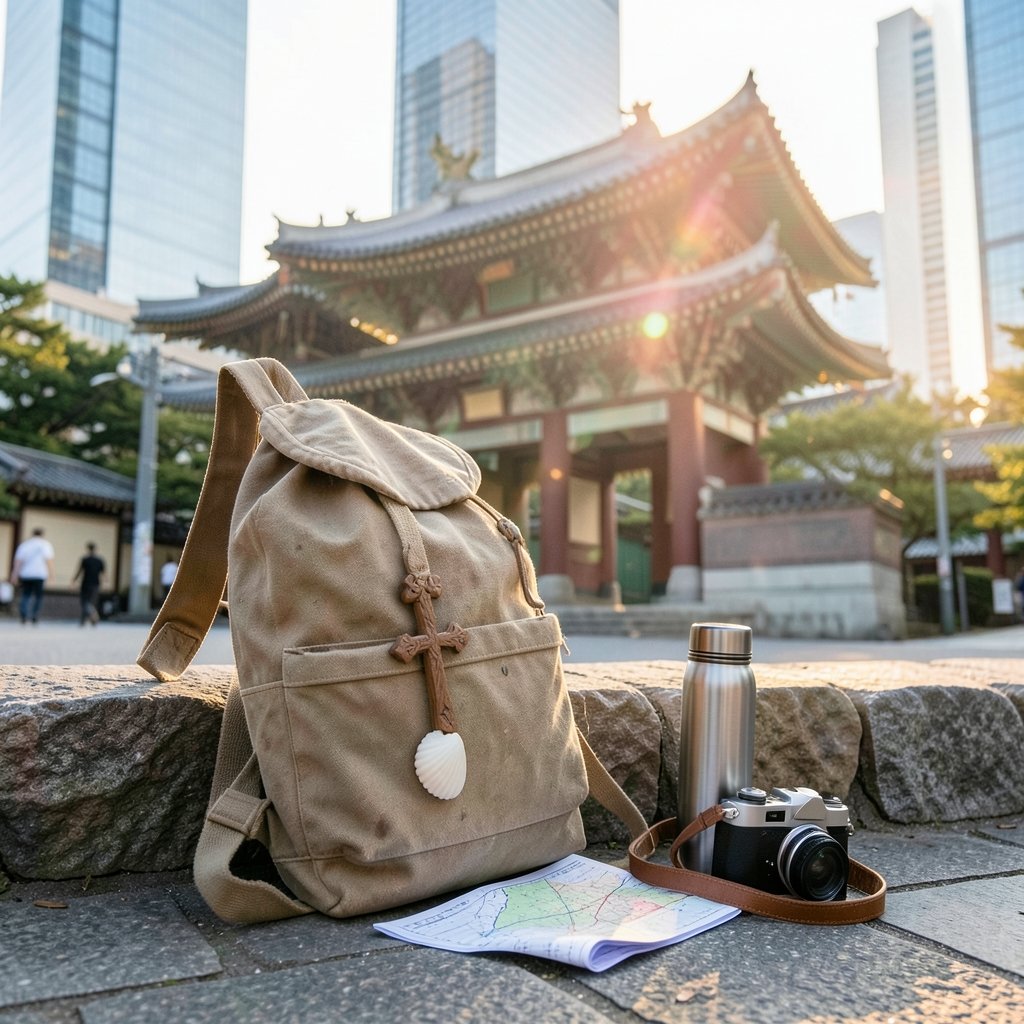
What if the biggest Catholic gathering of the decade lands in a city where K-pop, ancient palaces, and a 24-hour food scene share the same subway map? That is the promise of World Youth Day 2027, and it is already reshaping travel plans for young Catholics from Manila to Madrid. The event is set for Seoul, South Korea, in August 2027, and while organizers still have details to lock down, the broad shape of the pilgrimage is clear enough to start planning. This guide walks through what is confirmed, what is still uncertain, how to prepare well, and the mistakes that trip up first-time international pilgrims.
Why Seoul 2027 Matters More Than a Typical Pilgrimage
World Youth Day is a global gathering of young Catholics, usually ages 16 to 35, convened by the Vatican’s Dicastery for Laity, Family and Life together with the local Church. The Seoul edition was announced by Pope Francis at the closing Mass of World Youth Day Lisbon 2023, held at Parque Tejo in Lisbon on 6 August 2023, with Korean youth on stage as the host city was revealed.
Two details give this edition unusual weight. First, it will be the first World Youth Day in East Asia and the first in South Korea. Previous Asian hosts were Manila in 1995 and, in a plan derailed by COVID-19, Jakarta. Second, the scale is enormous: Lisbon 2023 reported roughly 1.5 million people at its closing Mass, though attendance figures are always organizer and press estimates rather than audited counts.
For pilgrims, that combination means a genuinely different cultural experience from the European editions most people picture. It also means logistics deserve more attention than usual, because demand for flights and beds in Seoul will spike in a compressed window.
What Is Confirmed and What Is Still Open

Honest planning starts with separating firm facts from rumor. Here is the current picture as of late 2026.
| Item | Status |
|---|---|
| Host city | Seoul, South Korea |
| Month | August 2027 (specific dates to be confirmed by organizers) |
| Announced | 6 August 2023, at the Lisbon closing Mass |
| Organizing bodies | Dicastery for Laity, Family and Life with the Seoul Archdiocese and the Catholic Bishops’ Conference of Korea |
| Theme or motto | Not officially confirmed in available records; check the official site |
| Days in the Dioceses | Expected in the week before central events, following the pattern of prior editions; Seoul-specific schedule unconfirmed |
| Registration details | May have been published since; verify before paying anything |
The lesson here is simple. Anyone who quotes you exact dates, a theme, or a registration fee without pointing to an official announcement is guessing. Because the event is only about nine months away, organizers may have released details recently. Confirm everything twice before you book.
The Practical Case for Planning Early
Seoul is a superb tourist city, but August is peak domestic travel season in Korea, and a million-plus pilgrims arriving at once will strain hotel inventory. The people who end up with good, affordable beds are the ones who start early and stay flexible.
A few practical observations from how past World Youth Days have played out:
- Group accommodation beats solo booking. Parishes, dioceses, and movements typically negotiate blocks of rooms, school gyms, or family homestays. Independent travelers often pay more for worse locations.
- Registration usually runs through your local diocese, not directly with the Vatican. If you plan to attend with a group, ask your diocese when their sign-up opens rather than waiting for a global announcement.
- Flight prices move first. Long-haul fares to Incheon tend to climb as the event nears. Booking refundable or changeable tickets early is usually smarter than chasing a slightly cheaper non-refundable fare you cannot move.
If you have ever wondered how much planning discipline pays off on big-ticket trips, the same logic that explains how much money does Disney World make in a day applies here: demand concentrates, prices respond, and the prepared traveler wins. The honest numbers behind mass events are always about timing, not luck.
What the Days Actually Look Like
World Youth Day has a recognizable rhythm, refined over decades. The Seoul edition will almost certainly follow it, even if the fine print changes.
- Days in the Dioceses. Pilgrims spread across Korean dioceses for several days of local hospitality, parish visits, and cultural exchange. This is often the part people remember most fondly, because it is small-scale and personal.
- Opening events in the host city. Catechesis sessions, concerts, and the formal opening Mass draw the whole crowd together.
- The weekend vigil and closing Mass. A large outdoor overnight vigil, usually in a park or open field, followed by the final Mass the next morning. Expect walking, heat, and very long lines.
August in Seoul means heat and humidity, with monsoon-season rain possible early in the month. Pilgrims who have done Lisbon or Panama will tell you the same thing: the closing weekend is physically demanding, and comfort depends on preparation, not enthusiasm.
A useful mental model is to treat the trip as two events. The diocesan days are a warm-up with real rest. The central days are a marathon. Pack and pace accordingly.
How to Prepare Without Overpaying
Budgeting is where most first-timers go wrong, usually by underestimating the small stuff. A realistic plan covers flights, registration, accommodation, food, local transport, and a buffer for the unexpected.
Practical tips that genuinely work:
- Build a buffer of at least 15 percent. Group schedules change, and you will want money for a SIM card, a T-money transit card, and the occasional air-conditioned café.
- Learn basic Korean phrases. Seoul is very English-friendly, but greetings and thank-yous go a long way, especially in homestays.
- Pack light and layer. Laundry is cheap and easy in Korean cities; hauling a giant suitcase through crowded transit is not.
- Sort your phone before you fly. An eSIM or local SIM makes maps, translation, and group coordination dramatically easier.
On the tech side, translation apps have improved enormously, and picking the right one matters when you are navigating a city where signage mixes Hangul and English. A comparison of the best AI translation tools in 2027, DeepL vs ChatGPT vs Google, is worth ten minutes before departure. Likewise, if you are coordinating a parish group, the same workflow differences between Kotlin and Java that shape developer habits also illustrate a broader point: tools shape behavior, so choose group chat and shared-document tools your whole team will actually use.
Common mistakes to avoid:
- Booking non-refundable flights before dates are confirmed. Tempting, occasionally costly.
- Assuming you can find a hotel in central Seoul two months out. You probably cannot, at least not affordably.
- Skipping travel insurance. Heat, crowds, and long walks produce sprains and dehydration more often than people expect.
- Ignoring your diocese’s deadlines. Group registration windows close earlier than you think.
Safety, Security, and Digital Hygiene Abroad
Large gatherings always attract attention, and pilgrims should treat their digital life with the same care as their passport. Public Wi-Fi in cafés and transit hubs is convenient but not always safe. Using a password manager and avoiding banking on open networks is basic hygiene.
If you want to understand how layered login protection works in practice, the multi-factor authentication examples in real-world setups are a helpful primer. Turn on two-factor authentication for email, banking, and social accounts before you travel, and keep backup codes somewhere offline. For group organizers handling registrations or payments, a quick read on vulnerability scanning examples and the tools they use explains why even small organizations should check their systems rather than assume they are fine.
None of this is meant to sound alarming. Seoul is a very safe city with excellent public infrastructure. The point is that a few minutes of setup prevents the kind of disruption that ruins a pilgrimage.
The Cultural Side: Why This Edition Is Different
World Youth Day has always been partly a travel experience, but Seoul offers something distinctive. Pilgrims can move between a 600-year-old palace, a street market, a mountain trail, and a K-pop district in a single afternoon. Korean Catholicism also has a remarkable story: the faith took root largely through laypeople rather than missionaries, and the Church grew under persecution before becoming a significant part of modern Korean society.
That history gives the event a deeper texture. Catechesis sessions will likely draw on Korean Catholic witness, and the local Church has been preparing for years. For pilgrims, the practical takeaway is to build in extra days before or after the official program. Two or three buffer days let you recover from jet lag, see the city without a crowd, and actually rest.
If you are traveling with a group that includes downtime, planning a shared activity helps. Even something as simple as booking a cinema outing can keep a large group sane on a rest day, and checking showtimes to find and book seats in advance is a small example of the kind of coordination that makes group travel smoother.
How to Verify Details Before You Commit
Because the event is close and information may have changed since this was written, treat every plan as provisional until confirmed. A simple verification routine works:
- Check the official World Youth Day site and the Dicastery for Laity, Family and Life for dates, theme, and registration.
- Check the Archdiocese of Seoul and the Catholic Bishops’ Conference of Korea for local preparation news.
- Confirm with your own diocese, which will have the authoritative group registration process.
- Re-check a month before booking anything non-refundable.
If a detail is not on an official channel, assume it is unconfirmed. That single rule prevents most planning disasters.
Conclusion
World Youth Day 2027 in Seoul is shaping up to be a landmark edition: the first in East Asia, hosted by a Church with a striking history, in a city that rewards curiosity. The confirmed facts are simple. Seoul, August 2027, announced on 6 August 2023, organized by the Vatican’s laity dicastery with the Korean Church. Everything else, from exact dates to the theme, needs checking against official sources as the event approaches.
The pilgrims who get the most out of it will not be the ones who booked first. They will be the ones who planned early, stayed flexible, verified details, and left room for the unexpected. Start with your diocese, build a realistic budget, sort your phone and your documents, and pack for heat. Then let the city do the rest.
Frequently Asked Questions
When exactly is World Youth Day 2027?
It is scheduled for August 2027 in Seoul, South Korea. Specific dates were to be confirmed by organizers, so check official channels before booking travel.
Is this the first World Youth Day in Asia?
It is the first in East Asia and the first in South Korea. Manila hosted in 1995, and Jakarta was planned for 2023 but was replaced by Lisbon because of the COVID-19 pandemic.
Who organizes World Youth Day?
The Dicastery for Laity, Family and Life at the Vatican convenes the event together with the local Church. For Seoul, the Archdiocese of Seoul and the Catholic Bishops’ Conference of Korea are the local hosts.
How much does it cost to attend?
Costs vary widely by country and by whether you travel with a diocesan group. Budget for flights, registration, accommodation, food, local transport, and a buffer of at least 15 percent for surprises.
Do I need to register through my diocese?
In most cases, yes. Group registration through a diocese or recognized movement is the standard route, and those deadlines usually close earlier than people expect.
What should I pack for Seoul in August?
Light, breathable clothing, rain protection, comfortable broken-in shoes, a refillable water bottle, and a portable charger. Expect heat, humidity, and long walking days during the closing weekend.



