
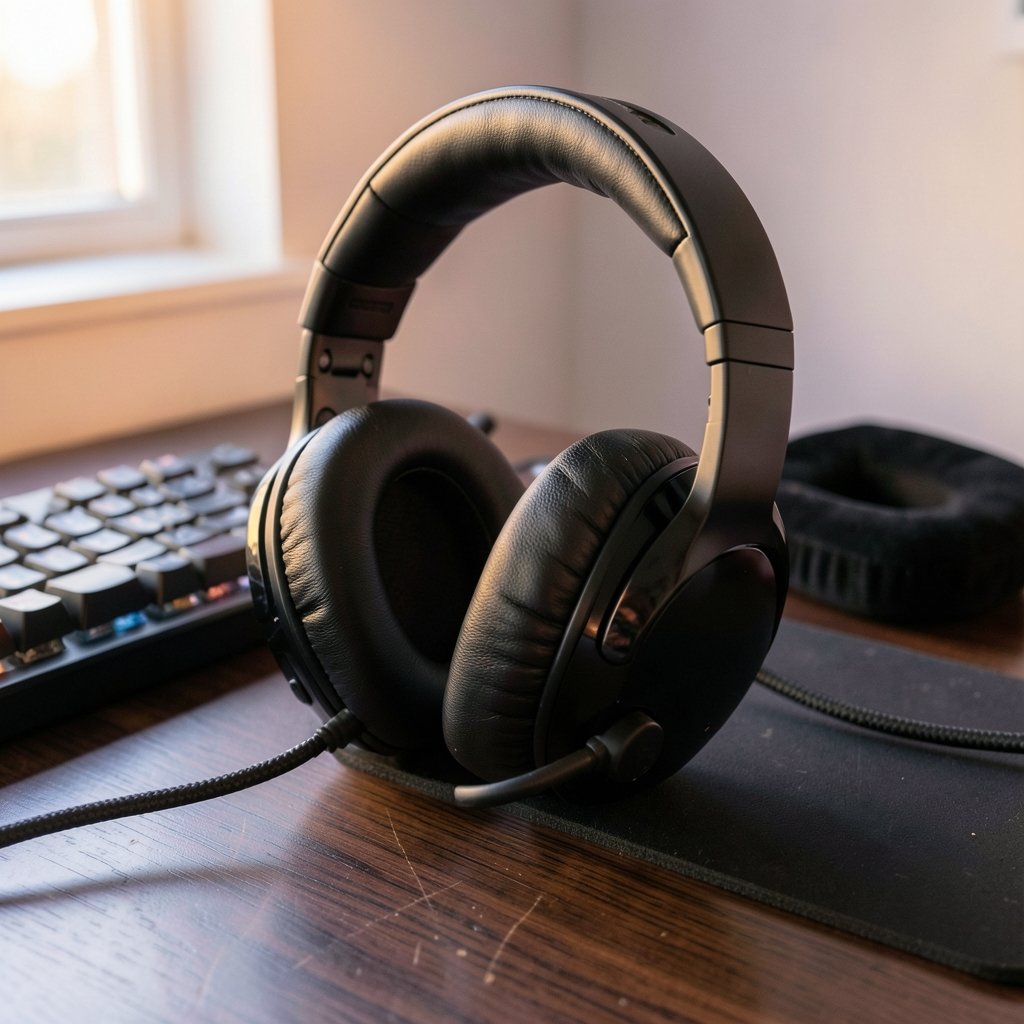
Quick Answer: Which gaming headsets are best for competitive gaming?
The best competitive gaming headsets prioritize accurate directional audio, a clear microphone, and comfort over long sessions rather than raw bass or flashy features. In practice, that means a wired stereo headset with strong imaging, a closed-back design for isolation, and a boom mic with noise rejection, paired with software spatial audio only if it genuinely helps you place sounds.
Open-back models can offer a wider soundstage, but they leak sound and isolate poorly, so they suit quiet rooms rather than loud ones. Bluetooth sets trade latency for convenience, which rarely pays off in fast-paced play.
Before buying, compare connection type, driver and imaging quality, mic clarity, weight and clamp force, platform compatibility, and whether surround is hardware or simulated software.
Does a $300 headset really make you a better player than a $90 one? Sometimes. Often not. The truth about competitive gaming audio is messier and more interesting than the marketing suggests, and it comes down to a handful of things that actually affect how fast you react to what you hear.
What “Best” Actually Means in Competitive Gaming
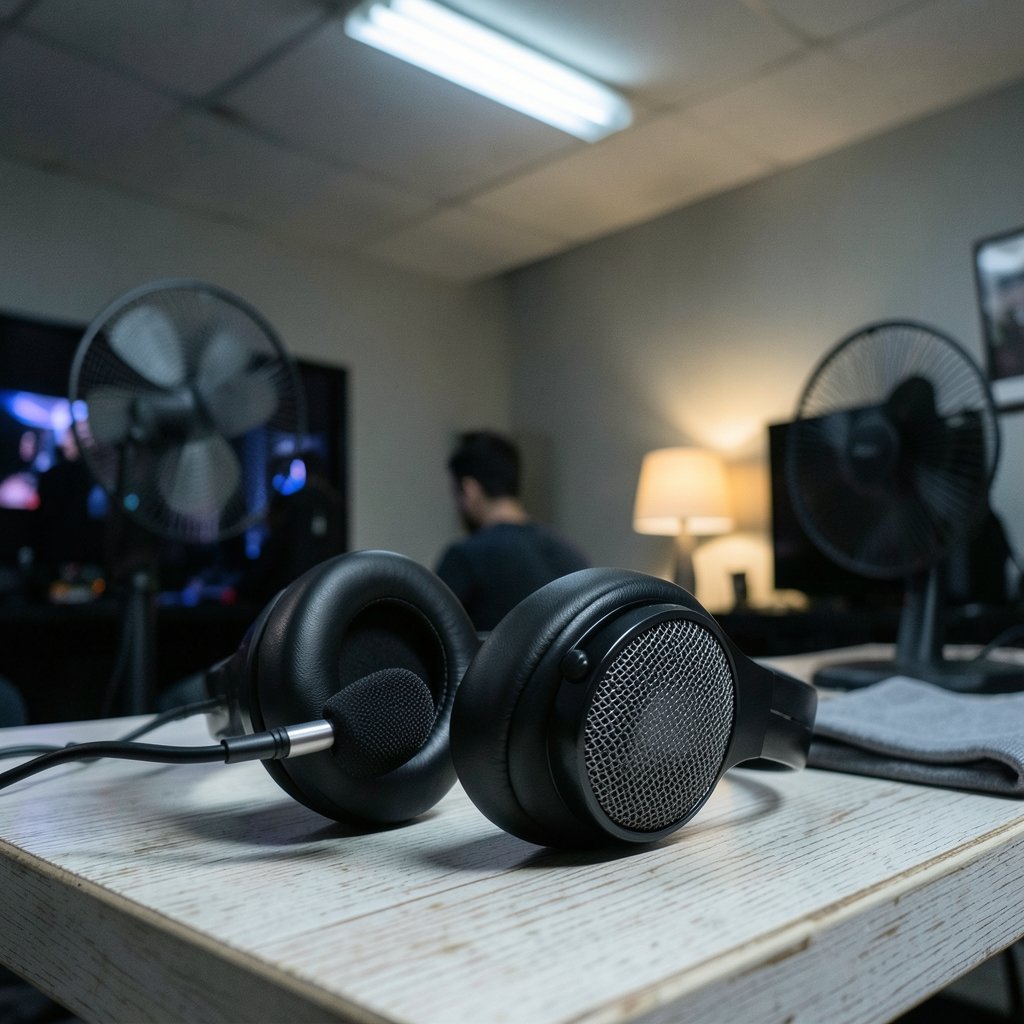
Competitive play is a listening sport disguised as a shooting or strategy game. A player needs to catch a footstep behind a wall, tell whether a reload is happening two rooms away, and hear a teammate’s callout through gunfire. That is not the same job as enjoying a cinematic soundtrack.
So the priorities flip. Soundstage and imaging matter more than thumping bass. Imaging is the ability to place a sound precisely in space, left to right and front to back. Soundstage is how wide and deep that space feels. A headset that nails both lets a player build a mental map of the battlefield from audio alone.
Closed-back designs dominate gaming headsets because they seal the ear from room noise. Open-back headphones generally create a wider, airier soundstage but leak sound in both directions, so a noisy room or a nearby fan can wreck the advantage. Neither is universally better; the room decides.
One more thing worth flagging: the “7.1 surround” sticker on a box is frequently simulated in software rather than true multichannel hardware. Buyers should check whether surround processing runs on the headset or in an app, because that changes how it behaves across games and platforms.
The Features That Actually Change Your Game
Plenty of headset specs are noise. A few genuinely move the needle.
Connection type and latency
Wired connections generally beat Bluetooth on latency. Bluetooth audio adds delay that varies by codec and device, commonly tens of milliseconds and sometimes well over 100 ms. In a game where a fraction of a second decides a duel, that lag is a real handicap. A 2.4 GHz wireless dongle sits in a better spot than Bluetooth for most players, and plain wired sits at the top for reliability.
If networking is part of your setup, understand how your connection shapes the entire experience alongside your headset. Latency and stability also apply to your internet link, so ethernet vs wi fi gaming pairs naturally with choosing audio gear.
Microphone quality
A competitive team lives on voice chat. A mic that picks up keyboard clatter and a whirring fan forces teammates to filter out noise instead of listening to callouts. Look for a boom mic with noise rejection and test it in a real voice channel before trusting it. Discord’s own voice settings documentation is a practical place to learn how noise suppression and input sensitivity interact with your hardware.
Comfort and weight
Multi-hour sessions punish heavy headsets and tight clamp force. Earcup material matters too: breathable fabric runs cooler than pleather over long stretches. This is subjective and there is no standard metric, so the honest advice is to buy from a seller with a generous return window and wear the thing for a full evening.
Platform fit
A headset tuned for PC software may lose its surround features on a console. Check compatibility before falling in love with a spec sheet. Console players weighing their whole setup may find it useful to compare gaming consoles 2026 options alongside audio choices, since platform decides which headset features even function.
Stereo vs. Virtual Surround: The Argument That Won’t Die
Ask ten competitive players and you will get a split verdict, and that split is genuine rather than ignorance.
| Approach | Strengths | Weaknesses | Who tends to prefer it |
|---|---|---|---|
| Plain stereo | Clean, unprocessed directional cues; consistent across games | Narrower sense of space | Many competitive players and coaches |
| Virtual surround (software) | Wider perceived space; helpful in some single-player and cinematic titles | Processing can blur precise cues; varies by game and app | Players who like immersion and spatial cues |
Software spatial audio is widely available and often free. Windows Sonic for Headphones ships with Windows 10 and 11, and Dolby Atmos for Headphones and DTS Headphone:X run as paid apps. All three work with most ordinary stereo headsets, which means a buyer does not need a “surround headset” to try spatial audio at all.
The practical move is to test both in the specific games you play. Load into a training range, close your eyes, and have a friend walk around you. If virtual surround smears the direction, turn it off. If it sharpens it, keep it. Trust your ears over a forum argument.
Wired, Wireless, or Bluetooth: Picking the Right Connection
Here is where buyers make the most expensive mistake. They pay for wireless freedom and then wonder why their audio feels slightly behind.
Wired headsets win on latency and never need charging. A 2.4 GHz wireless set with its own dongle is the next best thing and has become genuinely good. Bluetooth is the weakest link for competitive timing because of codec-dependent delay, though it is fine for casual listening and calls.
A simple decision path helps:
- If you play ranked modes and hate charging, buy wired.
- If cable clutter genuinely bothers you, buy 2.4 GHz wireless with a dongle, not Bluetooth.
- If you want one headset for phone calls, music, and gaming, accept that Bluetooth will be the compromise.
- Whatever you choose, test the mic in a real call before your first ranked match.
The broader hardware picture matters too. Pairing a fast headset with a slow display undercuts the whole chain, which is why serious players also study which gaming monitors for competitive gaming actually deliver the response times they advertise.
How to Test a Headset Before You Commit
Most buyers judge a headset in the first ten minutes, when everything sounds impressive. The real test happens later. Here is a routine that separates good from merely loud.
First, run a footstep test in a game you know well. Walk a loop while a friend moves around you at distance. Can you tell front from back, and near from far? Second, run a chaos test: play a match with explosions and voice chat running and check whether callouts stay intelligible. Third, run a comfort clock: wear the headset for two hours without adjusting it and note where it presses.
Common mistakes show up again and again. Buyers crank virtual surround to maximum and then complain about muddy audio. They buy a headset with a detachable mic and forget the mic needs a separate cable. They chase bass-heavy tuning because it feels exciting in a review video, then find footsteps buried under low-end rumble. They also ignore earcup heat, which quietly ruins long sessions.
One underrated tip: keep a spare set of earpads. They wear out long before the drivers do, and swapping them is cheaper than replacing a headset.
Where the Rest of Your Setup Fits
A headset does not exist in a vacuum. It sits inside a chain that includes your platform, your network, and your accessories. PC players comparing a console against a desktop should weigh how each handles audio software, which is part of the larger ps5 pro vs gaming pc decision. Handheld players face a different trade-off entirely, and anyone weighing portable options will find the best handheld gaming consoles 2026 comparison useful for understanding which devices support which headsets.
Key sites and storefronts also shape what you can afford. Buyers hunting for deals should understand how key marketplaces differ before spending, and a breakdown of eneba vs cdkeys vs green man gaming helps separate legit savings from risky ones. None of that changes the audio physics, but it changes how much headset your budget can buy.
A Note on Hearing Health
Competitive players log serious hours, and volume creeps up as sessions stretch. Public-health guidance is consistent on this: prolonged loud headphone use risks hearing damage, and simple rules like keeping volume around 60 percent for no more than 60 minutes at a time exist for good reason. A headset that isolates well lets you listen at lower volume, which is a genuine health benefit disguised as a spec.
Do You Need to Spend a Lot?
No single “best” headset exists, and price is a weak predictor of competitive performance. Independent test labs publish measured frequency response and latency data, which is far more useful than a star rating. A mid-priced wired stereo headset with good imaging and a clean mic will outperform a premium set tuned for bass.
What actually separates good buys from bad ones is fit and purpose. Ask three questions: does it isolate my room, does it place sounds accurately, and can my teammates hear me clearly? If the answer is yes on all three, the price tag stops mattering much.
Conclusion
The best competitive gaming headset is the one that lets you hear direction, distance, and detail without thinking about the hardware. That usually means a wired or 2.4 GHz stereo set with strong imaging, a closed-back design for isolation, a boom mic that rejects noise, and enough comfort to survive a long session. Virtual surround is a tool, not a requirement, and the stereo-versus-spatial debate is genuinely unsettled, so test it in your own games rather than trusting a label.
Spend your budget on the fundamentals and skip the marketing. Your ears, your teammates, and your rank will all notice the difference.
FAQ
Are expensive gaming headsets worth it for competitive play?
Sometimes, but price is a poor guide. A mid-range wired headset with accurate imaging and a clean mic often beats a premium bass-heavy model. Spend on isolation, directional accuracy, and mic clarity rather than brand prestige.
Is virtual surround sound better than plain stereo for competitive gaming?
It depends, and players genuinely disagree. Virtual surround can widen the sense of space, but processing sometimes blurs precise cues. Many competitive players prefer clean stereo. Test both in your own games and keep whichever helps you place sounds faster.
Do pro players use wireless headsets?
Many do, but usually 2.4 GHz wireless with a dedicated dongle rather than Bluetooth. Wired remains the safest choice for latency and reliability. Bluetooth is best kept for casual listening and phone calls.
How important is the microphone on a competitive headset?
Very. Team communication decides rounds, and a mic that picks up keyboard noise forces teammates to filter out clutter. Test your mic in a real voice channel, adjust input sensitivity, and consider a boom mic with noise rejection.
Can I use any headset with spatial audio software?
Most stereo headsets work with software spatial audio options, including free ones built into modern operating systems. Check whether your platform supports the specific app, and confirm whether any surround feature runs on the headset itself or in software.
How do I know if a headset will stay comfortable for long sessions?
Weight, clamp force, and earcup material drive comfort, and there is no standard metric for any of them. Buy where returns are easy, wear the headset for a full evening, and keep spare earpads on hand for when the originals wear out.



