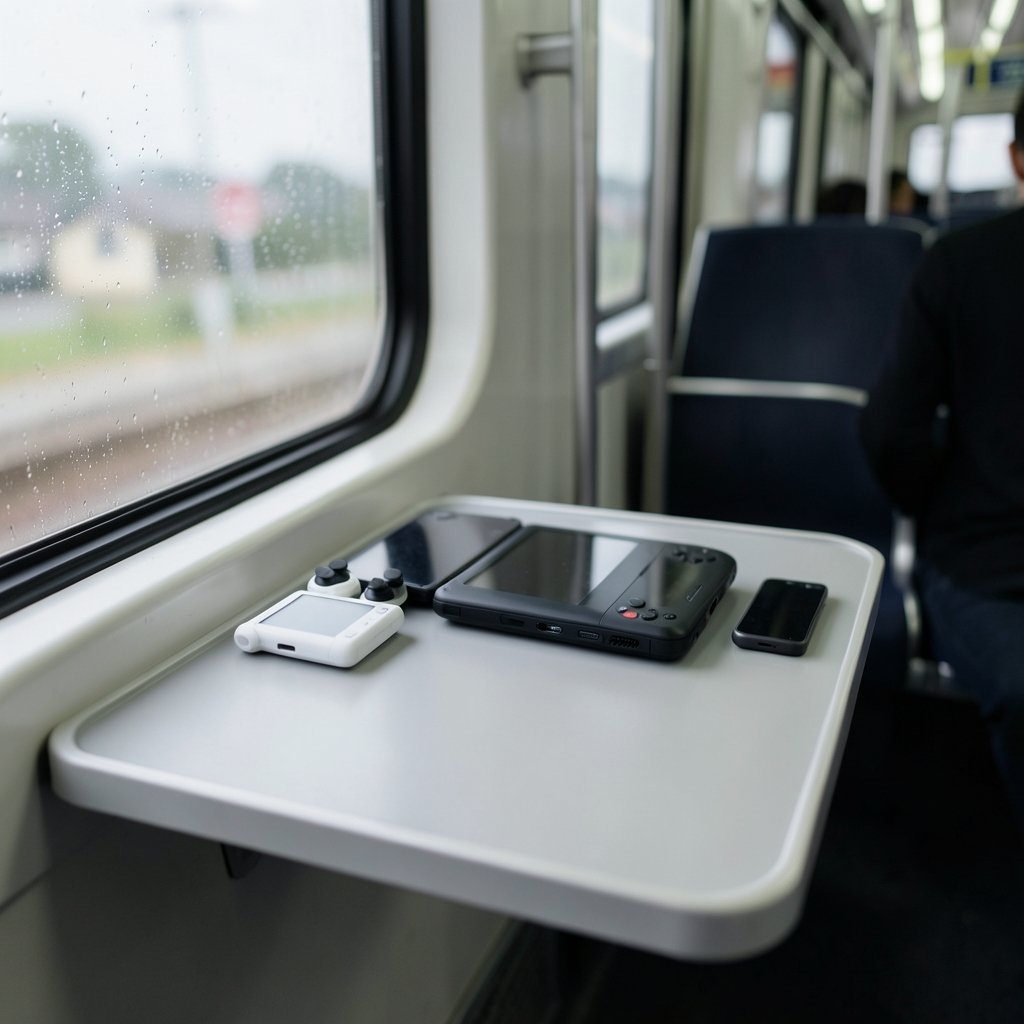
Handheld gaming has quietly become the most interesting corner of the console market. A decade ago, the phrase “handheld console” mostly meant a Nintendo device and a few niche alternatives. Today, buyers can choose between dedicated gaming machines, full Windows PCs squeezed into a controller, and Android-based retro handhelds that emulate decades of classics. That explosion of choice is great news, but it also makes picking one genuinely confusing. (Handheld game console)
This guide breaks down the best handheld gaming consoles 2026 buyers should consider, what each one is actually good at, and the mistakes people make when shopping. It focuses on practical differences rather than marketing claims, because the right handheld depends far more on how you play than on which spec sheet looks best.
Why Handhelds Exploded in Popularity
The modern handheld boom traces back to a simple idea: people want console-quality games without being tied to a TV. Valve’s Steam Deck proved that a portable PC could run a huge library of games, and competitors took notice. Since then, Windows-based handhelds from ASUS and Lenovo have joined the party, while Nintendo has continued to dominate the family-friendly and exclusive-game space.
There’s a broader cultural shift at work too. According to Wikipedia’s overview of handheld game consoles, the category has cycled through multiple eras, from the Game Boy to the Nintendo DS and beyond. Each wave has been defined by a trade-off between portability, battery life, and raw power. That trade-off still defines every buying decision in 2026.
The Main Contenders at a Glance
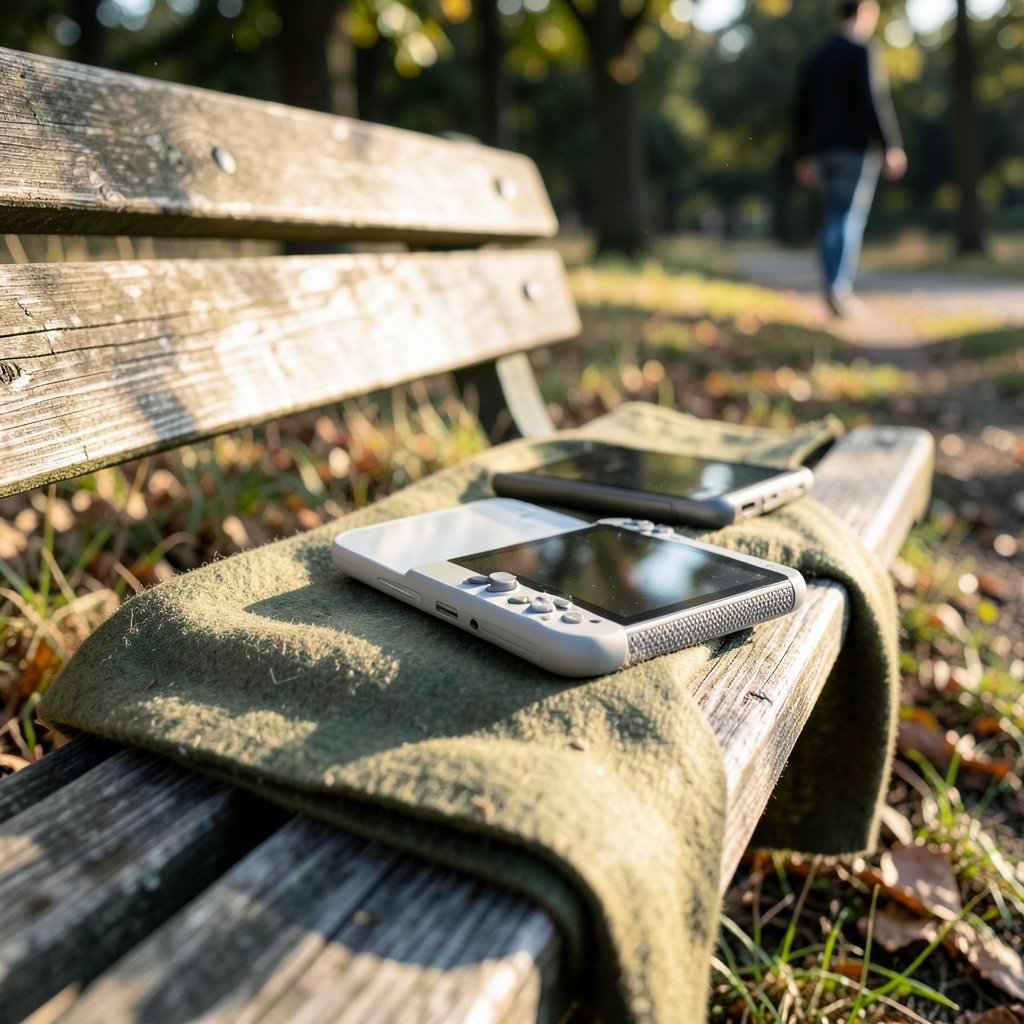
Before diving into details, it helps to see how the major options compare on the factors that matter most. The table below summarizes the general positioning of each platform. Specific models and prices change often, so treat this as a framework rather than a fixed spec sheet.
| Platform | Best For | Game Library | Typical Strength | Typical Weakness |
|---|---|---|---|---|
| Nintendo Switch 2 | Families, exclusives | Nintendo first-party plus third-party | Polished, easy setup, strong exclusives | Less raw power than PC handhelds |
| Steam Deck | PC gamers on a budget | Massive Steam catalog | Great value, mature software | Heavy games need settings tweaks |
| ASUS ROG Ally | Windows power users | PC storefronts, Game Pass | High performance, Windows flexibility | Battery life and Windows quirks |
| Lenovo Legion Go | Big-screen players | PC storefronts | Large display, detachable controllers | Bulk and weight |
| Android retro handhelds | Classic and emulated games | Retro libraries | Portability and price | Not built for modern AAA titles |
The key insight: these devices are not really competing for the same buyer. A parent shopping for a family console has different needs than a PC enthusiast who wants to play their Steam library on a train.
Nintendo Switch 2: The Safe, Polished Choice
Nintendo announced the Switch 2 in January 2025 and revealed full details that April, with the system launching later that year. For most households, it remains the easiest recommendation. Nintendo’s first-party games are consistently excellent, the setup is simple, and the hybrid design means it works as both a handheld and a living-room console.
If you’re buying for a family, the Switch 2 is almost certainly the right starting point. It fits naturally alongside the advice in this guide to the best gaming consoles for families, which emphasizes ease of use and kid-friendly libraries over raw horsepower. The main caveat is performance: demanding third-party ports will look and run better on PC-based handhelds.
One practical tip from experience: buy a screen protector and a carrying case on day one. Handheld screens scratch, and the resale value of a scratched device drops fast.
Steam Deck: Still the Value King
Valve’s Steam Deck remains the reference point for PC handhelds. The OLED model, released in November 2023, improved the screen and battery life over the original, and the software has matured considerably since launch. The biggest advantage is the library: thousands of games, frequent deep discounts, and a storefront that regularly runs major sales.
If you’re price-conscious, it’s worth understanding how storefront competition works. Our breakdown of Humble Bundle vs Fanatical vs Green Man Gaming explains how key resellers and bundles can cut the cost of building a library, which matters a lot when you’re buying games for a portable PC.
The Steam Deck’s weakness is the same as it’s always been: the newest, heaviest games require settings compromises. That’s not a dealbreaker, but it’s a reality. Expect to tinker if you want maximum performance.
Windows Handhelds: ASUS ROG Ally and Lenovo Legion Go
Windows-based handhelds trade polish for flexibility. The ASUS ROG Ally line and Lenovo’s Legion Go both run full Windows, which means access to multiple storefronts, Game Pass, and any launcher you like. The Legion Go’s standout feature is its large display and detachable controllers, which make it feel almost like a small tablet.
The trade-offs are real. Windows on a small touchscreen can be fiddly, battery life is often modest under load, and sleep behavior isn’t always as reliable as on a dedicated console. These devices reward users who don’t mind occasional troubleshooting.
A common mistake buyers make is comparing these handhelds to consoles on raw specs alone. What actually matters day to day is how quickly a device resumes from sleep, how hot it gets in your hands, and whether the fan noise bothers people around you. Those factors rarely appear on a spec sheet but shape whether you actually enjoy using the thing.
Retro and Emulation Handhelds: A Different Category
There’s a fast-growing segment of Android and Linux-based handhelds aimed at retro gaming. Devices like the Anbernic line let players run classic libraries in a pocketable form factor at a fraction of the price of a full console. Our Anbernic RG DDS dual screen 3DS handheld 2026 review covers one of the more unusual designs, including its dual-screen approach.
These devices are not substitutes for a Switch 2 or Steam Deck. They’re for people who love older games, want something small enough for a commute, and don’t mind a bit of setup. If that describes you, they’re fantastic value.
What to Actually Look For Before Buying
Specs matter, but the buying decision usually comes down to five practical questions. Working through them in order saves a lot of regret.
- What games do you actually want to play? Exclusives often decide the platform. If you want Nintendo titles, the choice is made for you.
- How long are your sessions? Short commutes favor light, quick-resume devices. Long flights favor bigger batteries.
- Do you mind tinkering? Windows handhelds reward patience; consoles reward plug-and-play expectations.
- Who else will use it? Shared family devices need simple accounts and durable builds.
- What’s your total budget? Include accessories, storage, and games, as well as the hardware.
Most buyer’s remorse in this category comes from skipping question one. People buy on hype, then discover the games they wanted aren’t available.
Accessories That Genuinely Improve the Experience
A few add-ons are close to essential. A microSD card or expanded storage is the first purchase for almost everyone, since modern game installs are large. A comfortable grip case makes long sessions far more pleasant, especially on larger devices. And a quality pair of headphones matters more than people expect, since built-in speakers on handhelds are usually mediocre.
If audio is a priority, our roundup of the best wireless gaming headsets 2026 is a useful companion read. Low-latency wireless makes a noticeable difference in competitive games.
The Software and Storefront Angle
It’s easy to overlook, but where you buy games shapes the long-term cost of owning a handheld. PC handhelds benefit from frequent sales and bundle sites, while console platforms tend to have more controlled pricing. There’s also ongoing industry debate about platform fees and app store economics, which affects how developers price games. Our coverage of the Apple SCOTUS 27 percent app store fee case touches on why these fee structures matter to players in the long run.
The practical takeaway: if you plan to buy a lot of games, a platform with aggressive discounts will save you more over three years than a slightly cheaper console ever will. (The Verge)
Common Mistakes to Avoid
A few traps show up again and again among handheld buyers.
The first is overbuying on power. Many people purchase the most expensive Windows handheld available, then play indie games that would run fine on a cheaper device. The second is ignoring ergonomics. A handheld you find uncomfortable after 30 minutes is a handheld you’ll stop using. The third is forgetting about storage costs, which can add a meaningful amount to the total.
Finally, don’t overlook the resale and repair picture. Devices with widely available parts and active communities are easier to keep alive. That’s part of why the Steam Deck and Switch ecosystems feel safer than niche imports.
How the Market Might Shift Later in 2026
Hardware moves fast, and several open questions could reshape this list. It’s unclear whether Nintendo will release a revised Switch 2 model, and Valve hasn’t confirmed any successor to the Steam Deck. Pricing is also volatile, since memory costs and trade policy can shift retail prices quickly.
The sensible approach is to buy for the games available now rather than waiting for a rumored device. Waiting is a strategy, but only if you’re genuinely happy not playing in the meantime. For most people, the best handheld is the one that gets used.
Conclusion
The best handheld gaming console in 2026 depends entirely on who’s holding it. Families and Nintendo fans should start with the Switch 2, which offers the smoothest experience and the strongest exclusives. PC players who want value and a huge library will find the Steam Deck hard to beat. Windows handhelds from ASUS and Lenovo suit tinkerers who want maximum flexibility, while retro handhelds serve a smaller but passionate audience.
Rather than chasing the most powerful device, match the hardware to your habits: the games you love, the length of your sessions, and your tolerance for setup. Do that, and any of these platforms will reward you for years.
Frequently Asked Questions
What is the best handheld gaming console for most people in 2026?
For the average buyer, the Nintendo Switch 2 is the safest choice. It offers polished exclusives, simple setup, and a hybrid design that works on a TV or in your hands. PC enthusiasts with large Steam libraries may prefer the Steam Deck instead.
Is a Steam Deck better than a Nintendo Switch 2?
They serve different players. The Steam Deck wins on library size, sales, and flexibility, while the Switch 2 wins on exclusives, ease of use, and family-friendly design. Neither is objectively better; the right pick depends on which games you want to play.
Are Windows handhelds worth it compared to dedicated consoles?
They’re worth it if you value flexibility and already own a PC game library. Windows handhelds run multiple storefronts and Game Pass, but they demand more patience with settings, battery life, and software quirks than a dedicated console.
How much should I budget for a handheld console?
Budget for more than the device itself. Storage expansion, a case, a screen protector, and a few games can add a significant amount to the total. Setting a full budget upfront prevents surprises and helps you compare options fairly.
Can handheld consoles play modern AAA games?
PC-based handhelds can run many modern games, though often at reduced settings and frame rates. Dedicated consoles handle their own optimized libraries well. Expect compromises on the heaviest titles, especially on battery life.
Should I wait for a new model before buying?
Only if you’re comfortable not playing in the meantime. New hardware is always rumored, and prices shift with supply and memory costs. Buying for the games available today is usually the more satisfying choice.