Around 190 million consoles have been sold across the current generation, and the next twelve months will decide which of them still deserve your money. The console market in 2026 is stranger than it has been in years: prices crept upward, mid-generation refreshes split each platform into two tiers, and handheld PCs turned “console or PC” into a genuine three-way question. Picking the best gaming console is no longer about brand loyalty. It’s about your TV, your budget, and how often you actually finish a game.
This guide breaks down what each platform does well, where it stumbles, and which one makes sense for your living room.
The 2026 Console Market at a Glance
Three traditional platforms dominate, with a fourth option (PC handhelds) hovering at the edges. Sony sells the base PS5 and the PS5 Pro, which has higher specifications. Microsoft offers the Xbox Series S and Series X, now sold largely as a digital-first platform. Nintendo’s Switch 2 replaced the aging original Switch and reset the handheld-hybrid formula. Meanwhile, the Steam Deck and its Windows-based rivals have quietly become the default second console for a lot of people.
Here’s the honest comparison:
| Console | Best for | Rough price tier | Standout strength | Main weakness |
|---|---|---|---|---|
| PlayStation 5 Pro | Visual fidelity on a 4K TV | Premium | Strongest big-budget exclusives | Highest cost, huge install sizes |
| PlayStation 5 (base) | Balanced value | Mid | Huge library, cheap used discs | Aging hardware for 4K |
| Xbox Series X | Game Pass subscribers | Mid | Subscription value, backward compatibility | Thinner exclusive lineup |
| Xbox Series S | Budget setups, secondary TVs | Entry | Cheapest current-gen entry point | 1080p focus, small storage |
| Nintendo Switch 2 | Families and portable play | Mid | Portability plus first-party magic | Weaker third-party performance |
| Steam Deck / PC handhelds | Tinkerers and PC libraries | Mid to premium | Massive library, frequent discounts | Fiddly setup, no plug-and-play polish |
The table hides the nuance, though. Price tiers shift with bundles and sales, and the “best” pick changes dramatically depending on whether you own a 4K display, play with kids, or already have a Steam library.
PlayStation 5 and PS5 Pro: The Blockbuster Machine
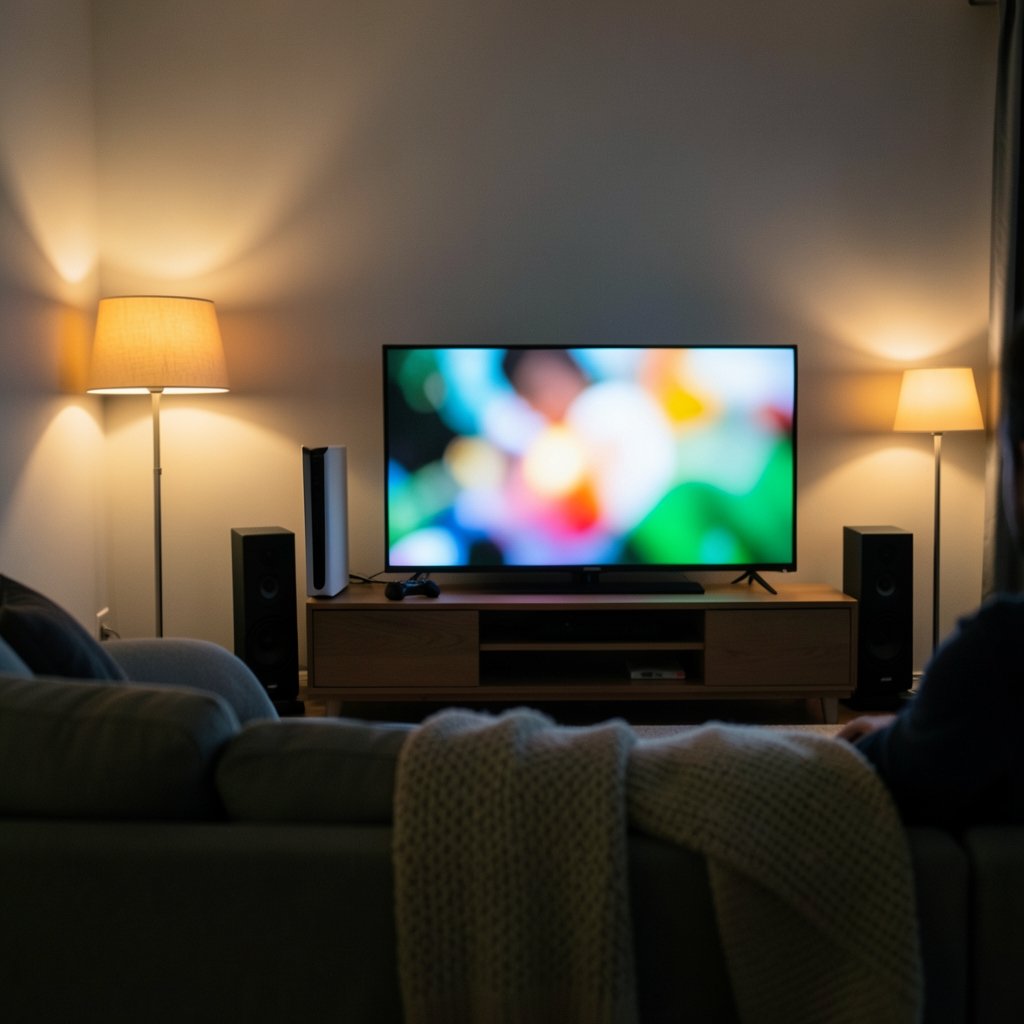
Sony’s pitch in 2026 remains simple: if you want the biggest cinematic exclusives, this is where they live. The PS5 Pro pushes higher and more stable frame rates, adds sharper upscaling, and handles ray-traced lighting more gracefully than the base model. On a good 4K set, the difference is visible in motion-heavy scenes. On a 1080p TV from 2018, you will struggle to justify the premium. (Best wireless gaming headsets 2026)
Practical advice from people who’ve set these up: the base PS5 is still the smarter buy for most households. It runs the same games, supports the same controllers, and costs meaningfully less. Spend the savings on a second controller and a year of cloud saves instead. The Pro makes sense for one specific buyer: someone with a large 4K or 8K display, a surround system, and the patience to notice the difference.
Two friction points worth flagging. First, storage. Modern blockbuster installs routinely pass 100 GB, so budget for an extra NVMe drive. Second, disc drives. The slim redesign made the drive optional on some SKUs, which saves money up front but locks you out of cheap used physical games later. If you like trading discs or buying pre-owned, buy the version with a drive.
Xbox Series X and Series S: The Subscription Play
Microsoft’s strategy has shifted from selling boxes to selling access. Game Pass remains the single best argument for an Xbox in 2026: a rotating library of hundreds of games for a monthly fee, including first-party releases on day one. If you play a lot of different titles rather than replaying one favorite, the math works out fast.
The Series X is the capable all-rounder, with strong backward compatibility stretching back through generations of Xbox discs and digital purchases. The Series S is the budget entry point, and it’s genuinely good at 1080p. The catch is storage and the all-digital design: you can’t use cheap physical discs, and the small drive fills up quickly.
There’s also context worth knowing. Microsoft’s gaming division has been through a turbulent stretch of restructuring, with studio closures and layoffs reshaping its release pipeline. That uncertainty matters if you’re buying a console for its exclusive future rather than its current library. The hardware is excellent; the roadmap is the question mark.
Nintendo Switch 2: The Family Default
Nintendo keeps winning the argument that matters most to households: fun per dollar. The Switch 2 refines the hybrid concept rather than reinventing it, with a larger, sharper screen, improved controllers, and enough power to run ports that the original Switch couldn’t handle. It still docks to a TV, still travels in a bag, and still runs Nintendo’s first-party lineup, which remains unmatched for local multiplayer.
For families, this is usually the correct answer. Mario Kart on a couch with four people beats any graphical showcase. The parental controls are straightforward, the games are largely appropriate for kids, and the portability means the console travels to grandparents’ houses and long car rides. If you’re weighing options for a household with younger players, the family-focused comparison of gaming consoles is worth reading before you commit, because the tradeoffs differ sharply from adult-focused reviews.
The honest downside: third-party blockbusters run worse here than on PS5 or Xbox, and some simply skip the platform. Treat the Switch 2 as a Nintendo machine that plays some other games, not as your only console if you crave cutting-edge releases.
Handheld PCs: The Wildcard Worth Considering
The Steam Deck and its competitors have matured into a real category. They play a huge share of PC libraries, sync saves with a desktop, and benefit from Steam’s frequent deep discounts. Sales events matter more than ever here, and knowing how the major key sellers compare helps stretch a budget further, as this breakdown of Humble Bundle vs Fanatical vs Green Man Gaming shows.
The tradeoff is polish. Handheld PCs require occasional tinkering, compatibility checks, and patience with settings menus. They’re wonderful for people who enjoy that; frustrating for people who want to press a button and play. If you already own a large Steam library, a handheld is a better second purchase than a second traditional console.
How to Choose Without Regret
Most buying mistakes come from optimizing the wrong thing. People compare teraflops when they should be comparing their own habits. Work through these steps in order:
- Check your display. A 4K TV with HDR justifies a premium console. A 1080p set does not. This single factor eliminates half the debate.
- Count your play style. Do you finish two big games a year, or sample twenty? Subscription services reward the sampler; disc-based buying rewards the finisher.
- Ask who else plays. Local multiplayer and kid-friendly libraries point to Nintendo. Solo cinematic campaigns point to PlayStation.
- Audit your existing library. Own hundreds of Steam games? A handheld PC beats starting over. Own a stack of old Xbox discs? Backward compatibility has real value.
- Budget the hidden costs. Extra controller, expanded storage, online subscription, and a headset add up. A cheaper console with expensive accessories isn’t cheaper. If voice chat and late-night sessions matter, factor in a decent headset; the best wireless gaming headsets for 2026 covers options at every price.
- Buy the current model, not the rumored one. Waiting for a hypothetical refresh usually means missing a year of games.
A common mistake: buying the highest-spec console and pairing it with a budget TV. The display caps what you get. Another: ignoring storage until the first 120 GB download. A third: subscribing to every service at once, then paying for months of unused access. Pick one subscription, cancel when you’re not using it.
The Cost of Ownership Nobody Mentions
Sticker price is only the entry fee. Over three years, subscriptions, storage, and accessories often exceed the console itself. A rough framework helps:
- Entry-level setup (budget console, one controller, one subscription): lowest upfront, highest per-game cost if you buy new releases.
- Mid-tier setup (base current-gen console, extra drive, two controllers): the sweet spot for most households.
- Premium setup (top-tier console, 4K display, surround audio): worth it only if you’ll use it weekly.
Also weigh timing. Retailers discount hardware aggressively around major shopping events, and the pattern repeats every year. Automotive discounts follow a similar seasonal rhythm, which is why guides to Black Friday car deals exist for people planning big purchases; console buyers benefit from the same calendar logic. If you can wait for a November sale window, you usually save enough for a game or two. (Video game console)
Common Setup Mistakes and Fixes
A few practical notes that reviews rarely cover but owners learn fast:
- Ventilation matters more than you think. Consoles in closed cabinets overheat and throttle. Leave clearance on all sides.
- Use a wired connection for downloads. Wi-Fi is fine for play; big updates go much faster over Ethernet.
- Enable the power-saving standby mode. Updates install overnight, so you’re not waiting when you sit down to play.
- Calibrate your TV’s game mode. Most sets ship with processing that adds input lag. Turning it off is free and instantly noticeable.
- Buy digital during sales, physical for resale. The economics differ by format, and mixing them saves real money.
Conclusion
There is no single best gaming console in 2026, and anyone who tells you otherwise is selling something. The PS5 Pro wins on spectacle, the base PS5 on balance, the Xbox Series X on subscription value, the Switch 2 on family fun, and handheld PCs on flexibility. The right choice comes down to your display, your budget, and the people you play with.
Start with your TV and your habits, not the spec sheet. Buy the model that matches today’s reality, budget for the accessories, and wait for a sale window if you can. Do that, and whichever console lands under your TV will earn its place for years.
FAQ
What is the best gaming console overall in 2026?
For most households, the base PlayStation 5 offers the best balance of price, library, and performance. It plays the same games as the Pro at a lower cost, and the exclusive lineup remains strong. Buyers with large 4K displays and a bigger budget can justify the Pro, while families often do better with a Nintendo Switch 2.
Is the PS5 Pro worth the extra money?
Only if you own a large 4K display and play visually demanding games regularly. The Pro delivers sharper upscaling and steadier frame rates, but the base PS5 runs the same library. On a 1080p TV, the upgrade is hard to notice, making the premium difficult to justify.
Which console is best for families with kids?
The Nintendo Switch 2 is usually the right pick. It has the strongest local multiplayer lineup, straightforward parental controls, and portability for travel. Games are generally appropriate for younger players, and the hybrid design means one device covers both the TV and the car ride.
Is Xbox Game Pass still worth it in 2026?
For players who sample many games rather than finishing a few, yes. A subscription spreads cost across hundreds of titles, including first-party releases. If you typically buy two or three big games a year and replay them, buying outright is often cheaper than paying monthly. (Games)
Should I buy a console or a gaming PC handheld?
Choose a console for plug-and-play simplicity, consistent performance, and living-room convenience. Choose a handheld PC if you already own a large library, enjoy tinkering with settings, and want portability. Many players eventually own both, using the handheld for travel and the console for the main TV.
When is the best time to buy a console?
Major sale windows, especially around late November, consistently produce the deepest hardware discounts and bundle offers. Buying mid-cycle rather than at launch also means a larger, cheaper game library. If you can wait a few months for a sale event, the savings usually cover a game or an extra controller.