What if the most important number on a refrigerator spec sheet isn’t the price, the capacity, or even the energy rating, but the repair rate you never see on the showroom floor? That single figure, drawn from owner surveys rather than lab tests, tells you far more about whether a fridge will still be humming quietly in year ten or leaving a puddle on your kitchen tile. The trouble is that no single model holds the “most reliable” crown year after year, and anyone who tells you otherwise is probably selling something. What follows is a practical, evidence-based way to think about refrigerator reliability, the design choices that raise or lower your risk, and the mistakes that quietly cost people thousands.
Why there is no single “most reliable” refrigerator
Shoppers love a winner. They want a name, a model number, a definitive answer. The reality is messier. Reliability rankings shift from year to year, and the data behind them comes from surveys of people who already own the appliance, not from controlled lab testing. That means the “best” brand this year may not be the best next year, and a model that performs beautifully for one household can fail early for another.
Independent reliability ratings are typically expressed as predicted repair rates: the percentage of units of a given brand or type that owners report needing repair. A lower rate means fewer reported problems. It’s a simple, honest metric, and it’s far more useful than a star rating slapped on a product page.
Here’s the practical takeaway. Instead of hunting for one perfect model, focus on three things: the type of refrigerator, its complexity, and the brand’s recent repair history. Get those right and you’re already ahead of most buyers.
The design choices that drive repair rates
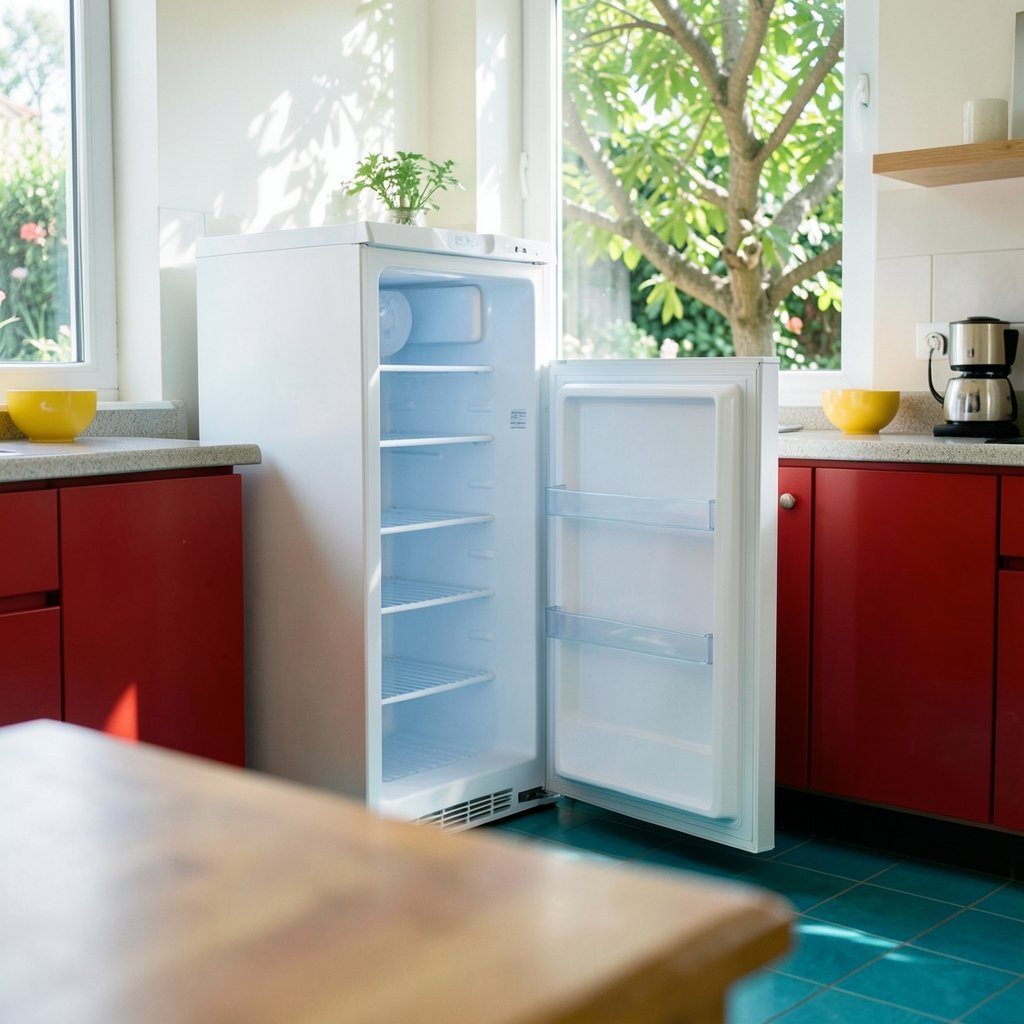
Not all refrigerators carry the same risk. The pattern in owner survey data is consistent and worth internalizing before you walk into a store.
Top-freezer models tend to have the fewest reported problems
Simple wins. A top-freezer refrigerator has fewer moving parts, fewer electronics, and a single cooling system. There’s less to break, and what does break is usually cheaper to fix. If raw reliability is your top priority and you can live without a sleek French-door look, this is the category to beat.
French-door and side-by-side models report more problems
The more complex designs, with dual evaporators, in-door ice and water systems, and dense electronics, show higher repair rates in survey data. That’s not a knock on their usefulness. It’s a simple trade-off: every added feature is another component that can fail.
Ice makers and water dispensers are a common failure point
Year after year, in-door ice and water systems are among the most frequently cited components needing repair. If you rarely use the ice maker, consider a model without one, or at least understand that you’re accepting a known weak spot. Many owners would be surprised how much of their “refrigerator problem” was really an “ice maker problem.”
| Refrigerator type | Typical complexity | Reported repair pattern | Best for |
|---|---|---|---|
| Top-freezer | Low | Fewest reported problems | Reliability-first buyers |
| Bottom-freezer | Moderate | Middle of the pack | Balance of access and simplicity |
| Side-by-side | High | More reported problems | Narrow kitchens, frequent access |
| French-door | Highest | Most reported problems | Large households, feature lovers |
Read the label correctly: efficiency is not reliability
This is one of the most common mistakes shoppers make. An ENERGY STAR label tells you a refrigerator meets energy-efficiency criteria. It says nothing about durability. The program, run by the U.S. EPA since 1992, is about electricity use, not whether the compressor will last a decade.
Similarly, federal law requires an EnergyGuide label on new refrigerators, showing estimated annual energy use and cost based on Department of Energy test procedures. That labeling rule has been in effect since 1980. Useful? Absolutely. A reliability signal? No.
Minimum efficiency standards, set by the Department of Energy and updated several times (notably in 2001 and again with a standard effective September 15, 2014), push manufacturers toward better efficiency. They don’t grade build quality. Treat efficiency labels as a cost-of-ownership tool, and look elsewhere for durability clues.
The warranty is a quiet reliability clue
Warranty terms won’t tell you everything, but they reveal what a manufacturer is willing to stand behind. Typical coverage runs one year for parts and labor, with some brands extending coverage on the sealed refrigeration system (compressor, condenser, evaporator) for longer.
When comparing models, read the warranty fine print. A longer sealed-system warranty suggests the maker has confidence in the heart of the machine. A short, bare-bones warranty on an expensive French-door model is worth a raised eyebrow. It’s not proof of anything, but it’s a signal, and signals matter when the data is imperfect.
What actually works in practice
Reliability isn’t only about what you buy. It’s also about how you run it and how quickly you respond when something drifts. A few habits separate owners who get fifteen years from a fridge and those who are shopping again in year six.
Give it breathing room. Refrigerators need airflow around the condenser coils. Pushing one tight against a wall or boxing it into a cabinet forces the compressor to work harder and run hotter. Heat is the enemy of every component inside.
Clean the coils. Dust and pet hair on the coils act like a blanket, trapping heat. A twice-a-year vacuum or coil brush is one of the cheapest reliability upgrades you’ll ever make.
Don’t ignore the first warning sign. A fridge that’s cooling unevenly, running constantly, or forming frost in the wrong place is telling you something. Small problems get expensive fast. If you notice the early signs, this practical guide on how to fix a refrigerator that stopped cooling walks through the diagnosis step by step before a minor fault becomes a dead appliance.
Weigh repair against replacement honestly. Refrigerators are expensive to repair, and replacement is often comparable in cost. That’s exactly why reliability data beats repair-cost data when you’re choosing what to buy in the first place. Knowing a model’s repair history up front saves you from a painful decision later. If you’re already facing that crossroads, understanding what RV refrigerator repair failures cost when you replace offers a useful lens on when fixing stops making financial sense.
Where reliability fits in a bigger system
Here’s a connection most appliance shoppers never make. The same discipline that keeps a refrigerator running, tracking performance, catching anomalies early, and acting on data instead of guesswork, is what keeps any complex system healthy. Teams that manage software infrastructure have learned this lesson well. A GitOps implementation guide for building a reliable delivery pipeline describes the same principle in a different domain: define the desired state, monitor for drift, and correct it before it compounds. A refrigerator and a delivery pipeline have more in common than you’d think. Both reward attention and punish neglect.
Common mistakes that undermine reliability
Even a well-chosen refrigerator can fail early if you fall into these traps.
- Buying the most feature-packed model you can afford. More features mean more failure points. Buy the complexity you’ll actually use.
- Trusting the energy label as a quality grade. Efficiency and durability are separate questions.
- Skipping the warranty comparison. It takes five minutes and reveals a lot.
- Ignoring installation clearance. A fridge jammed into a tight alcove runs hot and dies young.
- Never cleaning the coils. This single habit extends compressor life more than almost anything else.
- Waiting for total failure. Uneven cooling and constant running are early warnings, not quirks.
How to choose with confidence
A sensible approach looks like this. Decide which type fits your kitchen and household, then lean toward the simpler option if reliability is the priority. Check the brand’s recent repair-rate history rather than a single year’s ranking. Read the warranty on the sealed system. Confirm the model fits with proper clearance. And set a calendar reminder to clean the coils twice a year.
That process won’t hand you a magic model number, but it will consistently land you in the lower-risk part of the market. And in a category where repair bills can rival a down payment, that’s the outcome that matters.
Conclusion
The most reliable refrigerator isn’t a single model you can point to and declare the winner. It’s a combination: a simpler design, a brand with a strong recent repair record, honest attention to the warranty, and an owner who gives the machine airflow, clean coils, and a quick response to early warning signs. Reliability rankings will keep shifting, and next year’s survey may reshuffle the names. The principles underneath won’t move. Buy for fewer failure points, read the labels for what they actually measure, and treat maintenance as part of ownership rather than an afterthought. Do that, and you’ll spend far less time thinking about your refrigerator, which is exactly the point.
Frequently asked questions
Is there one refrigerator brand that is always the most reliable?
No. Reliability rankings change from year to year, and the underlying data comes from owner surveys rather than lab tests. A brand that ranks well this year may slip next year. The smarter approach is to compare recent repair-rate history across a few brands and weigh that against the type of refrigerator and its complexity.
Are top-freezer refrigerators really more reliable than French-door models?
In owner survey data, top-freezer models tend to show fewer reported problems than French-door and side-by-side designs. The reason is straightforward: fewer components, simpler cooling systems, and no in-door ice and water hardware. If reliability is your top priority, a simpler design is the lower-risk choice.
Does an ENERGY STAR label mean a refrigerator is more reliable?
No. ENERGY STAR is an efficiency program, not a durability rating. It tells you the appliance meets energy-use criteria, which affects your electricity bill, not how long the compressor will last. Use efficiency labels to estimate operating cost and look to repair-rate data for reliability.
What is the most common cause of refrigerator repairs?
In-door ice makers and water dispensers are among the most frequently cited components needing repair in owner surveys. More complex models with dual evaporators and dense electronics also report higher repair rates. If you rarely use an ice maker, choosing a model without one removes a known weak spot.
How long should a refrigerator last?
Lifespan varies widely by model, usage, and maintenance, so no single number fits every case. What matters more is how you treat the appliance: proper airflow clearance, clean condenser coils, and prompt attention to early warning signs like uneven cooling or constant running. Those habits meaningfully extend service life.
Is it worth repairing an old refrigerator or better to replace it?
Refrigerators are expensive to repair, and replacement costs are sometimes comparable. The decision usually hinges on the age of the unit, the cost of the specific repair, and the efficiency of a replacement. Because repair bills can approach replacement cost, checking reliability data before you buy is the best way to avoid facing that choice too early.
Bottom line: if you want the shortest path to a dependable appliance, choose a simple top-freezer or bottom-freezer model from a brand with a solid recent repair record, skip the in-door ice and water hardware unless you truly need it, verify clearance and warranty terms before delivery, and put coil cleaning on your calendar. Reliability is rarely a headline feature. It’s the quiet result of buying fewer failure points and maintaining the ones you keep. Spend your research time on repair-rate history and warranty fine print rather than on glossy feature lists, and your refrigerator will reward you with years of uneventful service.