
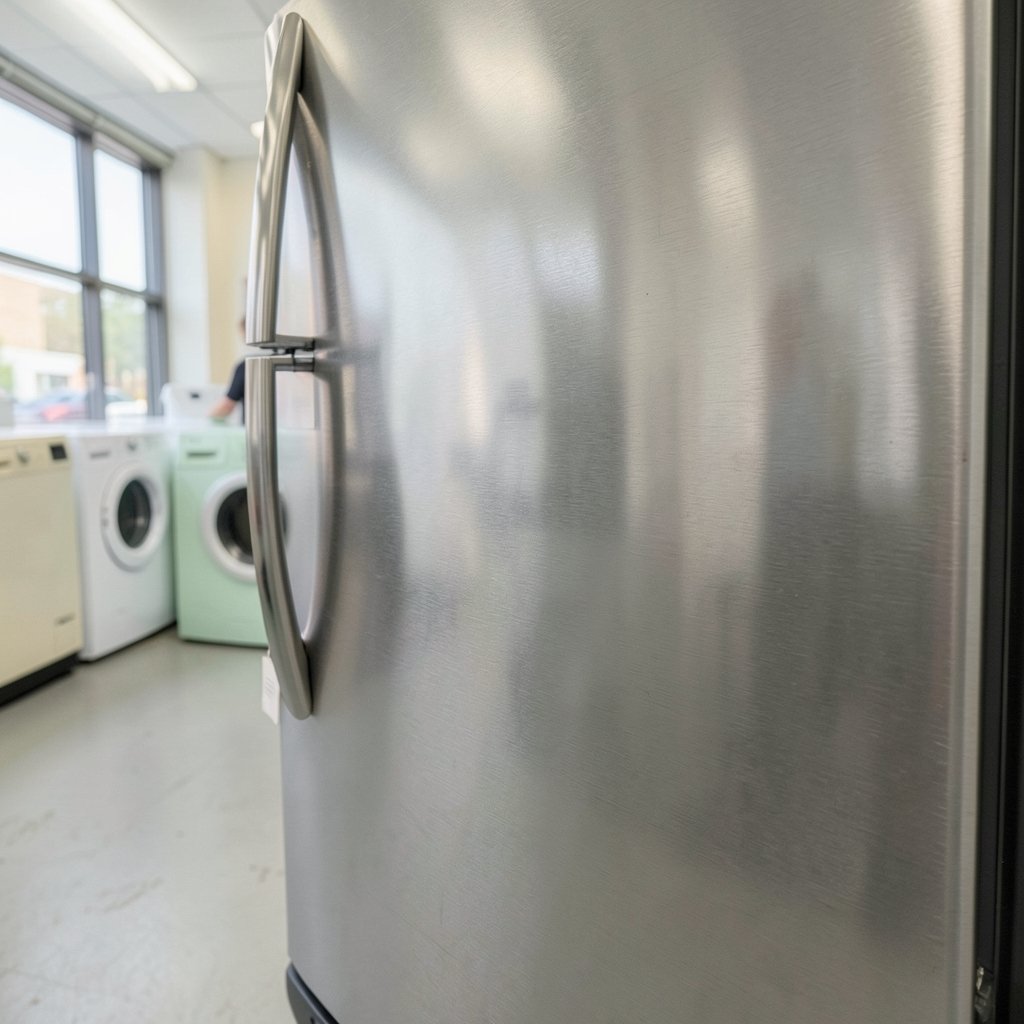
What if the hardest part of buying a new refrigerator isn’t picking the model, but figuring out which store near you will actually deliver it without dents, hidden fees, or a warranty that evaporates the moment you leave the lot? That’s the real puzzle behind the search “appliance stores near me.” The phrase looks simple. The decision behind it is not.
Anyone who has typed those four words into a phone knows the drill: a map fills with pins, a few big-box logos appear, a handful of independent dealers show up, and then a wall of sponsored listings crowds the top. The results feel authoritative. They aren’t. “Near me” queries are resolved by search engines and map apps using the device’s location, so two people standing on the same block can see different stores, and the same person can see a different list a week later. There is no single national directory of appliance stores near you. There is only what your location, your search history, and a ranking algorithm decide to show you at that moment.
That’s why the smart move is to stop treating the first screen as a shortlist and start treating it as a starting point. The shoppers who come out ahead are the ones who know what to verify before they walk in, what to ask before they pay, and which details separate a store that stands behind its products from one that just moves boxes.
Why “Near Me” Results Vary So Much
The personalized nature of local search is the first thing to understand, because it explains why your neighbor’s recommendation and your map results rarely match. Location is only one input. Store hours, whether a listing is claimed and updated, review volume, and how close you are to a competitor all nudge the ranking.
Practical tip: run the search twice. Once at home, once from the parking lot of the store you’re considering. If a dealer doesn’t appear when you’re two miles away, their listing may be stale or poorly maintained, which is often a small signal about how they handle the rest of their operations.
A second tip that saves real time: search by category instead of relying on the generic phrase. “Refrigerator repair and sales near me,” “scratch and dent appliances near me,” and “used appliance dealer near me” return very different sets of stores. The generic query pulls the biggest advertisers. The specific query pulls the specialists.
The Types of Appliance Stores You’ll Actually Encounter
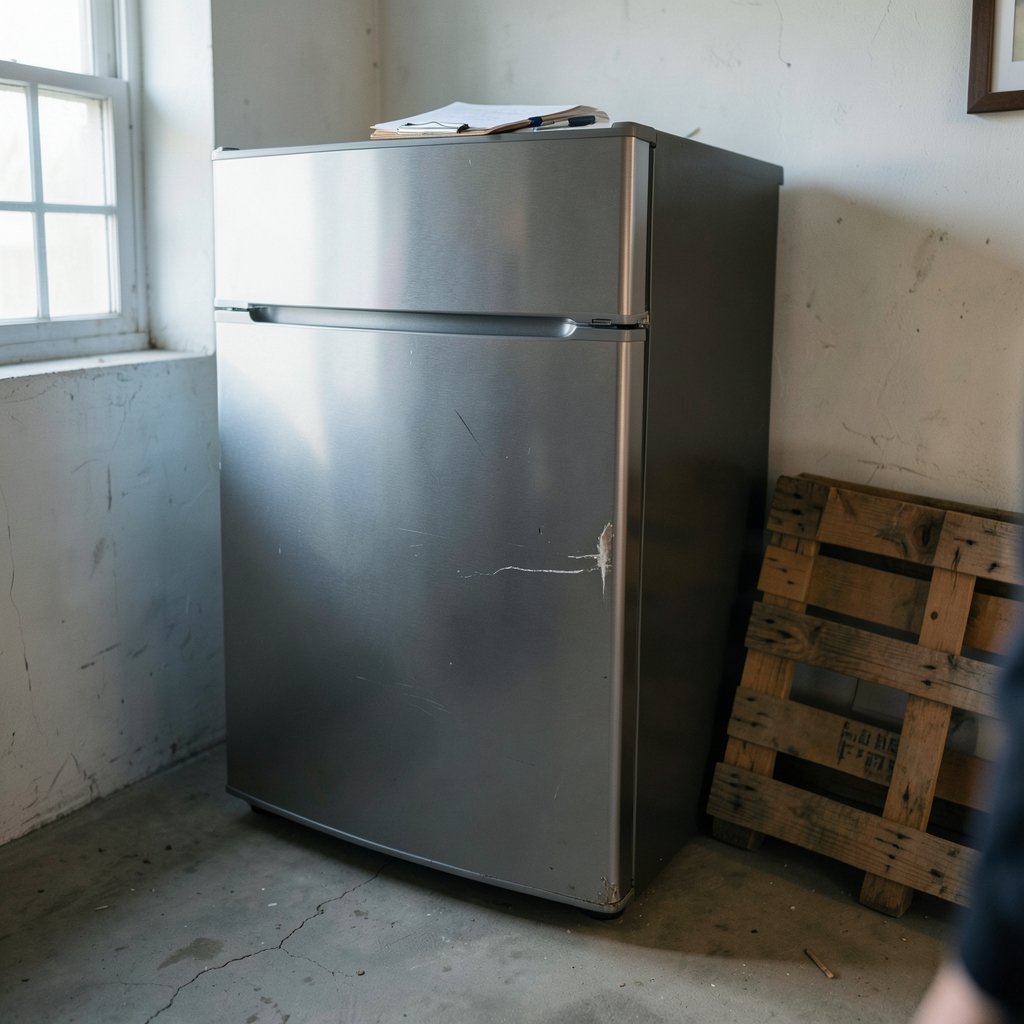
Not every pin on the map is the same kind of business. Knowing which category you’re walking into shapes everything from price to warranty to how much help you’ll get.
| Store type | Typical strength | Typical weakness | Best for |
|---|---|---|---|
| National big-box retailer | Wide selection, price matching, financing | Commission-driven staff, delivery windows that slip | New major appliances with full manufacturer warranty |
| Regional appliance chain | Deep category knowledge, service department | Fewer locations, less aggressive pricing | Buyers who want installation and service in one place |
| Independent local dealer | Relationship service, flexibility on delivery | Smaller inventory, limited hours | People who value a human who answers the phone |
| Scratch-and-dent or outlet store | Steep discounts on cosmetically flawed units | Limited models, final-sale policies | Budget buyers who can live with a dent on the side |
| Used and refurbished dealer | Lowest prices, quick availability | Warranty varies wildly, condition risk | Rentals, rentals-to-own, temporary setups |
| Appliance repair shop that also sells | Trusted diagnosis, refurbished units | Inventory turns over fast | Replacing one failed unit fast |
The scratch-and-dent and used categories deserve extra caution. Used merchandise must be accurately described, and if a unit is sold “as is,” that fact has to be disclosed. That’s not a technicality. If a store won’t put the condition in writing, treat that as your answer. The same goes for the difference between “refurbished” and “repaired enough to turn on.” Ask which components were replaced and whether the work is documented.
How to Vet a Local Appliance Store Before You Drive Over
A few minutes of homework beats an afternoon of driving between showrooms. The goal is to separate stores that will still pick up the phone after the sale from those that won’t.
- Check whether the listing has current hours and a real local phone number. A number that routes to a national call center is a tell.
- Read the one-star reviews first, not the five-star ones. Look for patterns: repeated delivery delays, repeated “warranty denied” complaints, repeated damage claims.
- Confirm the return window and restocking fee in writing before purchase. Many retailers charge a restocking fee on large appliances, and it’s rarely advertised.
- Ask whether delivery, installation, and haul-away of the old unit are included or billed separately. These are commonly separate line items, so get the all-in number.
- Verify the store’s service area and delivery radius. A great price three counties away is no bargain if delivery costs erase it.
- Ask who performs warranty repairs: the store’s own technicians, the manufacturer, or a third-party contractor.
If you’re the type who enjoys hunting for deals across categories, the same discipline that works for secondhand furniture works here. The habits that make a trip to the best thrift stores near me productive, like checking condition carefully and confirming return policies, apply almost directly to shopping scratch-and-dent appliance outlets.
Reading the Warranty Before You Swipe Your Card
This is where most appliance buyers lose money, and it’s entirely avoidable. Written warranties on consumer products are governed by the Magnuson-Moss Warranty Act, enacted in 1975. The law sets the rules for what a “full” warranty versus a “limited” warranty actually means, and it requires that warranty terms be available for you to read before you buy.
What to check:
- Is the warranty full or limited? A limited warranty can exclude labor, cosmetic damage, or specific components.
- How long is coverage on parts versus labor? They are often different.
- Does the store’s own warranty stack on top of the manufacturer’s, or replace it?
- For used units, is there any warranty at all, and what does it exclude?
State law matters too. The implied warranty of merchantability under the Uniform Commercial Code, section 2-314, holds that goods sold by a merchant are fit for their ordinary purpose. Some states extend strong implied warranty protections to new goods, while coverage for used appliances varies considerably by state. If you’re buying used, a quick call to your state attorney general’s consumer protection office will tell you more than any salesperson will.
One more consumer protection worth knowing: the FTC’s Cooling-Off Rule gives buyers three business days to cancel certain sales of $25 or more made at the buyer’s home or away from the seller’s permanent place of business, such as a temporary showroom or a hotel ballroom sales event. It generally does not cover purchases made at the store itself. The dollar threshold and scope have been amended over the years, so confirm the current rule if a purchase happens off-site.
Energy Labels: The Free Comparison Tool Most Shoppers Ignore
Every major new appliance in a showroom carries an EnergyGuide label, required on most new refrigerators, freezers, dishwashers, washers, and water heaters. The label shows estimated yearly energy use or cost, which lets you compare models across different stores on something other than sticker price.
This is where a $150 price gap can flip. A cheaper unit that costs $80 more per year to run is the more expensive appliance within two years. The ENERGY STAR program, a joint effort of the EPA and DOE that began in 1992, labels appliances meeting efficiency criteria, and retailers lean on it hard as a selling point. It’s a useful shortcut, but the EnergyGuide number is the one that lets you do arithmetic.
Before you buy, check whether your utility or state energy office offers a rebate for efficient appliances. These programs are administered by utilities and state agencies, not stores, and eligibility varies by ZIP code. A salesperson may not know about them, and a rebate you claim yourself can be worth more than the discount being negotiated on the floor.
Common Mistakes That Cost Appliance Shoppers Money
The same errors show up again and again, and each one is easy to avoid.
- Measuring the doorway, not the appliance. Measure the opening, the path to it, and the space behind the unit. Refrigerators need breathing room.
- Skipping the delivery window in writing. “Sometime Tuesday” is not a commitment.
- Assuming installation is included. It frequently isn’t, and hooking up a gas dryer or a dishwasher is not a DIY job for most people.
- Forgetting the old unit. Haul-away is often a separate fee, and some municipalities charge for appliance disposal.
- Buying a floor model without asking about the warranty. Floor models are often sold with reduced or no manufacturer coverage.
- Paying for an extended plan before reading the manufacturer’s warranty. You may be double-covering the same years.
There’s a broader lesson here that applies to any local purchase, whether it’s a washer or a used car: the store’s paperwork tells you more than its showroom does. The same instinct that helps you judge a garage door repair near me provider, checking licensing, written quotes, and whether the technician explains the work, applies to appliance dealers. Ask for the quote in writing. Ask what happens if the unit arrives damaged.
Timing Your Purchase Around the Retail Calendar
Appliance pricing is seasonal in ways that aren’t obvious from the showroom floor. New model years typically roll out in late summer and early fall, which pushes older inventory toward discounts. Major holiday weekends bring genuine promotions, though the “was” price on the tag is often inflated to make the sale look better than it is.
The most reliable strategy is to identify the model you want first, then watch its price across three or four local stores for a few weeks. Local dealers will sometimes match a big-box price to keep the sale, especially if you’re also buying installation. That’s a conversation worth having in person. If you’re comparing how different retailers use promotions and online tools to close sales, the tactics described in this breakdown of AI tools for e-commerce conversion explain why the same refrigerator can carry four different prices on four different screens.
One underrated move: call the store and ask for the “out the door” price on a specific model, including delivery, installation, haul-away, and tax. The number you get on the phone is usually closer to reality than the one on the tag.
What Actually Works in Practice
After enough purchases, a few habits separate smooth buys from frustrating ones.
First, buy local when service matters and buy big-box when price is the only variable. A local dealer who answers the phone at 8 a.m. on a Saturday is worth a small premium when your freezer dies with a week of groceries inside.
Second, photograph everything at delivery. Note existing dings on the unit before the delivery crew leaves, and get the damage noted on the delivery paperwork. Damage claims get much harder after the truck pulls away.
Third, keep the paperwork together: receipt, warranty card, delivery slip, and the EnergyGuide label. The label is genuinely useful if you sell the unit later.
Fourth, don’t overlook the small stuff. Independent hardware and appliance shops often stock parts and accessories that big-box stores don’t, and they’ll tell you whether a repair is worth it. The same local-knowledge advantage shows up in food shopping, where knowing how to find a good takeout spot fast comes down to reading reviews critically and knowing your own priorities. Local retail rewards the shopper who does a little legwork.
Conclusion
The search “appliance stores near me” doesn’t have one right answer, and that’s the point. Your results are personalized, they shift over time, and no list anyone publishes can substitute for checking what’s actually around you today. What you can control is how you evaluate what you find.
Start with a category-specific search rather than the generic phrase. Read the bad reviews. Confirm the all-in price in writing, including delivery, installation, and haul-away. Read the warranty before you pay, and know whether it’s full or limited. Check the EnergyGuide label and any utility rebate you qualify for. Then buy from the store that answers your questions clearly, because that’s the one most likely to answer them after the sale too.
FAQ
Are appliance stores near me cheaper than buying online?
Not always, but the gap is smaller than it looks. Online prices often exclude delivery, installation, and haul-away, which local stores may bundle or discount. Get the out-the-door price from a local dealer before assuming the online listing is a better deal.
How do I find reputable appliance stores in my area?
Search by category rather than the generic phrase, read one-star reviews for patterns, confirm the store has a current local phone number and hours, and ask directly who performs warranty repairs. A store that answers those questions clearly is usually the one that stands behind its products.
What should I check before buying a used or refurbished appliance?
Ask what was replaced and whether the work is documented. Used merchandise must be accurately described, and “as is” sales must be disclosed, so get the condition and any warranty in writing. State law on used-appliance warranties varies, so check with your state consumer protection office if the terms seem thin.
Is installation usually included in the price of a new appliance?
Often not. Delivery, installation, and removal of the old unit are commonly billed as separate line items. Always ask for the all-in price including tax, and confirm whether gas or water hookups require a licensed technician.
Can I cancel an appliance purchase made outside a store?
Possibly. The FTC’s Cooling-Off Rule gives consumers three business days to cancel certain sales of $25 or more made at the buyer’s home or away from the seller’s permanent location, such as a temporary showroom. It generally does not cover in-store purchases, and the threshold has been amended, so confirm the current rule.
Do appliance stores offer rebates for energy-efficient models?
Stores may promote them, but rebate programs for efficient appliances are usually run by utilities and state energy offices, and eligibility varies by ZIP code. Check your utility’s website directly, since a salesperson may not know which programs apply to your address.



