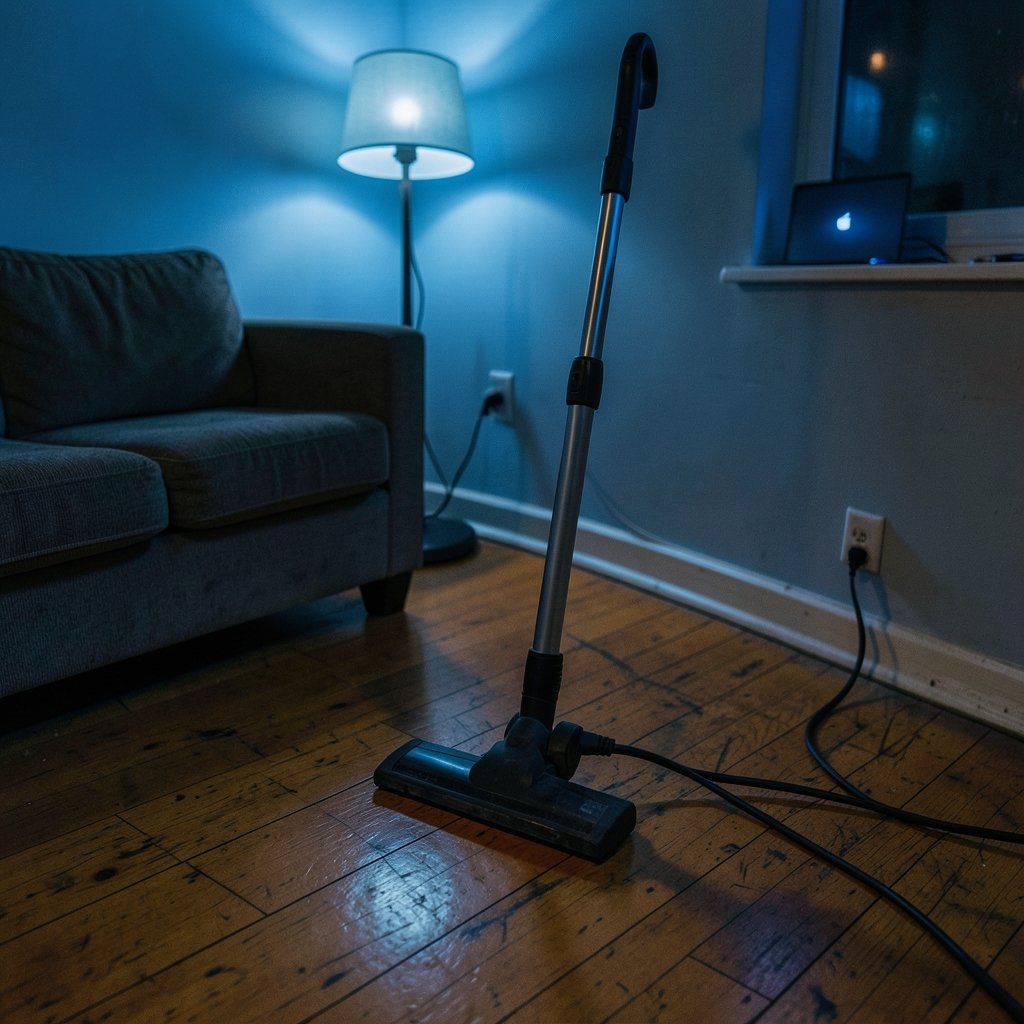
What if the vacuum advice you keep hearing is backwards? Everyone talks about cordless convenience, yet plenty of people quietly buy a corded stick vacuum and never look back. They get tired of batteries that fade after a year, suction that weakens as the charge drops, and a machine that dies mid-room. A corded stick trades that freedom for something less glamorous but more reliable: steady power for as long as you need it.
This guide covers how corded stick vacuums actually work, what separates a good one from a frustrating one, and where they still make more sense than anything with a battery. It also covers the mistakes buyers make, because a few of them are expensive.
What a Corded Stick Vacuum Really Is
A corded stick vacuum is an upright-style machine with the motor and dust cup mounted on a handle or wand. It plugs into a wall outlet instead of running on a battery. That single design choice changes almost everything about how it performs.
Because it draws mains power, a corded stick generally does not lose suction as the cleaning session drags on. Cordless models can see performance drop as the charge depletes. That is an engineering reality, not a marketing claim. It matters most on carpets, where sustained airflow does the heavy lifting.
The trade-off is obvious: you are tethered to an outlet. Cord length and outlet access become real limits. Cord lengths vary widely by model, so check the spec sheet rather than assuming. A short cord on a big floor plan means unplugging and replugging, which gets old fast.
Weight is another factor people underestimate. Corded sticks are often lighter than full uprights because they skip the large battery, but the cord adds drag and snagging. A light machine that catches on every doorframe is not actually easy to use.
Why Corded Still Beats Cordless for Some Homes
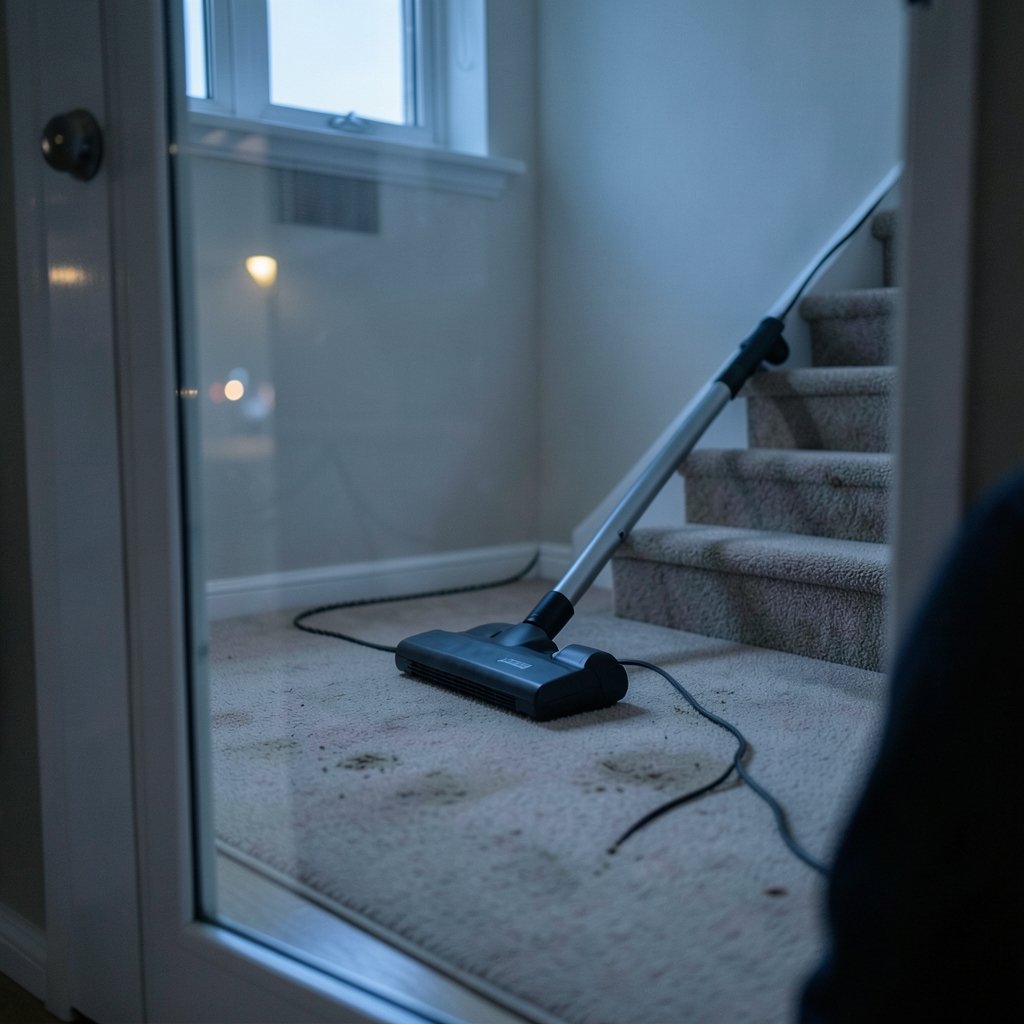
Cordless vacuums have improved a lot, and for quick daily touch-ups they are hard to beat. But corded sticks hold a few genuine advantages that no battery can match.
First, no runtime clock. You clean until the floor is done, not until a light starts blinking. For a whole-house deep clean, that removes a layer of planning.
Second, no battery degradation. Lithium batteries lose capacity over years of charging cycles. A corded vacuum’s power source is the outlet, which does not wear out.
Third, consistent suction. If the job is pulling embedded grit out of carpet, steady airflow matters more than a burst of peak power on a fresh charge. That is why corded machines remain a sensible pick for carpeted bedrooms and stairs.
The catch is that corded sticks are not the right tool for every job. For a quick crumb sweep in a kitchen, dragging out a cord feels like work. Many households end up with both: a corded stick for scheduled deep cleans and a lighter option for daily tidying. If you are weighing a do-everything machine, it helps to compare how a best vacuum mop combo handles wet and dry jobs before committing to a single unit.
How to Judge Cleaning Performance Without Getting Fooled
Vacuum marketing is loud, and the numbers on the box rarely tell the whole story. The most useful thing a shopper can do is look for testing that follows a recognized method.
The IEC 60312 series sets out international methods for measuring vacuum cleaner performance, including dust pickup and air data. Tests aligned to that standard are more comparable than vague claims. For hard floors specifically, ASTM F2607 provides a standardized method for measuring cleaning performance on hard floor surfaces. If a brand cites a recognized test method, that is a better signal than a big number with no context.
One quirk worth knowing: there is no mandated comparative energy label for vacuums in the US, because the FTC’s Energy Labeling Rule covers specified appliance categories and vacuums are not among them. In Europe, the vacuum energy label introduced by Commission Delegated Regulation (EU) No 665/2013 was annulled by the General Court of the EU in November 2018 on procedural grounds, and the label was subsequently removed. In practice, that means you cannot lean on a government label to compare models. You have to read specs and test claims yourself.
HEPA claims deserve the same skepticism. HEPA is not one single regulated term for consumer vacuums in every market. In the US, filter media is often described against definitions such as capturing 99.97% of particles at 0.3 micrometers. The key question is whether the claim covers the whole vacuum or just the filter inside it. A sealed system with a good filter performs differently from a good filter in a leaky housing.
What actually matters in practice
- Sealed filtration: check whether the brand describes the whole machine as sealed, rather than only the filter.
- Test method: look for IEC 60312 or ASTM F2607 references rather than unlabeled numbers.
- Brush roll design: on carpet, an active brush roll does more for pickup than raw suction claims.
- Dust cup size and emptying: a small cup that is awkward to empty turns a ten-minute job into a twenty-minute one.
- Cord length: measure your rooms and count your outlets before buying.
Matching the Machine to Your Floors
The best corded stick vacuum for one home can be the wrong pick for another. Floor type drives the decision more than brand loyalty.
| Floor situation | What to prioritize | What to avoid |
|---|---|---|
| Mostly carpet and rugs | Strong sustained airflow, motorized brush roll, height adjustment | Tiny dust cups, weak brush rolls |
| Mostly hard floors | Good edge cleaning, soft or combo roller, light weight | Aggressive stiff bristles that scatter debris |
| Mixed floors | Combo roller, easy mode switching, decent cord length | Single-purpose tools that need swapping constantly |
| Stairs and tight spaces | Low weight, wand conversion, long hose or reach tool | Heavy upright-style bodies |
| Pet hair everywhere | Tangle-resistant brush roll, strong airflow, sealed filtration | Brush rolls that wrap hair instantly |
Carpet is where corded sticks earn their keep. Sustained power pulls more fine dust out of pile than a fading battery can. If carpet is your main surface, a dedicated carpet machine is often worth owning alongside a stick, and it is worth reading up on what makes the best vacuum for carpet before you spend.
Pet hair is its own challenge. Long hair and pet fur wrap around brush rolls and choke airflow. Machines built to resist tangling make a real difference, and the practical fixes in this guide to robot vacuum long human hair actually works apply to stick vacuums too, since the same wrapping problem shows up on any rotating brush.
Features That Are Worth Paying For
Not every feature earns its price. Here is a practical split.
Worth it:
- A motorized brush roll with on/off control, so you can stop the brush on delicate rugs and hard floors.
- Sealed HEPA filtration if anyone in the home has allergies, described as a whole-machine system.
- A long, well-placed cord with a reliable strain relief where it meets the body.
- A dust cup you can empty in one motion over a bin without touching the debris.
- Washable filters with clear instructions and reasonable replacement costs.
Often not worth it:
- Extra tools you will never attach.
- Digital displays that add weight and failure points.
- “HEPA-type” wording with no standard named.
- Very small dust cups on a machine meant for whole-house cleaning.
One more practical note: cord management matters more than shoppers expect. A cord that swivels at the base reduces tangling. A cord that exits high on the body tends to snag on furniture corners. These are small design details that decide whether a vacuum feels smooth or irritating after a month.
Common Mistakes Buyers Make
Buying on suction claims alone. A big number on the box does not tell you how the machine picks up sand from carpet or crumbs along a baseboard. Test methods and brush design matter more.
Ignoring cord length. People buy a corded vacuum, then discover the cord reaches only one room from the nearest outlet. Measure first.
Assuming HEPA means sealed. A HEPA filter in a leaky body does not deliver the same result. Ask whether the whole machine is sealed.
Skipping the weight check. A vacuum feels different after ten minutes than it does in the store. Lighter is not always better, but heavy plus cord drag is a bad combination.
Forgetting maintenance. Filters clog, brush rolls wrap, and airflow drops. A machine that performed well in reviews can underperform in a home that never cleans the filter. If a machine starts behaving oddly, small mechanical issues are usually the cause, and the fixes in this guide to a robot vacuum wheel stuck error show how much of vacuum troubleshooting comes down to clearing obstructions and checking moving parts.
Overlooking navigation and sensors on hybrid machines. If you are comparing a stick against a robot, the technology differences matter. This breakdown of robot vacuum lidar vs camera navigation explains why two robots at the same price can behave completely differently.
Corded Stick vs Cordless vs Upright: A Straight Comparison
| Factor | Corded stick | Cordless stick | Full upright |
|---|---|---|---|
| Runtime limit | None | Limited by battery | None |
| Suction consistency | Steady | Can drop as charge falls | Steady |
| Weight | Often light | Light to moderate | Usually heaviest |
| Reach and portability | Tethered to outlet | Fully portable | Tethered, bulky |
| Battery replacement cost | None | Ongoing | None |
| Best for | Deep cleans, carpet, long sessions | Quick daily tidy-ups | Whole-home carpet cleaning |
The honest answer is that corded sticks sit in a useful middle. They are lighter and more maneuverable than a full upright, and they never run out of power like a cordless. For households that clean in one long session rather than in scattered bursts, that combination is hard to beat.
Care and Maintenance That Extends Life
A corded stick vacuum has few failure points, which is part of its appeal. Most problems trace back to maintenance.
- Empty the dust cup after every use. Full cups choke airflow and make the motor work harder.
- Wash or replace filters on schedule. Follow the maker’s interval, and let filters dry fully before refitting.
- Cut wrapped hair off the brush roll. A few minutes with scissors prevents balance problems and motor strain.
- Check the cord for damage. Fraying near the plug or strain relief is a safety issue, not a cosmetic one.
- Clear blockages promptly. A clogged wand or hose shows up as weak suction, and it is usually a two-minute fix.
People who keep up with these steps often get many years out of a corded stick. The machine has no battery to age out, so the main wear items are the filter, the brush roll, and the cord.
Conclusion
The best corded stick vacuum is not the one with the biggest number on the box. It is the one that matches your floors, reaches your outlets, and keeps steady power through a full cleaning session. Corded sticks give up portability, and in exchange they deliver consistent suction, no runtime clock, and no battery to replace in a couple of years.
Shop by test method and design rather than marketing claims. Check cord length, brush roll type, filtration sealing, and dust cup size. Then think honestly about how you clean: in long sessions or quick bursts. If it is long sessions, a corded stick will quietly outperform almost anything with a battery, and it will still be doing it years from now.
Frequently Asked Questions
Are corded stick vacuums stronger than cordless ones?
Generally, yes, in the sense that they deliver consistent power for as long as they are plugged in. Cordless models can lose suction as the battery discharges. Peak performance on a fresh charge can be impressive, but sustained performance across a long session favors corded machines.
How long is the cord on a typical corded stick vacuum?
It varies widely by model, so there is no single reliable number. Check the manufacturer’s spec sheet for the exact figure and measure the distance from your outlets to the far corners of your home before buying. A cord that is too short turns a simple job into constant replugging.
Is HEPA filtration on a stick vacuum worth paying for?
It can be, especially in homes with allergy sufferers, but only if the claim covers the whole machine rather than just the filter media. HEPA is not a single regulated term for consumer vacuums in every market, so ask whether the system is sealed and what standard the filter is measured against.
Can a corded stick vacuum handle pet hair?
Many can, provided the brush roll is designed to resist tangling and the airflow stays strong. Hair wraps around rotating brushes on any vacuum, so plan on cutting it off regularly. A tangle-resistant brush roll plus routine maintenance makes pet hair manageable.
Why is there no energy label to compare vacuum cleaners?
In the US, the FTC’s Energy Labeling Rule covers specified appliance categories, and vacuums are not among them. In Europe, the vacuum energy label introduced by Commission Delegated Regulation (EU) No 665/2013 was annulled by the General Court of the EU in November 2018 on procedural grounds and was subsequently removed. That leaves shoppers relying on standardized test claims and spec sheets.
What test standards should I look for when comparing corded stick vacuums?
Look for references to the IEC 60312 series, which sets out international methods for measuring vacuum cleaner performance, and ASTM F2607, which covers cleaning performance on hard floor surfaces. Tests aligned to a recognized method are far more comparable than unlabeled numbers in advertising.