
What separates a good dryer from a bad one? It is not the shiniest control panel or the loudest marketing claim. It is whether the machine dries a full load evenly, without eating your electricity bill or turning your laundry room into a fire risk. That sounds simple, but the dryer aisle is a minefield of confusing labels, outdated assumptions, and features you probably do not need. (3d printer retraction settings guide stop stringing good)
This guide cuts through it. It covers the technology that actually matters, the numbers behind running costs, the maintenance habits that keep a dryer alive, and the mistakes people make when they buy one. By the end, “good” will mean something specific to you and your home.
Why the Type of Dryer Matters More Than the Brand
The single biggest decision is not the logo on the door. It is how the machine removes moisture. There are three main types, and they behave very differently.
Vented dryers pull air in, heat it, tumble the clothes, and push the damp exhaust out through a duct. They are cheap to buy, fast, and simple. They are also the least efficient, because most of the heat they generate ends up outside your house. If you live somewhere cold, you are essentially paying to heat the outdoors.
Condenser dryers pass moist air over a cold surface, collect the water in a tank or drain it away, and recirculate the air. No ducting is needed, which makes them flexible for flats and closets. They run cooler than vented models but still use a resistive heating element.
Heat-pump dryers are a specialized, far more efficient type of condenser. Instead of a big heating element, they use a refrigerant cycle to move heat from one place to another, recycling warmth instead of dumping it. The technology has been widely sold in Europe since the 2010s, and it typically uses roughly 40 to 60 percent less energy than a resistance-heated vented dryer. That range is indicative rather than a guarantee, since savings vary by model and test cycle, but the direction is consistent.
| Type | Needs ducting | Relative energy use | Typical best fit |
|---|---|---|---|
| Vented | Yes | Highest | Detached homes, garages, tight budgets |
| Condenser | No | Moderate | Flats, closets, homes without exterior walls |
| Heat pump | No | Lowest | Anyone drying frequently who wants low running costs |
If you dry several loads a week, the heat-pump premium usually pays itself back over the machine’s life. If you dry one load a week and your electricity is cheap, a basic vented model can still be the rational choice. There is no universal winner, only a winner for your situation.
The Efficiency Numbers You Should Actually Check
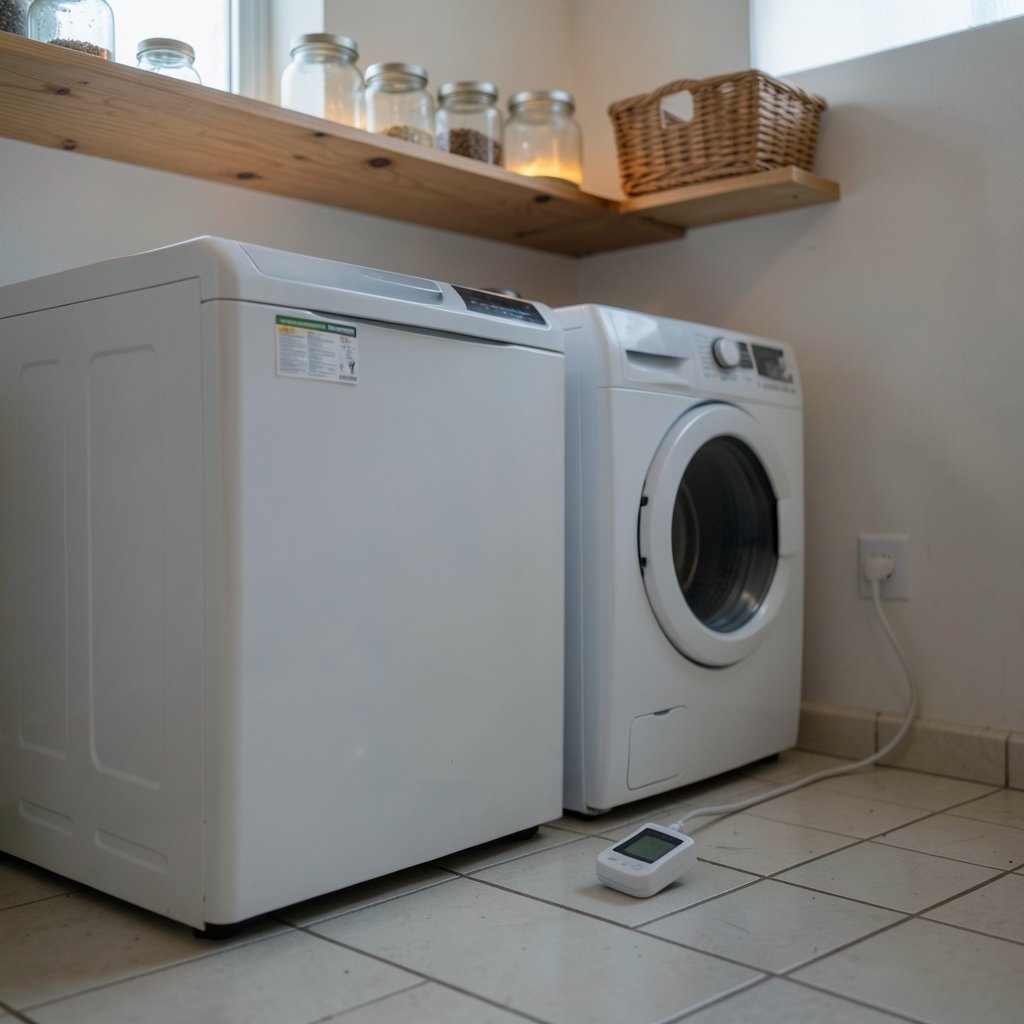
In the United States, clothes dryers must meet federal minimum energy standards set under the appliance standards framework that dates back to the National Appliance Energy Conservation Act of 1975, later amended in 1987. Those standards set a floor, not a ceiling, so two machines that both comply can still differ enormously in real-world consumption. The ENERGY STAR program recognizes advanced dryers that go beyond the minimum. The program has operated since the 1990s and its dryer specification has been revised several times, so check the current criteria before you shop rather than trusting an old label photo.
In the European Union, the picture changed on 1 March 2021. Tumble dryers sold there now carry a rescaled energy label running from A to G, with the old A+, A++ and A+++ grades retired. Ecodesign rules also set minimum efficiency, which means the worst performers were quietly pushed off shelves. If you are comparing an older machine against a new one, do not compare the letter grades directly. They are from different scales.
One more figure worth knowing: standby power. Network-connected dryers draw a small trickle of electricity even when idle. EU ecodesign rules set standby limits, and those limits were amended in 2023. It is a minor cost, but it is real, and it is a reason not to buy a smart dryer purely for the app.
Sensor Drying Beats Timed Drying Every Time
Here is a feature that genuinely changes outcomes: moisture sensors with auto-termination. Instead of running for a fixed 60 minutes regardless of what is inside, a sensor cycle measures how damp the load is and stops when it hits the target. This prevents over-drying, which is the quiet killer of fabric and the quiet inflator of energy bills.
Timed drying is a blunt instrument. Set it too short and you get damp jeans. Set it too long and you cook your shirts, shrink your cottons, and waste power on already-dry fabric. Sensor cycles have been common since the 2000s and appear on most mid-range machines today, but they are not universal. Check before you buy, and if a machine offers both, default to the sensor setting.
A practical habit: sort loads by fabric weight as well as by color. A towel mixed with a thin synthetic will confuse any sensor, because the towel stays damp while the synthetic is bone dry. Matching similar fabrics in one load is a small practice that makes a mediocre dryer perform like a good one.
Capacity, Loading, and the Mistakes Everyone Makes
Overloading is the most common error, and it costs you twice. Cramming the drum reduces airflow, so clothes take longer to dry and come out wrinkled. It also strains the motor and bearings. Manufacturers publish a capacity rating, but that number is optimistic. A good rule of thumb is to fill the drum about two-thirds full and leave room for clothes to tumble freely.
Underloading has its own cost. Running a huge drum for two shirts wastes energy and time. Match the load to the drum, or wait until you have a full one.
Other mistakes worth flagging:
- Skipping the lint filter. This is not a minor chore. It is a safety issue, covered below.
- Drying foam, rubber, or anything with plastic backing. Heat and tumbling can ignite or melt these.
- Ignoring the damp-dry setting. Taking clothes out slightly damp and hanging them saves a surprising amount of energy, and many fabrics finish better that way.
- Never cleaning the vent. A clogged duct is both an efficiency disaster and a fire hazard.
- Assuming a higher price means better drying. Price often buys styling and connectivity, not performance.
If you are also sorting out the laundry room itself, small upgrades compound. A washer-dryer combo unit, for instance, saves floor space but usually dries more slowly than a dedicated machine, so it pays to read up on which washing machine with dryer best brand options actually suit your household before committing to an all-in-one.
Safety: The Part People Skip
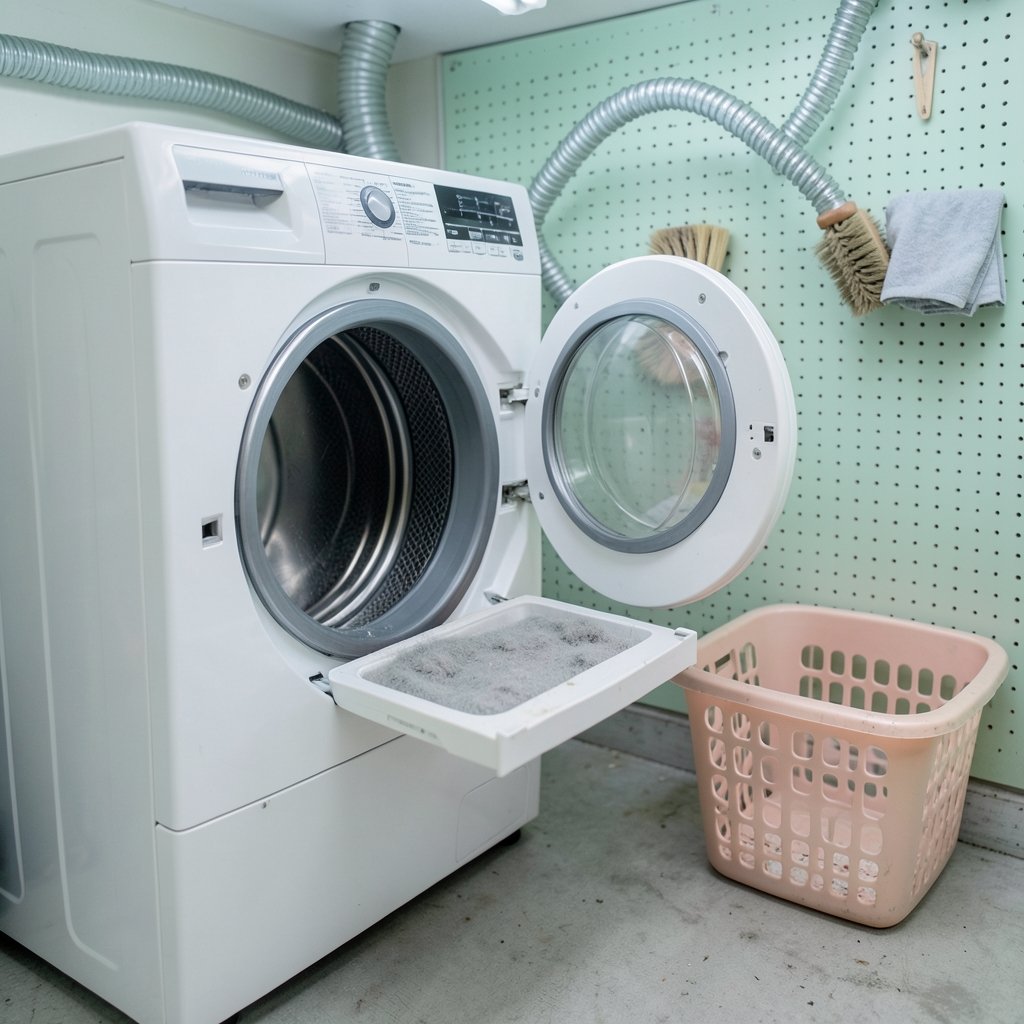
Clothes dryers cause thousands of home fires every year, and the leading culprits are lint buildup and blocked vents. This is not a rare freak accident. It is a predictable maintenance failure, and it is almost entirely preventable.
The fix is boring and effective. Clean the lint filter before or after every load. Periodically check the duct behind the machine for kinks, crushing, or accumulated lint. If your vent run is long or has multiple elbows, have it professionally cleaned on a schedule. Never vent a dryer into a wall cavity, attic, or crawlspace. And never run a dryer while you are asleep or out of the house if you can avoid it, especially an older machine.
A dryer that takes two cycles to dry a normal load is telling you something. That symptom usually means restricted airflow, not a weak heating element. Treat it as a warning, not an inconvenience.
Features That Earn Their Keep (and Ones That Don’t)
Not every feature is worth paying for. Here is an honest split.
Worth it: moisture sensors, a reversible door, a drum light (you will use it more than you expect), a drying rack for shoes and delicates, and a delay start if your electricity tariff is cheaper at night.
Situational: steam refresh cycles are genuinely useful for de-wrinkling a shirt you need in ten minutes, but they are not a substitute for ironing. Smart connectivity is convenient for notifications, but it adds standby draw and rarely changes drying performance.
Skip: oversized drums you will never fill, premium finishes that scratch, and subscription-style features that lock basic functions behind an app.
For households that also care about the small stuff, the same principle applies elsewhere in the home. A humidifier that kicks out white dust, for example, is a maintenance problem masquerading as a feature, and the fix is understanding your water. The same logic holds for dryers: understand the mechanism, and the marketing becomes easy to ignore. If hard water is an issue in your area, the approach in this guide to humidifier hard water stop white dust is a useful reminder that the machine is only half the equation.
Matching the Dryer to Your Actual Life
A good dryer for a family of five is not a good dryer for a single renter. Be honest about your pattern. (Takeout food near me find good food fast)
If you dry daily and have a utility room, a heat-pump condenser with a drain hose is close to ideal. No tank to empty, no duct to clean, lowest running cost. If you live in a flat with no exterior wall, a condenser or heat-pump model is your only real option, and the heat pump is worth the stretch. If you dry occasionally and have a garage with an exterior vent, a basic vented machine remains a sensible, cheap choice.
Climate and grid matter too. In regions with low-carbon electricity, an electric heat-pump dryer has lower lifecycle emissions. Gas dryers can be cheaper to run where gas is cheap, but they emit carbon dioxide directly. There is no single right answer, only a right answer for your energy supply and your budget.
One underrated consideration: noise. Heat-pump dryers run cooler and often quieter, which matters if the machine sits near a bedroom or living space. Vented dryers move a lot of air and tend to be louder.
Maintenance Habits That Extend Life
A good dryer stays good only if you look after it. The routine is short.
- Clean the lint filter every load. No exceptions.
- Wipe the moisture sensor bars inside the drum every few weeks with a damp cloth. Fabric softener residue coats them and makes sensor drying unreliable.
- Empty the condenser water tank after each use, or connect the drain hose if your model supports it.
- Check the exterior vent flap monthly to confirm air is actually escaping.
- Vacuum around the machine and behind it twice a year.
- Have the duct professionally cleaned every year or two, sooner if you dry heavy loads often.
That is it. None of it takes long, and all of it protects both your machine and your home.
Conclusion
A good dryer is not the most expensive one or the one with the most buttons. It is the right type for your space, with sensor drying and auto-termination, sized to your loads, and maintained with the boring discipline of a clean lint filter and an unobstructed vent. Heat-pump models win on running costs if you dry often. Vented models win on upfront price if you dry rarely. Condenser models win on flexibility when ducting is impossible.
Get those fundamentals right, and the brand on the door matters far less than the label suggests. Get them wrong, and no amount of smart features will save you from damp towels and a higher bill.
Frequently Asked Questions
Are heat-pump dryers worth the extra cost?
For most households that dry several loads a week, yes. Heat-pump dryers typically use roughly 40 to 60 percent less energy than resistance-heated vented models, and that gap compounds over years of use. If you dry rarely and your electricity is cheap, the payback period stretches out and a basic vented model can make more financial sense.
How often should I clean my dryer vent?
Clean the lint filter every single load. Check the exterior vent flap monthly. Have the full duct professionally cleaned every year or two, or more often if you dry heavy items like towels and bedding frequently. A dryer that suddenly needs two cycles for a normal load is usually signaling restricted airflow.
Is a vented or condenser dryer better?
It depends on your home. Vented dryers are cheaper and faster but need an exterior wall and ducting, and they waste heat. Condenser dryers need no ducting, which suits flats and closets, and heat-pump condensers are the most efficient option available. Choose based on your space first, then your drying frequency.
Do dryer sheets and fabric softener damage the machine?
They can interfere with moisture sensors. Softener residue coats the sensor bars inside the drum, which makes auto-termination cycles unreliable and can lead to over-drying. Wiping the sensors with a damp cloth every few weeks keeps them accurate. Dryer sheets are not catastrophic, but they are not free of consequences either.
Why does my dryer take two cycles to dry a load?
The most likely cause is restricted airflow, not a failing heating element. Check the lint filter, inspect the duct behind the machine for kinks or crushing, and confirm the exterior vent flap opens freely. Overloading the drum is the second most common cause. If airflow is clear and the load is modest, then suspect the heating element or thermostat.
What size dryer do I need?
Match capacity to your largest typical load, then resist the urge to fill it completely. A drum about two-thirds full allows clothes to tumble and air to circulate. Oversized drums waste energy on small loads, and packed drums dry unevenly and strain the motor. For a family, a mid-to-large drum with sensor drying is usually the sweet spot.



