
What if the single biggest upgrade to your cooking has nothing to do with your skills, and everything to do with the box humming under your pots? That is the quiet truth about electric ranges. The right one makes weeknight dinners feel effortless. The wrong one leaves you staring at a cold spot in the pan while the pasta water sulks. There is no universal “best” electric range, because a studio renter, a holiday baker, and a family of five want very different things from the same appliance. What follows is a practical, no-nonsense way to sort the good from the gimmicky, from the heating technology to the oven setup to the wiring in your wall.
Start With the Heating Type, Because It Changes Everything
Electric ranges fall into two broad camps, and the choice shapes how you cook every single day.
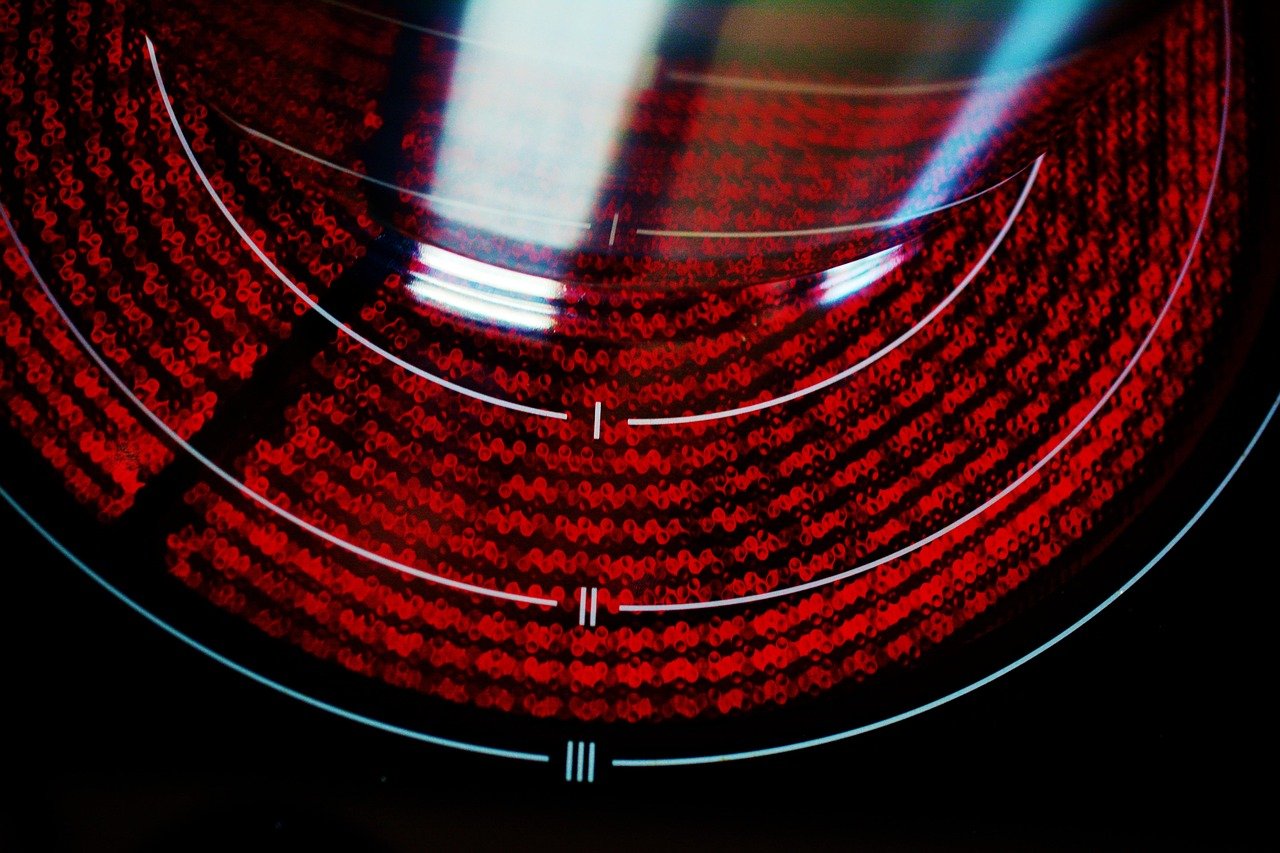
Conventional coil and radiant ranges use resistive heating elements. A coil glows orange, heats the pot through direct contact, and responds slowly when you turn the dial down. Radiant models hide a similar element under a smooth glass surface, which looks sleeker and wipes clean more easily, but the heat still has to travel through the glass.
Induction ranges work differently. A magnetic field induces currents directly in the base of the pan, so the cooking surface itself stays relatively cool. The U.S. Department of Energy’s consumer guidance describes induction as transferring a large share of its energy to the cookware, generally cited in the 84 to 90 percent range, compared with lower figures for coil and radiant elements. Translation: water boils faster, the kitchen stays cooler, and spills are less likely to bake onto the surface.
The catch is cookware. Induction needs magnetic-bottomed pans. A quick fridge-magnet test tells you whether your favorite skillet will work. If the magnet clings, you are in business. If it slides off, that pan becomes a donation to someone else’s kitchen. Many people forget this step, buy a beautiful induction range, then discover half their cookware is useless. Check the pans before you check the showroom.
| Feature | Coil / Radiant | Induction |
|---|---|---|
| Heat-up speed | Moderate | Fast |
| Energy transfer to pan | Lower | Higher (roughly 84–90%) |
| Cookware needed | Any flat-bottomed pot | Magnetic-bottomed only |
| Surface heat after cooking | Stays hot a while | Cools quickly |
| Typical price | Lower | Higher |
| Learning curve | Minimal | Small, mostly about pan fit |
Match the Range Style to Your Kitchen Layout
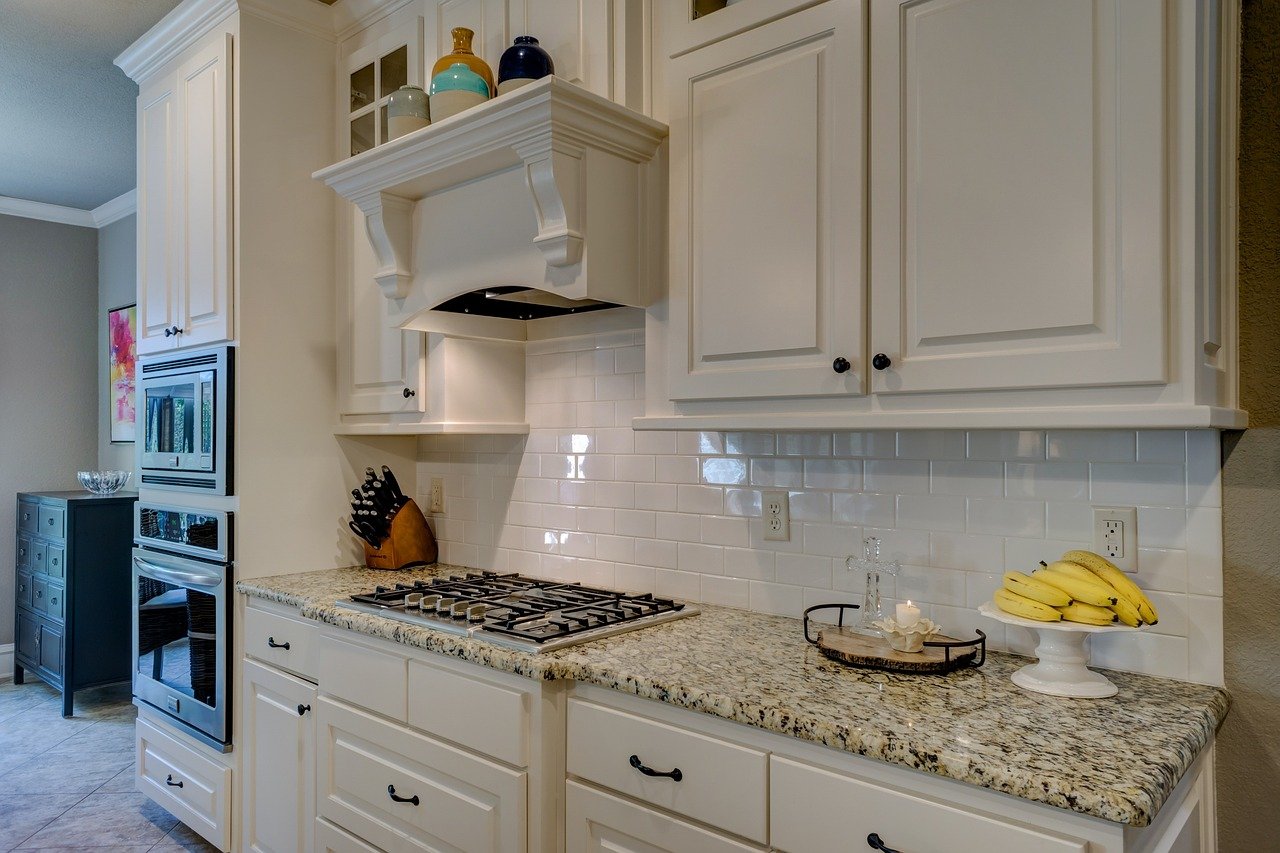
Electric ranges come in three main body styles, and a wrong choice creates a cabinetry problem along with a cooking problem.
Freestanding ranges slide into a gap between counters and have finished sides, a backguard, and controls on the rear panel. They are the most affordable and the easiest to swap out. If you are working within a tight budget, this is usually where the value lives, and the same logic applies to small kitchen remodeling ideas budget smart upgrades that keep costs contained without cutting corners on function.
Slide-in ranges drop into the counter with no backguard, so the front controls and flush fit give a built-in, custom look. They cost more and often require the countertop edges to be finished neatly, since the appliance no longer hides the gap.
Front-control freestanding ranges split the difference: the slide-in look with a freestanding footprint. They are popular in open-plan kitchens where the range is visible from the living room.
Measure twice before you buy. Width is usually 30 inches for a standard range, but depth matters just as much, especially if the range sits at the end of a walkway. A range that sticks out two inches past the counter catches hips and tempers. Write down the width, depth, and the height of the cutout, then compare those numbers against the manufacturer’s installation guide, not the marketing photos.
The Oven Matters as Much as the Cooktop
Most buyers obsess over burners and forget they will use the oven just as often. Three oven features genuinely change results.
Convection adds a fan that circulates hot air, which browns more evenly and speeds up roasting. True convection, where a third heating element sits behind the fan, performs better than a fan-only “convection” label. If you bake bread or roast vegetables regularly, this is worth paying for.
Oven capacity ranges widely. A large capacity helps at Thanksgiving, but a cavernous oven takes longer to preheat and can be less efficient for a single sheet pan. Think about your real cooking, not your holiday ambitions.
Self-cleaning cycles come in pyrolytic (high-heat burn-off) and steam-clean variants. Pyrolytic works well but produces odor and heat, so ventilate the kitchen. Steam cleaning is gentler and faster but handles light soil only.
Also look at the oven racks and the door. A heavy door with sturdy hinges feels better and lasts longer. Roll-out racks are a small luxury that your back will thank you for.
Wiring, Ventilation, and the Details People Skip
Here is where first-time buyers get surprised. Most full-size electric ranges need a 240-volt circuit, often rated at 40 to 50 amps. Induction models can draw significant peak current, so a dedicated circuit is common. The manufacturer’s installation guide and local electrical code, which follows the National Electrical Code (NFPA 70), govern what is required. If your kitchen currently has a gas line and no 240V outlet, budget for an electrician before you budget for the range.
Ventilation is the other overlooked piece. A range hood captures steam, smoke, and grease, and both gas and electric ranges benefit from it. Local codes and manufacturer instructions may specify requirements. A hood that vents outdoors beats a recirculating model for serious cooking, and the ductwork is far easier to plan before the cabinets go in than after.
One more practical note: safety certification. Electric ranges sold in the U.S. are typically certified to UL 858, the safety standard for household electric ranges. Look for a UL or ETL mark on the data plate. It is a boring detail until it is not.
Smart Features: Useful or Just Noisy?
Connected ranges let you preheat from your phone, send a recipe to the oven, or get a notification when the roast hits temperature. Some of this is genuinely handy. Some is a subscription-shaped solution to a problem nobody had. A few guidelines:
- Preheat-from-phone is useful if you commute and want the oven ready on arrival.
- Temperature probes are excellent for meat and worth having.
- App-only controls are a liability if the Wi-Fi drops mid-roast, so confirm the range works fully from its own panel.
- Voice assistants are nice-to-have, not a reason to choose one model over another.
If your home network is patchy, fix that first. Range connectivity is only as good as the signal reaching the kitchen, and the same principle behind best wi fi routers 2026 actually delivers speed at range applies to any appliance that wants to talk to your phone. Similarly, if you use smart-home automation, a reliable mesh setup matters, much like the approach in a home assistant bluetooth proxy setup extend ble range under guide for stretching signal into far corners of the house.
What Actually Breaks, and How to Avoid It
Repair-industry surveys and appliance reliability reporting, such as the annual surveys published by Consumer Reports, consistently show that brand reliability varies and that rankings shift year to year. The practical takeaway is not a single winning brand but a set of habits:
- Register the warranty immediately. Many people lose coverage simply by forgetting.
- Keep the manual. Error codes and reset procedures live there.
- Avoid abrasive cleaners on glass tops. They scratch the surface and dull the finish.
- Do not slide heavy cast iron across a radiant top. Lift it.
- Check the door seal annually. A worn gasket wastes energy and ruins browning.
Extended warranties are a coin flip. On a mid-priced range, the money is often better spent on a quality hood or a set of induction-compatible pans. On a premium model with complex electronics, the calculus changes.
Setting a Realistic Budget
Prices span a wide range, and the jump between tiers is usually about materials, oven size, and features rather than raw cooking performance. A basic coil freestanding range sits at the low end. Mid-range radiant and entry induction models land in the middle. Premium induction ranges with large convection ovens and smart features sit at the top.
A sensible approach is to set your ceiling, then decide which single feature matters most and protect the budget for it. If speed and efficiency are the priority, spend on induction and save on cosmetics. If baking is the priority, spend on a true convection oven and accept a simpler cooktop. Trying to max out every category is how budgets quietly double. The same discipline shows up in other big purchases, whether it is weighing a range rover lease deals offer against buying outright or reading up on what 2027 range rover buyers can realistically expect before committing. Big-ticket decisions reward patience and honest self-assessment.
Lighting and Finishing Touches Around the Range
The range does not exist in a vacuum. Under-cabinet lighting makes a huge difference to how the cooktop looks and how safely you can see what is browning. If you install LED strips, pay attention to the finish, because bare strips create visible dots and glare. A diffuser channel solves that, and the fix is explained well in this guide to an led strip diffuser kitchen cabinets fix dots glare hotspots. Good light also makes cleaning easier, since you can actually see the splatter.
Conclusion
The best electric kitchen range is the one that fits your wiring, your cookware, your cooking habits, and your budget, in that order. Induction wins on speed and efficiency if you are willing to check your pans. Radiant and coil models win on price and simplicity. Convection ovens earn their keep if you bake. Everything else, from app controls to fancy finishes, is seasoning rather than substance. Measure the cutout, confirm the circuit, verify the safety mark, and buy for the meals you actually cook. Do that, and the range under your pots will quietly earn its place as the hardest-working appliance in the house.
Frequently Asked Questions
Is induction actually better than a regular electric range?
For most people, yes on speed and efficiency. Induction heats faster, transfers more energy to the pan, and keeps the surrounding surface cooler. The trade-off is that you need magnetic-bottomed cookware, and induction ranges typically cost more up front.
Do I need a special outlet for an electric range?
Usually yes. Most full-size electric ranges require a 240-volt circuit, often rated at 40 to 50 amps, and induction models may need a dedicated circuit. Check the manufacturer’s installation guide and your local electrical code before buying, and factor in an electrician’s visit if the wiring is not already in place.
Can I use my existing pots and pans on an induction range?
Only if they have a magnetic base. Test with a fridge magnet: if it sticks firmly to the bottom, the pan will work. Aluminum, copper, and many glass or ceramic pans will not. Many people end up replacing a few pieces, so budget for that.
Does a convection oven really make a difference?
It does for roasting, baking, and browning, because the fan circulates hot air for more even results. True convection, with a third heating element behind the fan, generally outperforms fan-only designs. For simple reheating, the difference is minor.
How long should an electric range last?
Most electric ranges last somewhere around a decade or more with normal use, though this varies by brand, usage, and maintenance. Keeping the door seal in good shape, cleaning glass tops gently, and registering the warranty all help stretch the lifespan.
Is it worth paying for smart features on a range?
Only if the features solve a real problem for you. Preheat-from-phone and temperature probes are genuinely useful. App-only controls are a risk if your network is unreliable, so confirm the range works fully from its own panel before paying extra for connectivity.



