What do you buy for a girl who has outgrown her dollhouse but still rolls her eyes at anything that looks like homework? Eight is a strange, wonderful age. She reads chapter books on her own, has opinions about her clothes, and keeps a mental list of which classmates are trustworthy. The best gift for an 8-year-old girl is rarely the flashiest thing on the shelf. It’s the one that matches where she is right now: old enough for real rules and real tools, young enough to still want to build a fort in the living room.
This guide walks through what actually works, what tends to sit in a closet, and how to choose with confidence. No single item is “best” for every child, and any honest recommendation depends on her interests, her family’s values, and your budget. What follows is a practical framework, not a decree.
Why Age Eight Is a Gift-Buying Sweet Spot
Eight-year-olds sit in the middle of what psychologists call the concrete operational stage, a developmental phase that runs roughly from ages 7 to 11. In plain terms, kids this age can follow multi-step rules, sort and categorize, and reason logically about things they can see and touch. They love collections, scoreboards, and systems. They also start caring intensely about fairness and about what their friends think.
That combination is a gift-buying cheat code. Anything with rules, levels, or a collection element tends to land well. Anything that treats her like a baby will be politely ignored.
One practical wrinkle: safety labeling gets less protective at this age. Toys marked for children under three must pass a small-parts choke test under federal rules, but toys labeled 8+ are generally exempt from that specific requirement. The label is not a guarantee of suitability. If the child has younger siblings who share the playroom, small pieces still deserve a second look.
The Categories That Consistently Work

Books: The Lowest-Risk, Highest-Ceiling Gift
Age eight sits squarely in the middle grade reading band, roughly ages 8 to 12. It’s a huge, well-stocked category, which means you can almost always find something that matches her taste. A girl who devours animal stories, a girl who wants mystery and suspense, and a girl who only reads graphic novels all have excellent options.
Practical tip: buy the first book in a series, not the third. If she loves it, you’ve handed her parents a birthday-and-holiday roadmap for a year. If she doesn’t, you’ve spent the least amount of money possible to find out.
Common mistake: choosing a book you loved at her age. Reading tastes have shifted, and a book that felt magical in 1995 may feel slow now. Ask a children’s librarian or check what she’s already rereading.
Building, Making, and Tinkering Kits
Construction sets, coding robots, and craft kits hit the age-eight sweet spot because they combine rule-following with open-ended creation. The best ones have a clear first project and then get out of the way.
What actually works in practice:
- Look for kits with a suggested project plus open building, not a single fixed outcome.
- Check the piece count against her patience, not her age. A 1,200-piece set can overwhelm a beginner.
- Prefer kits that use standard, replaceable parts so the set doesn’t die when one piece goes missing.
- For craft and slime kits, read the ingredient list. Chemical and labeling rules differ by country, and sensitivities are common.
Games She Can Win on Her Own Merit
Board games and card games are quietly one of the strongest gifts at this age. They reward strategy, they’re social, and they don’t require a screen. Games that take 20 to 40 minutes and involve light strategy tend to beat both pure-luck games (boring for a sharp kid) and heavy strategy games (frustrating after school).
A good test: can she explain the rules to a friend by the second play? If yes, it’s the right weight.
Experience Gifts
Research on gift-giving has repeatedly found that experiential gifts can strengthen relationships more than material ones, though that work looked at general populations rather than eight-year-olds specifically. In practice, an experience gift works best when it’s specific and soon. A vague “day out” lands flat; a ticket to something she has actually mentioned does not.
Ideas that hold up: a pottery or cooking class for kids, a season pass to a local pool or zoo, a sleepover kit with a plan attached, or a subscription box that arrives monthly so the gift keeps showing up. If the family travels, a beach day can be its own present; a trip to a pier town like the one described in this guide to what to expect at Florida’s pier in Old Naples pairs nicely with a small spending budget she controls herself.
Money and Gift Cards, Handled Thoughtfully
Gift cards are consistently among the most-requested gift categories in annual retail spending surveys, and there’s a reason: they let an eight-year-old exercise real choice. The trick is to make them feel like a gift rather than an errand. Pair a card with a small related item, or wrap it inside a homemade “coupon book” for a shopping trip with the giver.
Cash works too, especially if you frame it as a first budgeting lesson. If you want ideas for how a kid can start earning and managing her own money, this piece on realistic ways to make money as a 12 year old is a useful read-ahead for the years just around the corner.
Gifts That Tend to Disappoint
Not everything fails for the same reason. Here’s the honest breakdown.
| Gift type | Why it often flops | Better alternative |
|---|---|---|
| Trendy plush or collectible tied to a show | Interest fades in weeks; shelf clutter | A book series or game in the same theme |
| High-piece-count craft kit | Too much setup, too little independence | Smaller kit with a clear first project |
| Clothing picked by an adult | Fit and taste mismatch | A gift card plus one accessory she chooses |
| Connected “smart” toys with apps | Privacy questions and setup friction | Screen-free toys or a shared family device |
| Very advanced kit “for her age” | Frustration, then abandonment | One level below her age band |
That last row is the most common mistake adults make. Buying “up” feels generous. It usually just delays the fun.
The Privacy Question With Connected Toys
Anything that connects to the internet and collects data from a child deserves a pause. In the United States, the Children’s Online Privacy Protection Act, in force since 2000, governs how companies collect data from children under 13. Rules have been updated since, and the details matter if you’re buying a smart speaker, a connected doll, or an app-driven toy.
What to do in practice: check whether the toy needs an account, whether it needs a parent’s email, and whether it works offline. A toy that stops functioning when the Wi-Fi drops is a toy with a short lifespan. For most eight-year-olds, a screen-free option with a strong play pattern beats a connected gadget with a login screen.
Matching the Gift to Her Personality
The single most useful thing you can do is skip the “girls’ aisle” framing and think about how she actually spends a free afternoon.
- The builder wants pieces, tools, and permission to make a mess. Construction sets, real (child-safe) tools, and kits with moving parts.
- The performer wants an audience. A microphone, a costume trunk, a simple magic set, or a beginner instrument. The clarinet’s journey from a 300-year-old woodwind to a jazz staple, covered in this piece on how the clarinet became a jazz orchestra star, is a fun rabbit hole if she’s leaning toward band.
- The collector wants completion. Trading cards, sticker books, series books, and anything with a checklist.
- The nurturer wants caregiving play. Dolls, pet-care sets, and cooking equipment sized for real use.
- The organizer wants systems. A planner, a desk set, a label maker, or a small safe for her treasures.
If you’re unsure, ask a parent what she asked for and then buy the second-best version of it. You’ll usually spend less and land better.
Budget Reality: Great Gifts Under Every Ceiling
You do not need to spend a lot. Some of the most durable gifts at this age cost very little.
- Under $20: a paperback series starter, a deck of cards with a good family game, a quality sketchbook with real pencils, a small building set.
- $20 to $50: a mid-size construction kit, a board game with staying power, a craft subscription’s first month, a beginner coding kit.
- $50 to $100: a larger building set, a kids’ cooking class, a bike accessory set, a decent beginner instrument.
- $100 and up: a experience gift, a quality desk or reading chair, a big-ticket building set, or a contribution to a savings account she’ll thank you for later.
One note on the last item: money gifts get more meaningful as kids get older and start wanting to buy things themselves. If you’re planning ahead, this guide on real jobs that actually pay for a 14 year old shows how that early interest in money can grow into real earning.
Presentation Counts More Than You Think
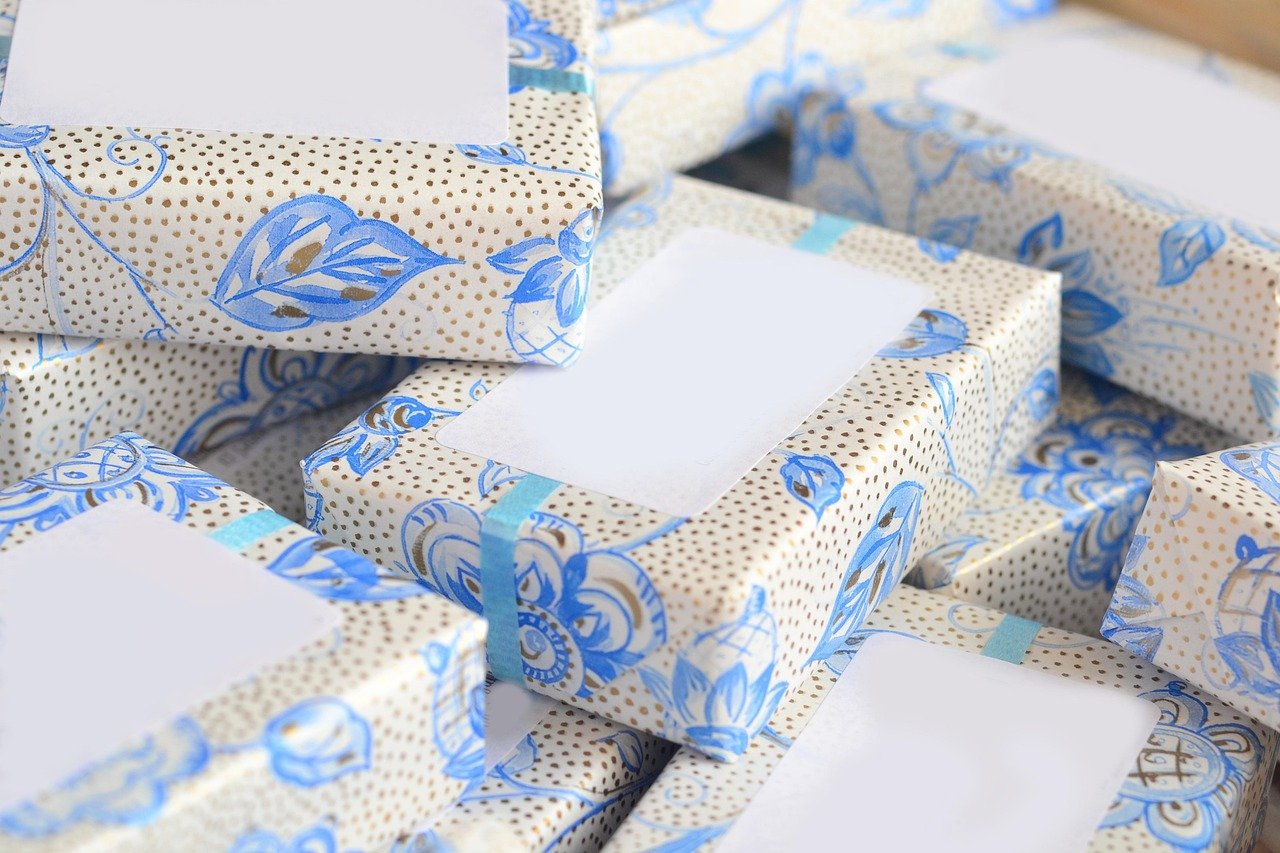
An eight-year-old notices effort. A gift wrapped with a handwritten note explaining why you chose it gets played with more than the same item handed over in a bag. Include a small “starter challenge” in the card, like “build the tallest tower you can in ten minutes,” and you’ve added a play pattern for free.
Also, resist the urge to buy three small things instead of one good thing. At this age, one gift that gets used beats a pile that gets sorted and forgotten.
How to Choose in Five Minutes
If you’re short on time, run this sequence:
- Ask what she’s currently obsessed with.
- Pick a category from the list above that matches.
- Choose the version one notch below the “recommended age” on the box.
- Confirm it works without a screen or an account.
- Add a note that gives her a first challenge.
That process beats an hour of scrolling, every time.
Conclusion
The best gift for an 8-year-old girl is the one that respects where she actually is: capable, opinionated, and hungry for real rules and real tools. Books in the middle grade band, building and craft kits with a clear first project, games she can win on merit, and specific experience gifts all earn their place. Trendy collectibles and connected gadgets usually don’t. Match the gift to her personality, buy one notch below the age on the box, skip the login screen, and write a note. Do that, and you’ll be the relative whose presents get played with until they fall apart.
What is the best gift for an 8-year-old girl?
There’s no universal answer, because the best gift depends on her interests, her family’s values, and your budget. That said, books in the middle grade band, building and craft kits with a clear first project, and family board games are consistently strong because they match how eight-year-olds think and play. Specific experience gifts also perform well when they’re tied to something she has actually mentioned.
Are toys labeled 8+ safe for an eight-year-old?
The age label is a starting point, not a guarantee. In the United States, toys intended for children under three must pass a small-parts choke test, but toys labeled 8+ are generally exempt from that rule. That means small pieces may be present. If younger siblings share the play space, check the contents yourself before handing the gift over, and note that safety rules differ by country.
Should I buy a gift card or an actual present?
Both can work. Gift cards are consistently among the most-requested gift categories in annual retail spending surveys, and they let an eight-year-old exercise real choice. To keep it feeling personal, pair the card with a small related item or a handwritten note planning a shopping trip together. A physical gift she didn’t ask for is the bigger risk.
How much should I spend on a gift for an eight-year-old?
There’s no standard, and more money does not reliably produce a better gift. Strong options exist at every price point, from a paperback series starter to a larger building set or a kids’ class. A useful rule: spend what you’d be comfortable with if the gift is a hit, and don’t spend more hoping to guarantee it will be.
Are connected or app-based toys a good idea?
They’re worth a pause. Any toy that connects to the internet and collects data from a child raises privacy questions, and in the United States the Children’s Online Privacy Protection Act governs how companies collect data from children under 13. In practice, check whether the toy needs an account, whether it works offline, and whether it will still be fun when the app stops being updated.
What if I don’t know her interests at all?
Ask a parent what she has specifically requested, then buy the second-best version of that thing. You’ll usually spend less and land better than guessing. If you’d rather not ask, default to a book series starter or a well-reviewed family game, both of which have wide appeal and low risk of sitting unused.